Headline from Moody’s
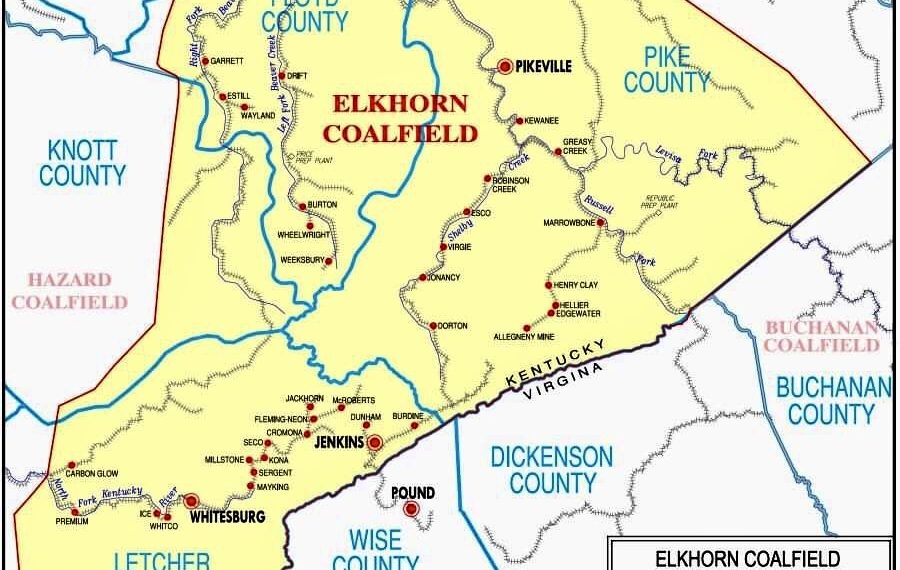
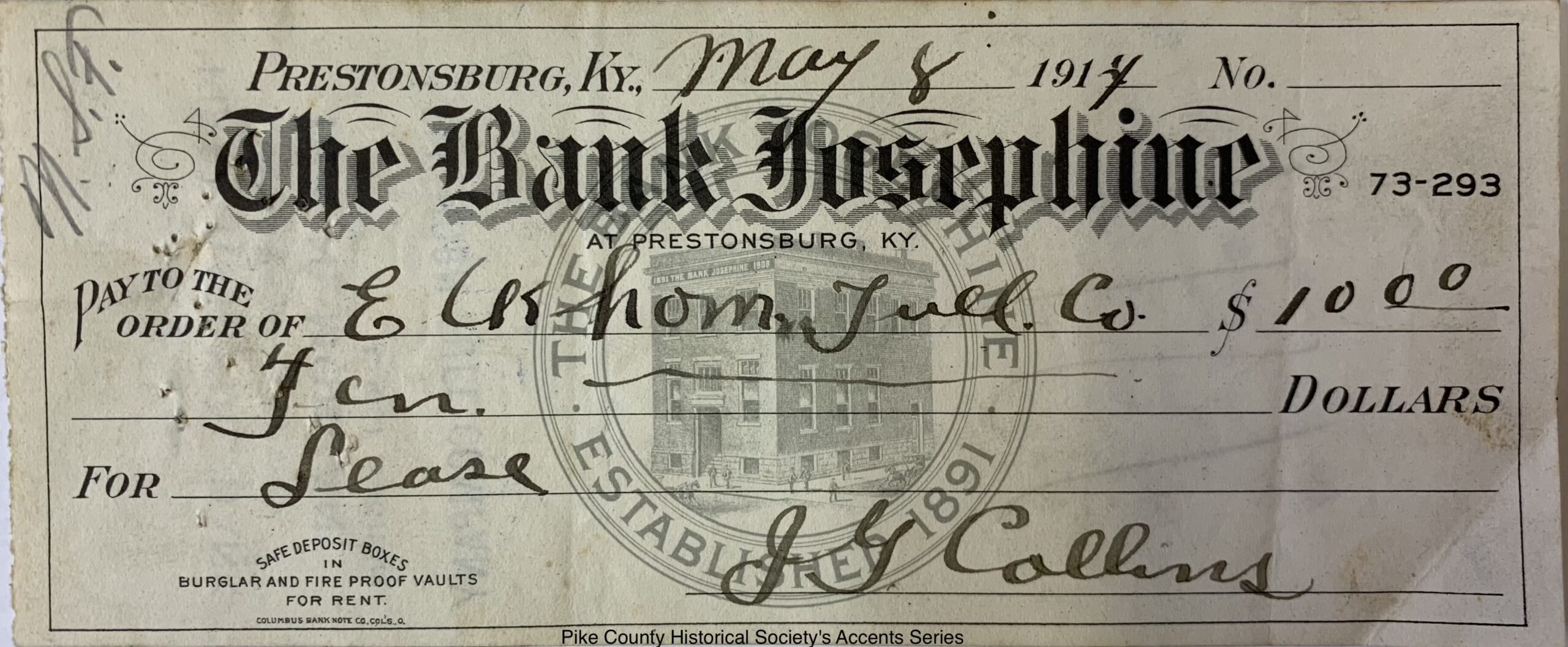
“ELK HORN FUEL COMPANY Inc. Feb 3, 1913, in W. Va, to acquire and operate 199,479 acres of coal lands in fee and mineral rights in the Elkhorn field of Kentucky, Of this acreage 184,829 acres are in Letcher, Knott, Floyd, Leslie, Magoffin, Pike and Perry Counties, Ky.: the remaining 14,650 acres being located in Upshur and Randolph Counties, W. Va. Owns 7,879 of the 27,575 outstanding shares of the Beaver Creek Consolidated Coal Co., owning about 50,000 acres of land in fee or mineral rights in the Elkhorn coking held, all of which the Elk Horn Fuel Co. has the right to purchase Mineral Fuel Company to 4500 acres the Elkhorn Field let shares which $800,000 reserved for development purpose 1800 shares of the 1930 shares of the Tennis Coal Co., owning approximately 49,200 acres of land in fee or mineral rights in Leslie, Perry, Harlan and Knott Counties, Ky., and 500 of the 1,000 shares of the York Coal & Coke Co. Also owns $4.371,500 of the stock of the Consolidation Coal Co.”
The Ultimate Plan
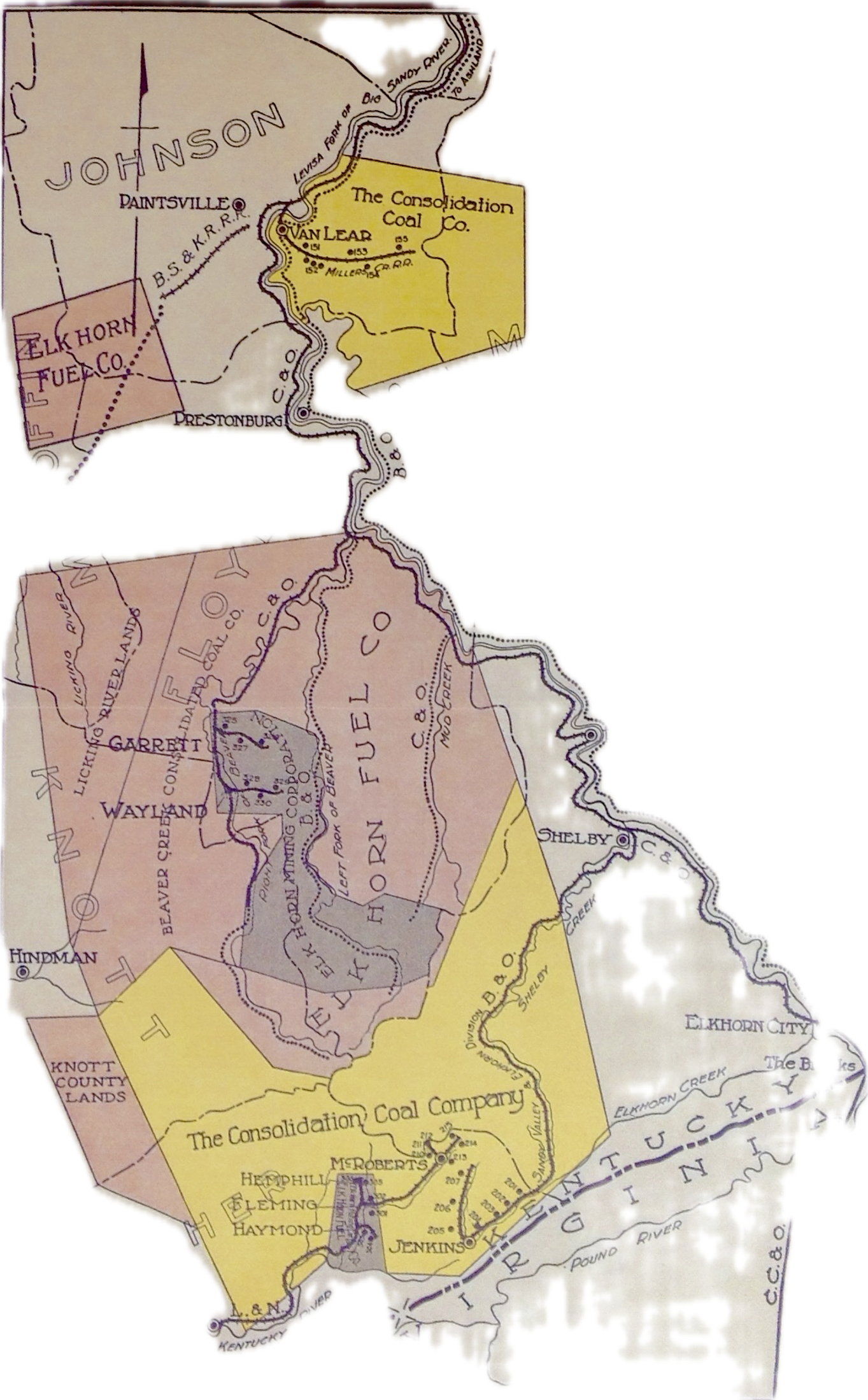
THE ELK HORN MINING CORPORATION was incorporated under the laws of the State of Virginia, July 17th, 1913, with $3,000,000 Preferred and $3,750,000 Common Stock.
The Company is now developing and operating coal lands in Eastern Kentucky, in what is known as the Elk Horn Coking Coal region. It does not own coal lands, but has lease on approximately 25,000 acres of land owned by he Elk Horn Fuel Company, 20,000 acres of which are located in Floyd and Knott Counties, on the waters of the Right and Left Forks of Beaver Creek, and 4,500 acres located in Letcher County, on the waters of Boone Fork of Kentucky River.
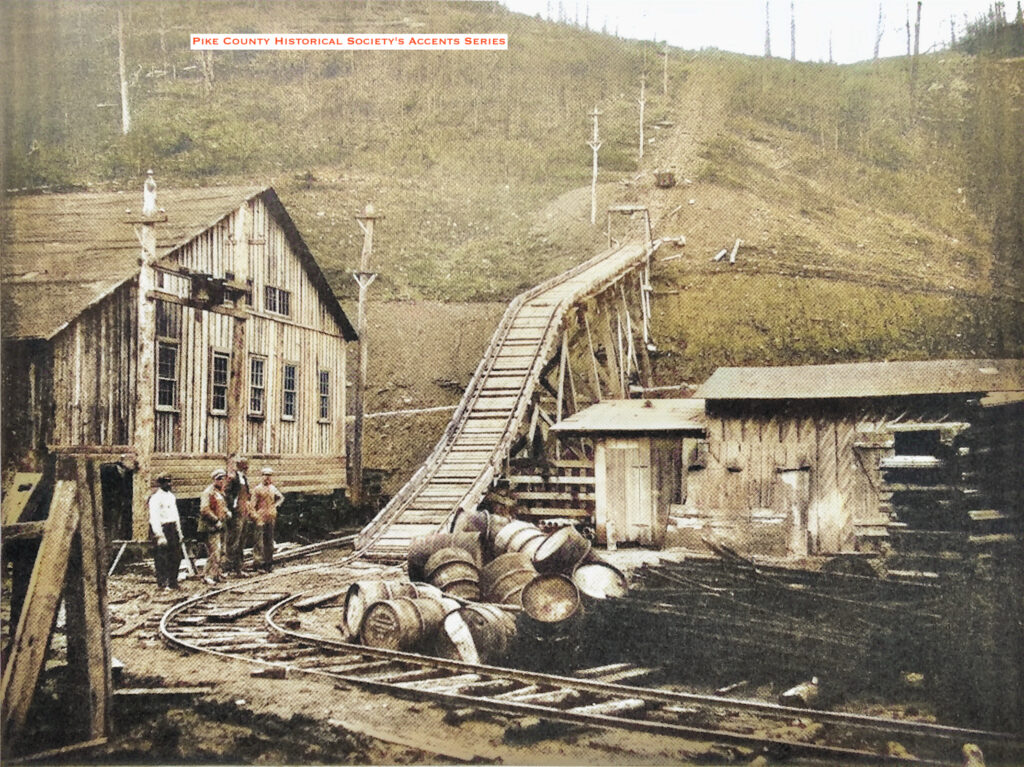
The Company is equipping for a production of 3,000,000 tons of coal annually, 2,000,000 tons of which is to be produced on the Beaver Creek boundaries, and 1,000,000 tons on Boone Fork. Railroad facilities, the first essential in successful coal operation, are assured in the proposed operations of the Elk Horn Mining Corporation. The Chesapeake & Ohio Railway is now constructing, and has contract for completion, a railroad some thirty-three miles in length up the Right Fork of Beaver from the mouth of Beaver Creek (nineteen miles of which is being operated), which develops from a transportation standpoint the property contemplated for development by the Elk Horn Mining Corporation in this territory.
The Baltimore & Ohio Railroad has made survey and expended a large sum of money for rights-of-way for a railroad up Left Beaver, which, when built, will furnish additional shipping facilities.
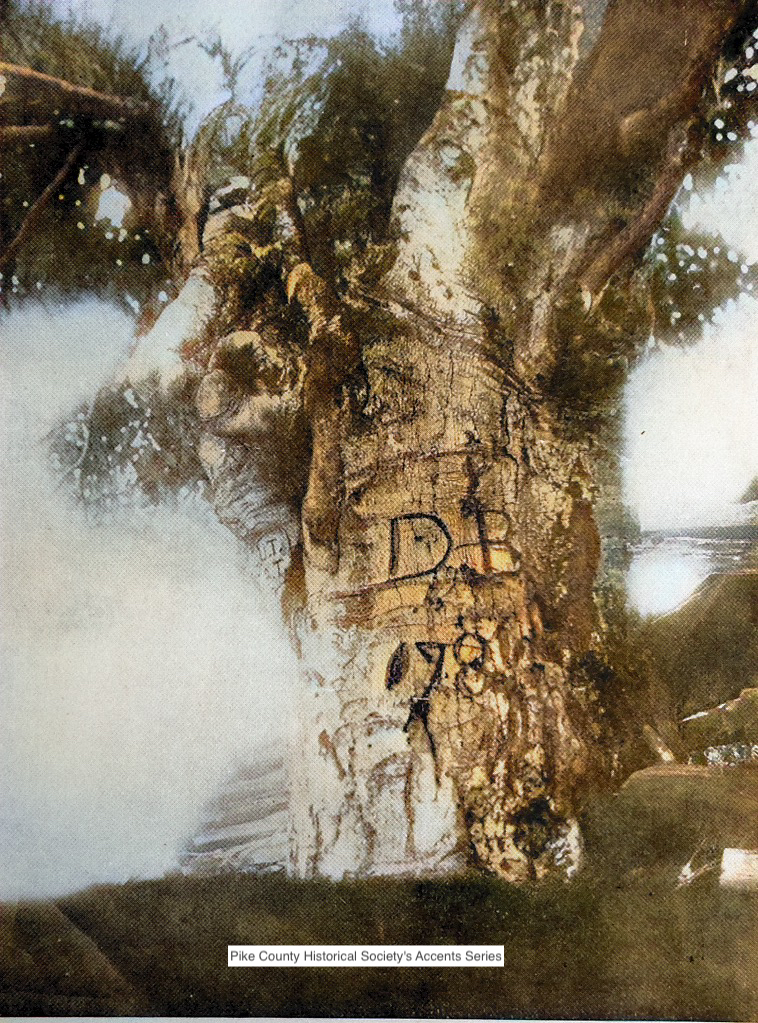
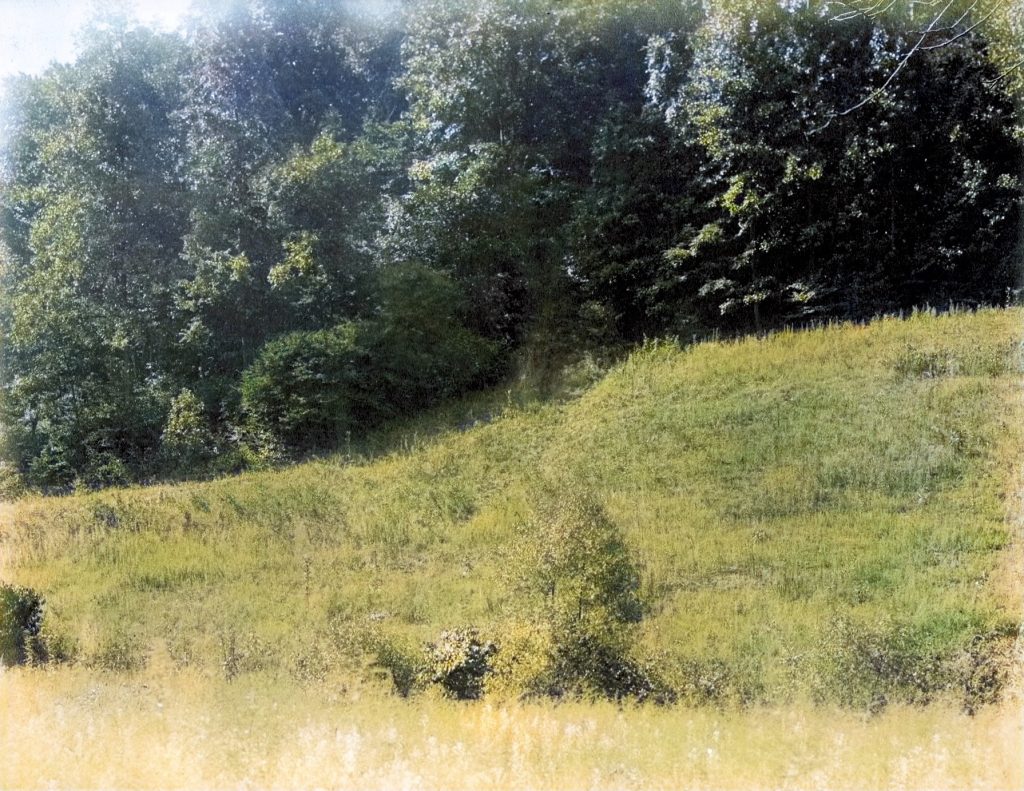
Boone Creek of the North fork of the Kentucky River is named after Daniel Boone, who passed through this country in 1781. This Beech Tree when this photo was taken, was in healthy condition. It was located about two miles from Fleming, near the lower end of the property.
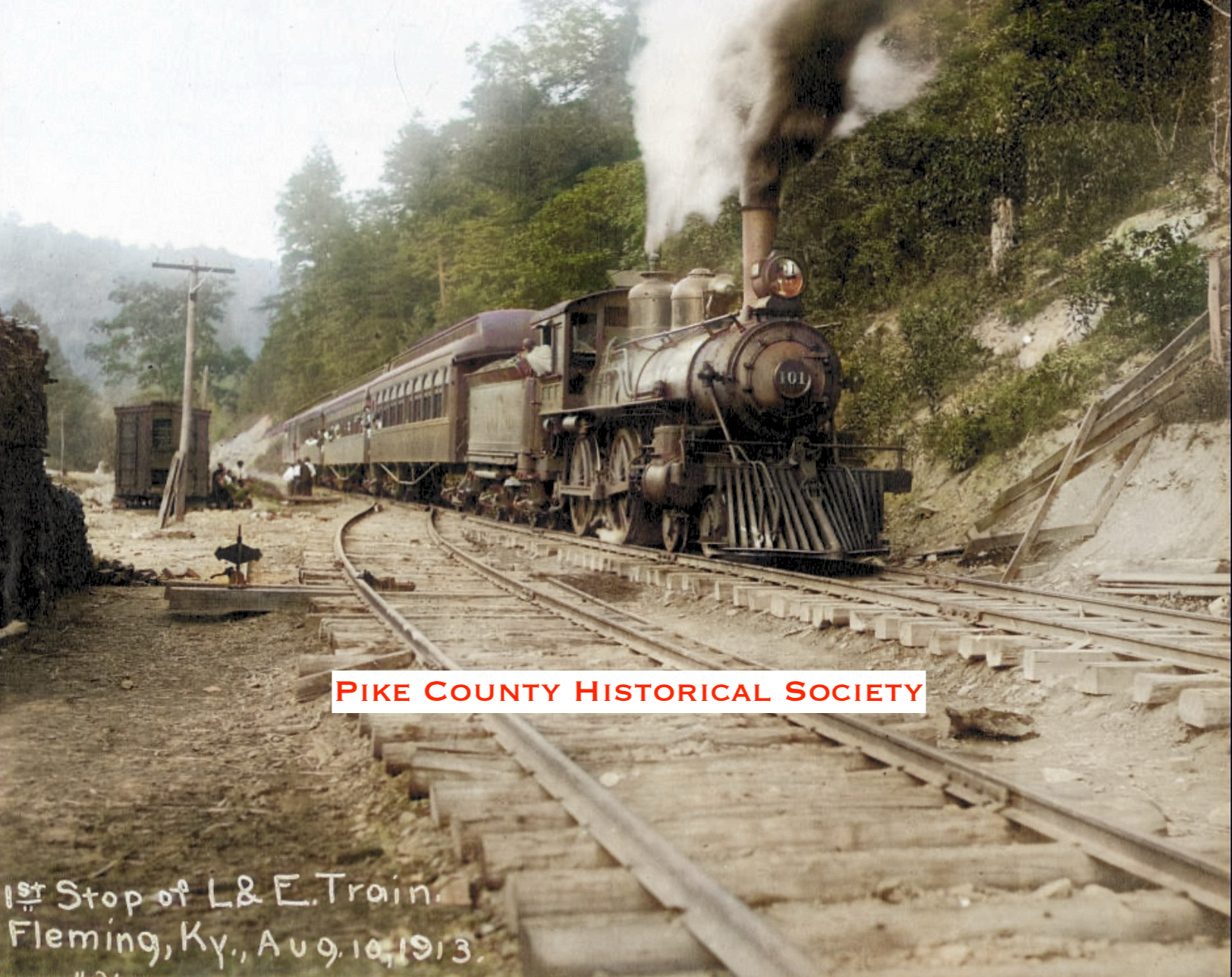
The Lexington & Eastern Railroad has had been in operation since January, 1913, its new extension from Jackson to McRoberts. This branch passes through the 4,500 acres under lease by the Elk Horn Mining Corporation, which made it possible for immediate production from these lands. The geology of the Elk Horn Coking Coal region, of which these leases are a part, is of the simplest character; no faults nor irregularities have been discovered, and in all probability there are none. The stratifications are nearly flat, and the coal seams, of which there are several, are practically all above drainage.
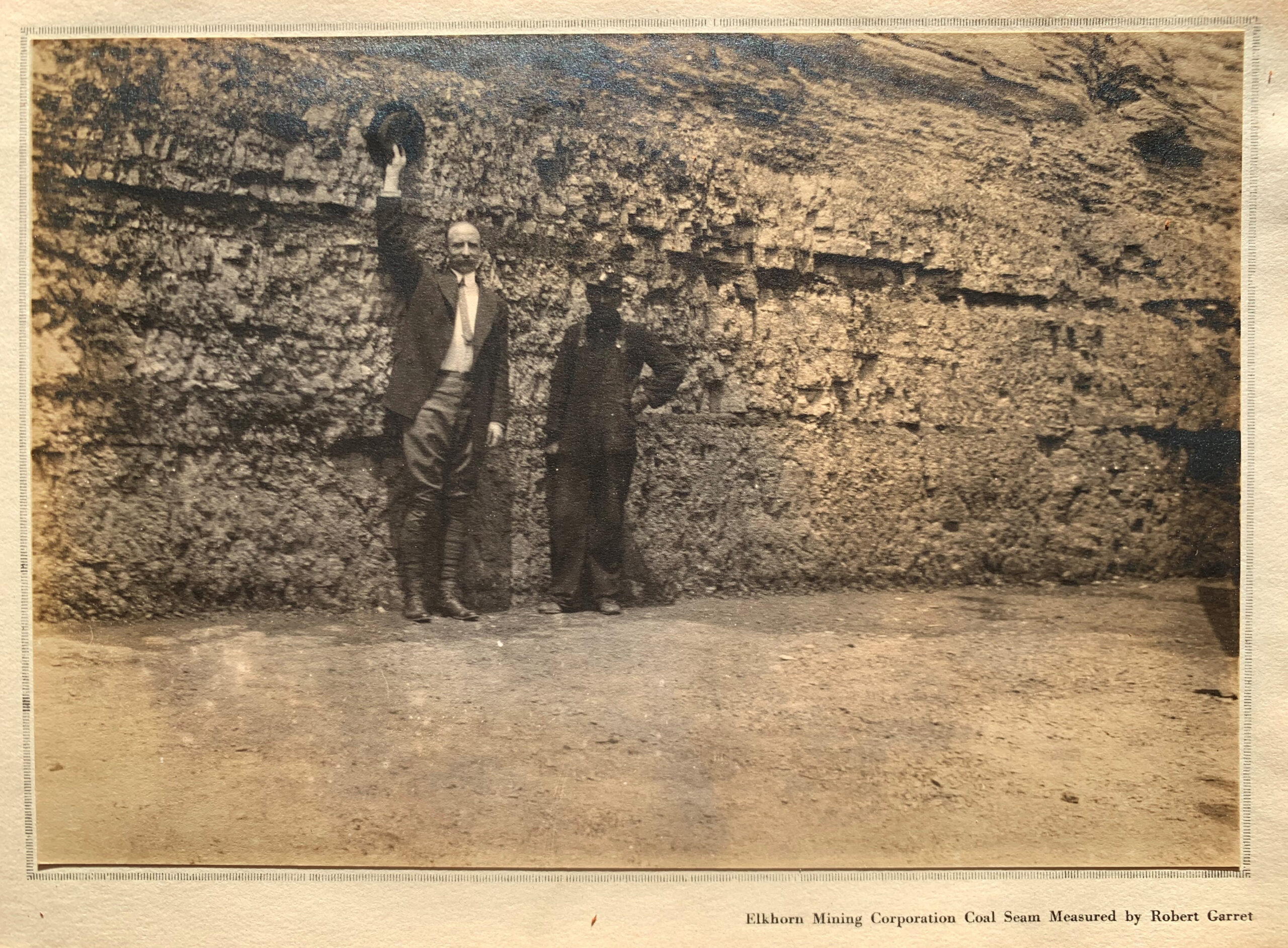
The Elk Horn seam, or group of seams, are the most prominent, and give this region its value. In the southern part of the region, in which the Elk Horn Mining Corporation holds some 4,500 acres under lease, the seam is at its best development, being from seven to twelve feet in height; as it increases in height above seven feet without parting, a parting of clay sets in, with varying thickness. In going northward the Elk Horn seam splits up into two, or in some cases, three seams. This is the case in the 20,000 acres under lease in the Beaver Creek field. These seams are not all workable, but at least one seam is of workable thickness over the entire region; in some cases two seams, or all of them, are workable. In the 20,000 acres under lease by the Elk Horn Mining Corporation the coal will average fifty-two inches in thickness.
The lease on the Boone Fork property should produce 11,000 tons of coal per acre, with all natural advantages for low cost of mining, and the 20,000 acres in the Beaver Creek territory will yield 6,000 tons per acre.
The feature which makes the property under lease particularly valuable is the quality and character of the coal. The property has been fully prospected and samples of coal have been analyzed to such a number and extent that the character and quality of the coal is known beyond a question of doubt. The coal through the area is uniform in character and quality, and the following analysis, which is the average of many samples of this and adjoining territory, represents the commercial value of this coal:
Moisture 2.00 %
Volatile Mater 35.00 %
Fixed Carbon 59.00 %
Ash 2.00 %
Sulphur .75 %
Phosphorus .004 %
As the analysis indicates, the coal is a gas coal of very high quality, and on test has been found to be a coking coal compatible with the yield of gas. It has been demonstrated by continued practice to give good results in by-product coke ovens; in fact, it has been conceded that it is the best coal that can be found in this country for this purpose. The low ash and sulphur, and extremely low phosphorus make it particularly desirable where the coke is used for metallurgical purposes.
The process of coke making by the by-product method has made enormous strides in the past few years. At the present time more than twenty-five per cent. of all coke made in the United States is by the by-product method. The statement has been made by a high authority that the bee hive oven will be obsolete in a few years, and it appears that this will be verified.
The tendency of the expansion of the steel business has been westward, concentrating about Chicago, and all new plants have adopted the by-product oven for their source of coke. It appears that coke, which is an important factor in the cost of the manufacture of iron, can be manufactured for such less cost by the by-product method than the bee hive, consequently all iron manufacturers will be driven to this method. From these facts it is readily deduced that there will be an increasing demand for coal applicable to the by-product method of coke making.
Boone Fork of the North Fork of the Kentucky River
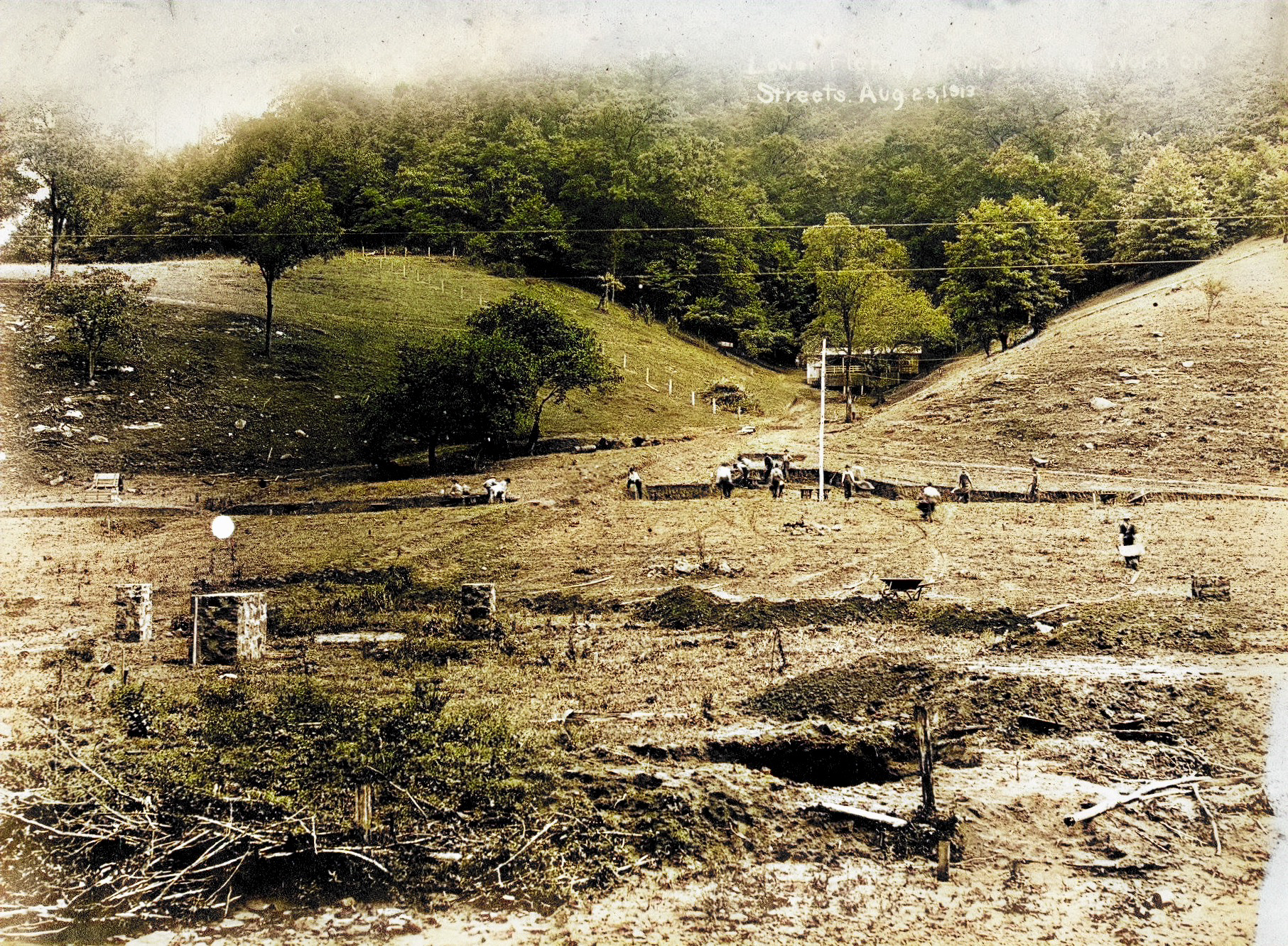
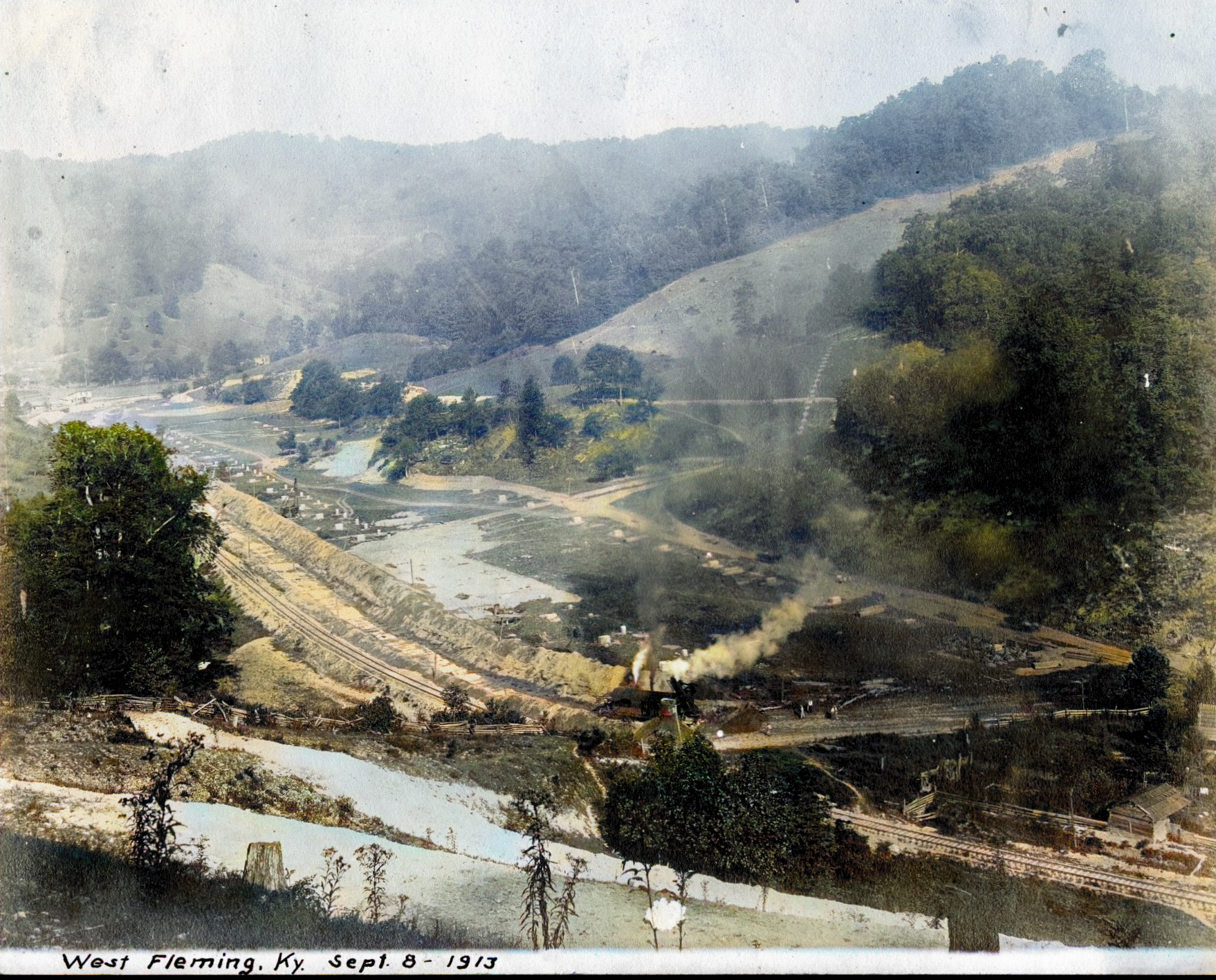
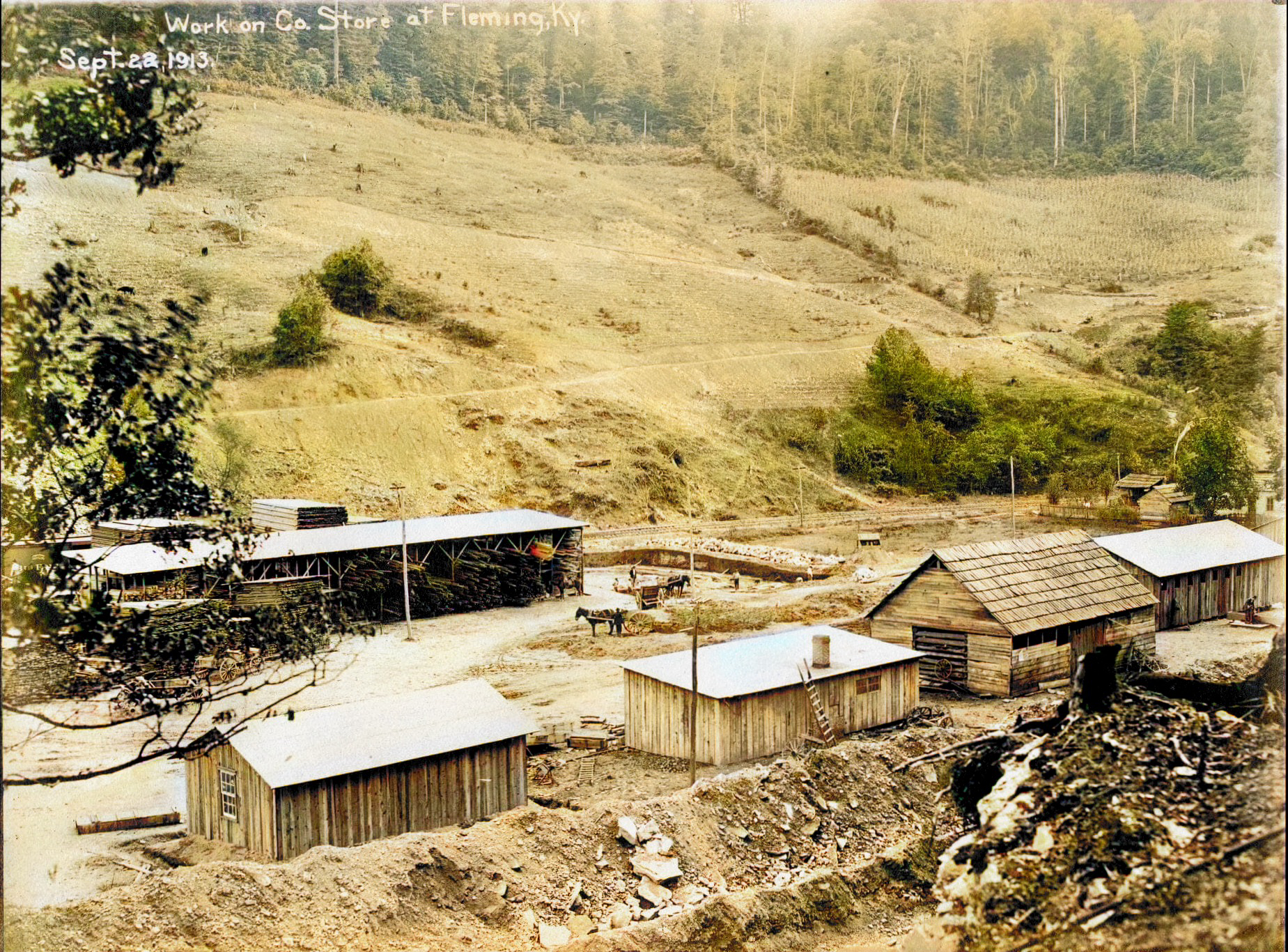
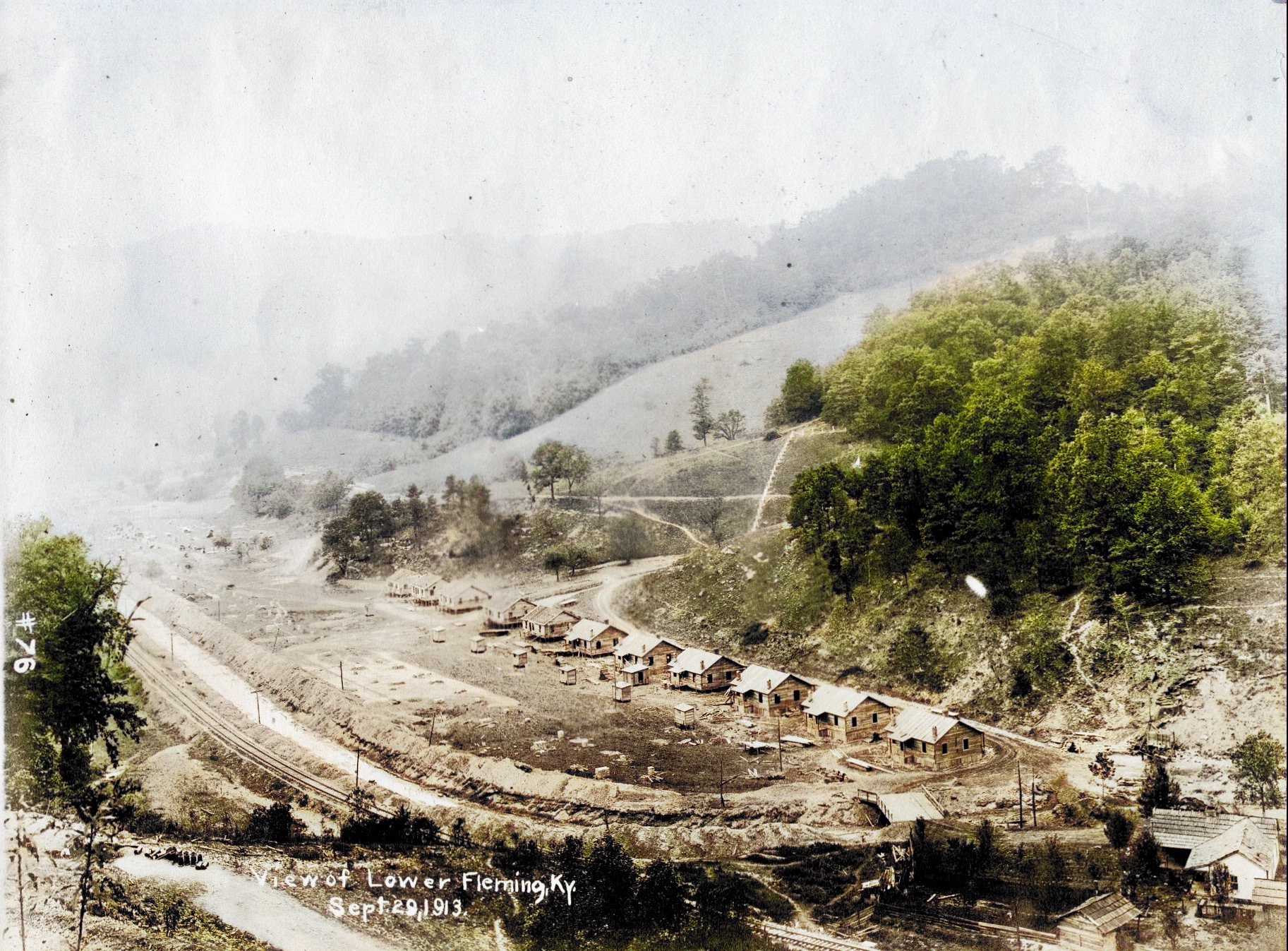
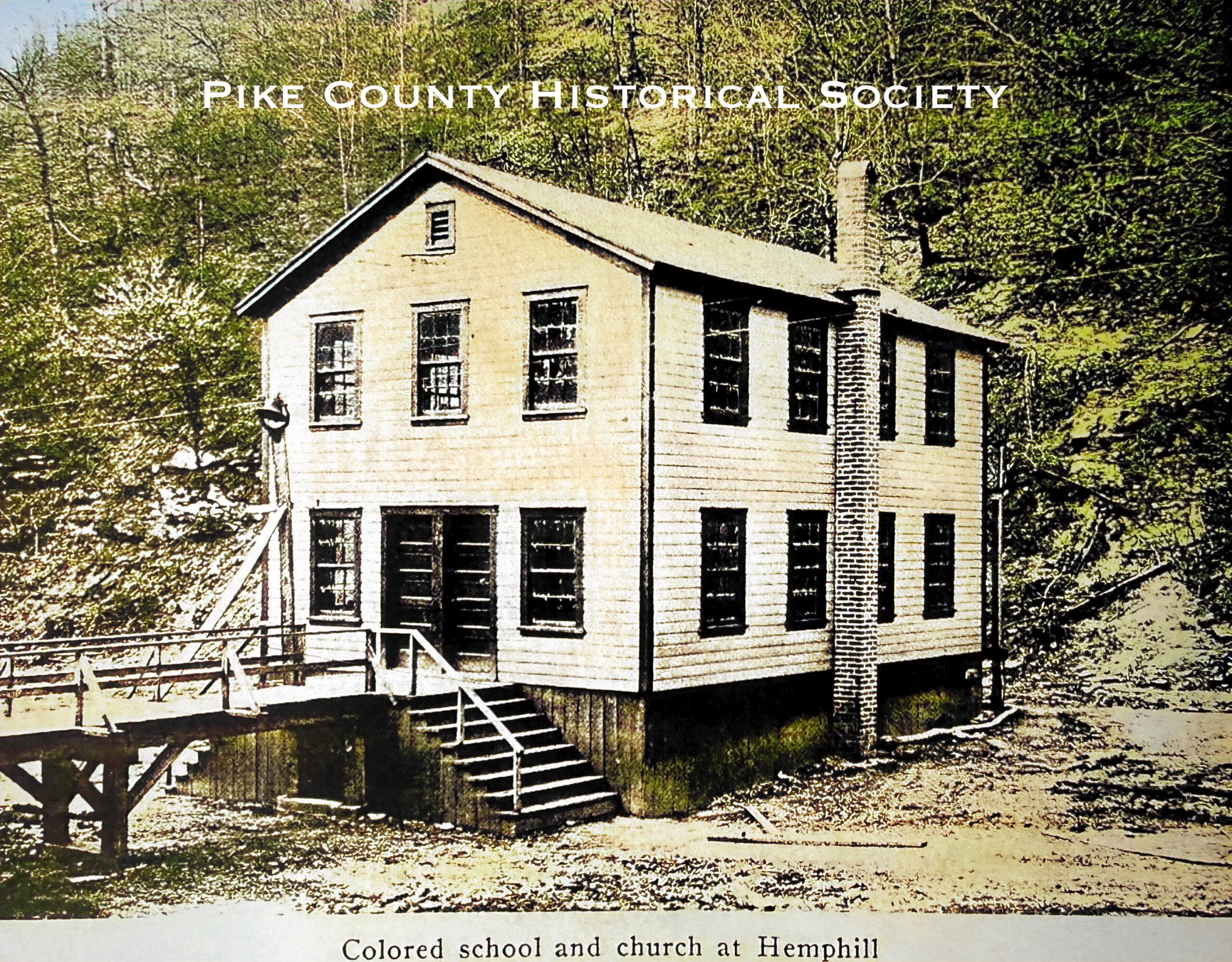
Fleming / Hemphill / Haymond
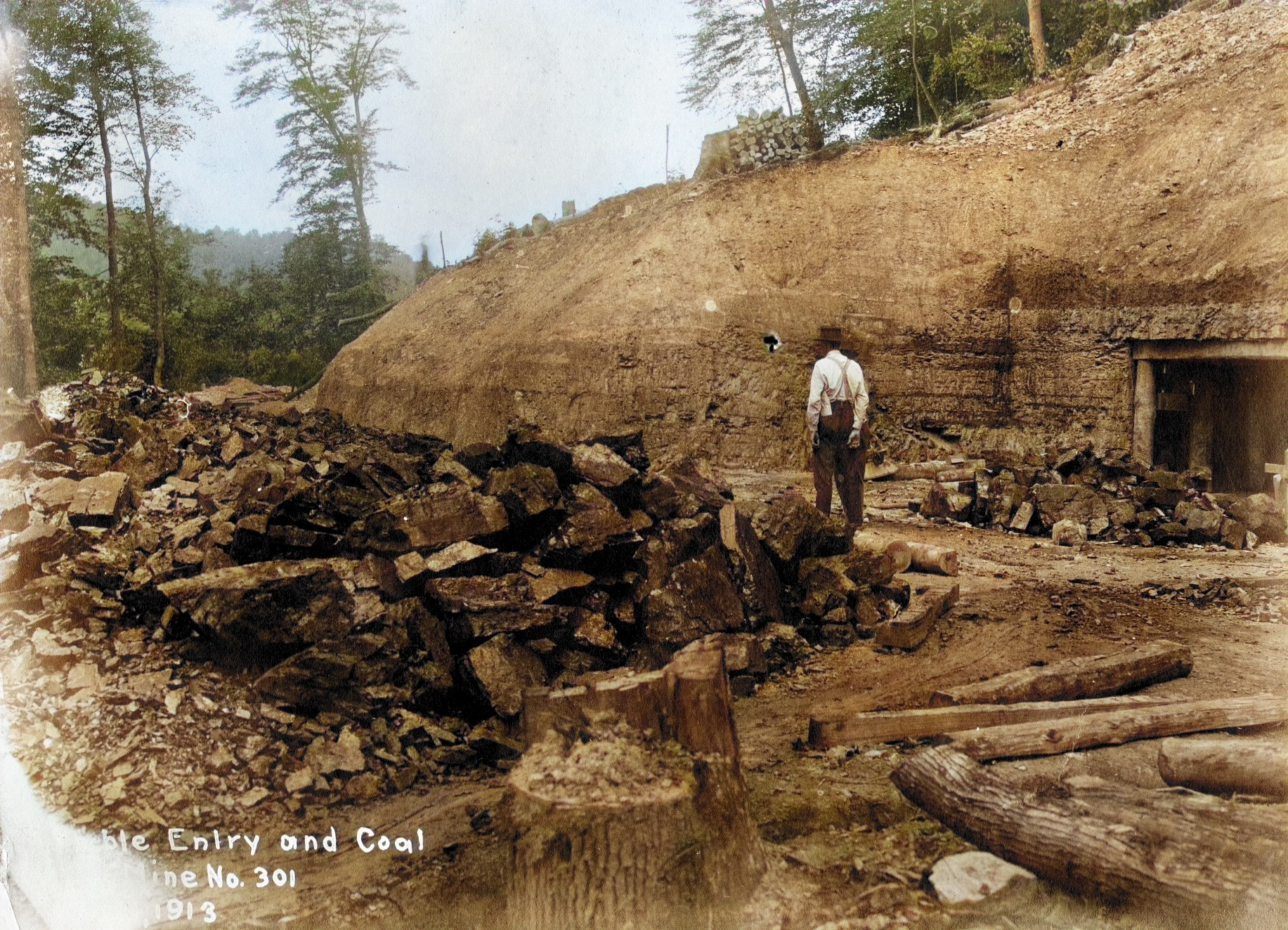
Location for 301 Tipple/ Fleming, Ky / August 29-1913
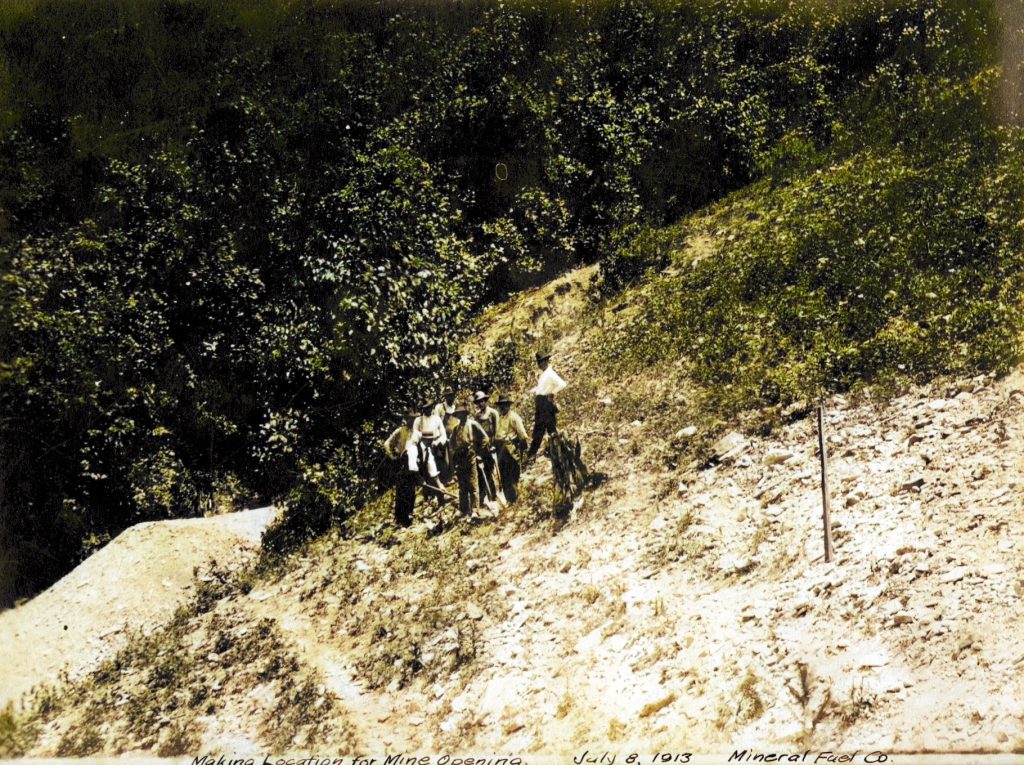
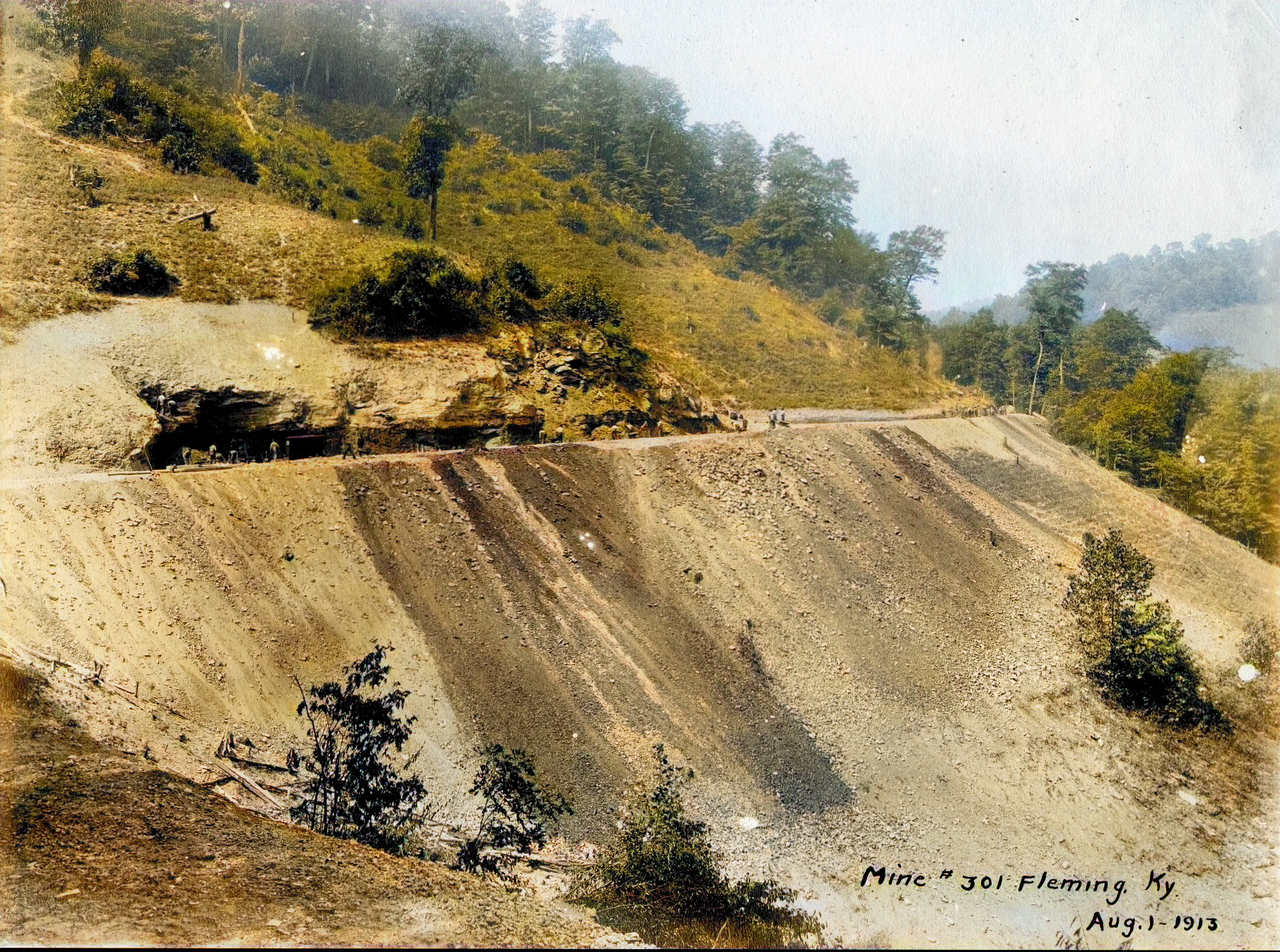
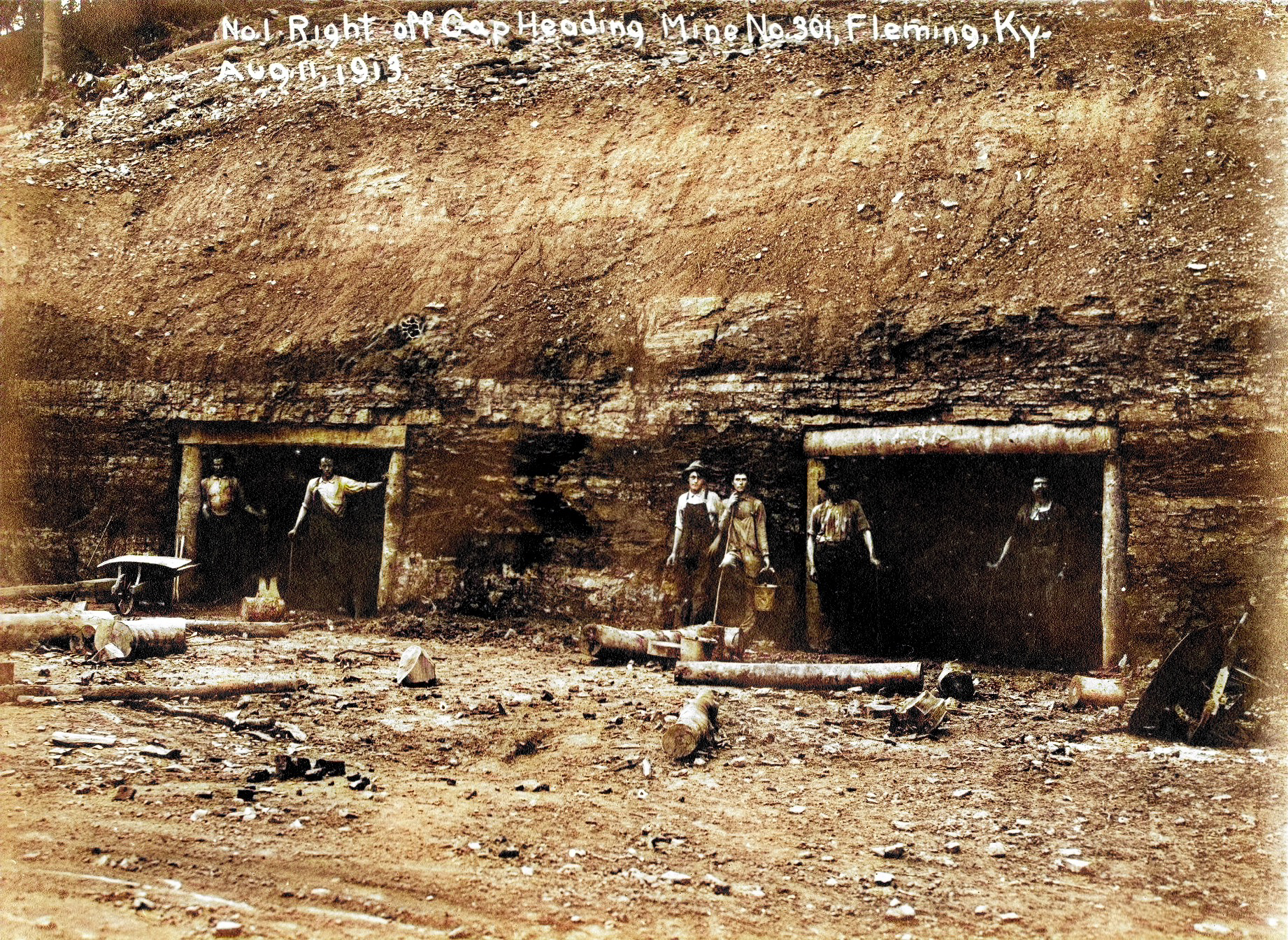
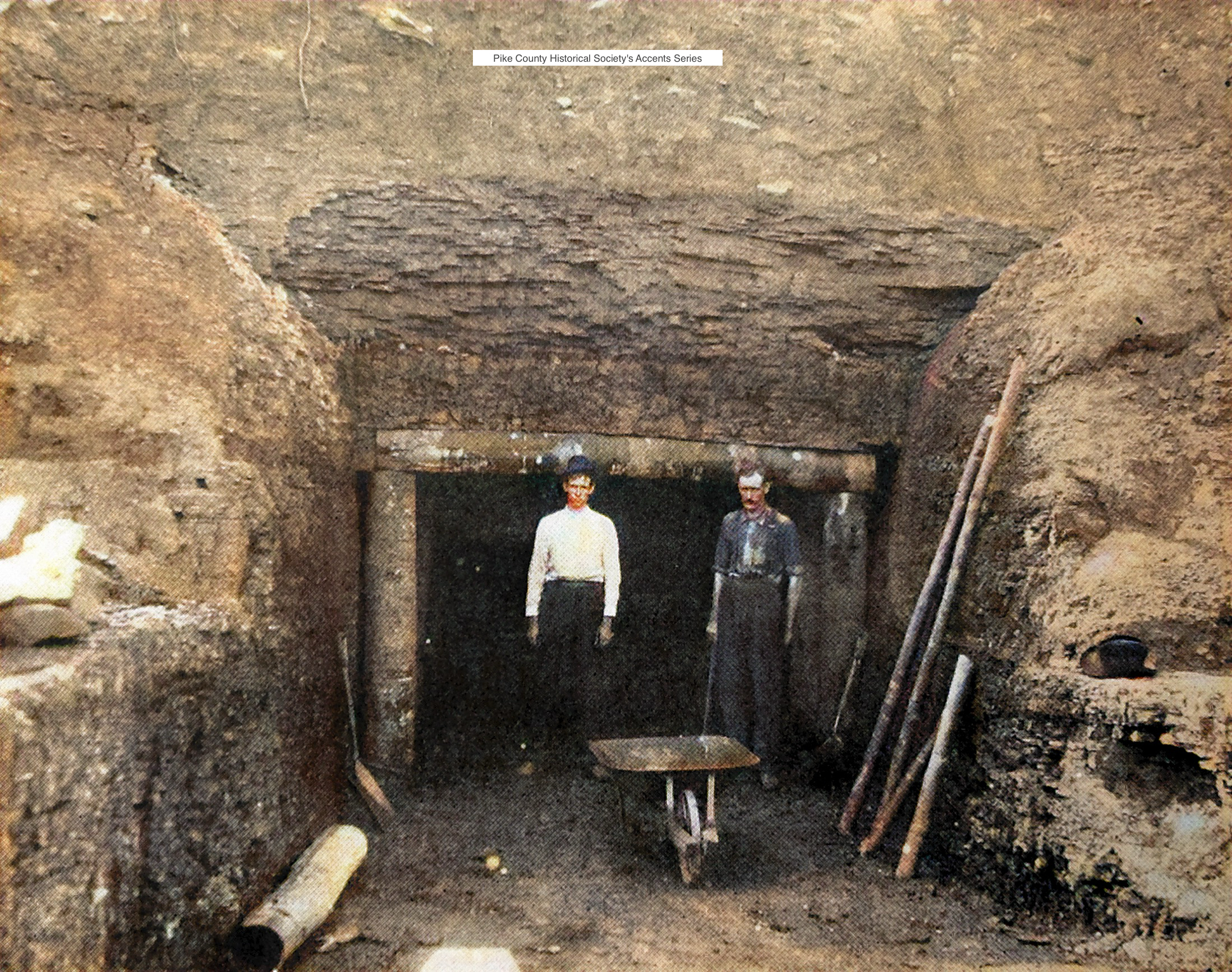
Trimming up the entrance on 301
1913
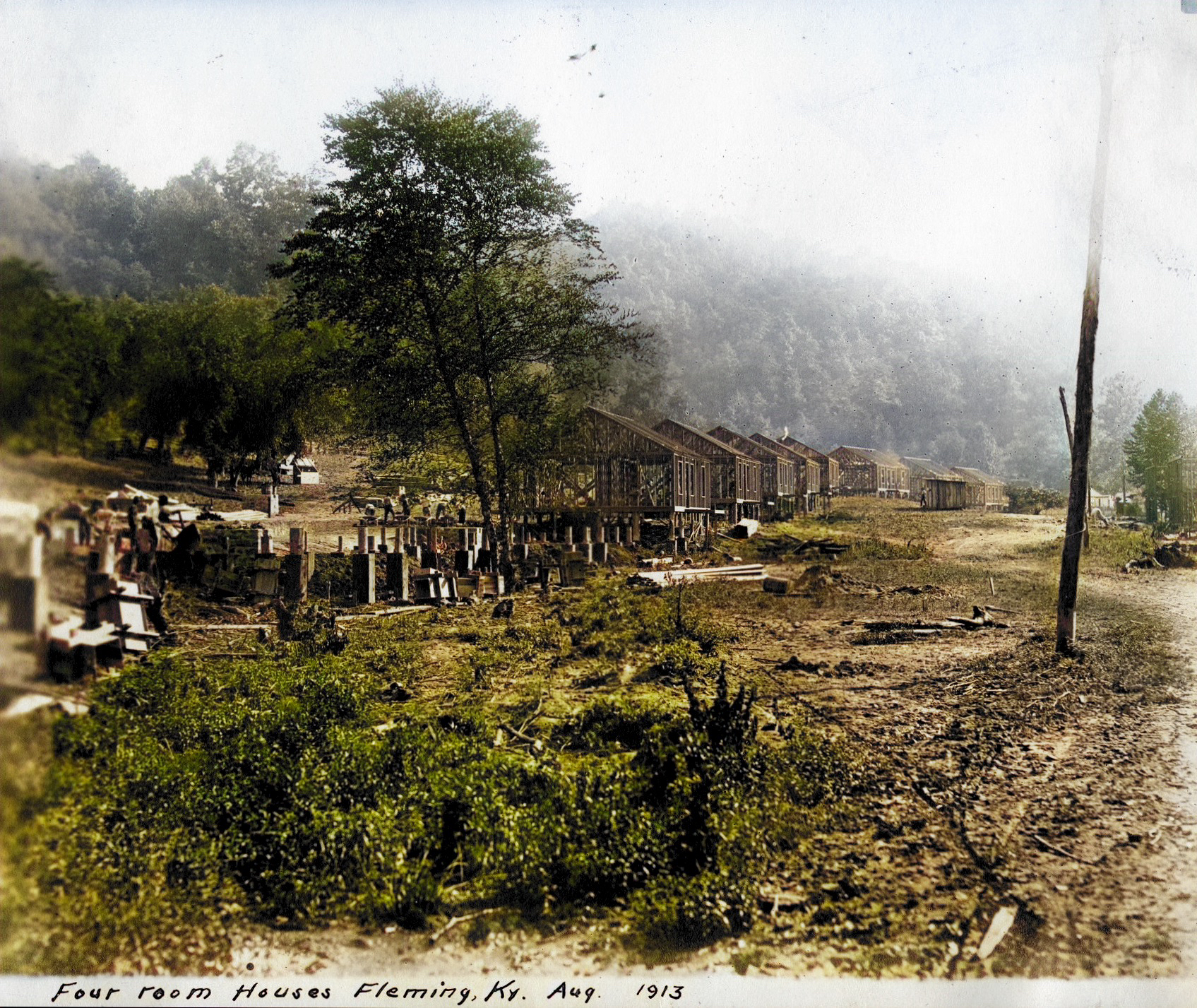
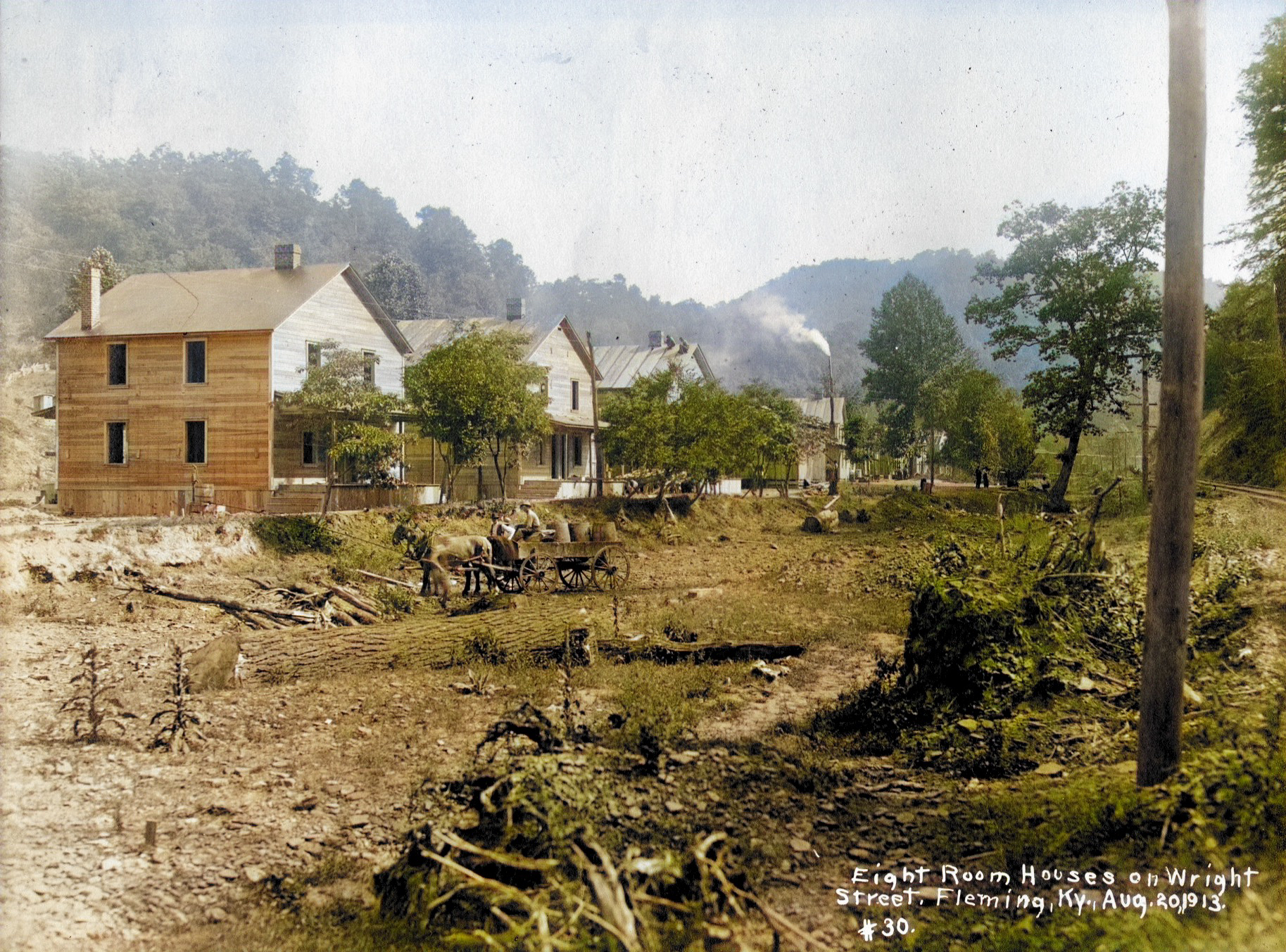
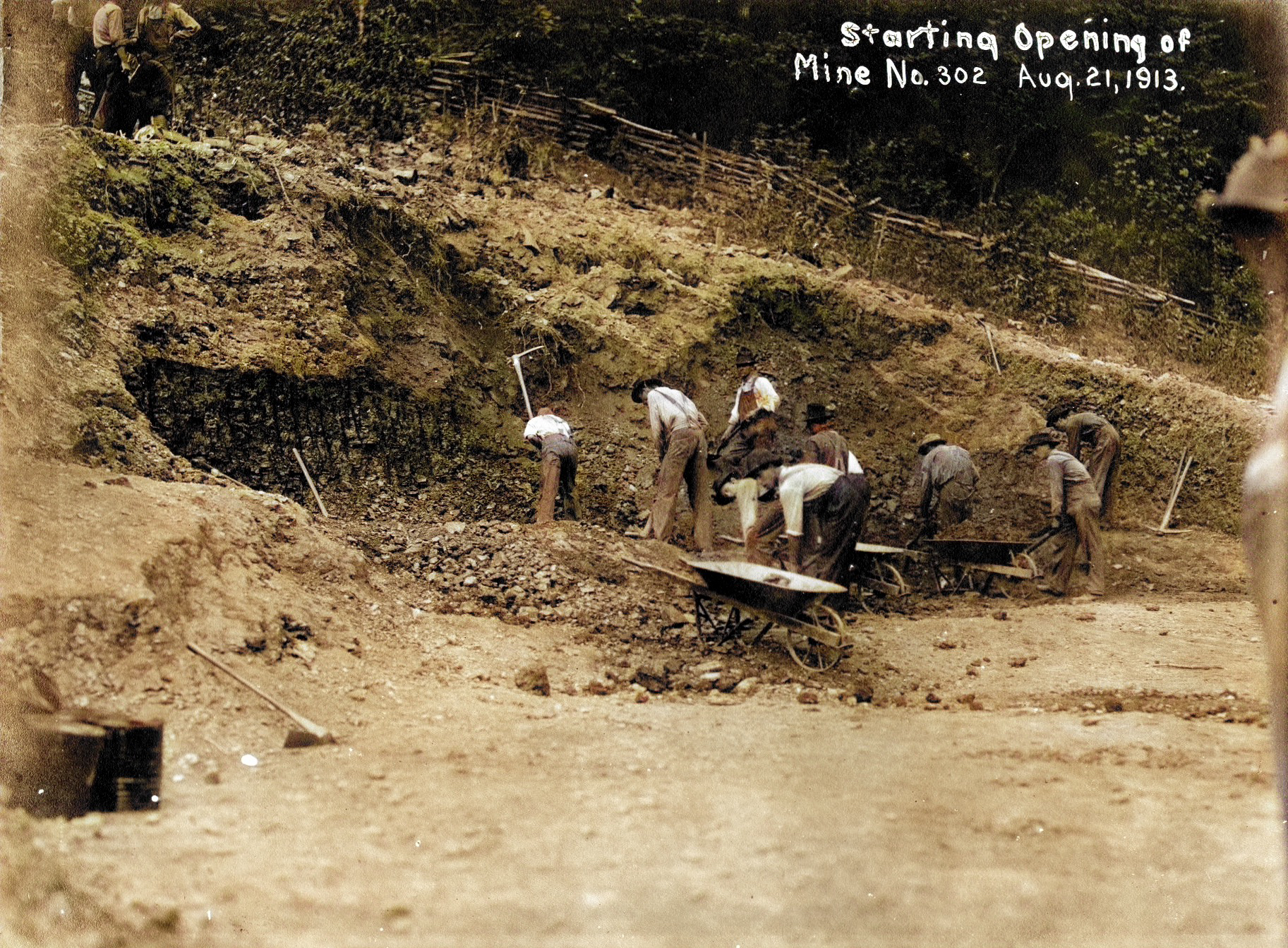
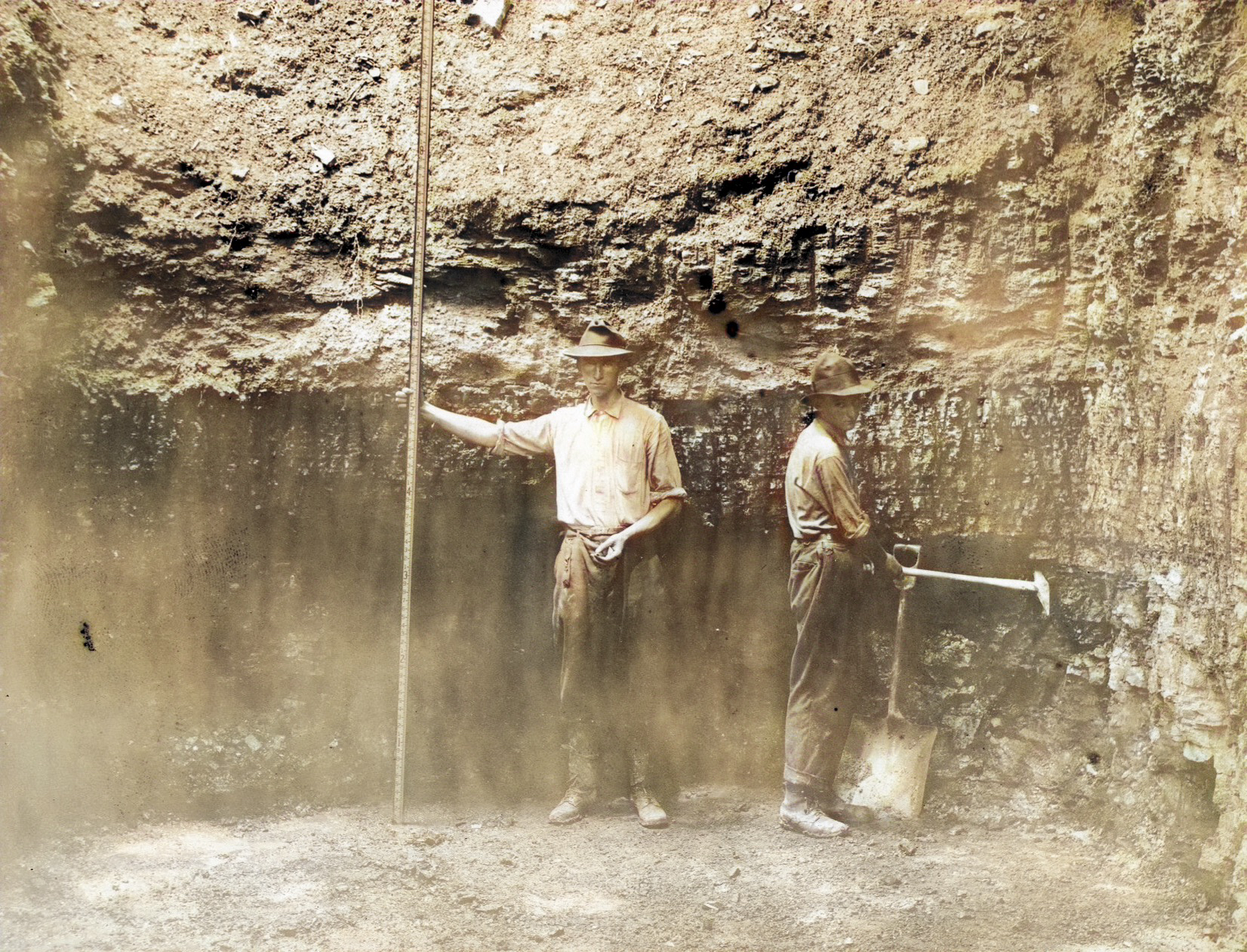
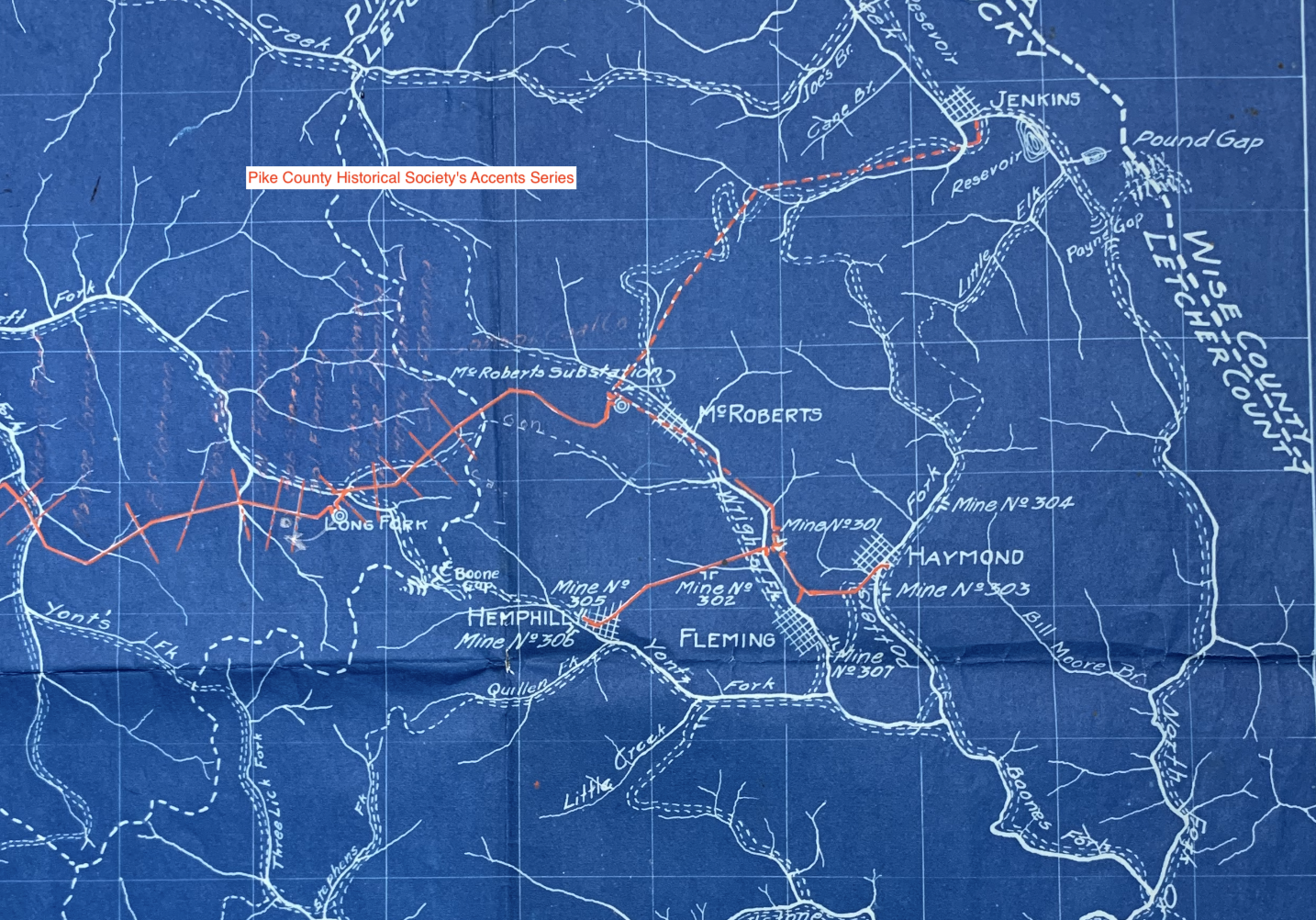
Fleming, Haymond and Hemphill received its electrical power supply from High Tension Transmission Line from the Consolidated Coal Co. Power Plant at Jenkins. Red line shows Transmission location.
301 Tipple
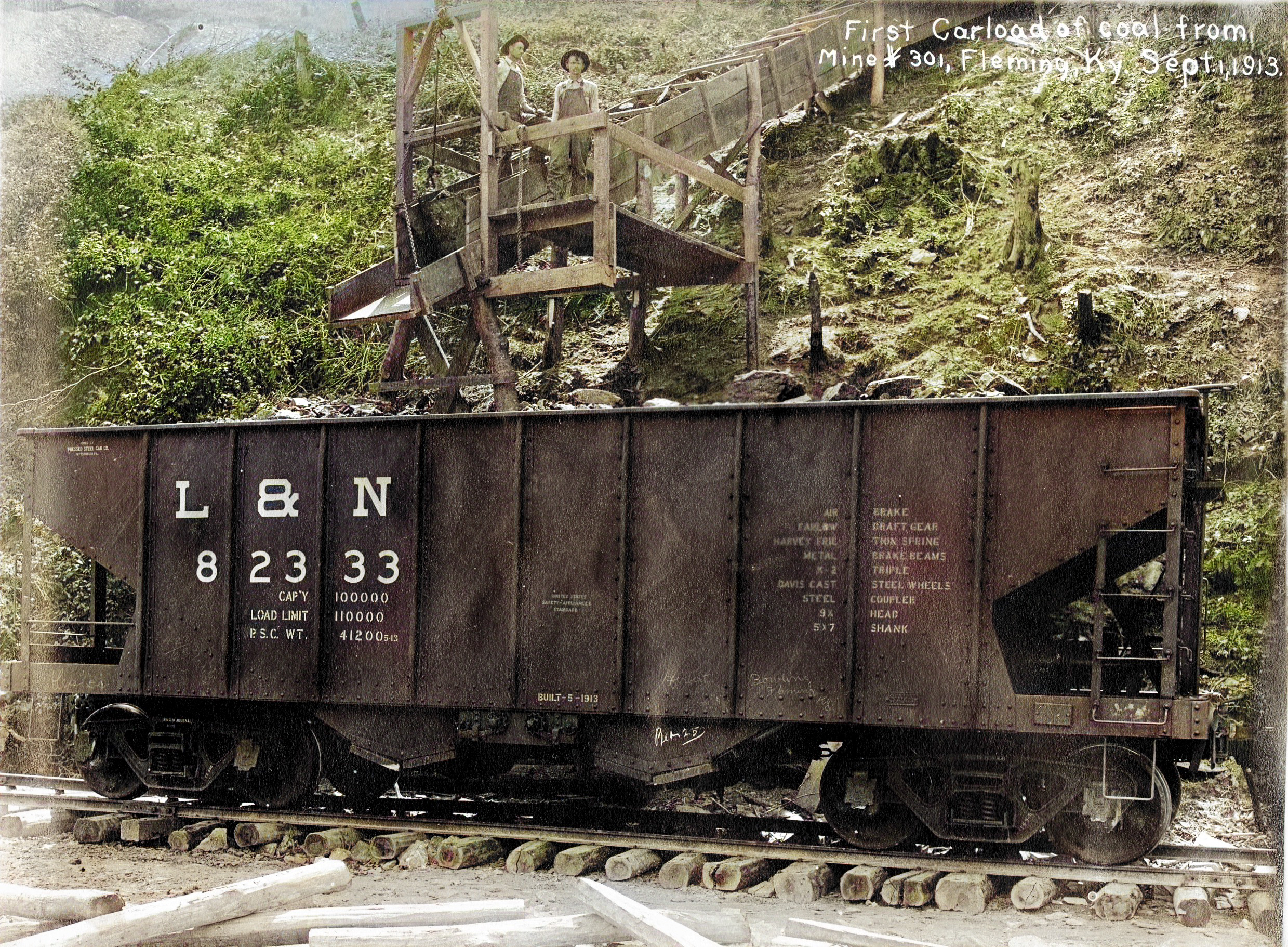
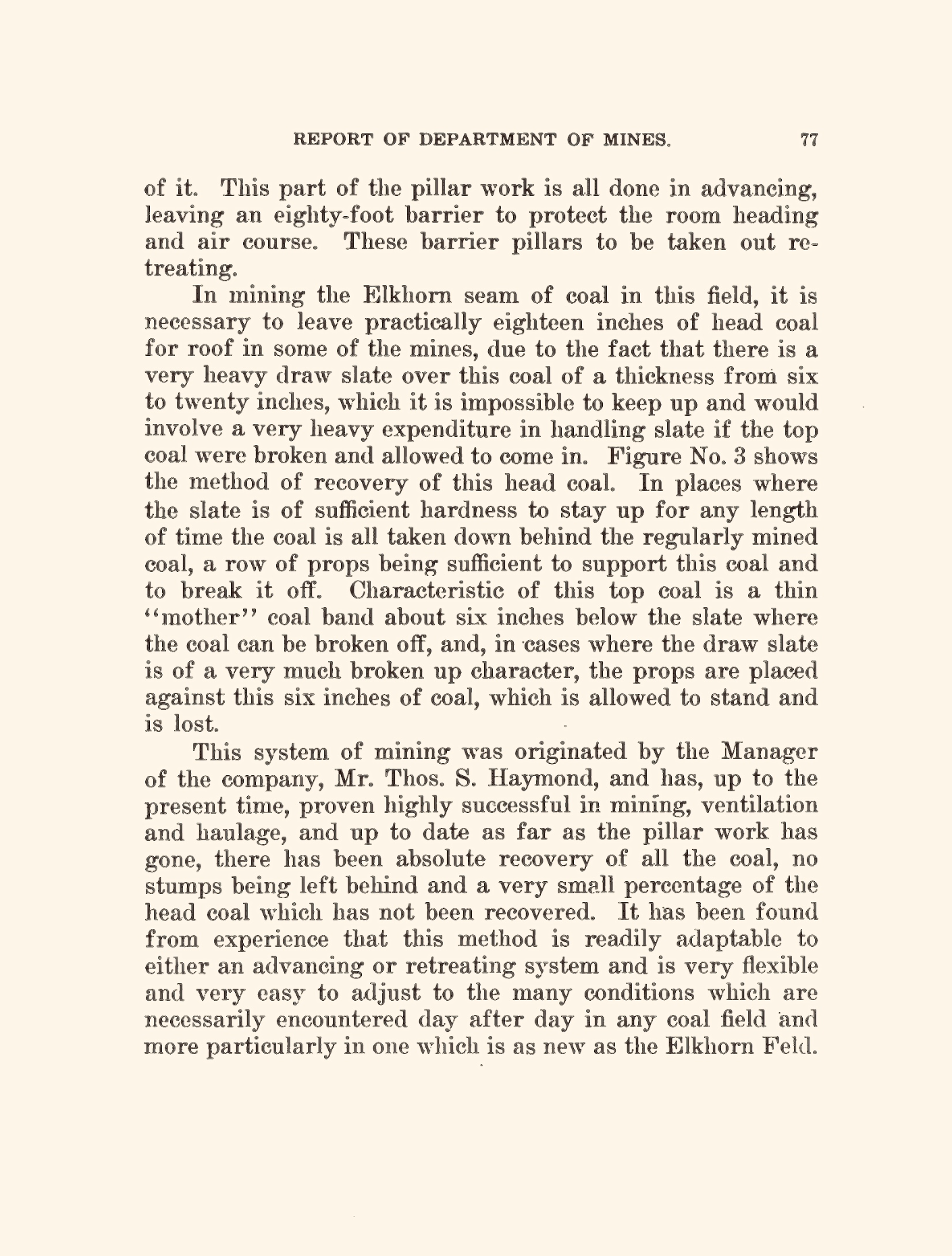
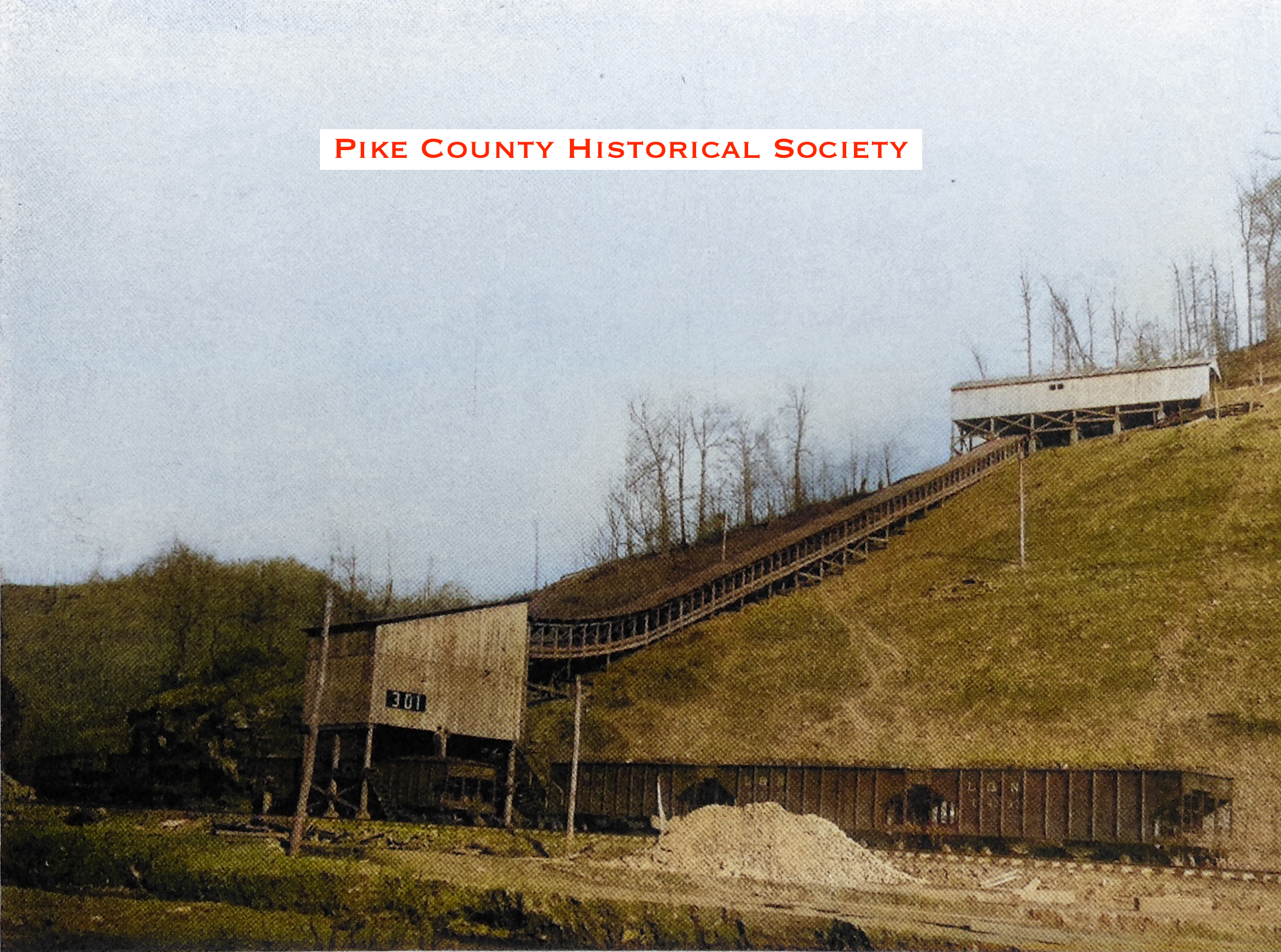
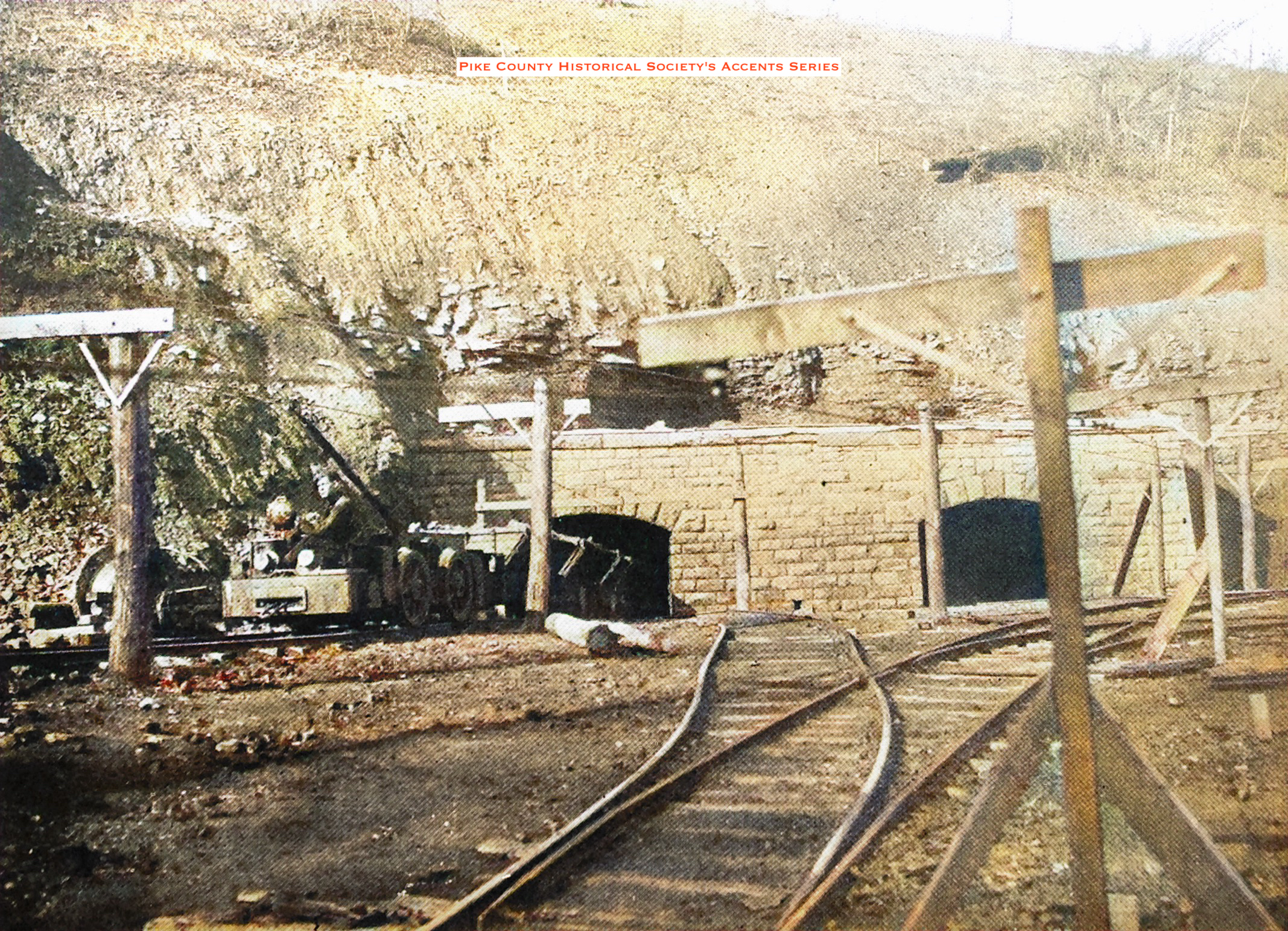
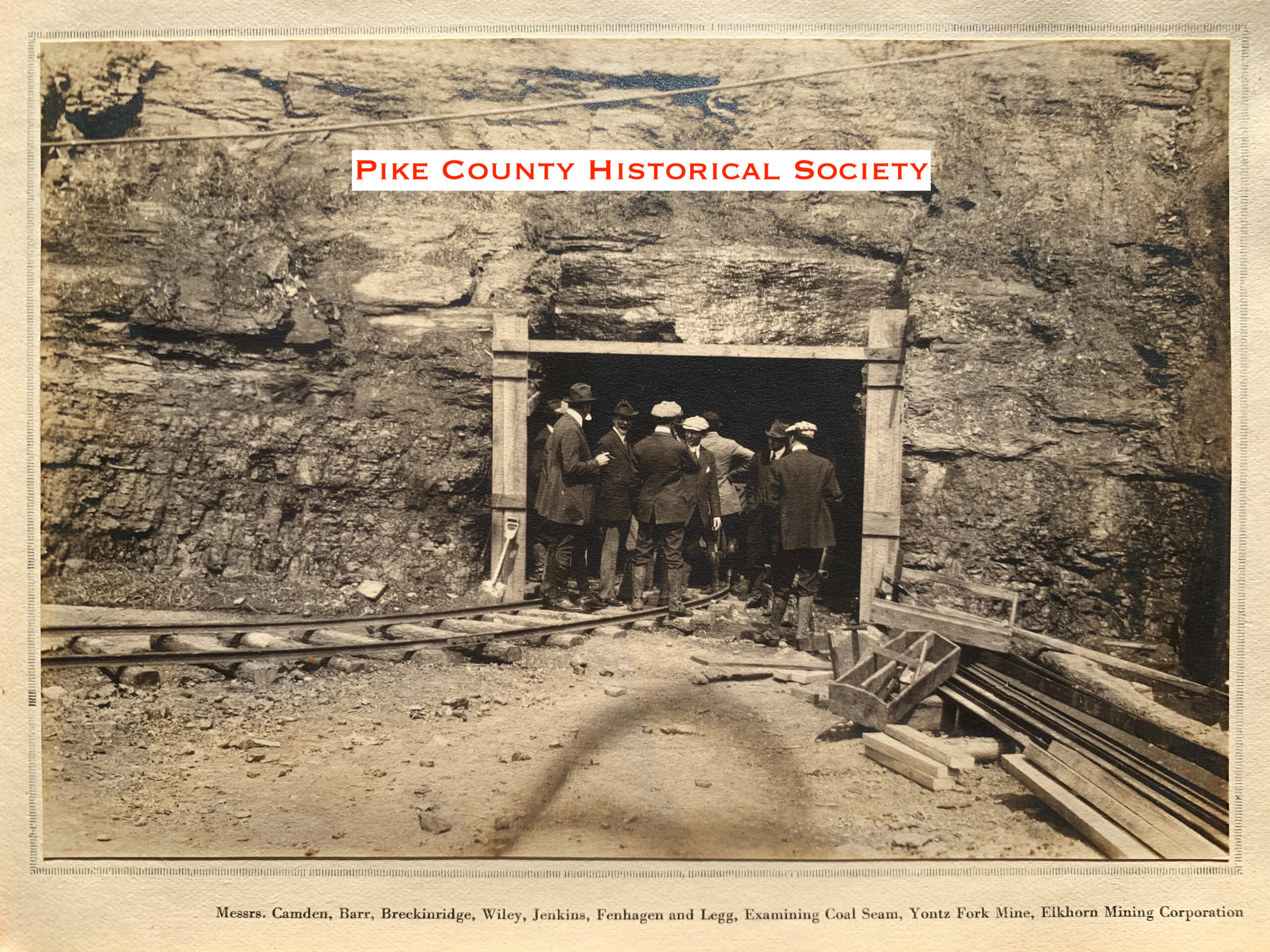
Mine -Tipple No. 301
301 Mine Drift Mouth Opening
Such demand has been in evidence for several years; in fact, the statement might be made that by-product ovens have not been erected in large numbers because a suitable coal has not been available.
The market for pure gas coal, such as the Elkhorn coal seam, covers a wide territory. The Middle West or the extreme West has no gas coal, and this coal has the shortest haul of any gas coal westward. It may be pointed out here that quality has a very decided influence on the value of coal at destination, particularly where long hauls are considered. If Elkhorn coal seam has an advantage of from four to five per cent. in quality over ordinary gas coal, this advantage is multiplied as the distance increases. For instance, at approximately 175 miles distance from the mines the value of the coal is double to that of the coal at the mines; at twice this distance, or 350 miles, it is three times, and so on. It is evident that the consumer is aware of this, and at a distance of some 500 miles the consumer can still pay 25 to 30 cents per ton more for such coal, and still leave profit to himself. This is all due to the fact that it costs money to transport dead-weight, which, in the case of coal, is excess ash. Elkhorn coal seam contains a minimum of ash.
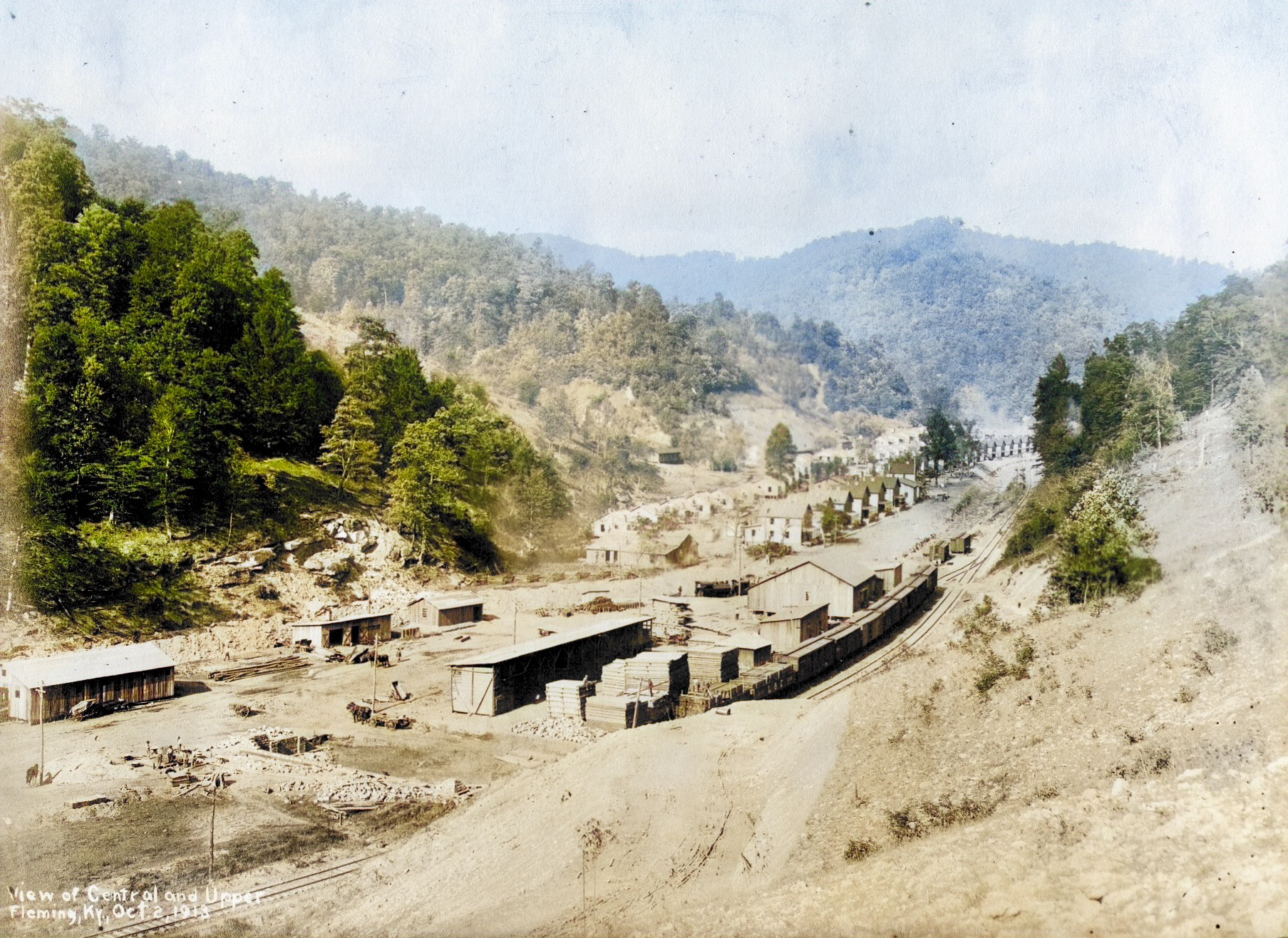
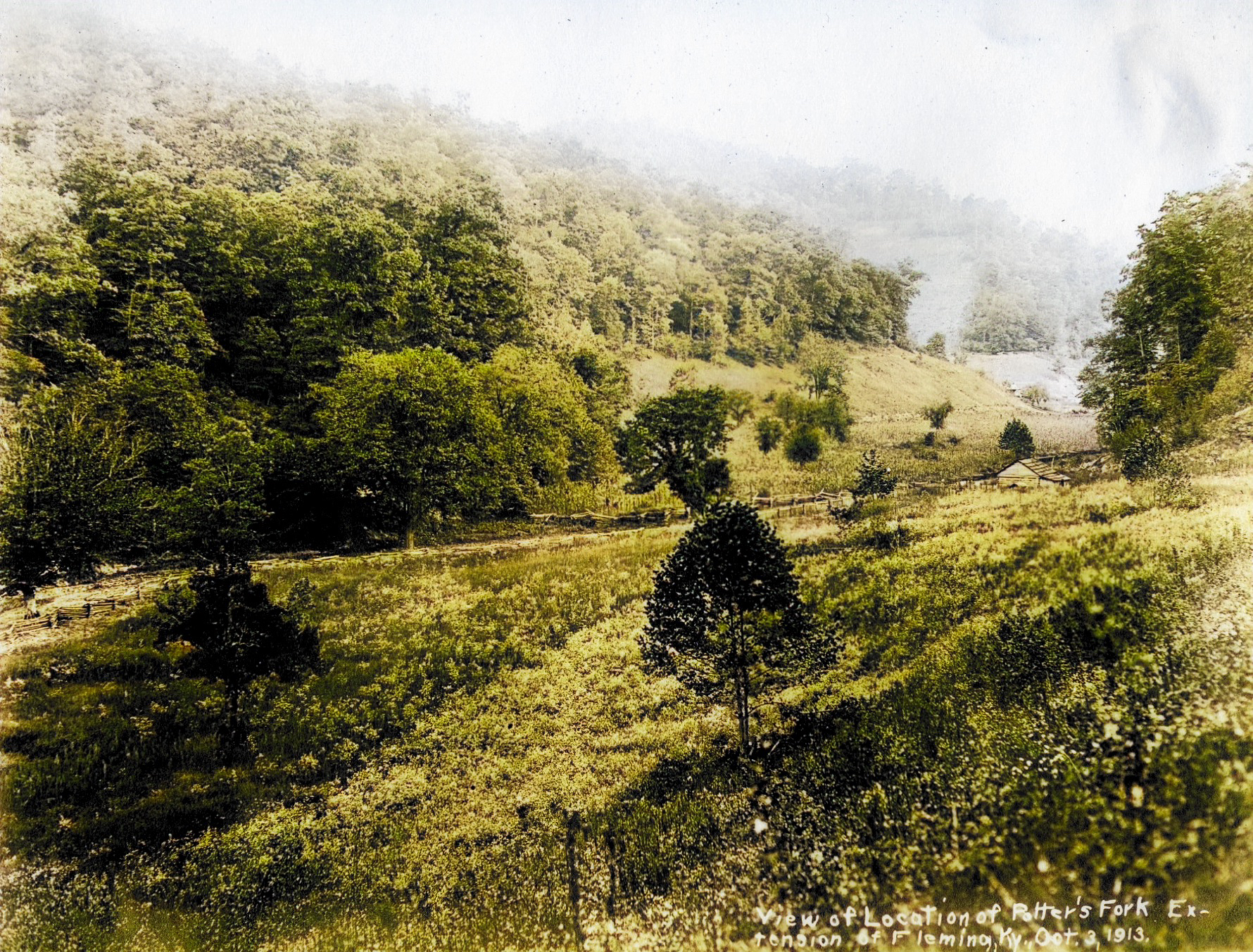
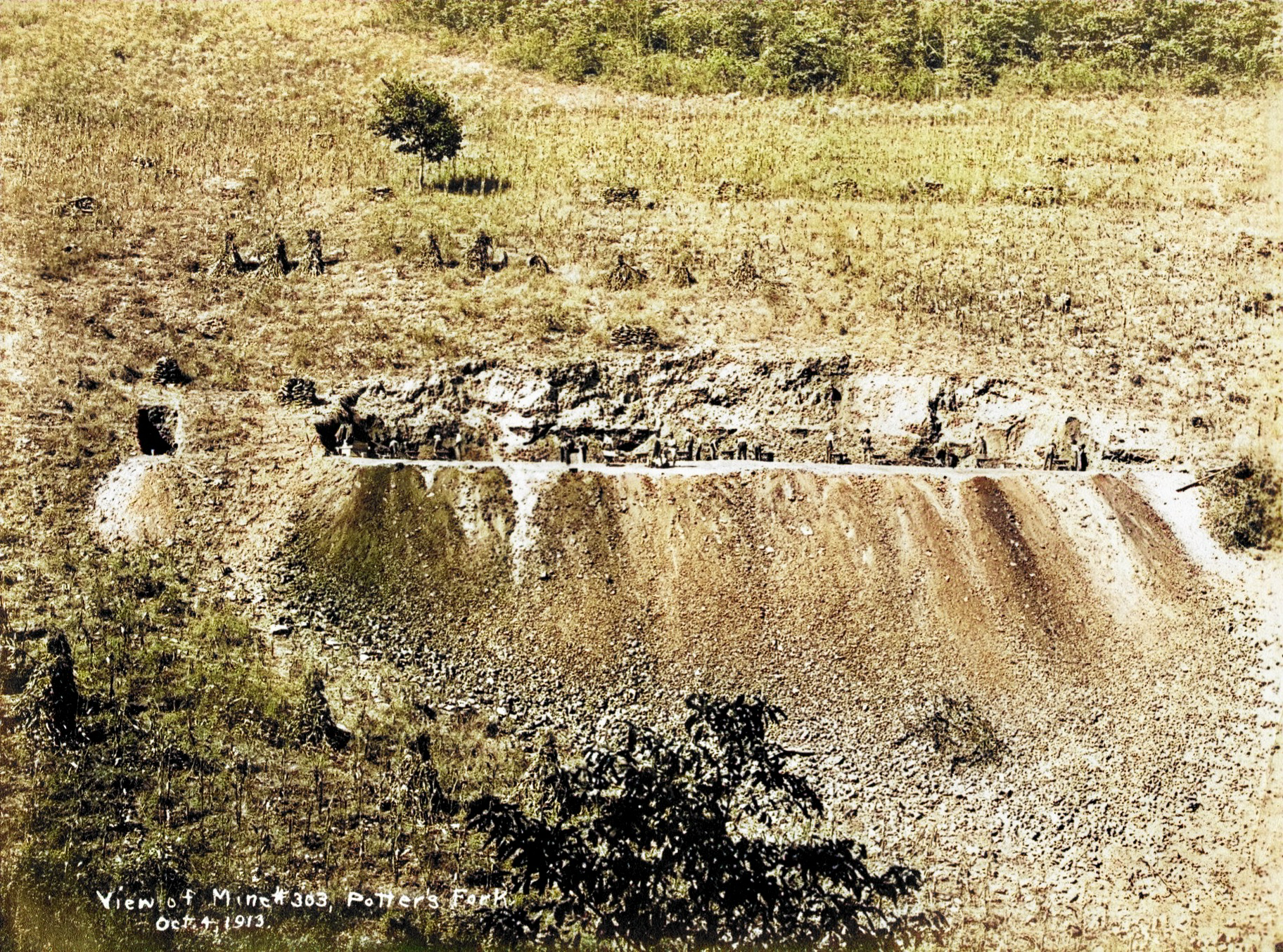
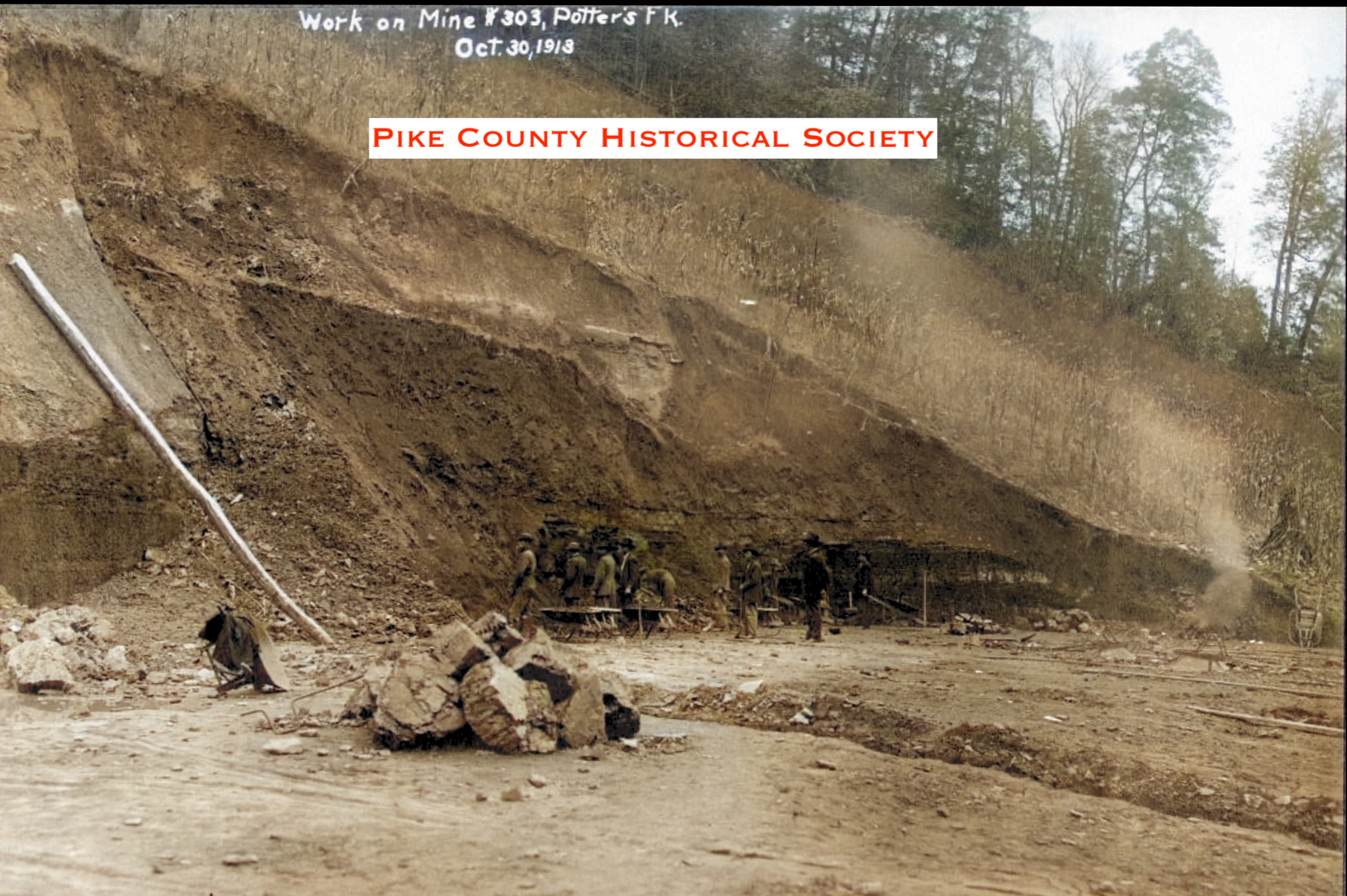
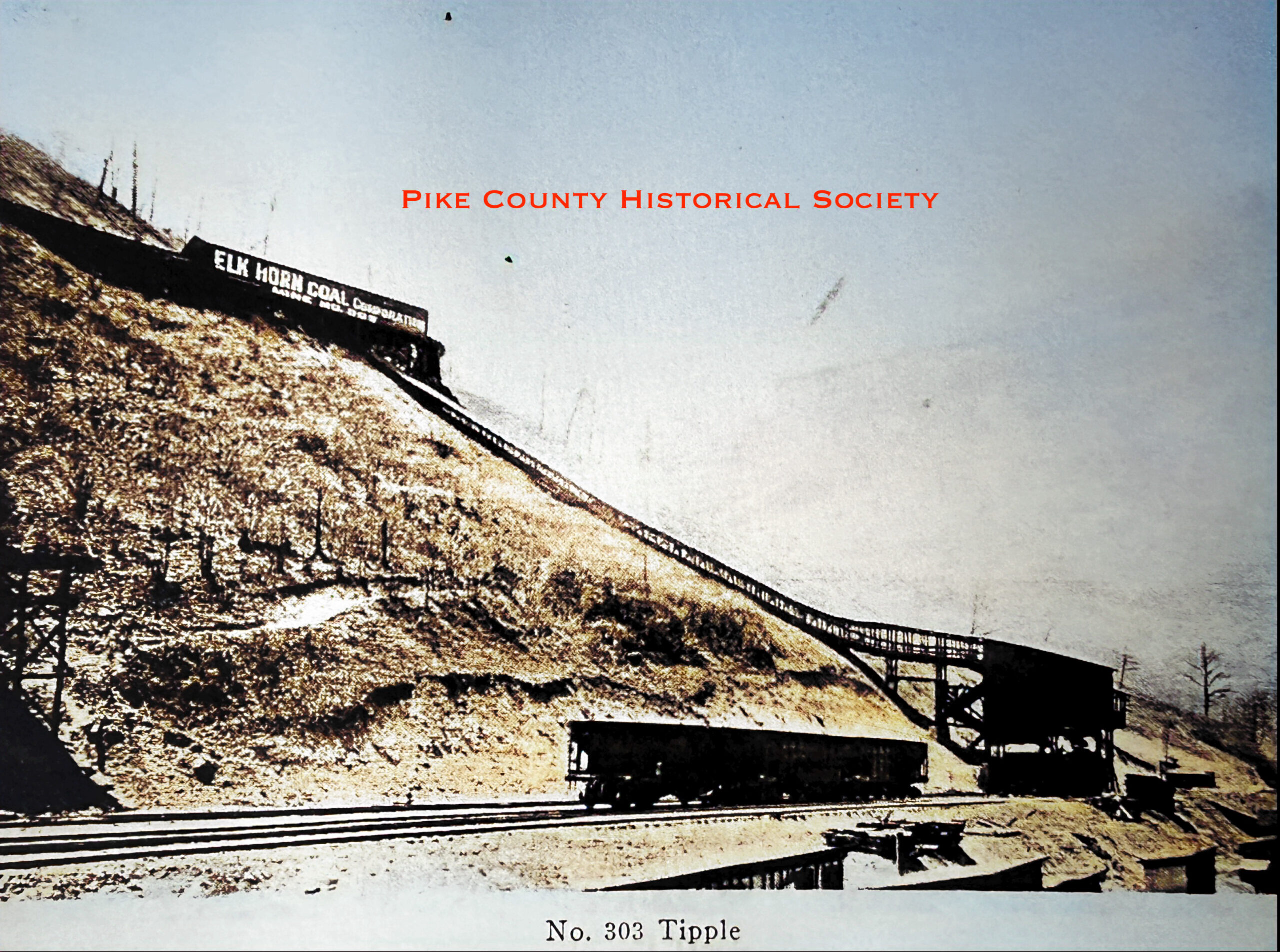
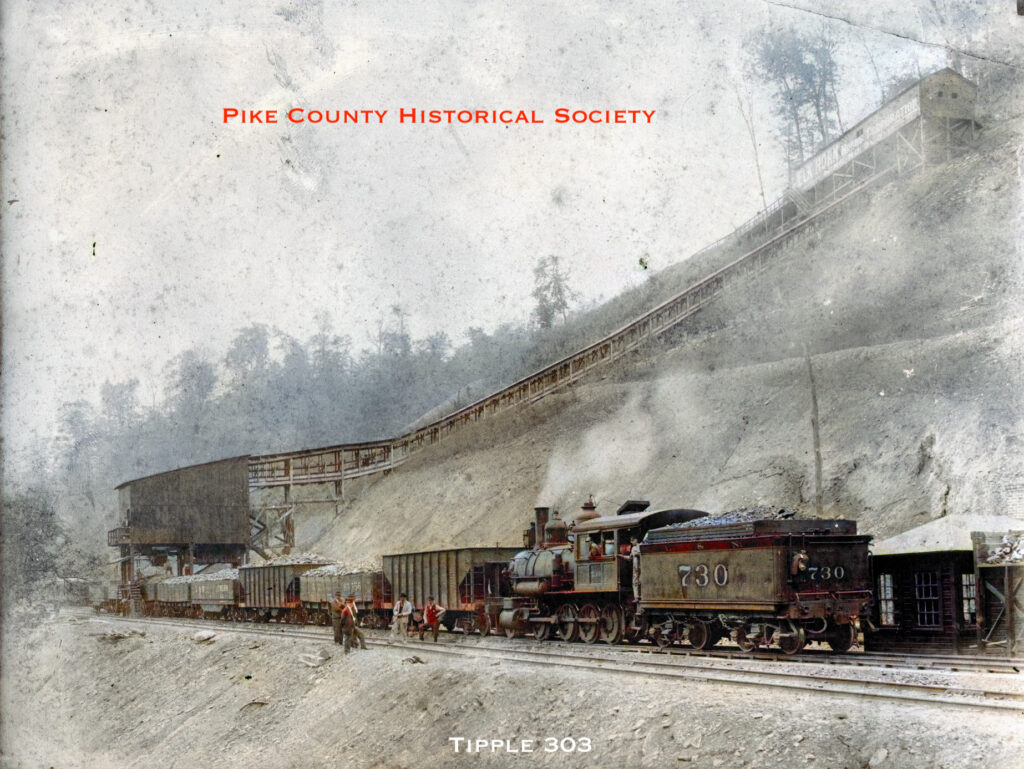
Mine Site 303
Houses at Haymond on a Frosty Morning
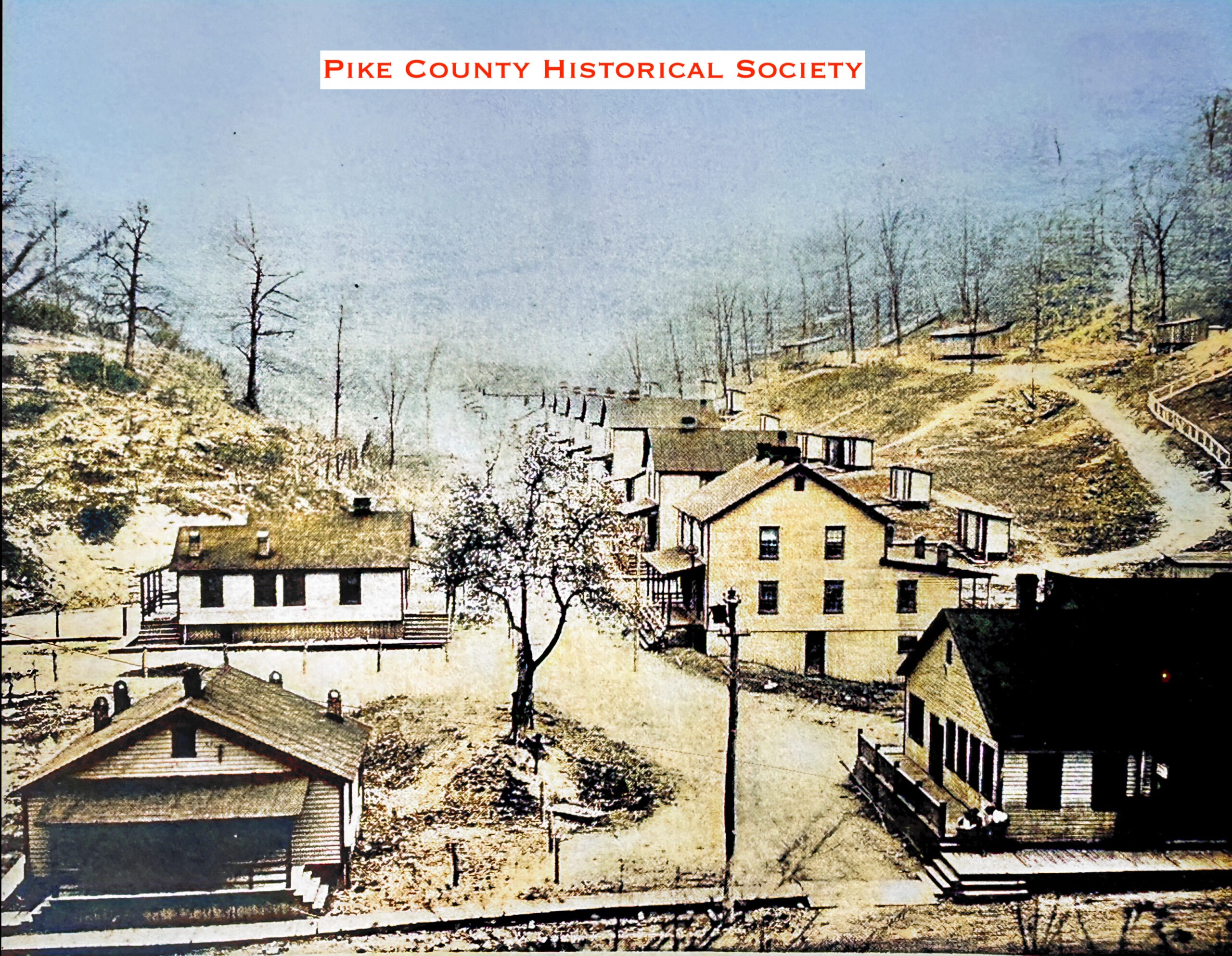
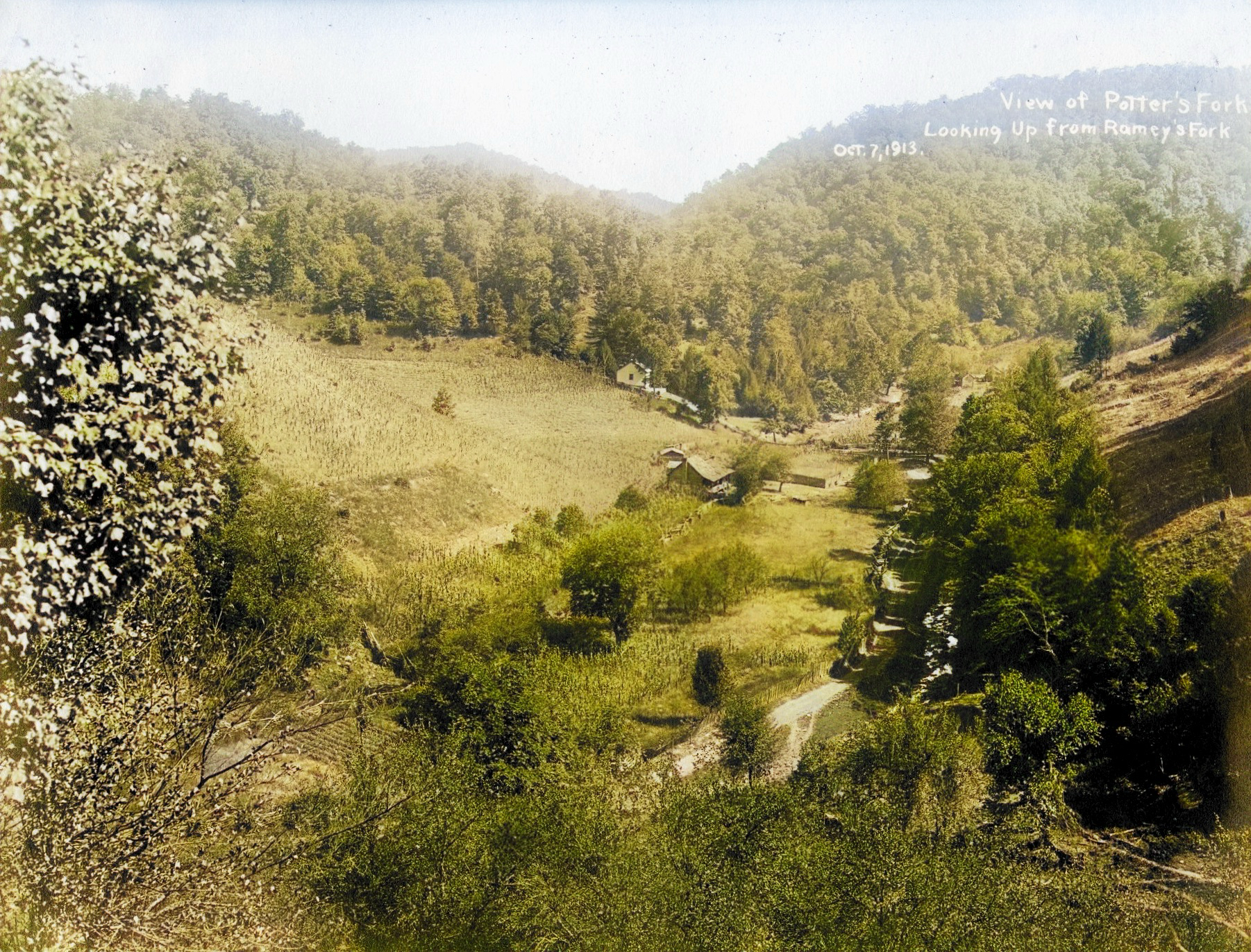
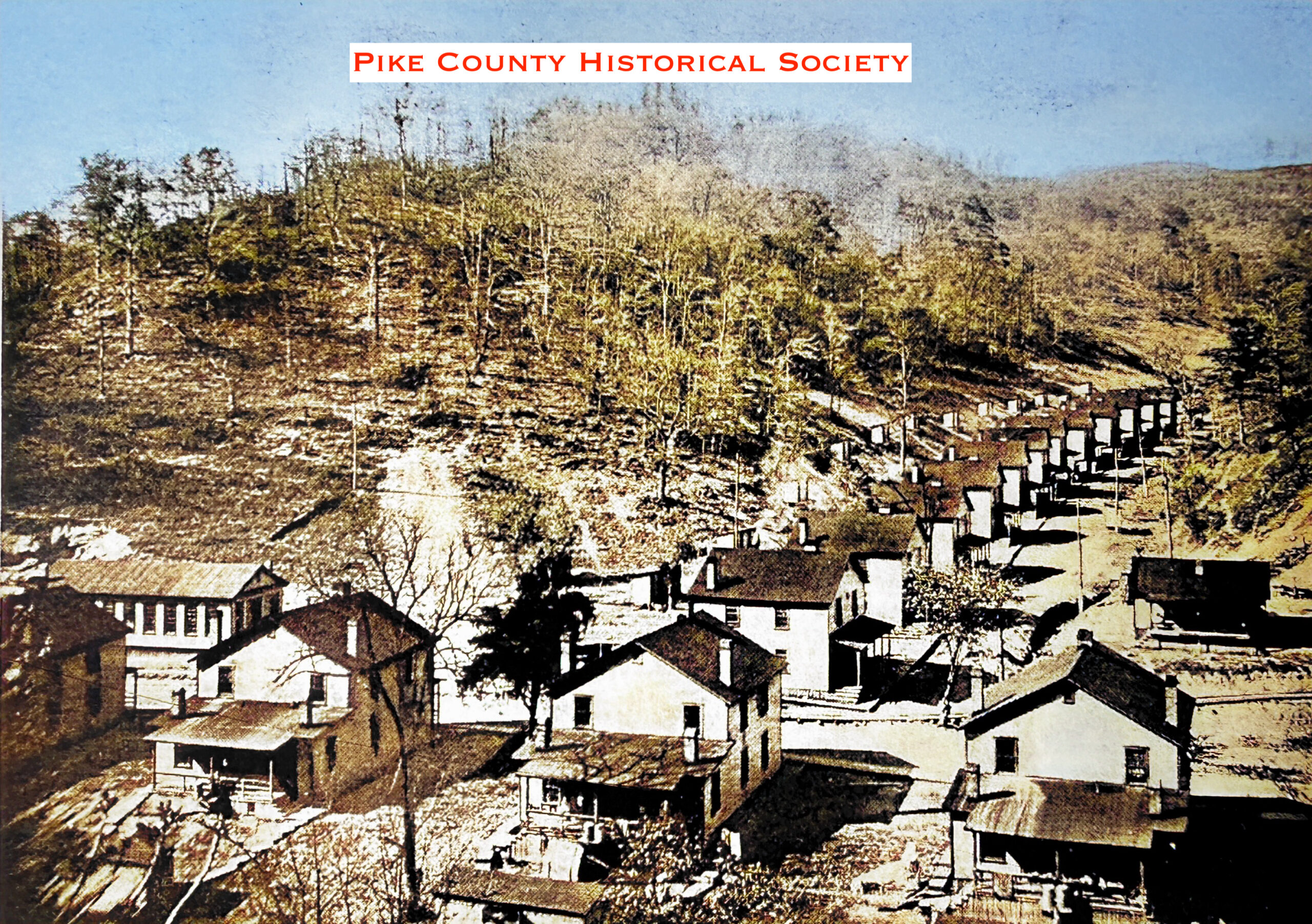
Haymond looking up Polly Potter Branch
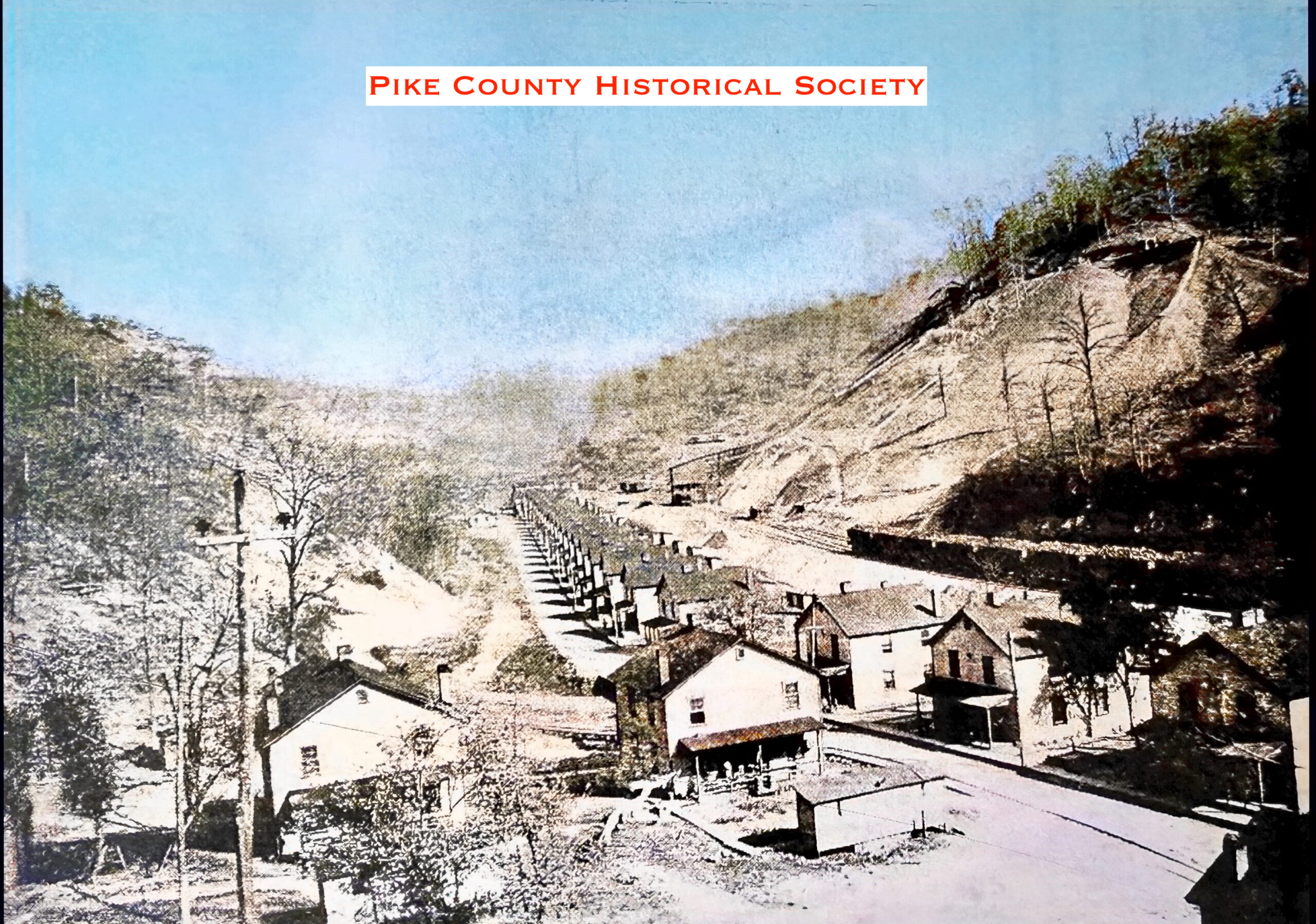
Haymond, main Potter Fork looking Mine at No. 304
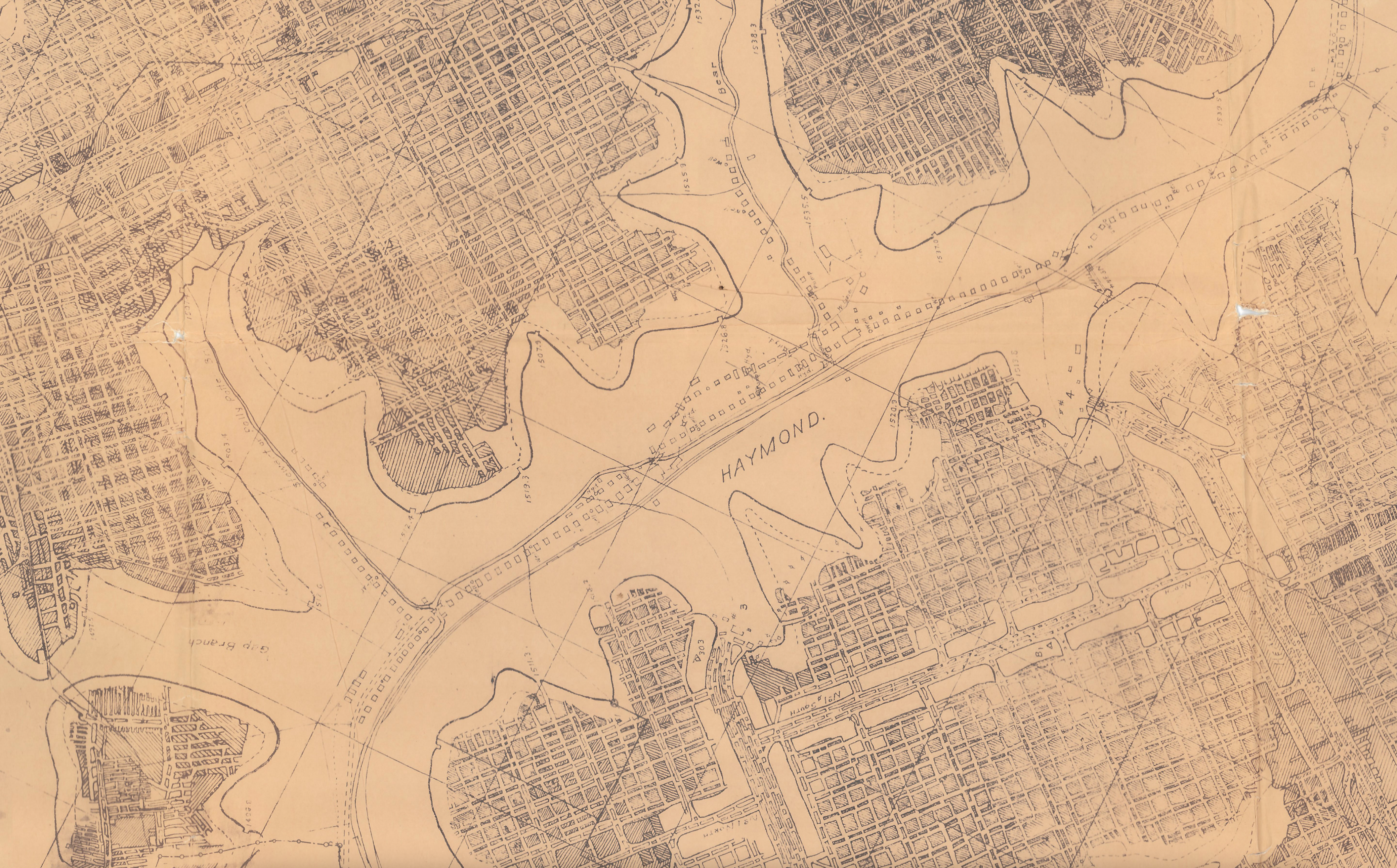
Haymond Map
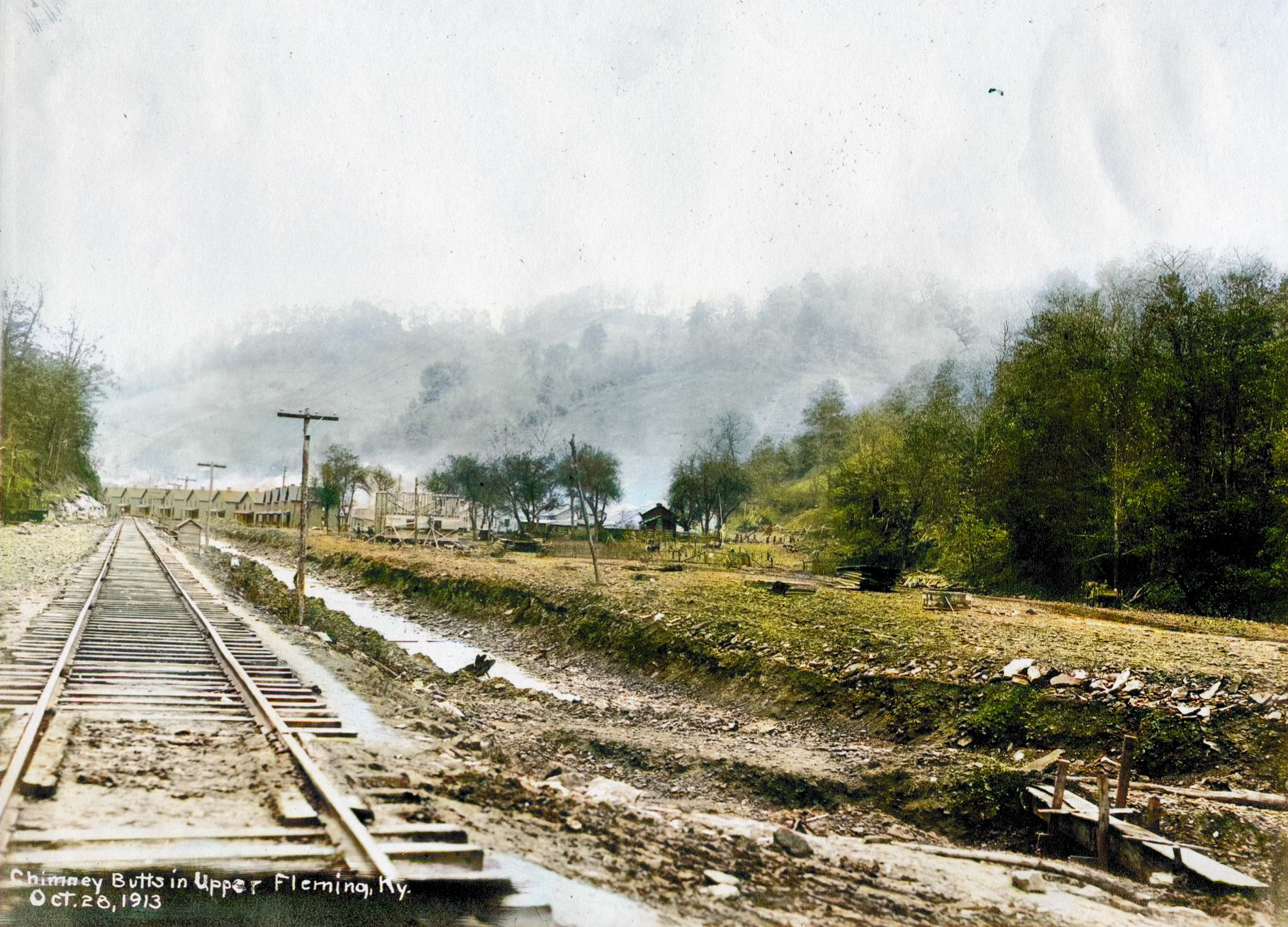
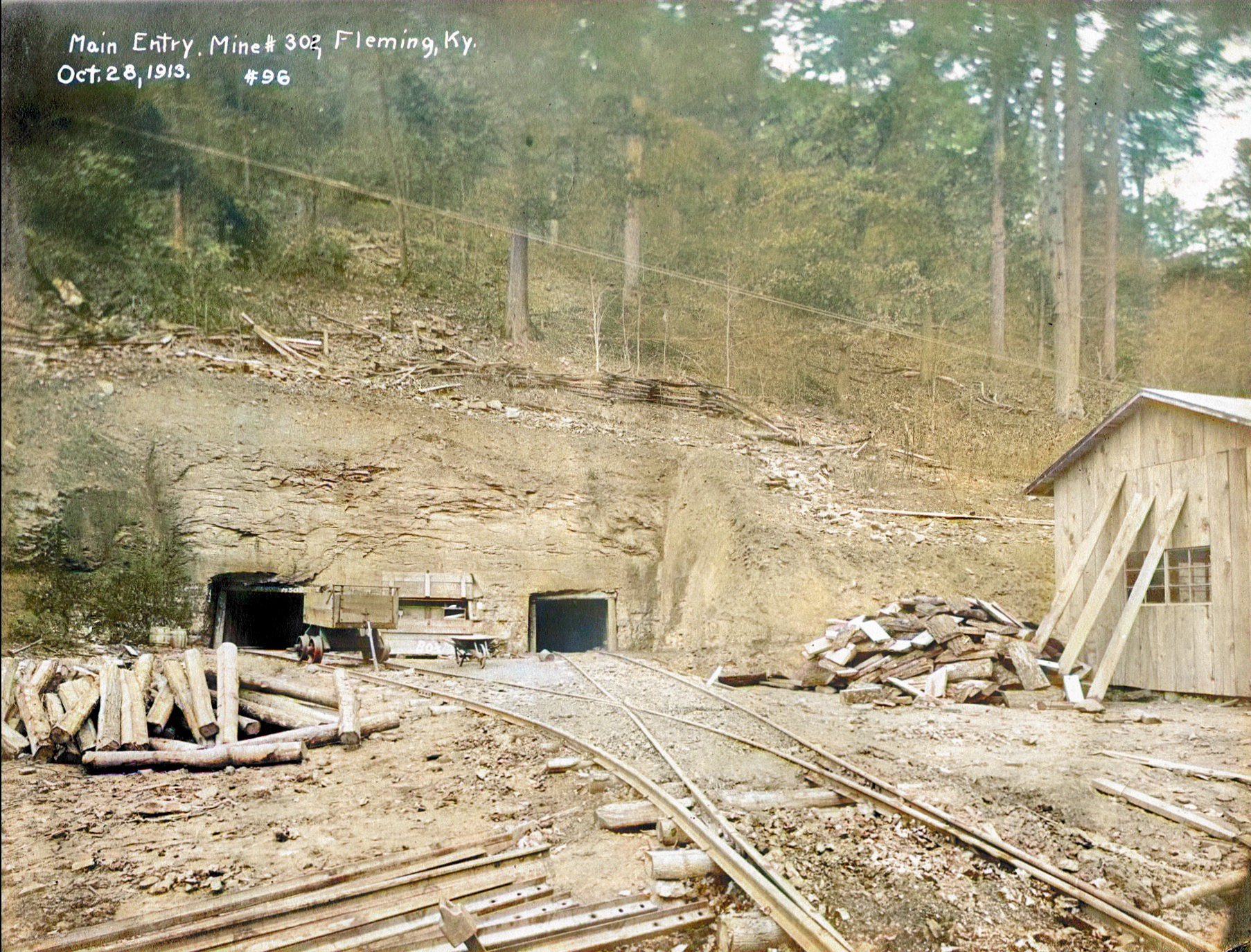
When Elk Horn Fuel and Elk Horn Mining (including Mineral Development Co.) merged in 1915 to form Elk Horn Coal Corporation, there were already 18 mines in operation – seven in the Wayland Division, seven in the Fleming Division, and 4 in the Wheelwright Division. The total capital stock of Elk Horn Coal upon completion of the merger was $27,045,000. On November 30, 1915, just 12 days after its birth, Elk Horn Coal acquired all the property of Elk Horn Fuel and Elk Horn Mining including all mining camps and apurtenant mine works and equipment, the 205,452 acres of land they jointly controlled, and an option to buy 50,000 acres more from Beaver Creek Consolidated Coal.
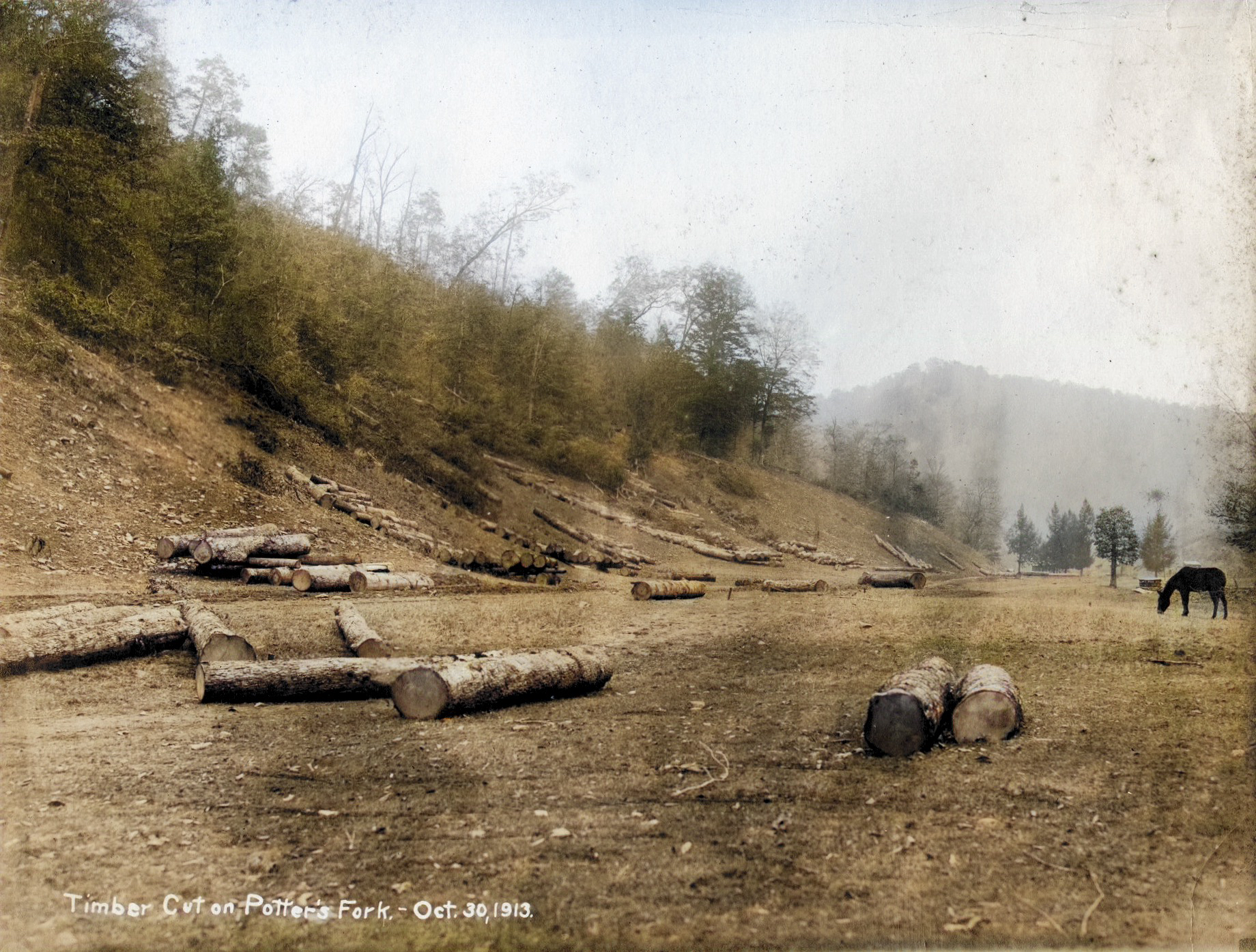
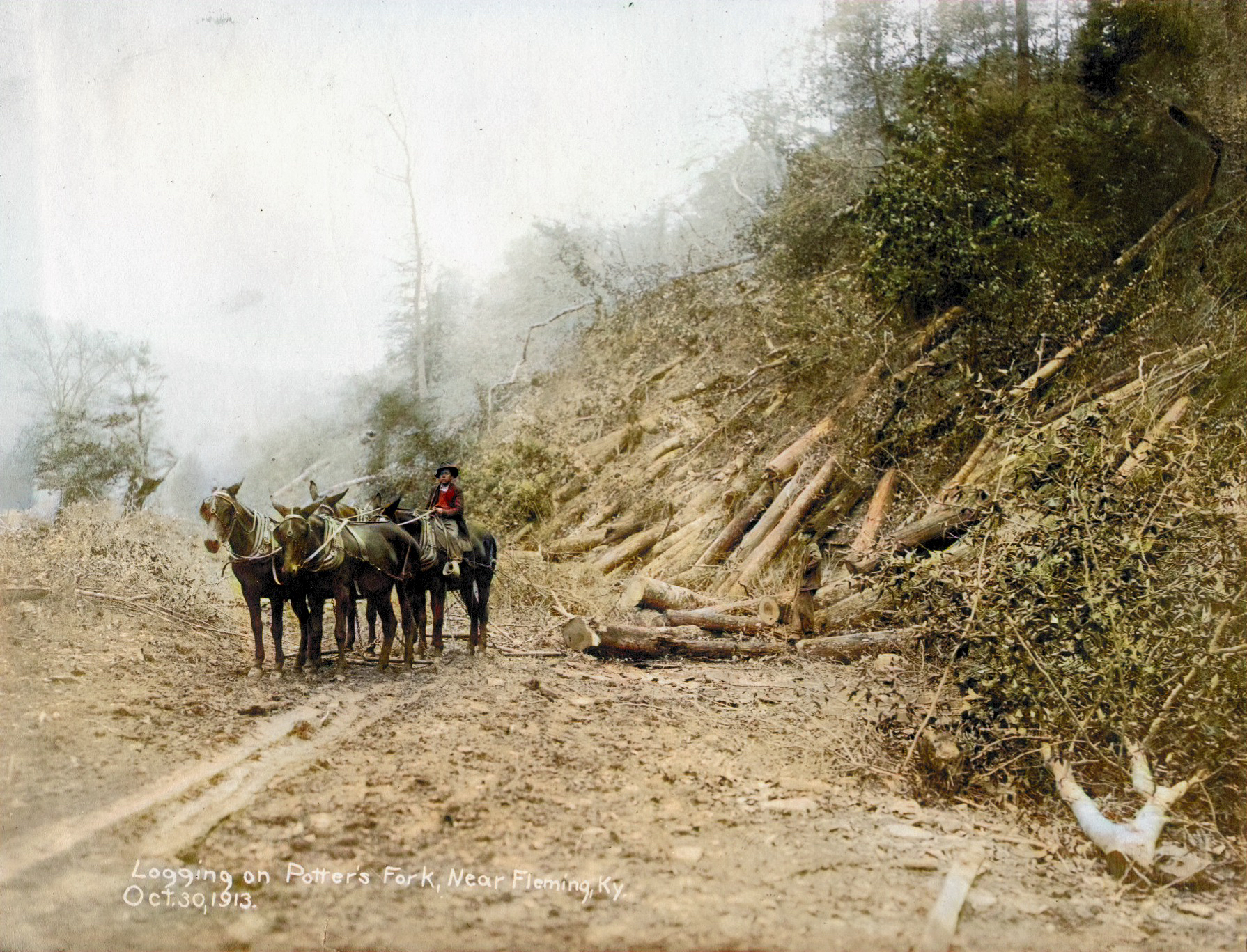
Logging on Potter’s Fork
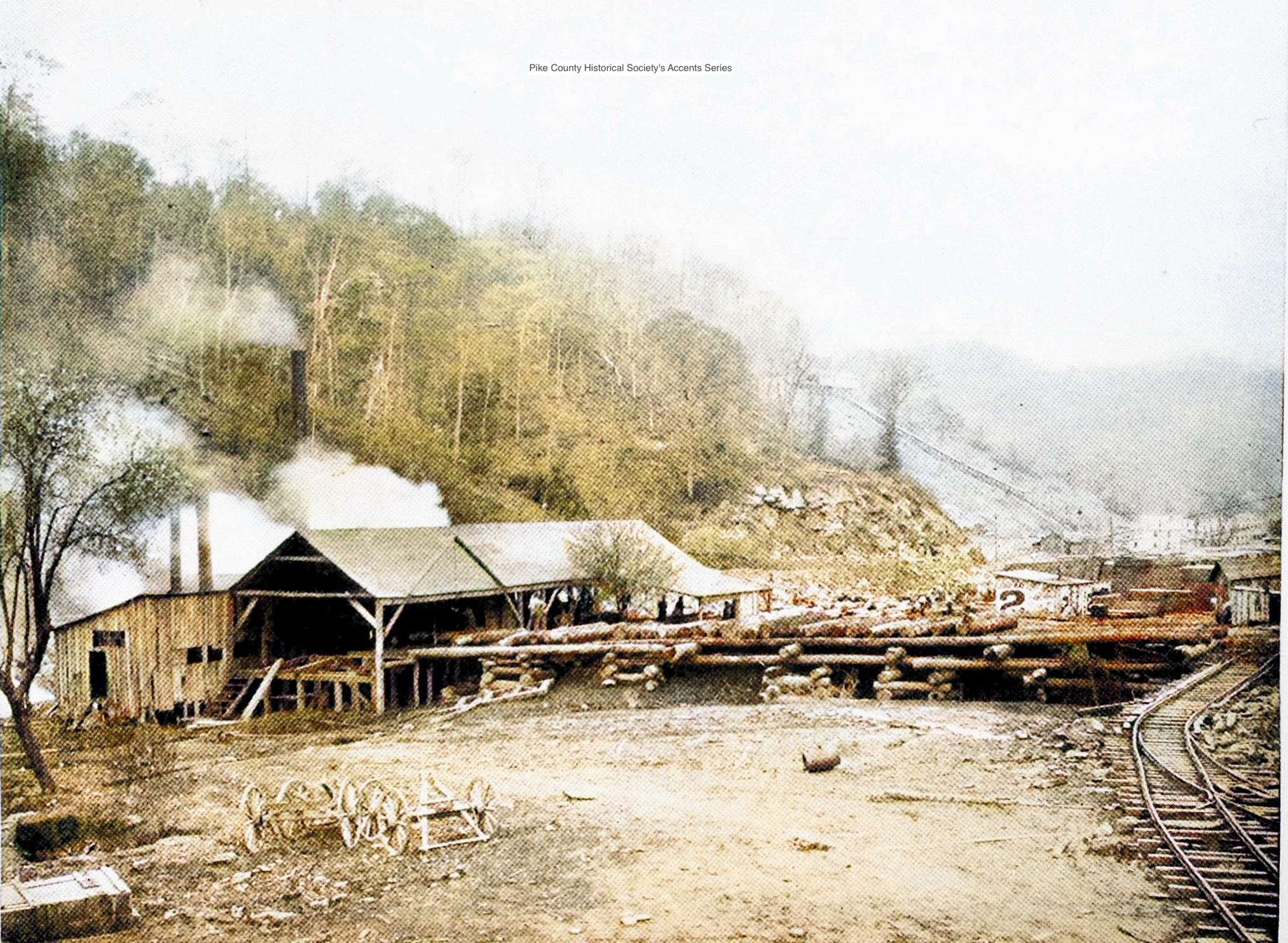
Sawmill had a capacity of 30,000 feet per day
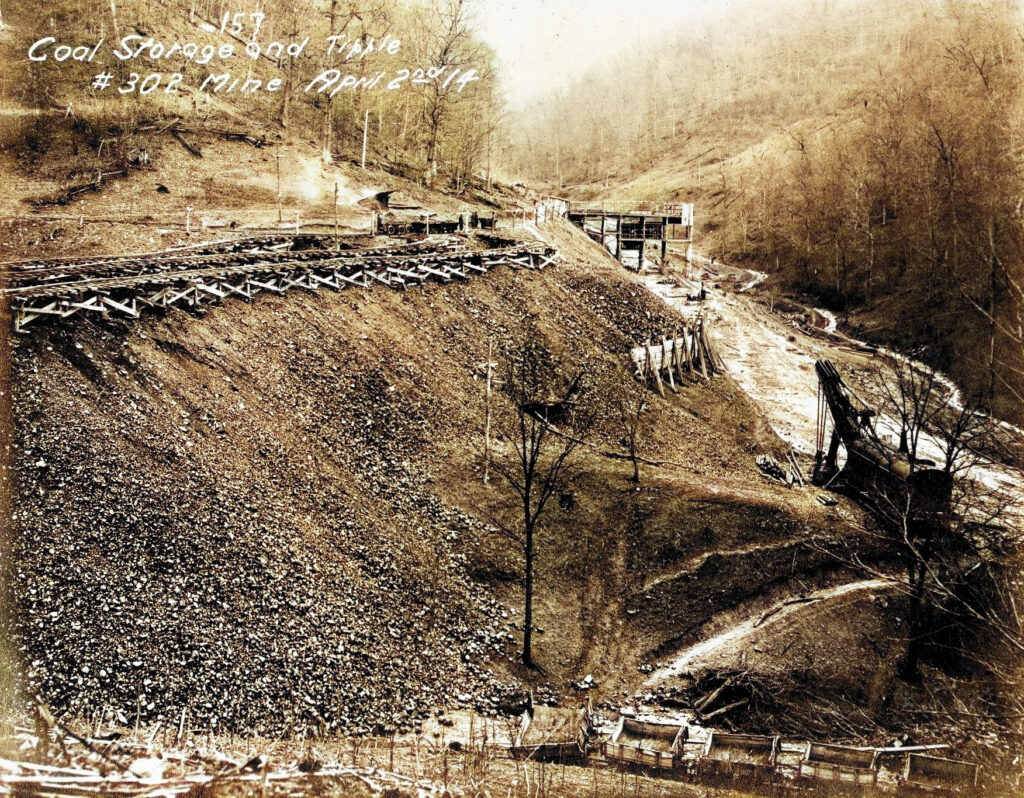
It has been the general experience that a mine, once started, can increase its output ten per cent. per month where railroad facilities are available. This statement will hold good of the operations on Kentucky River waters, but will be somewhat reduced in the lower coal of the Beaver Creek region.
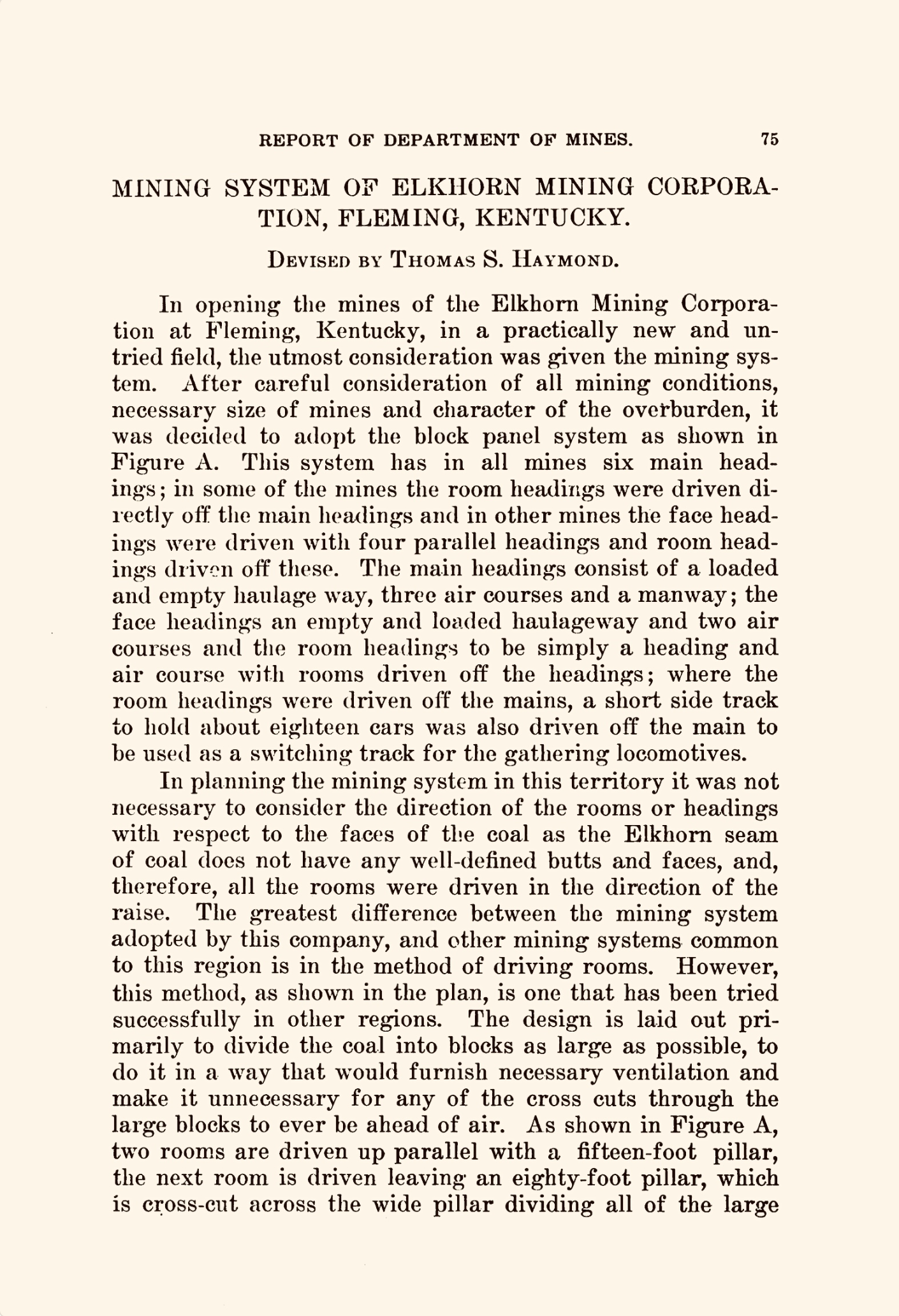
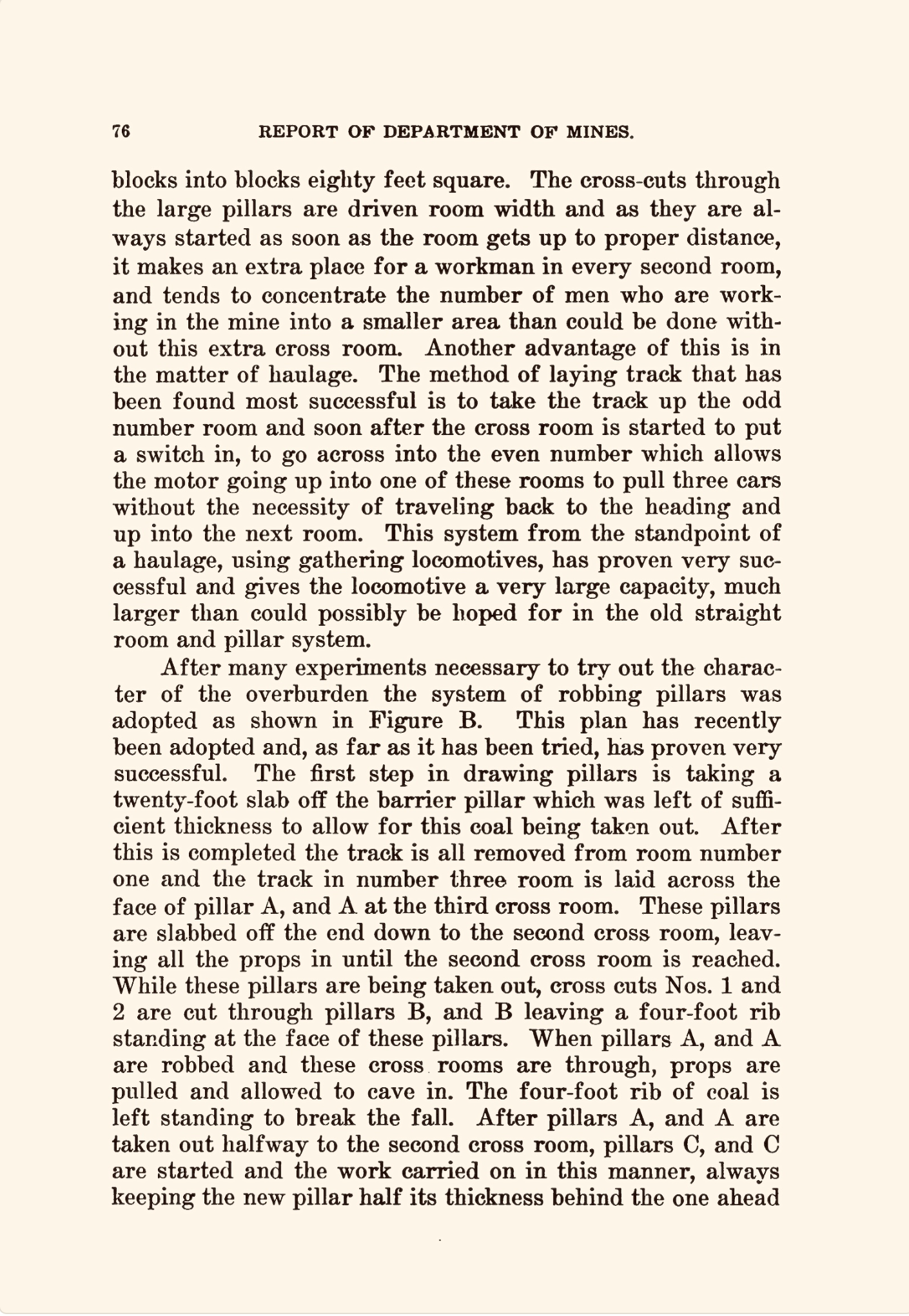
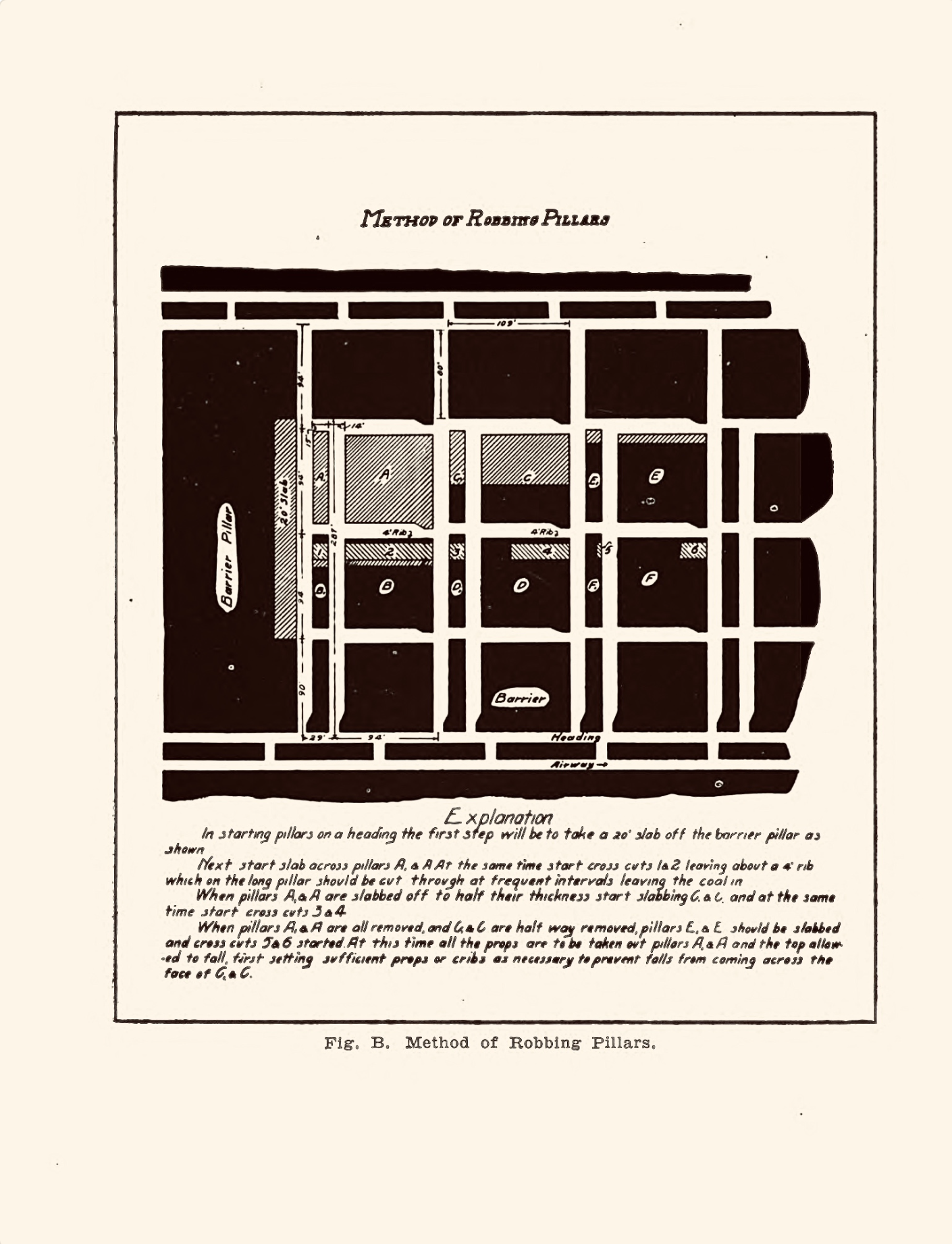
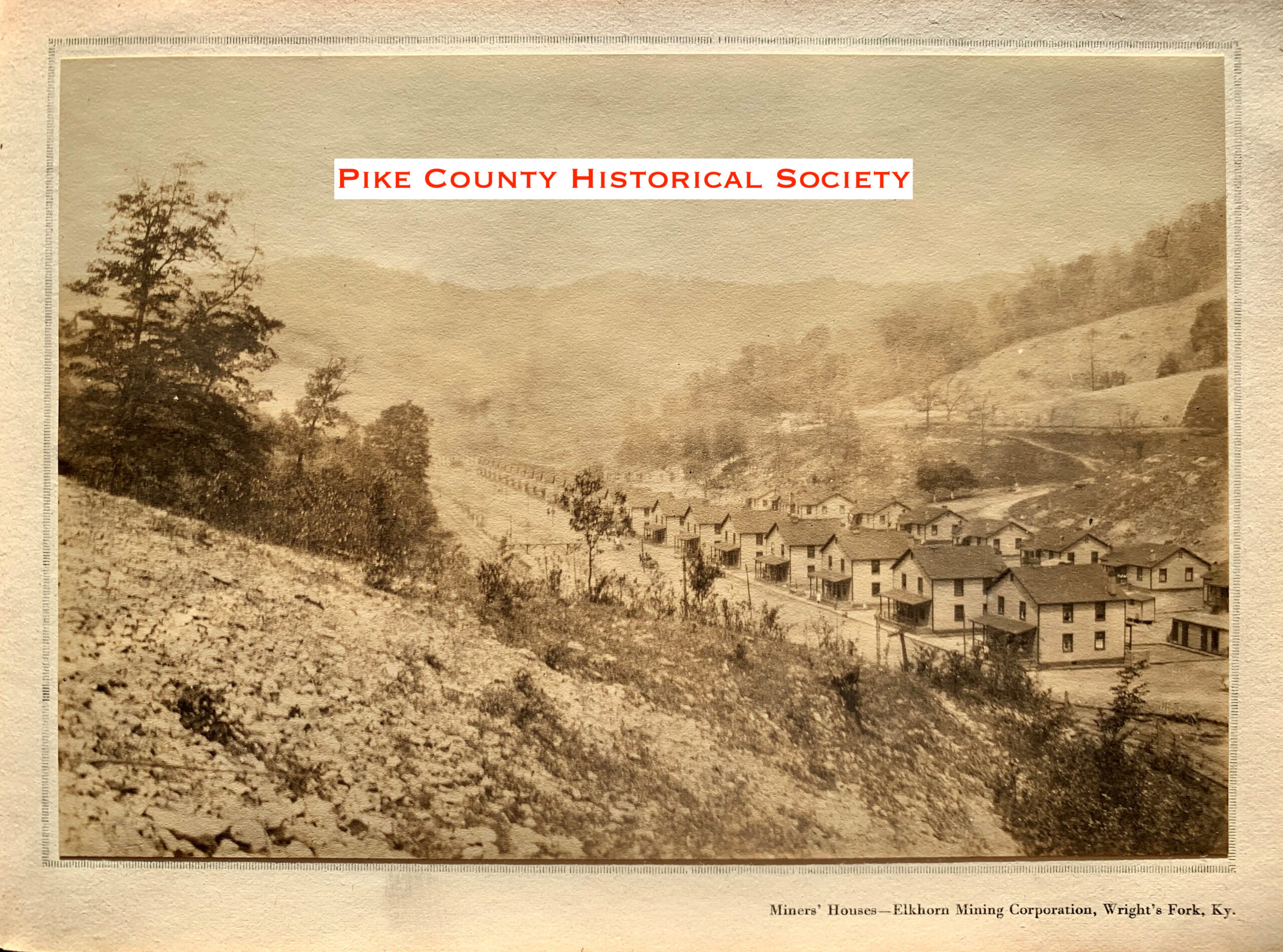
The Elk Horn Mining Corporation started its development in June, 1913; since that time it has practically expended $1,700,000 in tenement houses, tipples and plant equipments, and is now shipping coal to the market. The Company has contracted for 1,000 houses, the majority of which are completed and occupied.
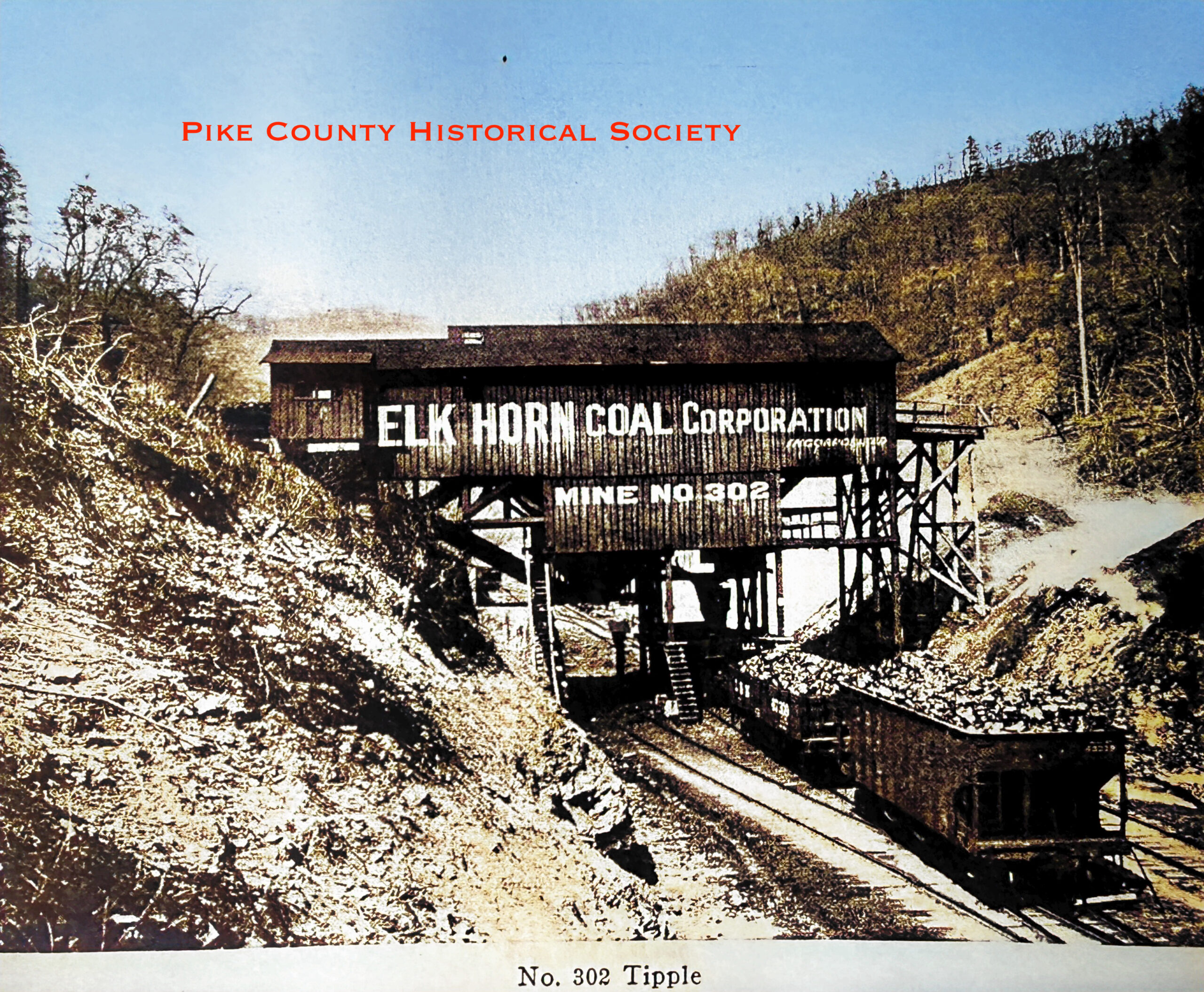
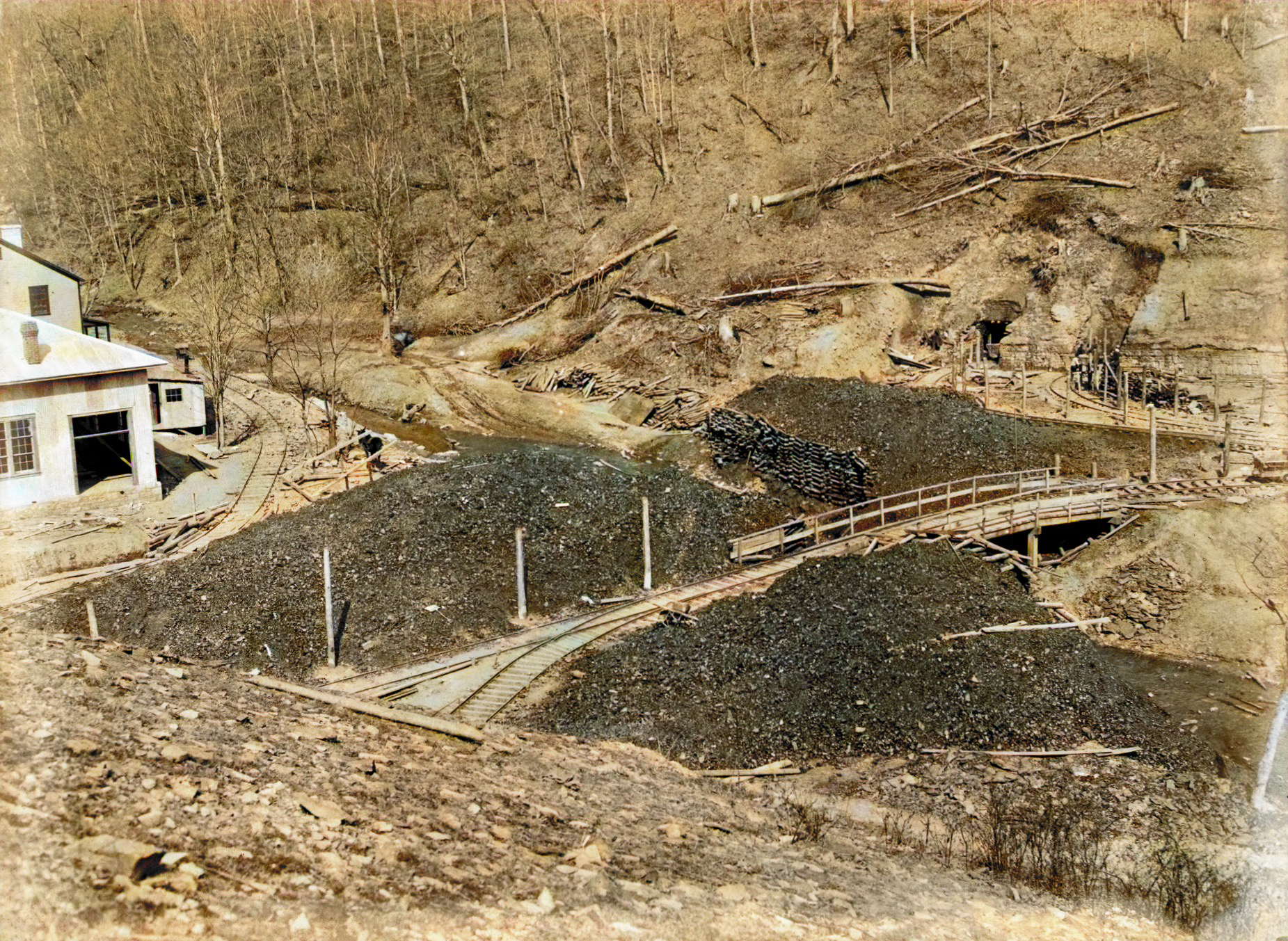
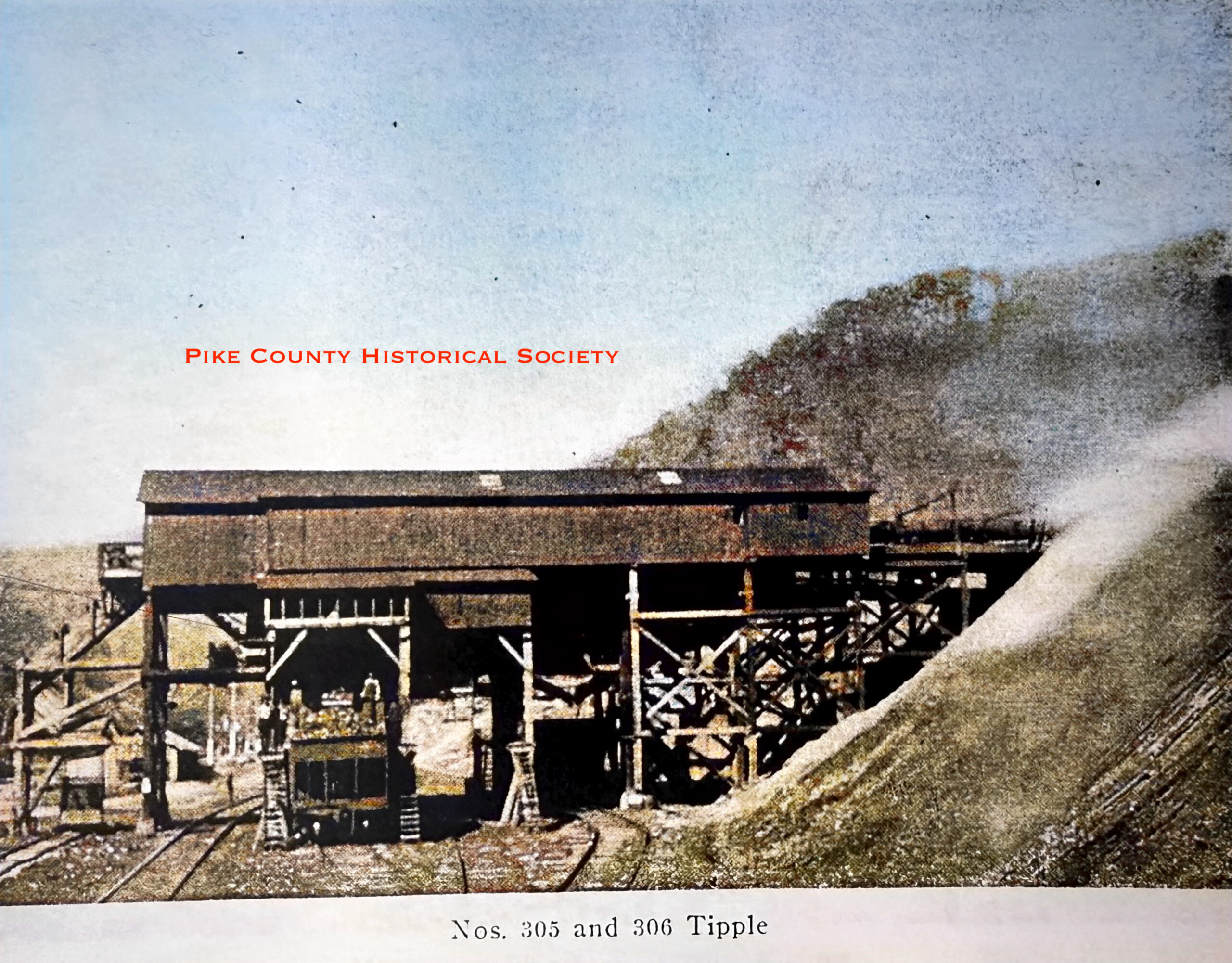
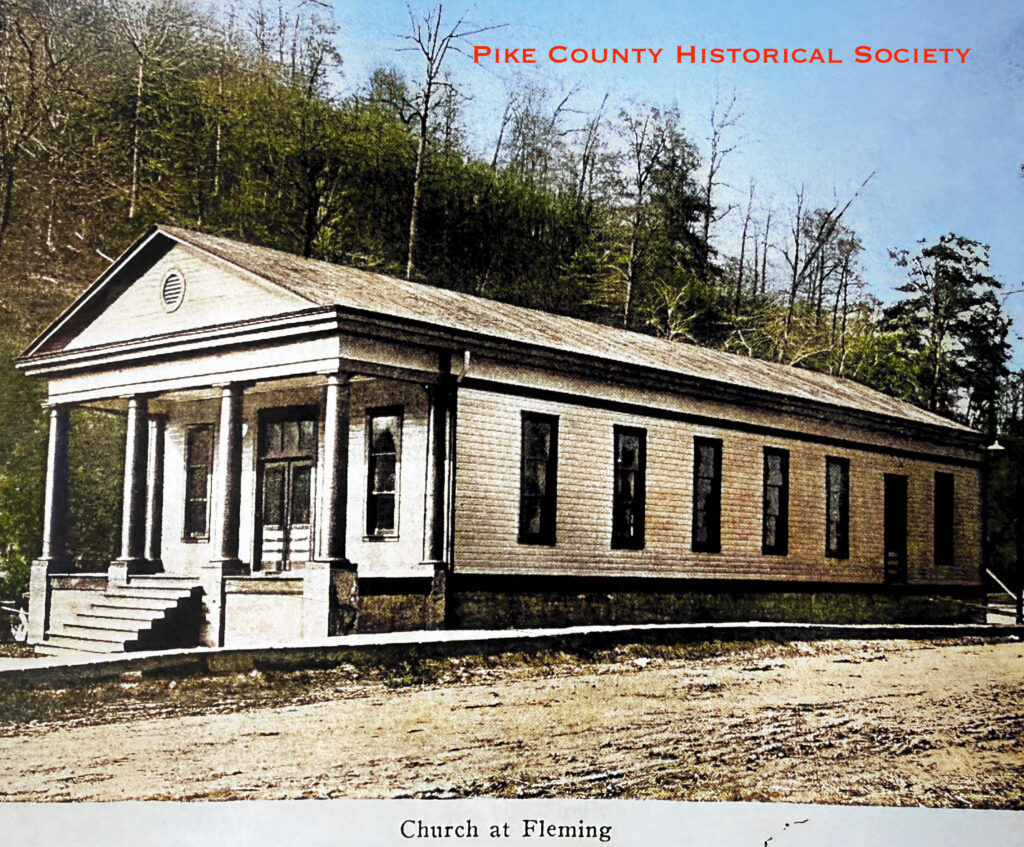
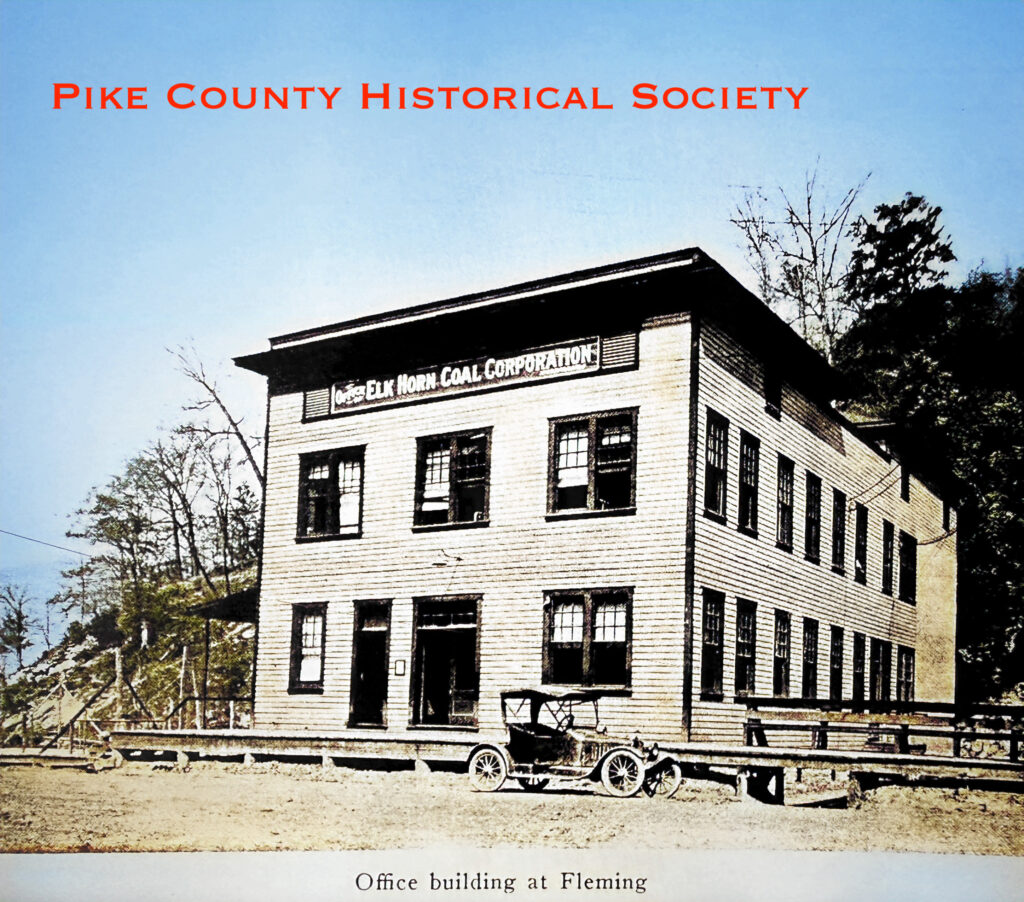
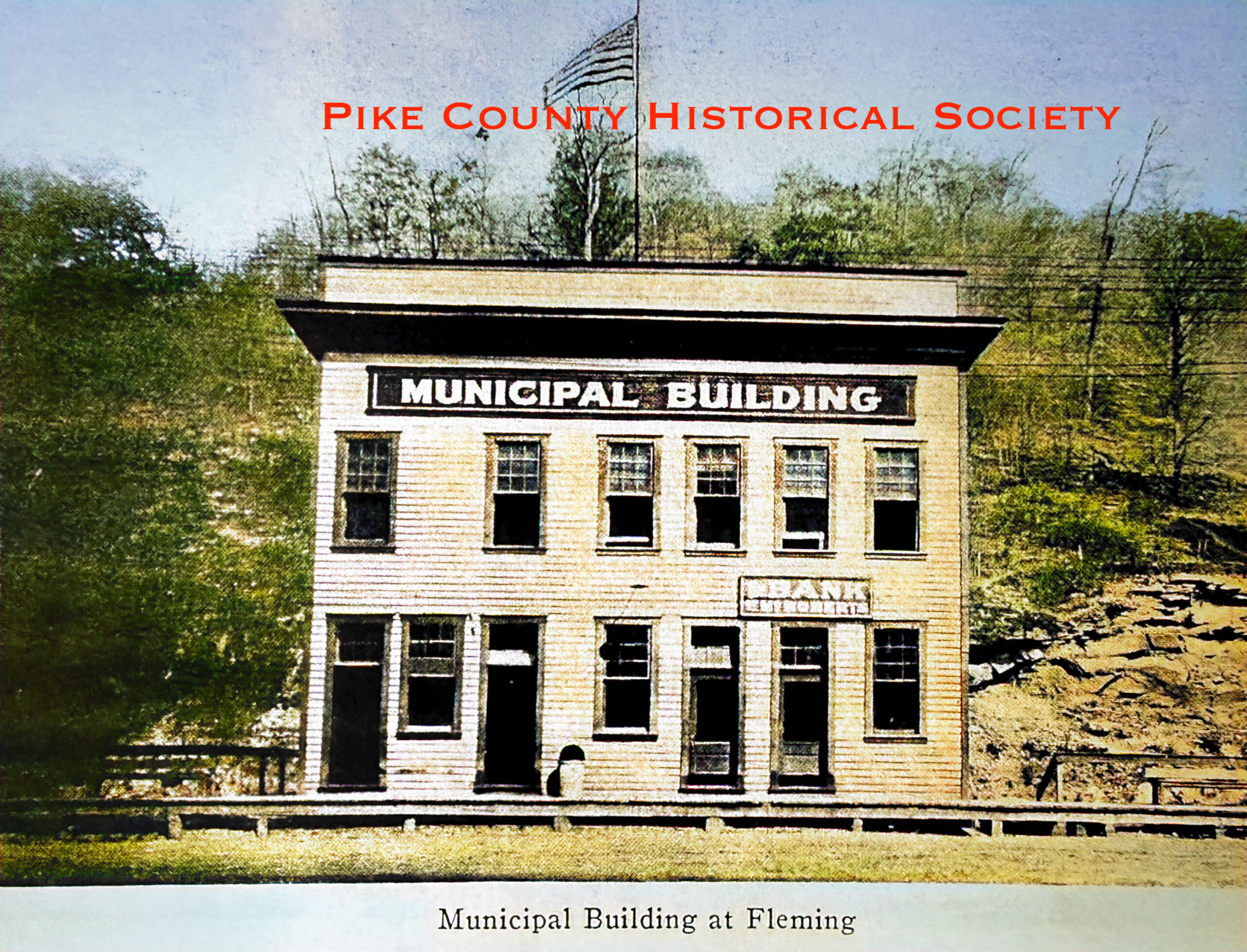
Office buildings, hotels and various other buildings have been and are being erected in order to carry on the work. Twelve tipples are under contract, the majority of which have been completed. These twelve tipples will handle the coal from thirteen mines.
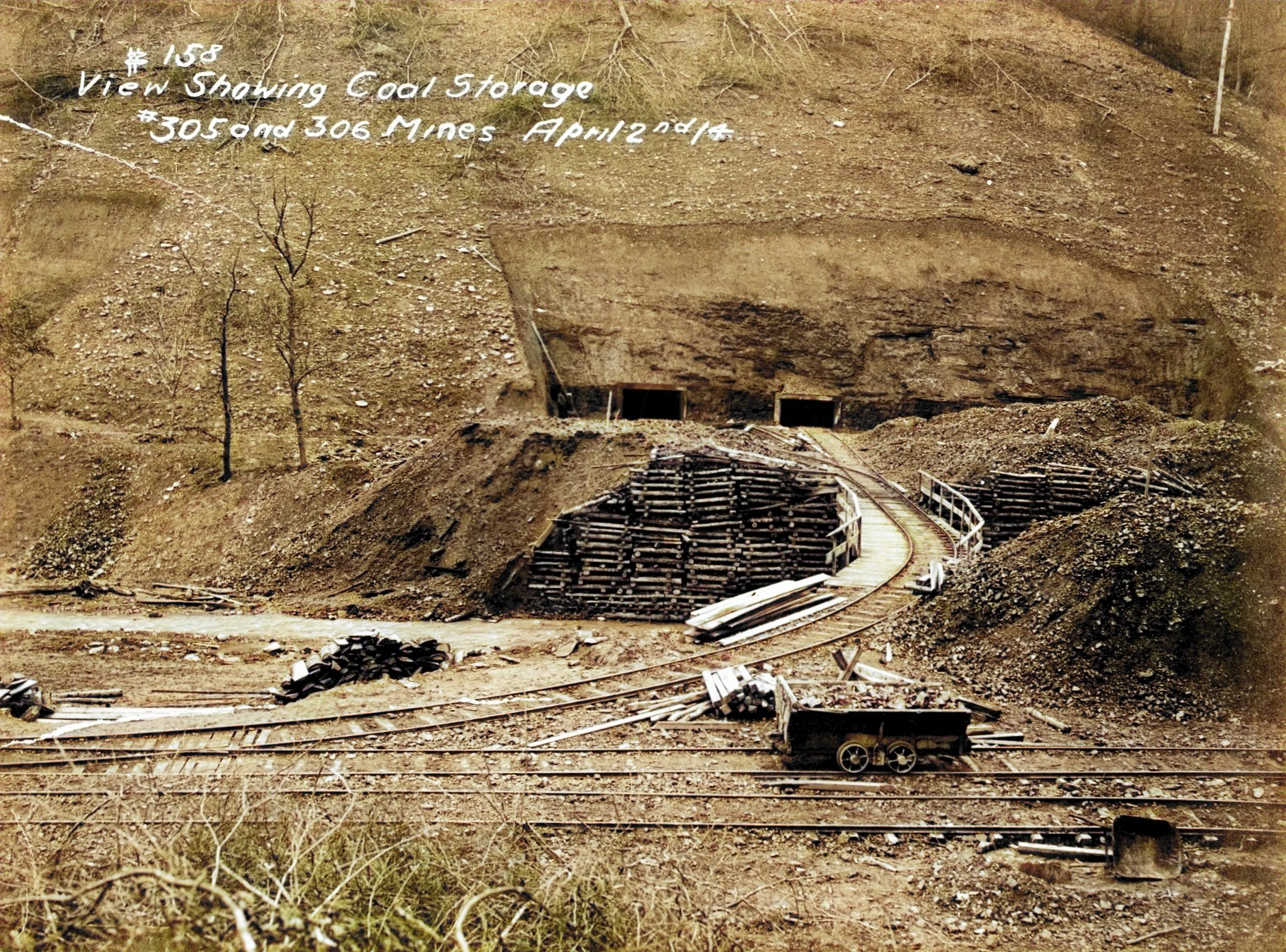
305 Right – 306 Left

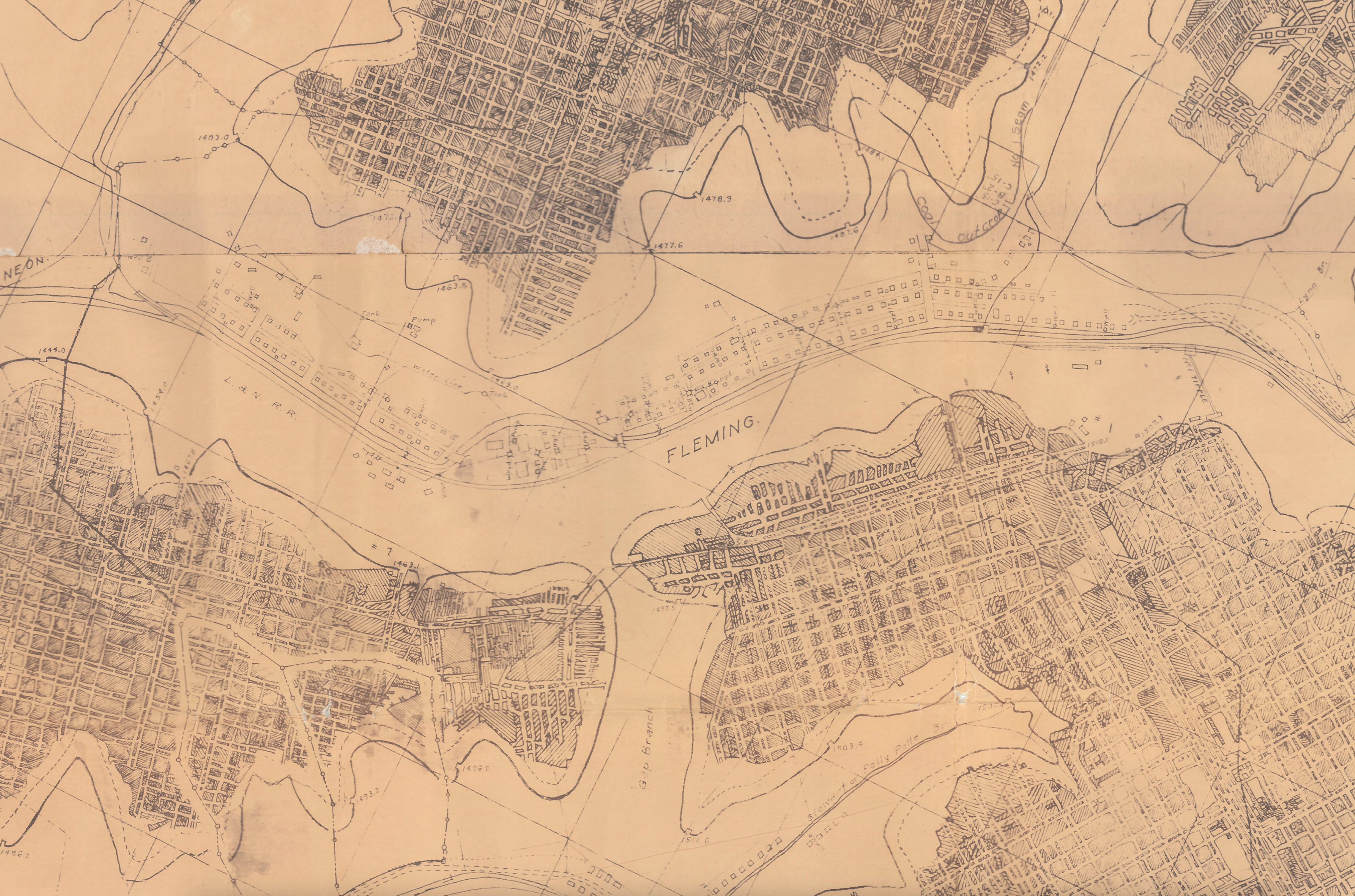
Fleming Map
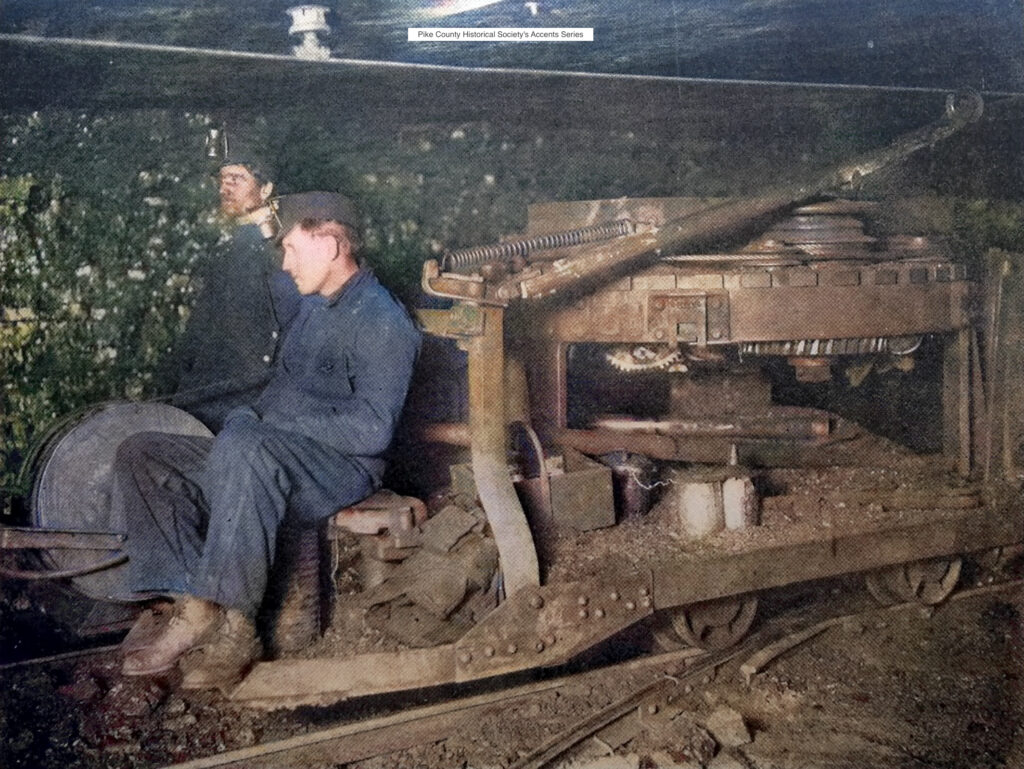
Elk Horn Mining Company
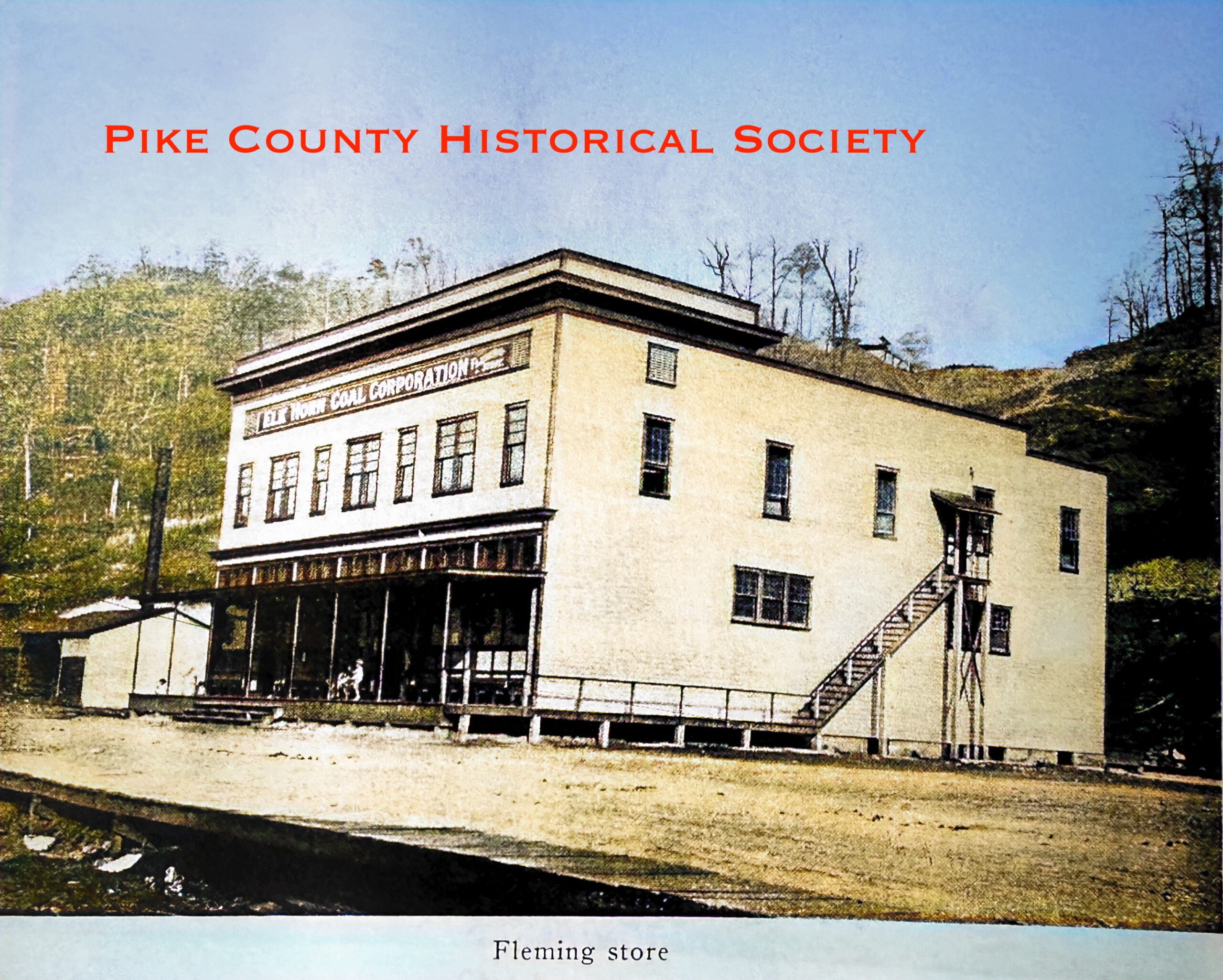
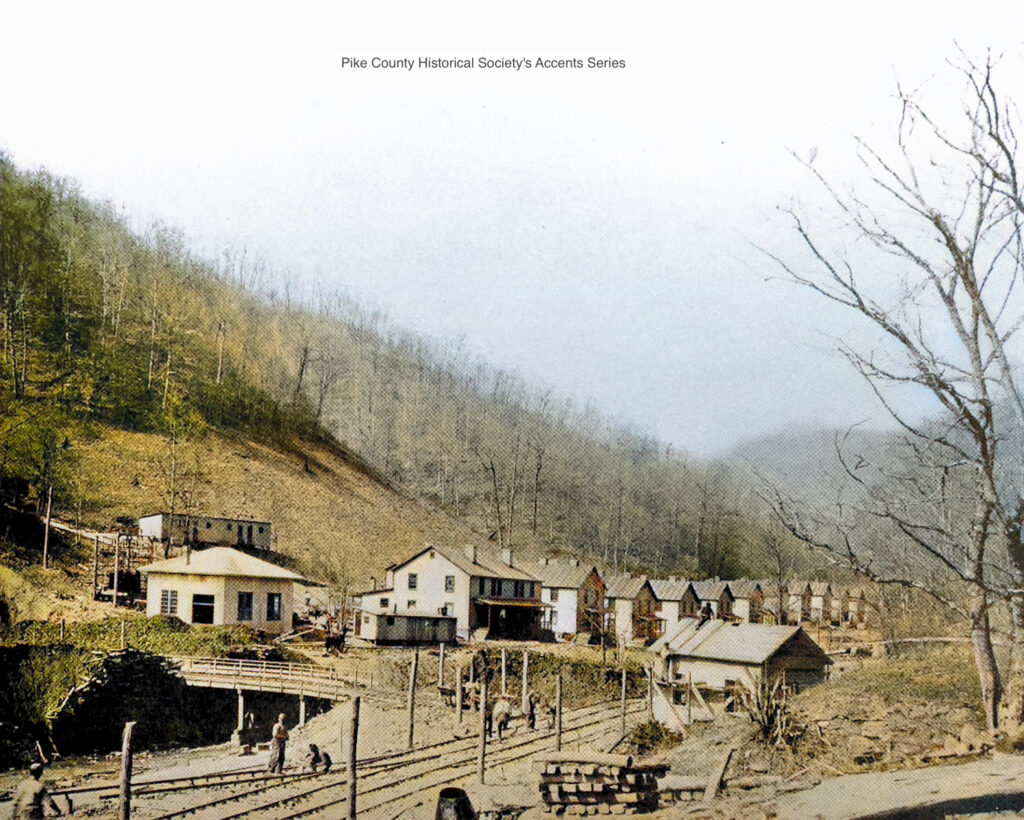
Fleming on Wright’s Fork
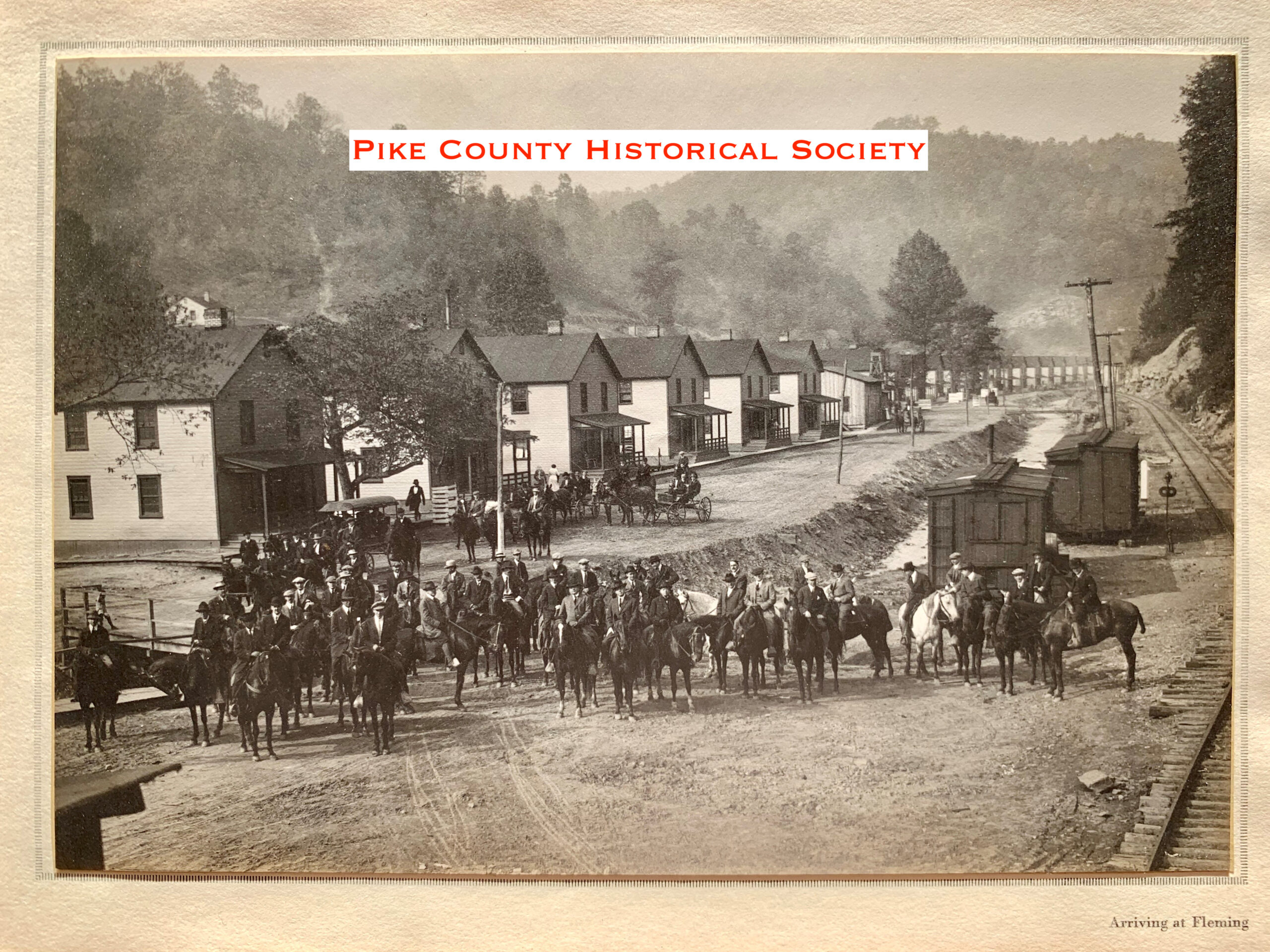
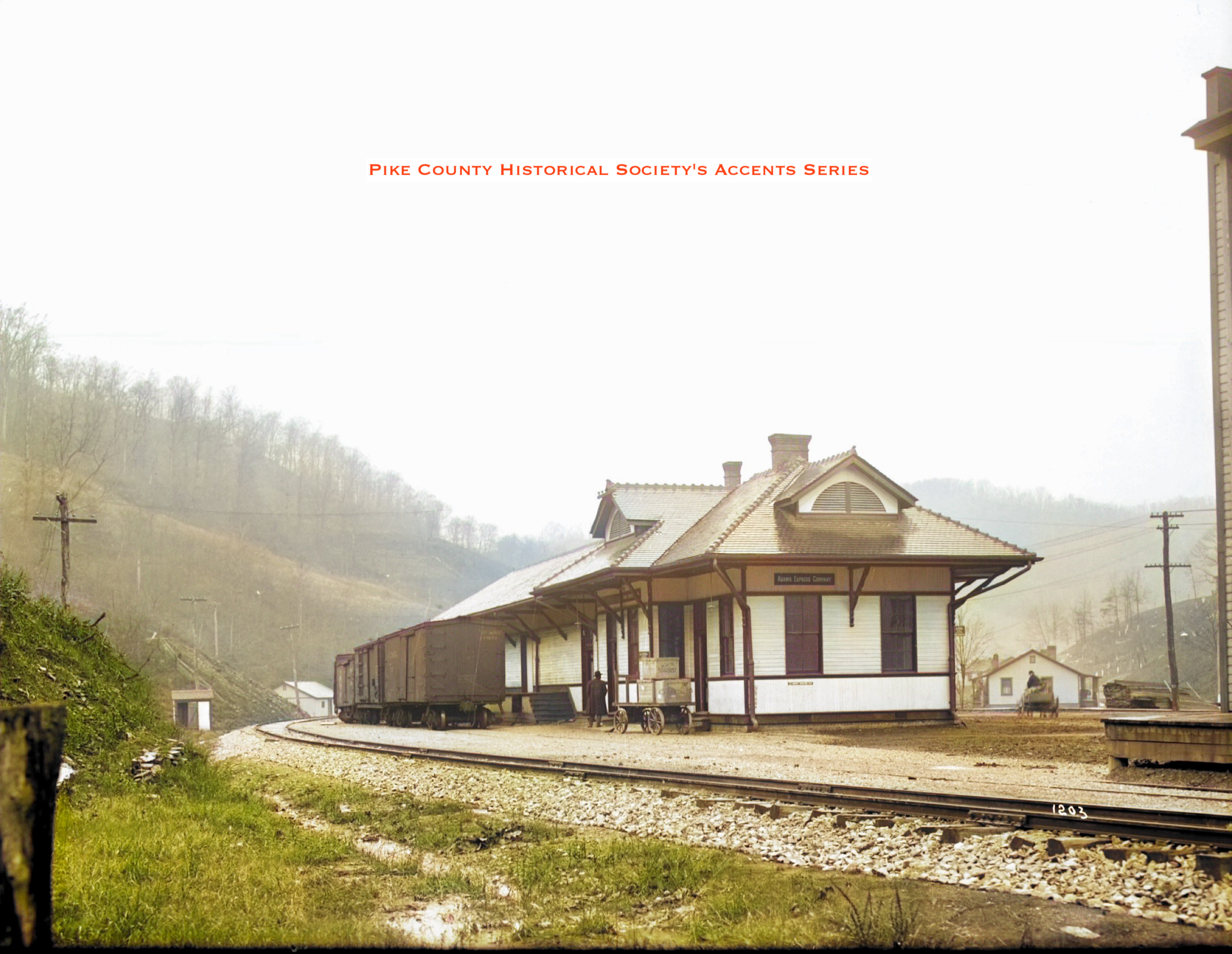
Lexington & Eastern Railroad Station / Fleming Depot
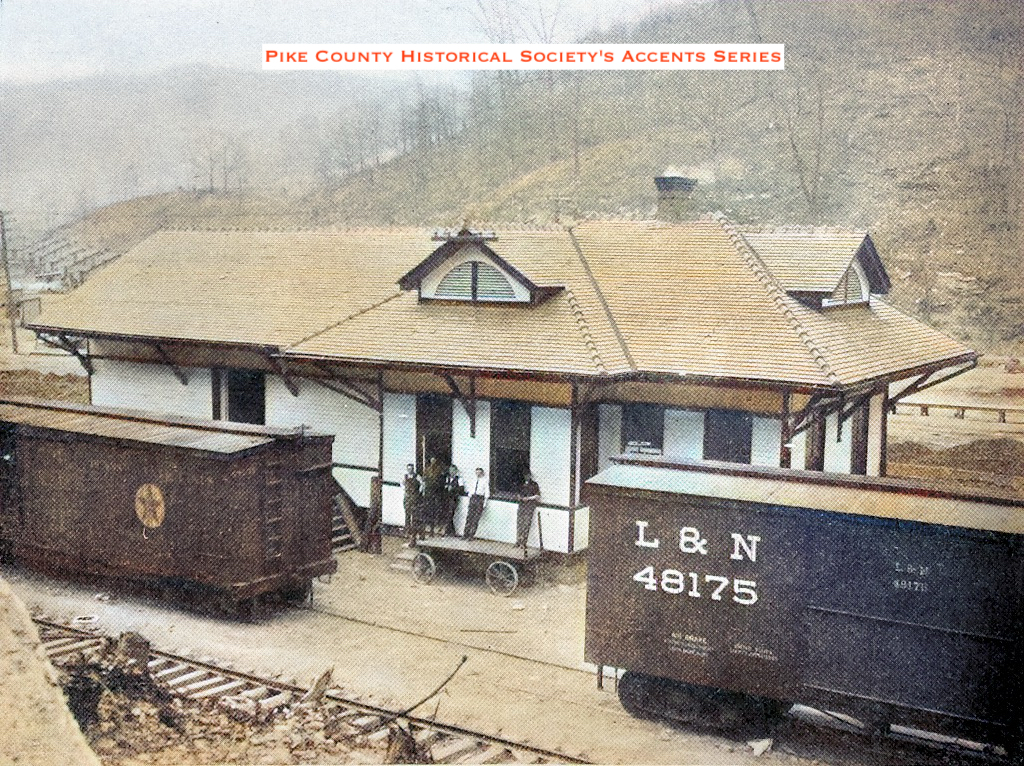
L & E RR Station
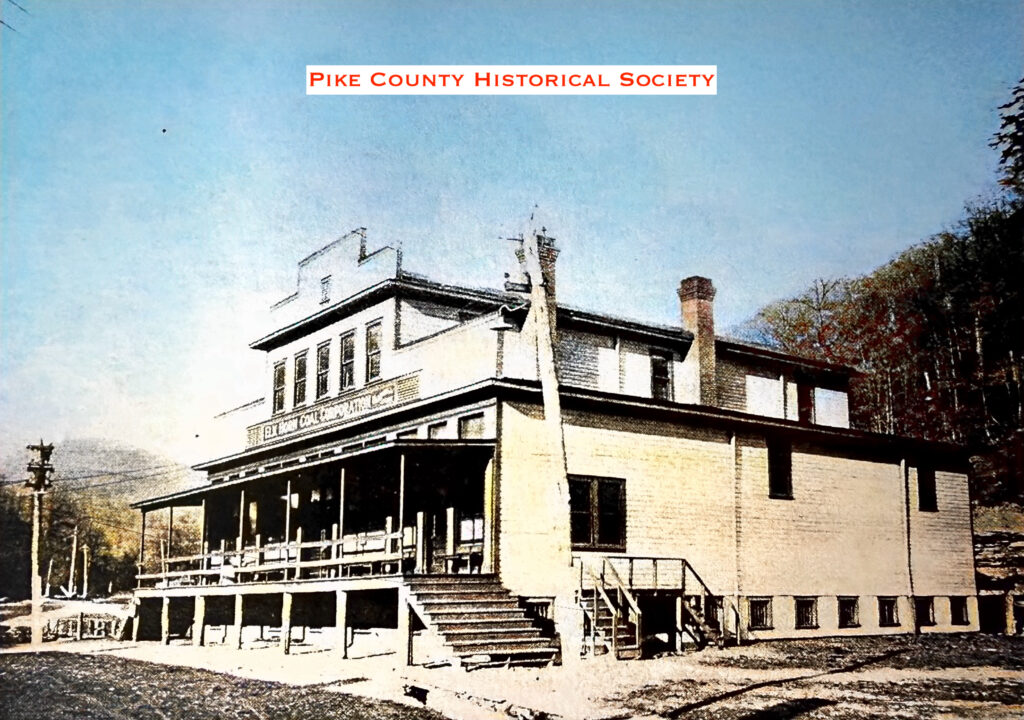
Hemphill Store
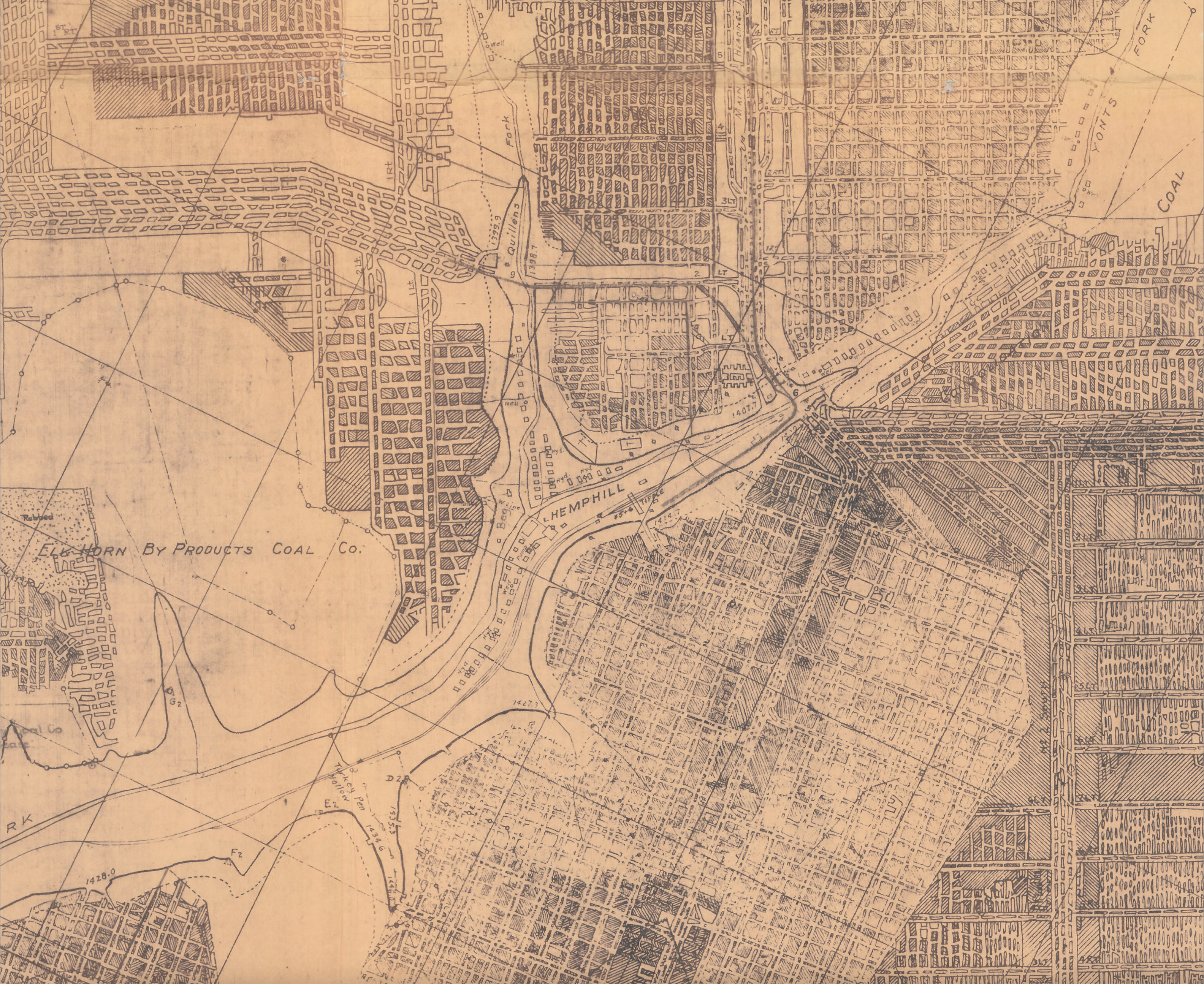
Hemphill Map
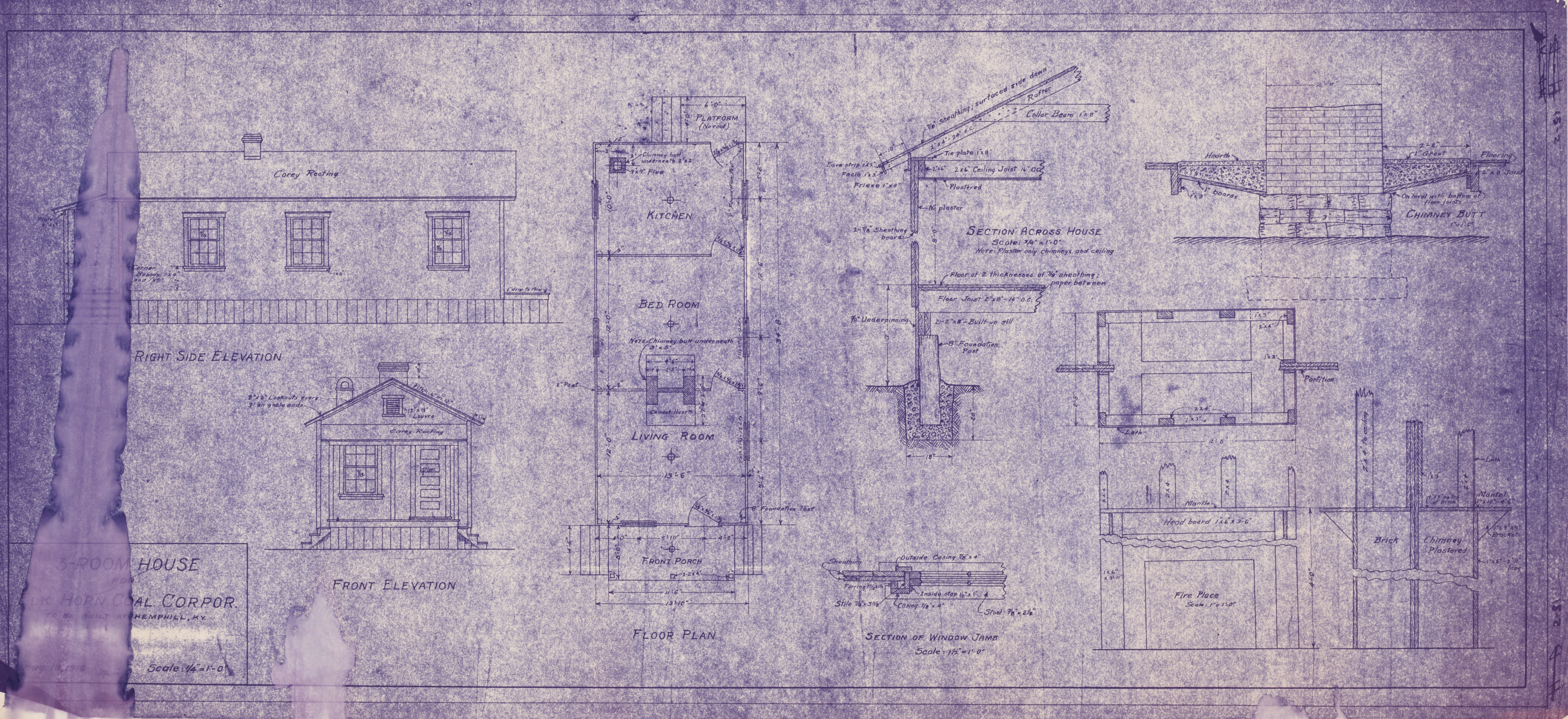
Hemphill / Wheelwright 3 Room House Blue Prints
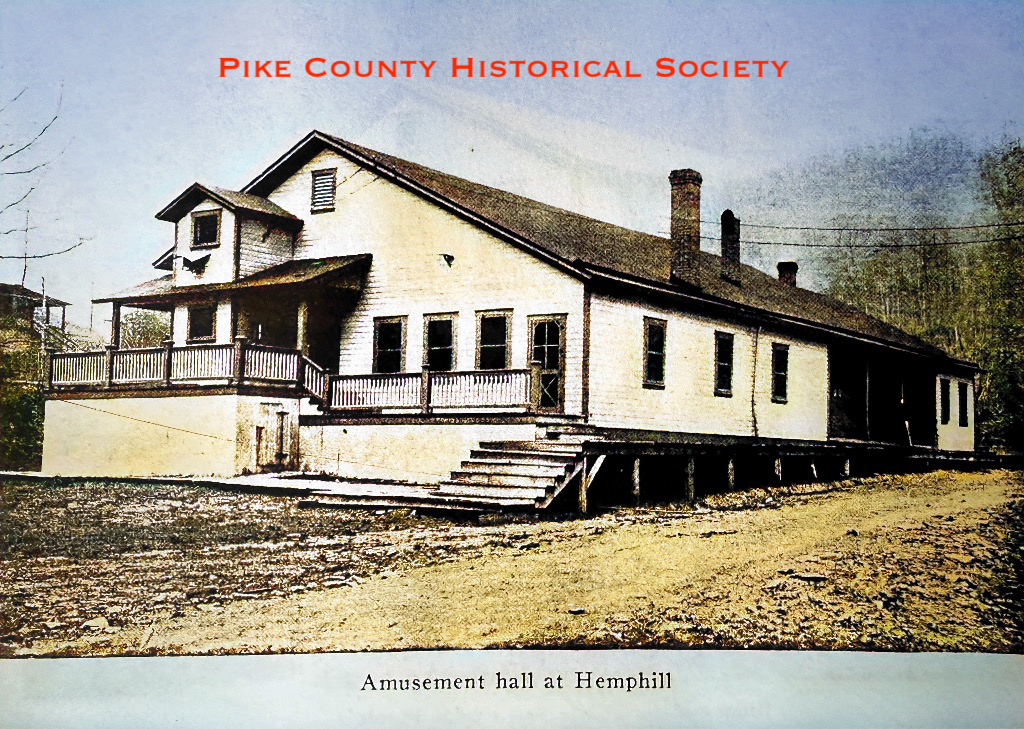
Left Beaver Creek Mining Operation
Wheelwright
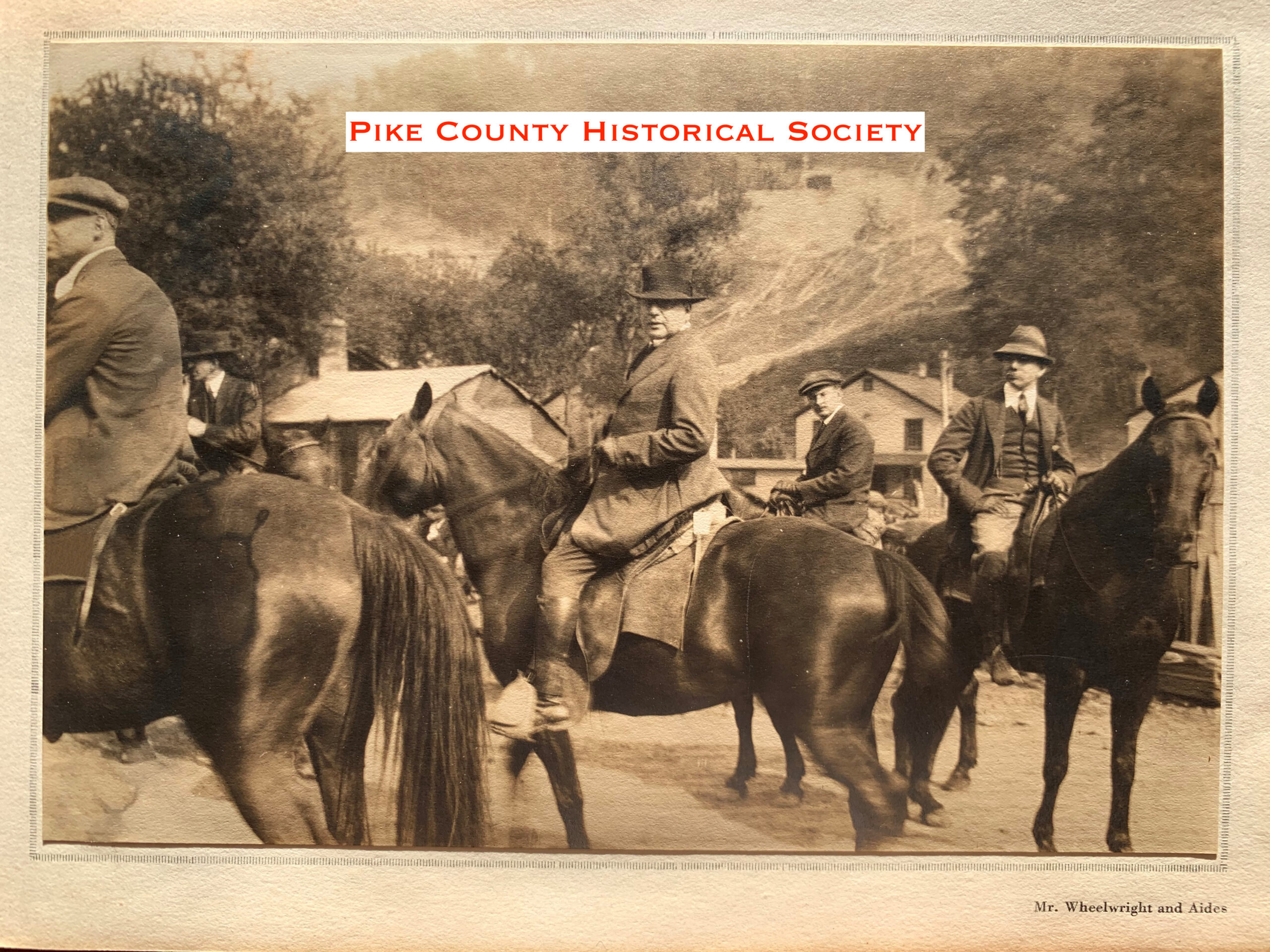
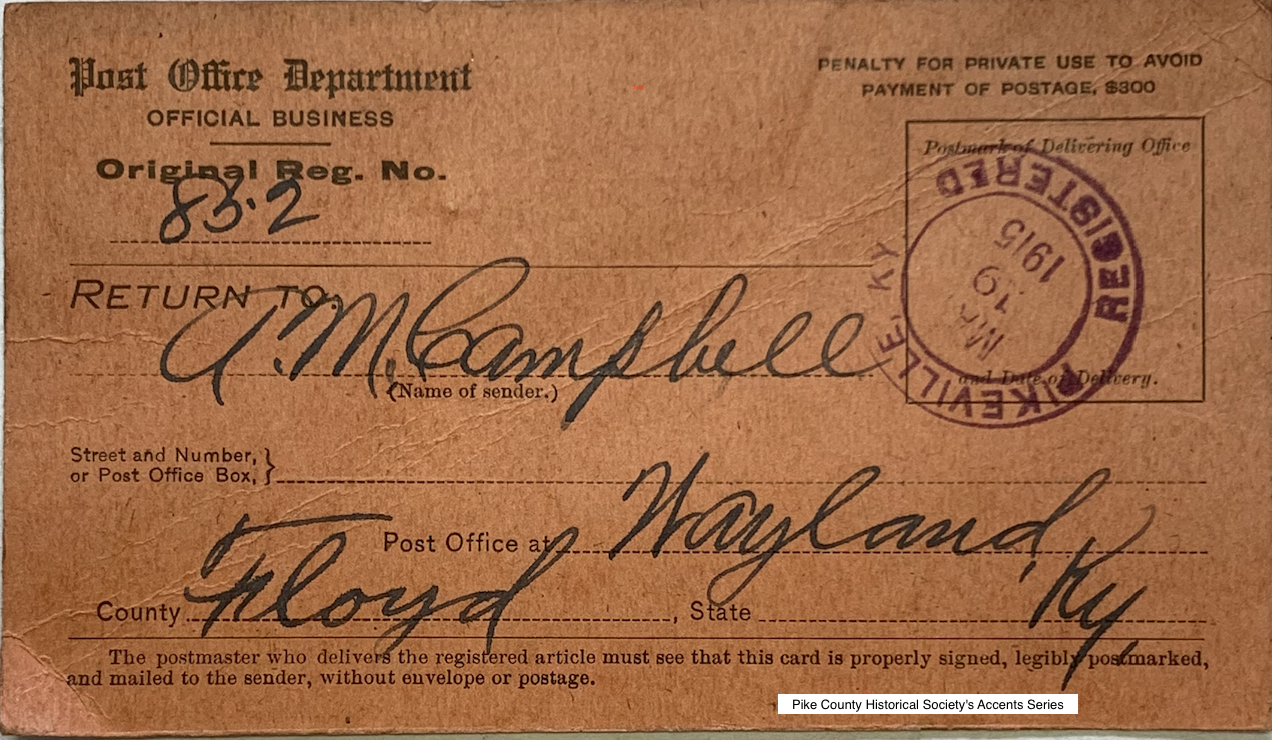
On May 18, 1914, however, ‘Wayland’ was established as an official U.S. Post Office (named after Clarence Wayland Watson) and mail rode the train under its own power to this, destination.
(In addition to the engineering offices maintained at Wayland, Fleming, and Wheelwright, Elk Horn also maintained business offices for the convenience of its lawyers, bankers, and officers who had family homes in other states. Offices in New York City were used as meeting places and addresses when the three development companies formed and required powerful financial backing. Some years later these offices were closed and the office in Cincinnati opened.
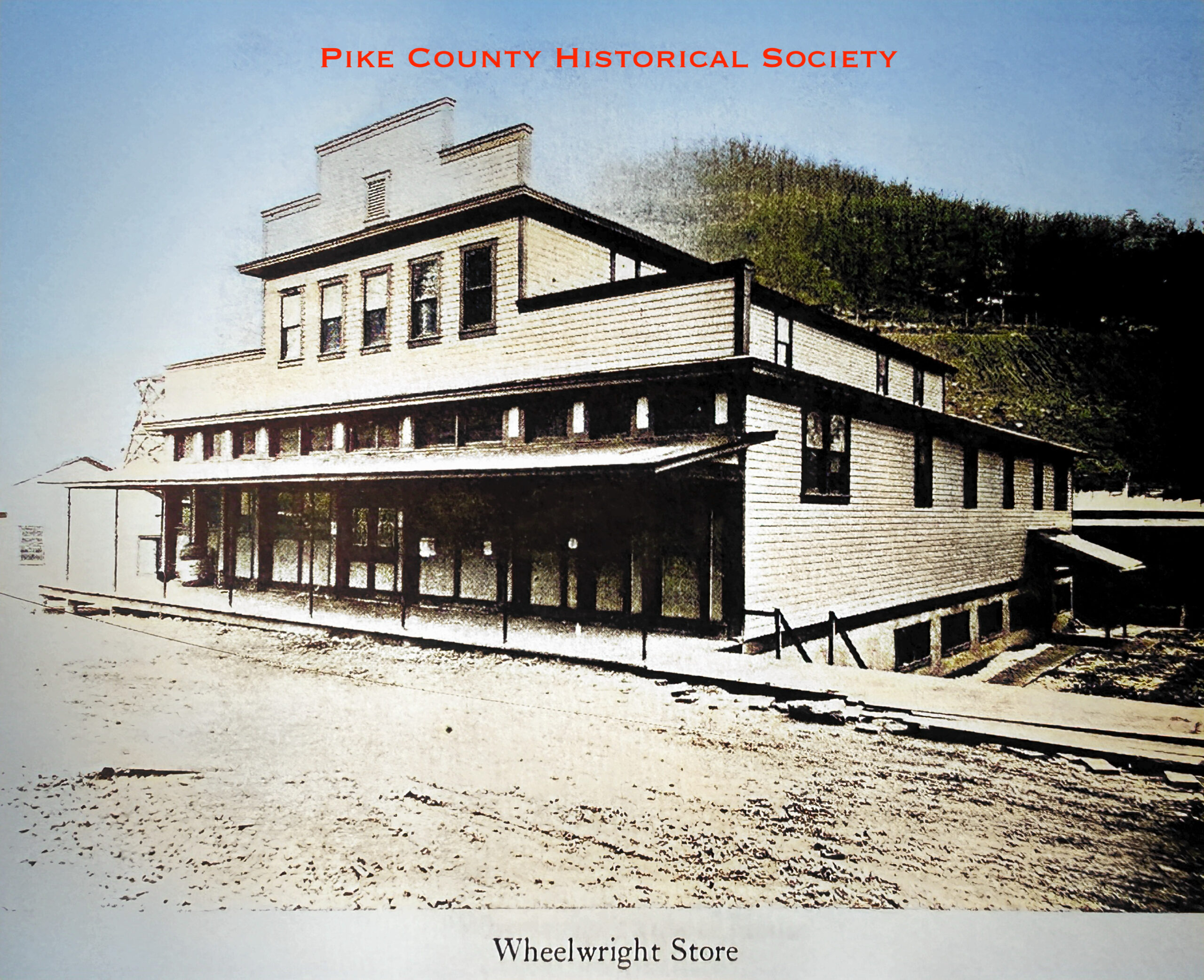
Wheelwright Tipple
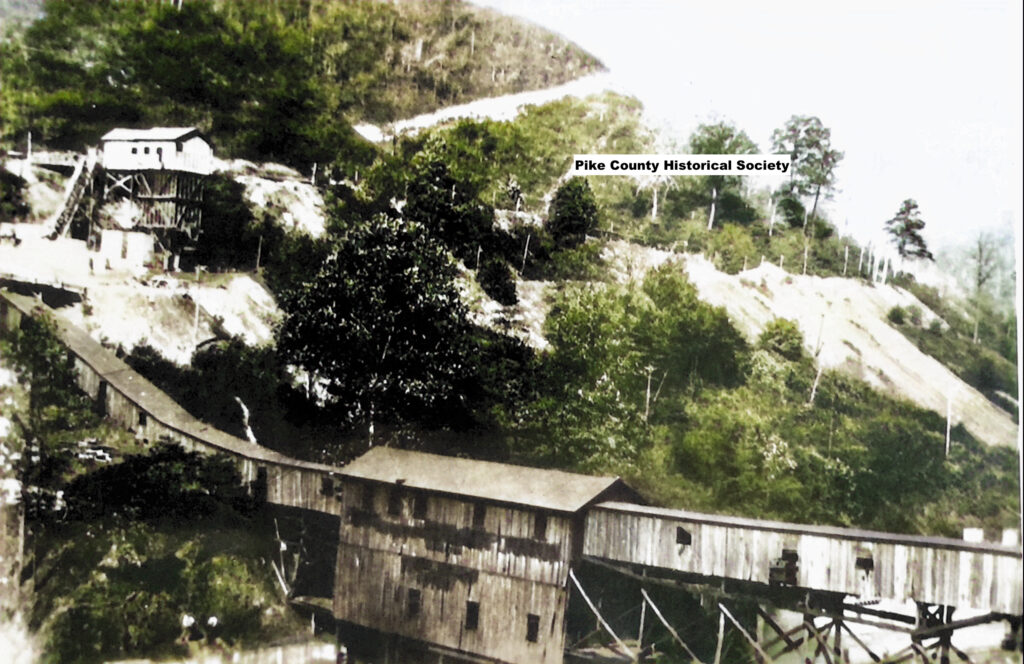
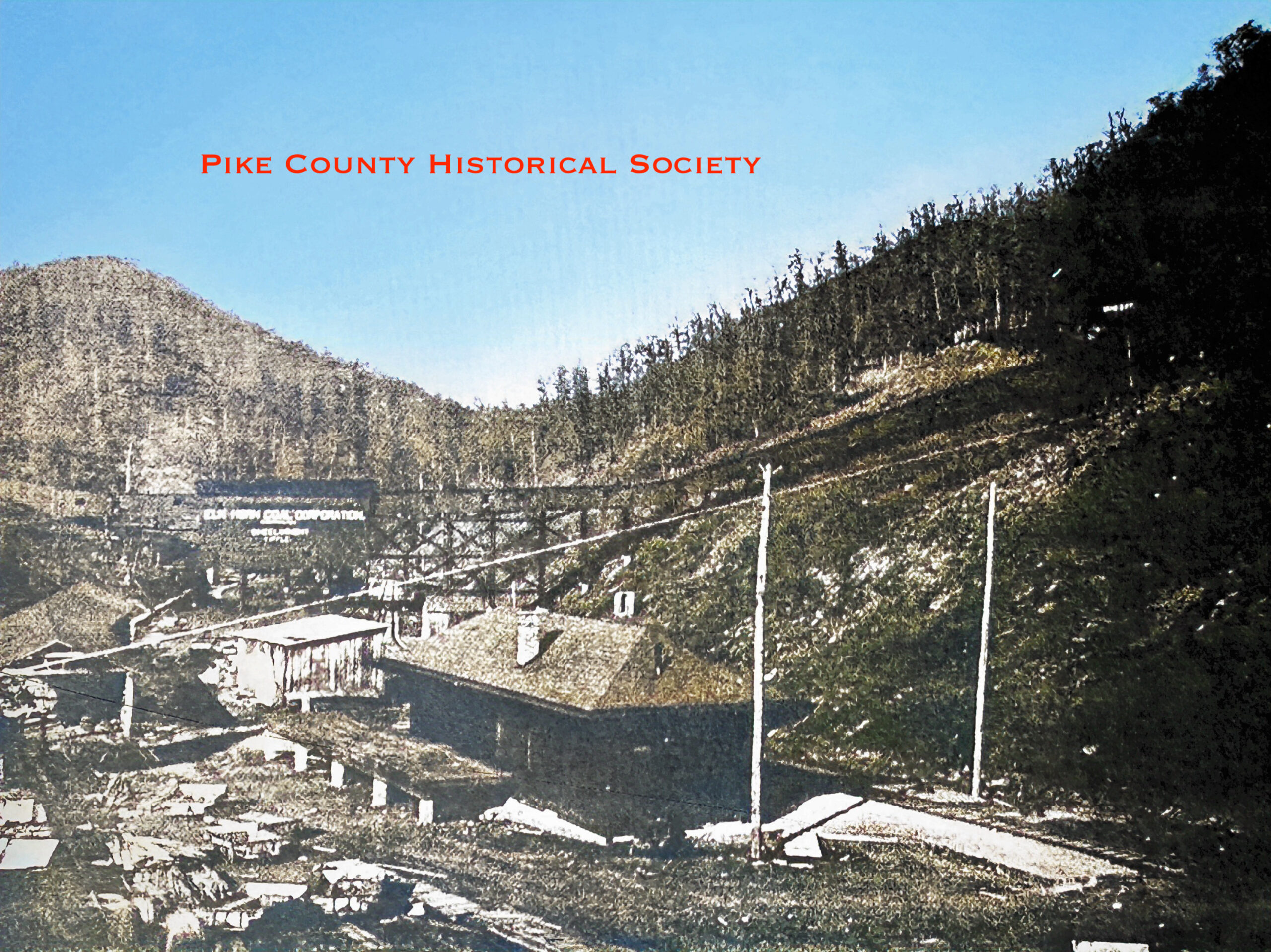
Wheelwright Tipple
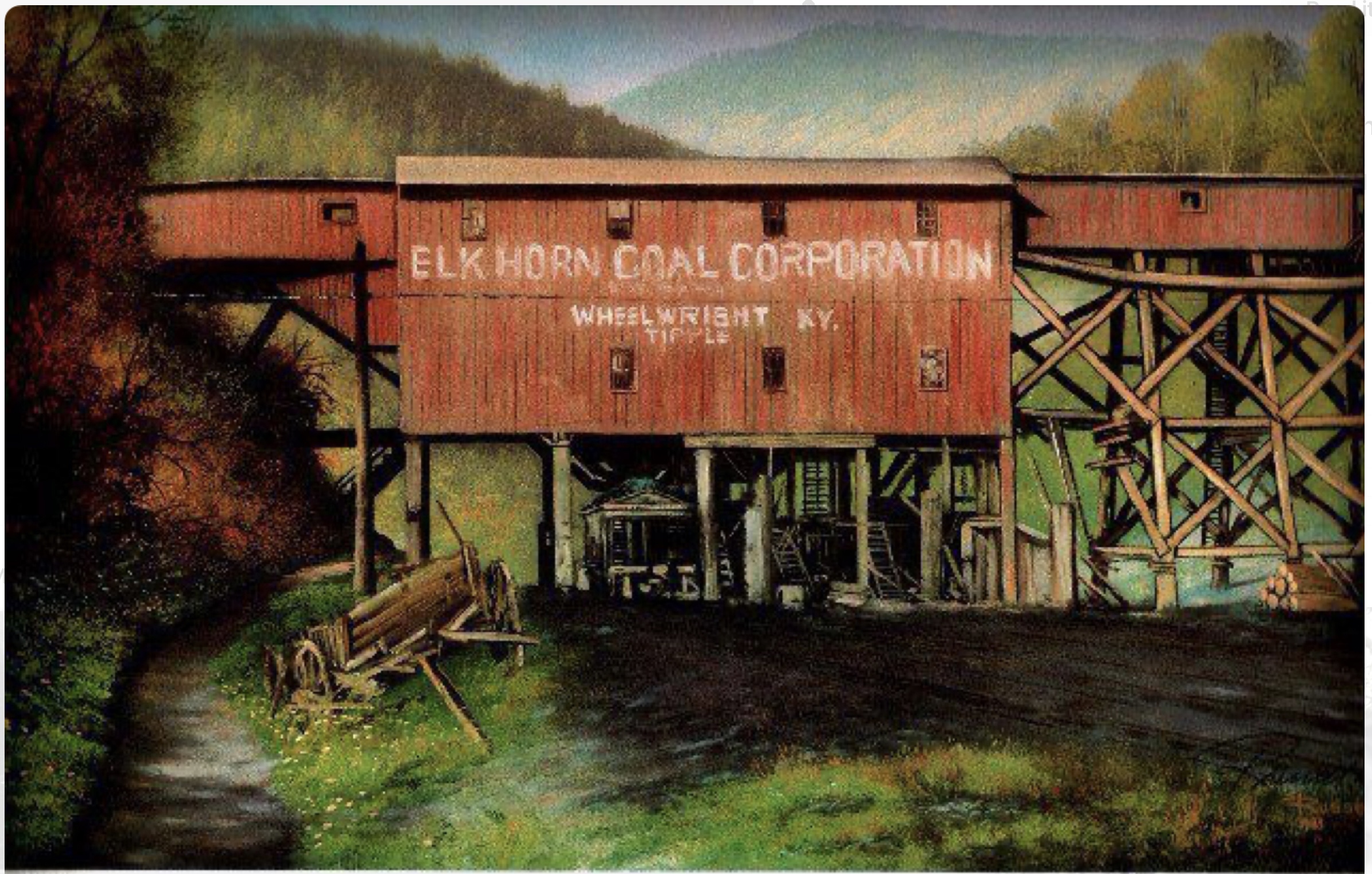
In Floyd County, Elk Horn initiated mining at Wheelwright, but credit for expanded construction and development must be given to other companies as Elk Horn Coal sold its holdings in the Wheelwright area in 1930.
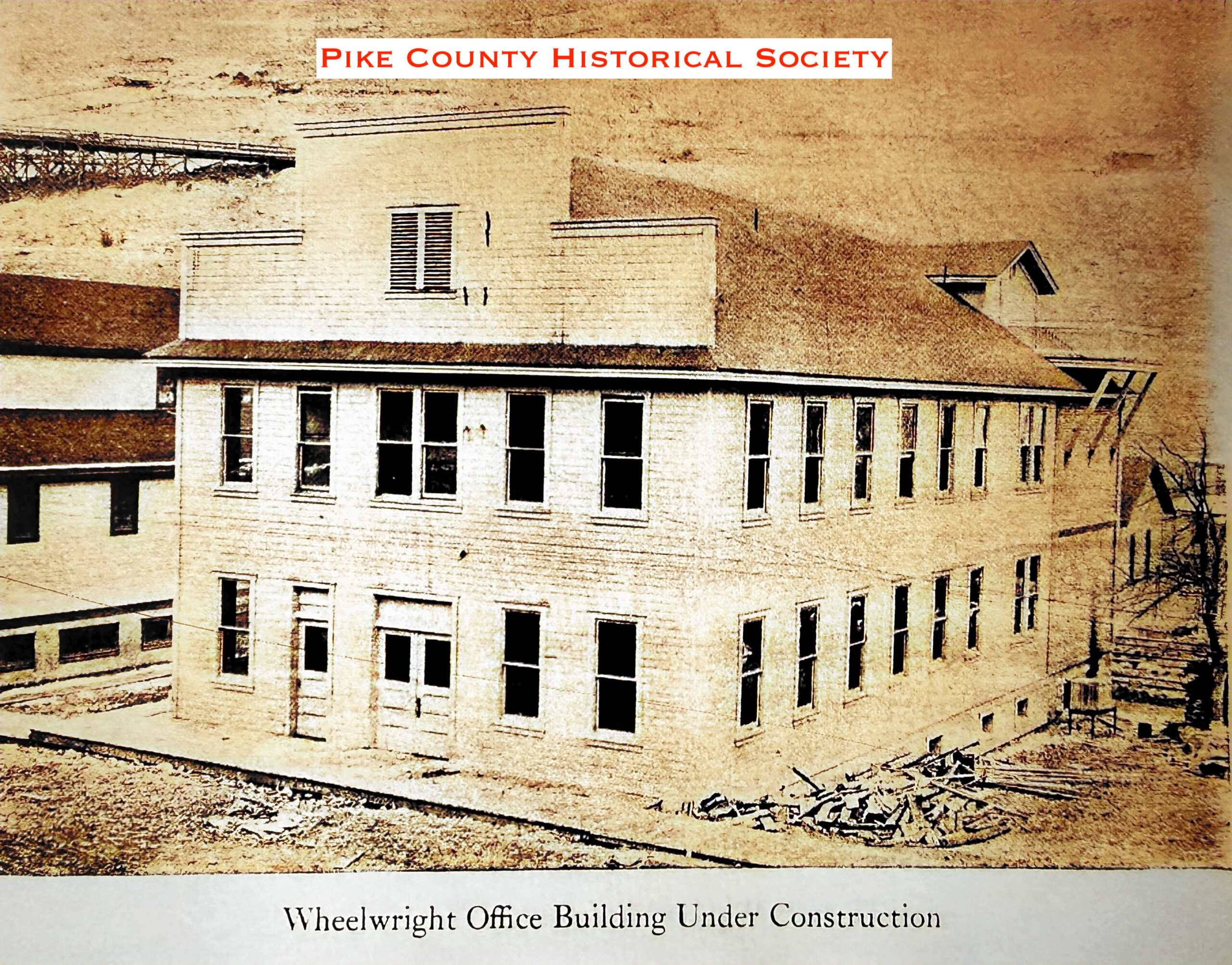
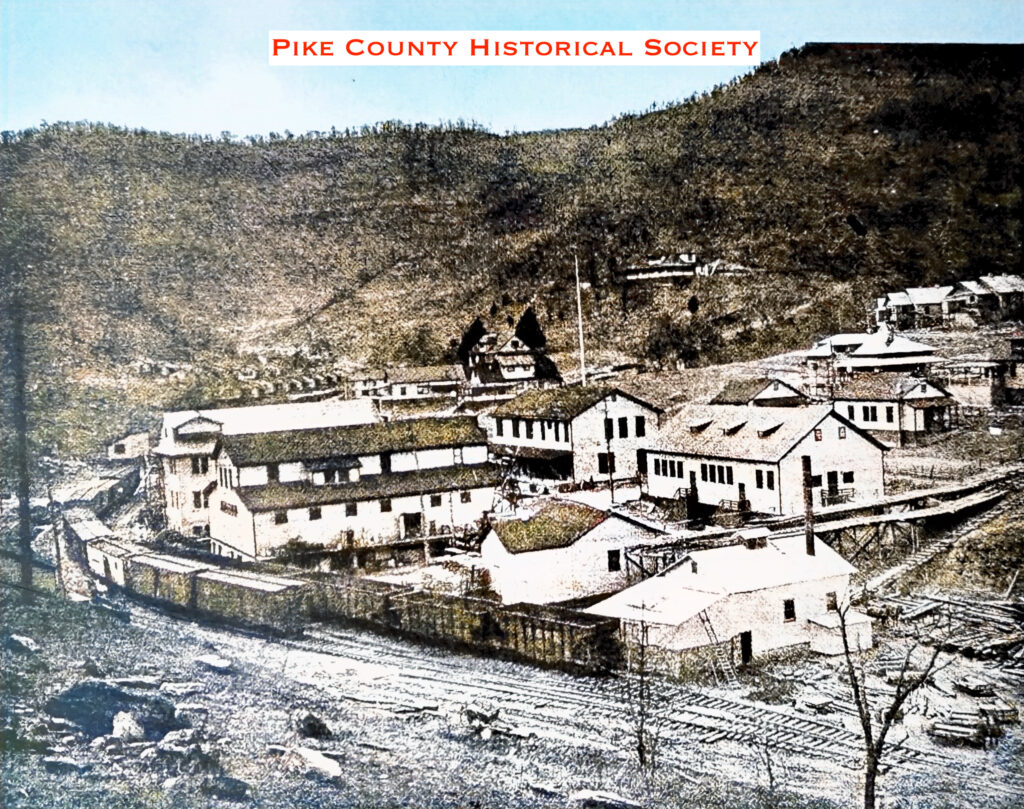
View of Wheelwright
As a youngster growing up in Wheelwright, I can recall that Inland Steel established a tradition of free Christmas turkeys for no lost-time accidents. I can recall the men talking about so-and-so had busted a finger or cut a gash on his arm or hand, but they almost threatened him to not go to the doctor with, “Ah, it’ll heal up and be all right.” What they really meant was, “If he goes to the company doctor, we’ll lose our Christmas turkey.” More often than not, such injuries were treated with mercurochrome, electrical tape, and clinched teeth.
Sure enough, the big truck full of holiday birds rolled in and those who qualified lined up, got their prize, and everybody went away happy. The turkey winners had a holiday treat and the company could boast of yet another year with minimal lost-time accidents.
The tradition continued through the coal boom of the 1970s into the 1990s. Some companies gave a cash bonus, others doled out a fifth of Jack Daniel’s finest. This set of Schrade knives went to winners of the 1994 safety award with Coal Mac.

Right Beaver Creek Mining Operations
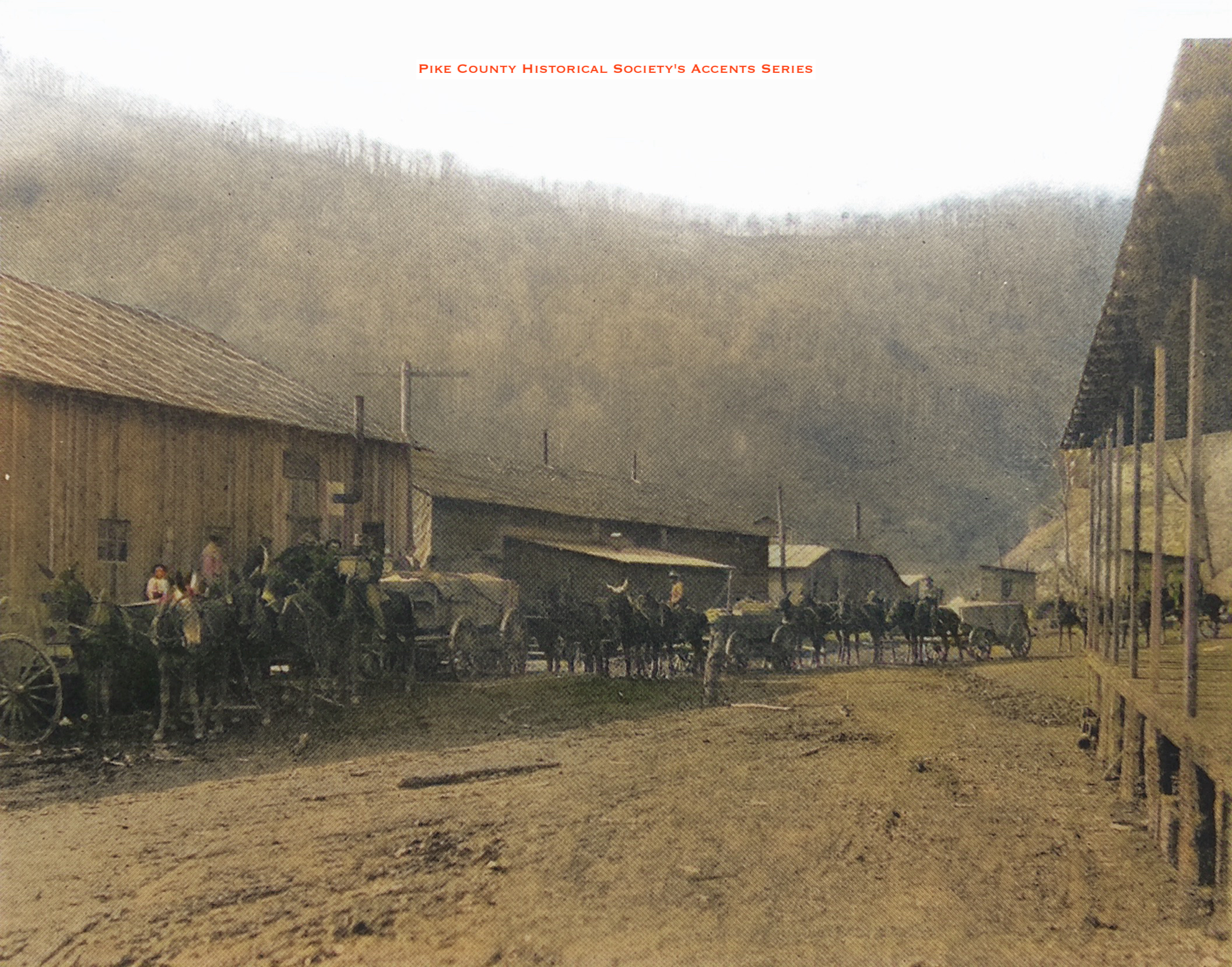
Long before the railroad had made its way up Right Beaver Creek, construction materials had to be hauled by wagon teams of six mules each. Hauling building materials from the mouth of Beaver Creek, a distance of twenty-five miles.
Garrett-Stone Coal Branch
Mine – Tipple No. 325
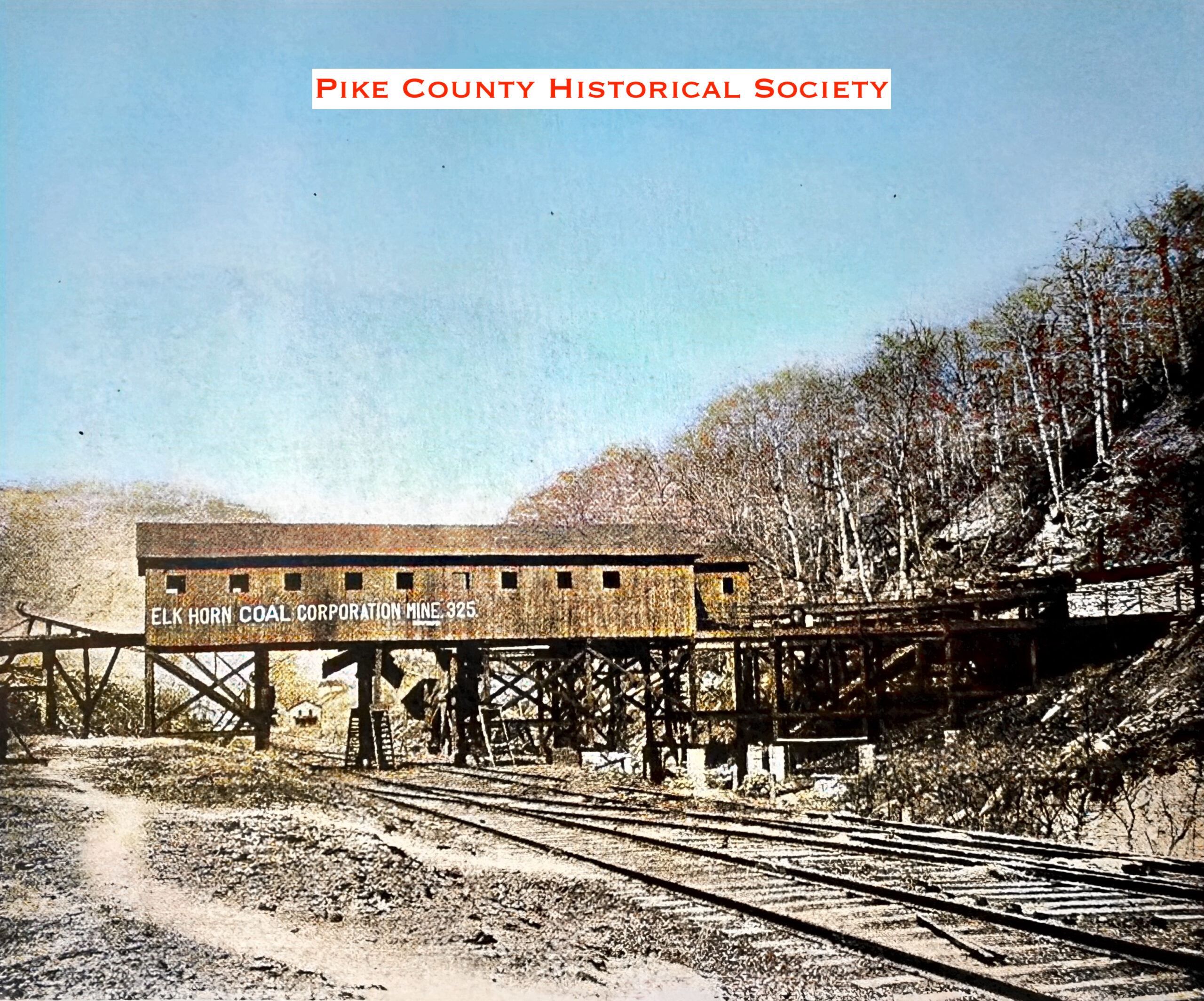
Getting down to business on December 1, 1915, Elk Horn took control of mine works already set up by Elk Horn Mining and still in progress. At one of these locations, up on Right Beaver Creek at Steele’s Creek, there had been confusion as to what to call the mining town under construction. The nearest post office was at the town of Allen. ** Letters were addressed to ‘At Camp, Steele’s Creek, Allen P.O!, or ‘Watsontown, Allen P.O!, or ‘Wayland, Allen P.O!. A courier for the company would be at Allen to receive mail when it arrived, then ride the train (or a horse) up to Stone Coal Branch and Steele’s Creek where the mail would be distributed.
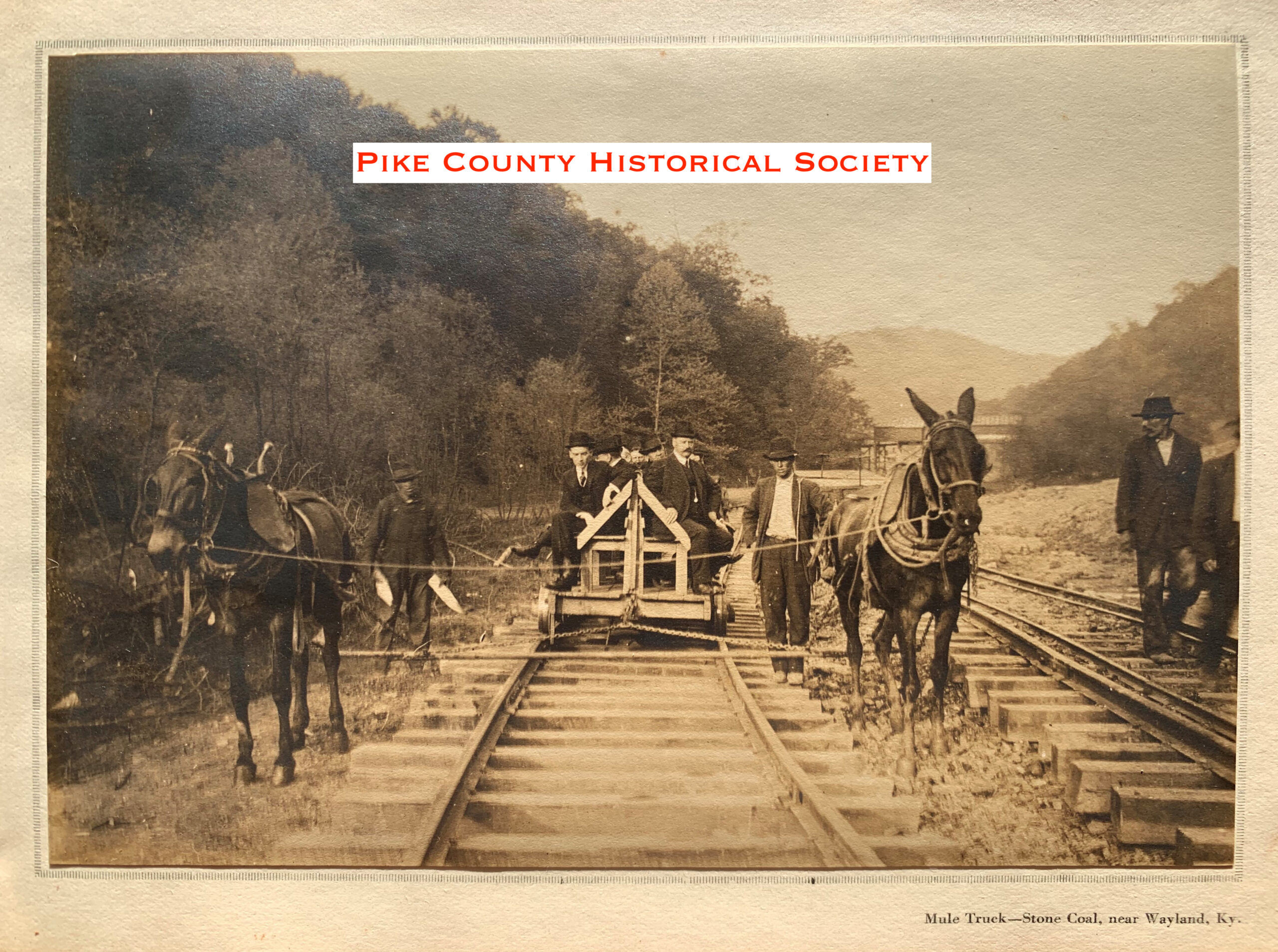
Man Trip Mine Cars At Mine No. 325
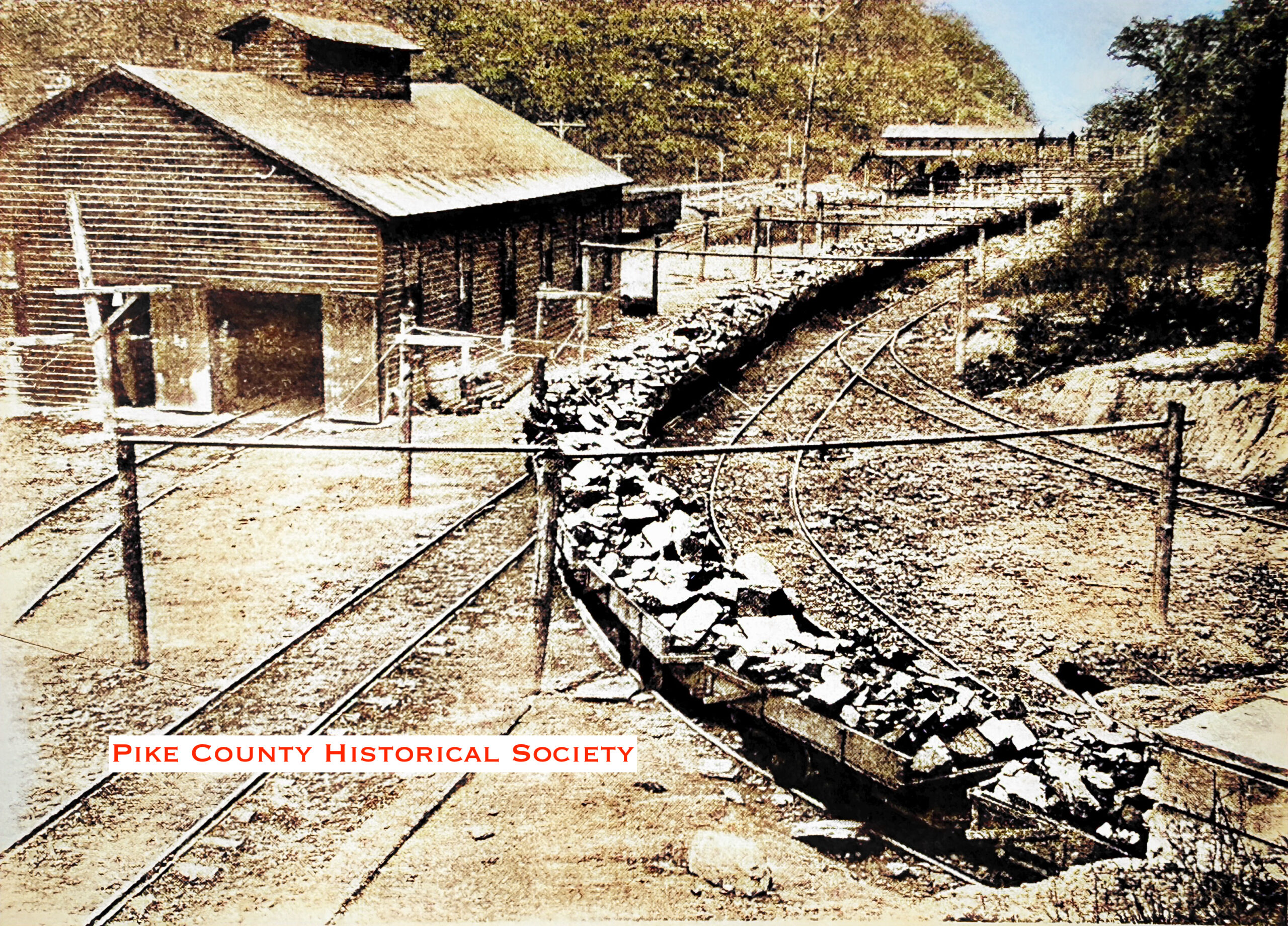
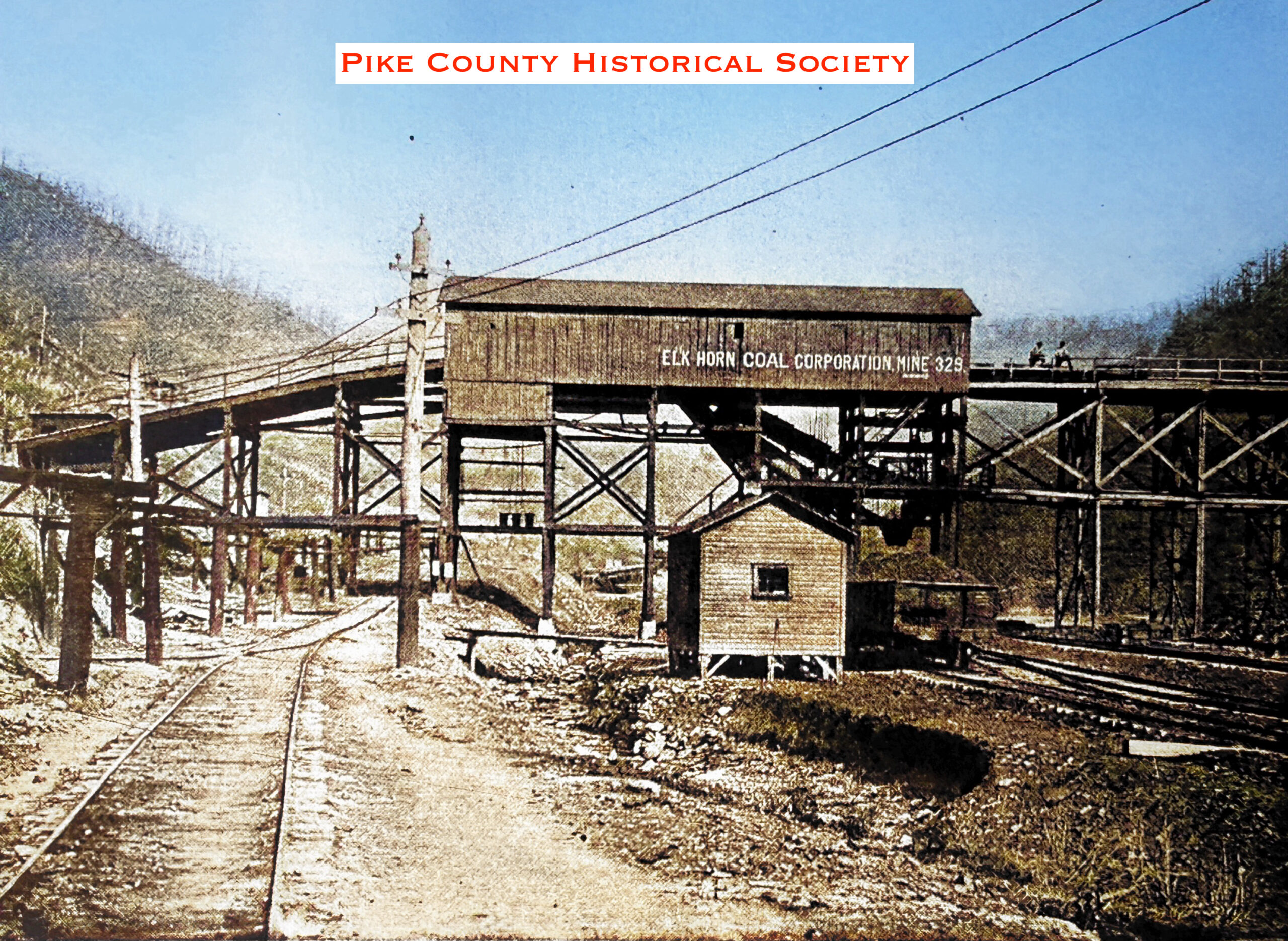
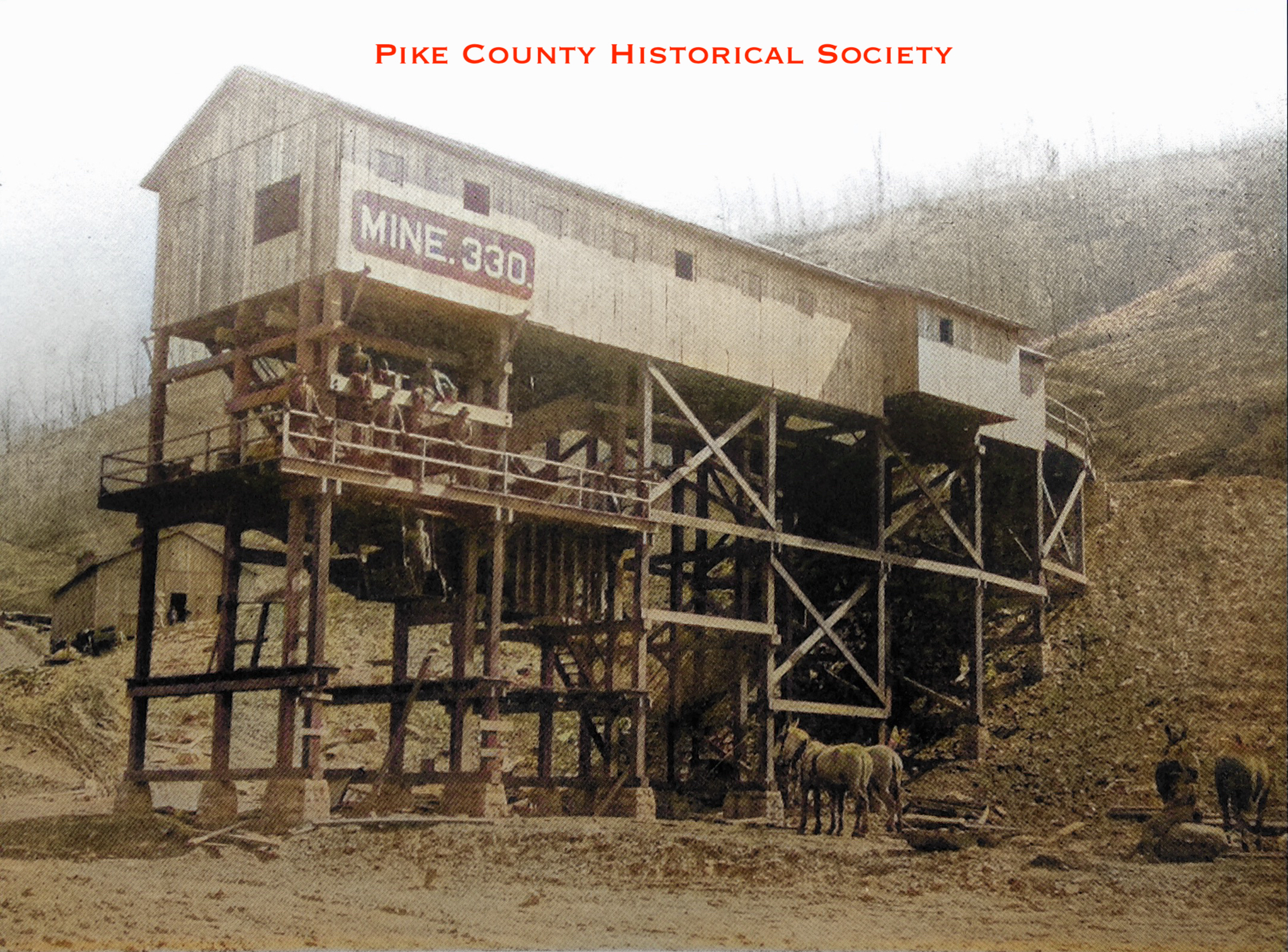
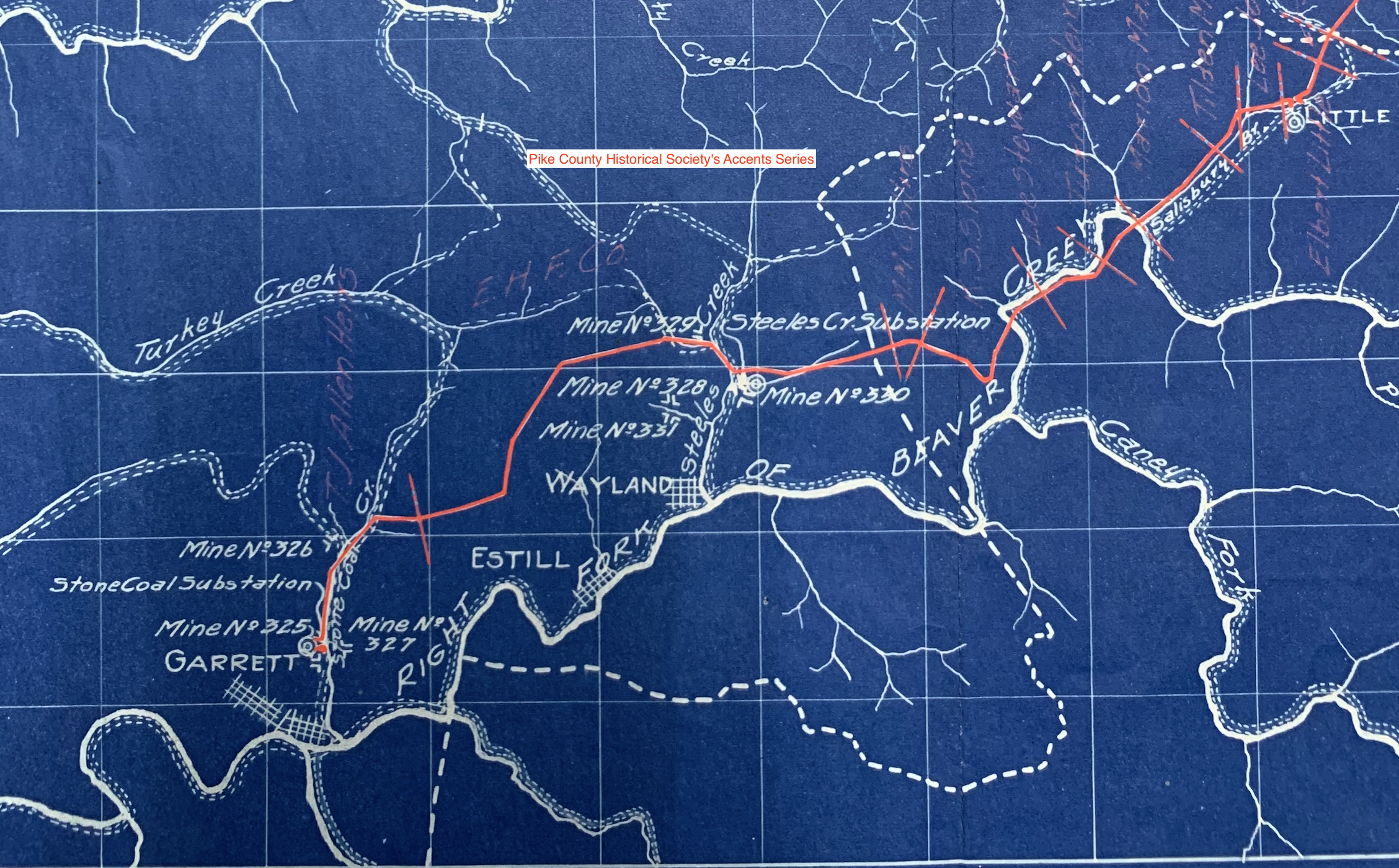
The towns built at Garrett and Wayland were large mining centers until the last mines closed in the early 1950’s. At Garrett, mine postings indicate mine 326 closed in 1927, mine 327 in 1943, and mine 325, the most extensive one on Stone Coal Branch, lasted until January, 1956. At Wayland, mine 330 was shut down in 1928, mine 331 in 1936, and 332, 328, and 329 held out until 1954.
Tipple No. 326
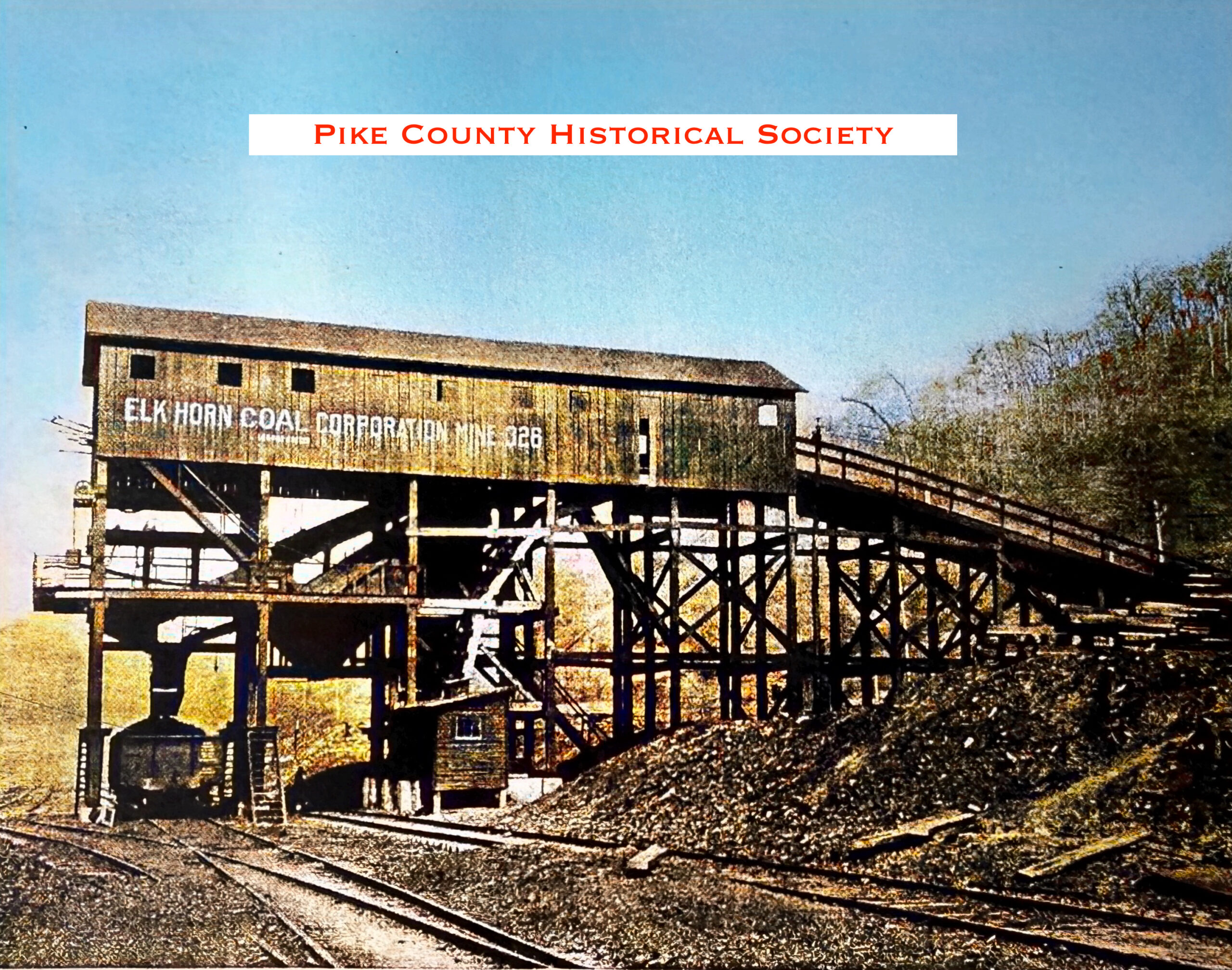
Tipple-Mine No. 327
Wayland Ky. – Showing part of the progress made prior to completion of Elk Horn & Beaver Railway
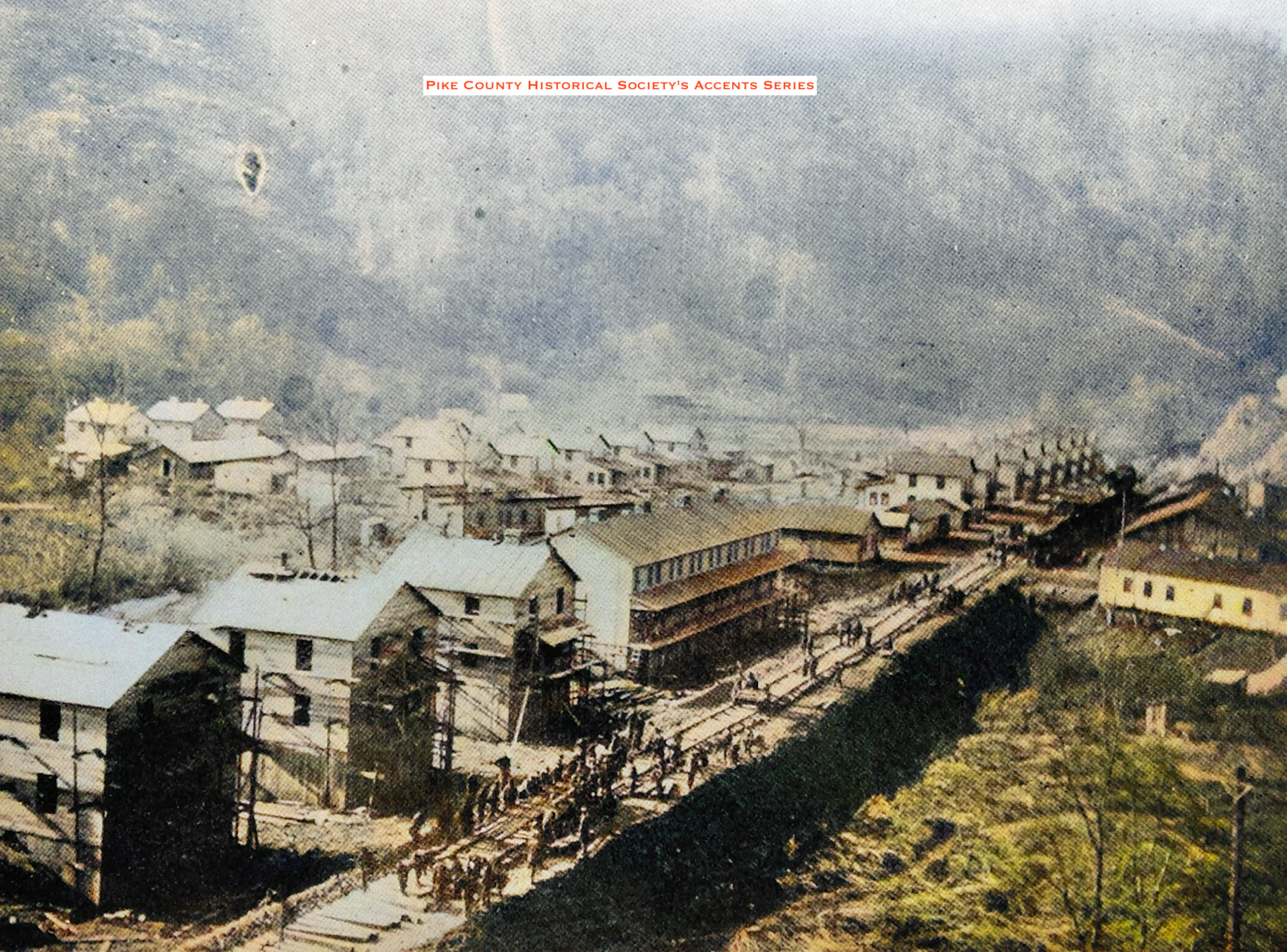
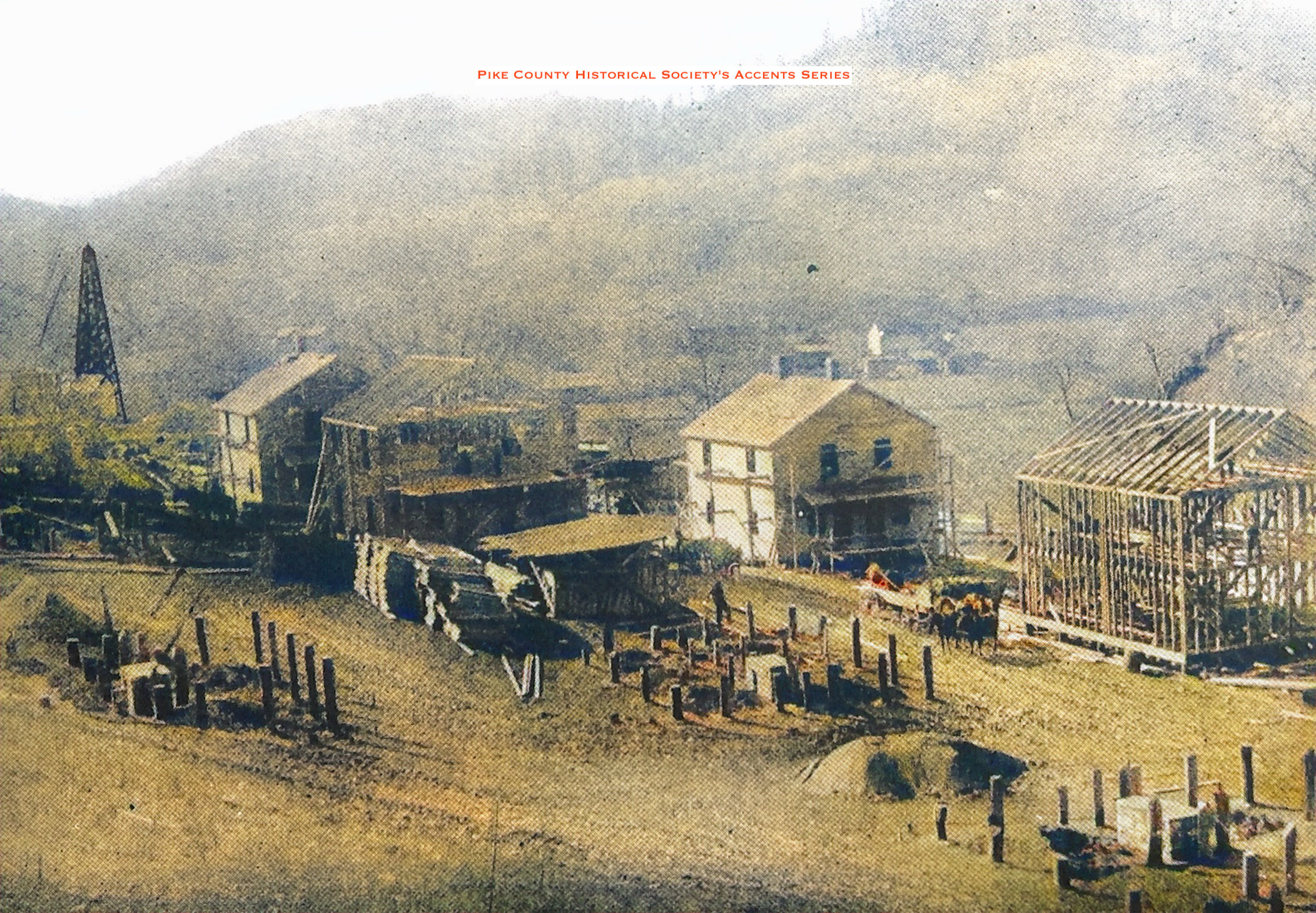
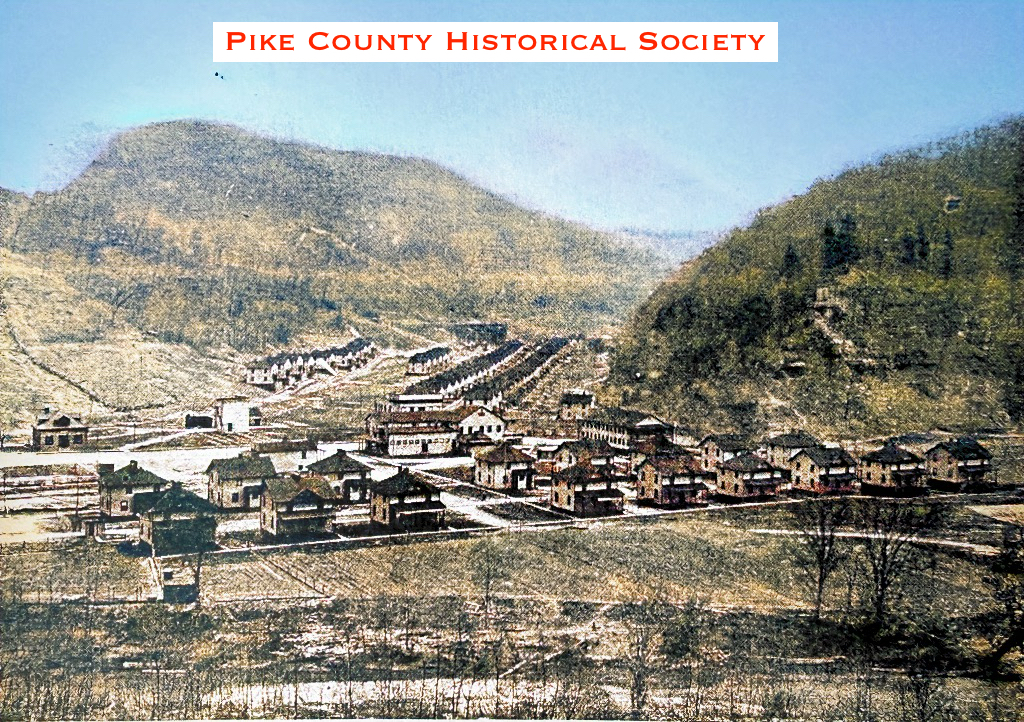
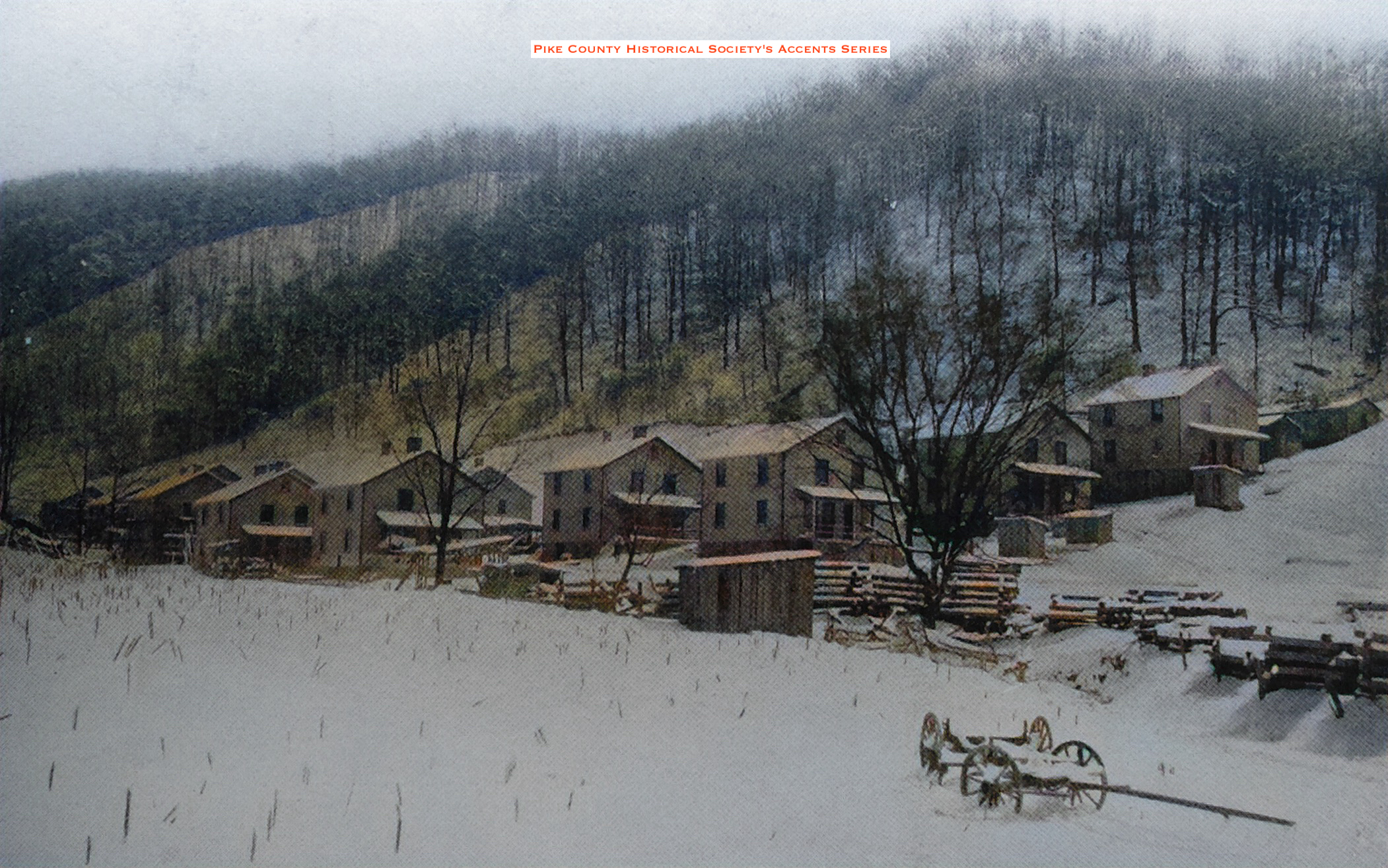
Elk Horn Mining Houses at Wayland
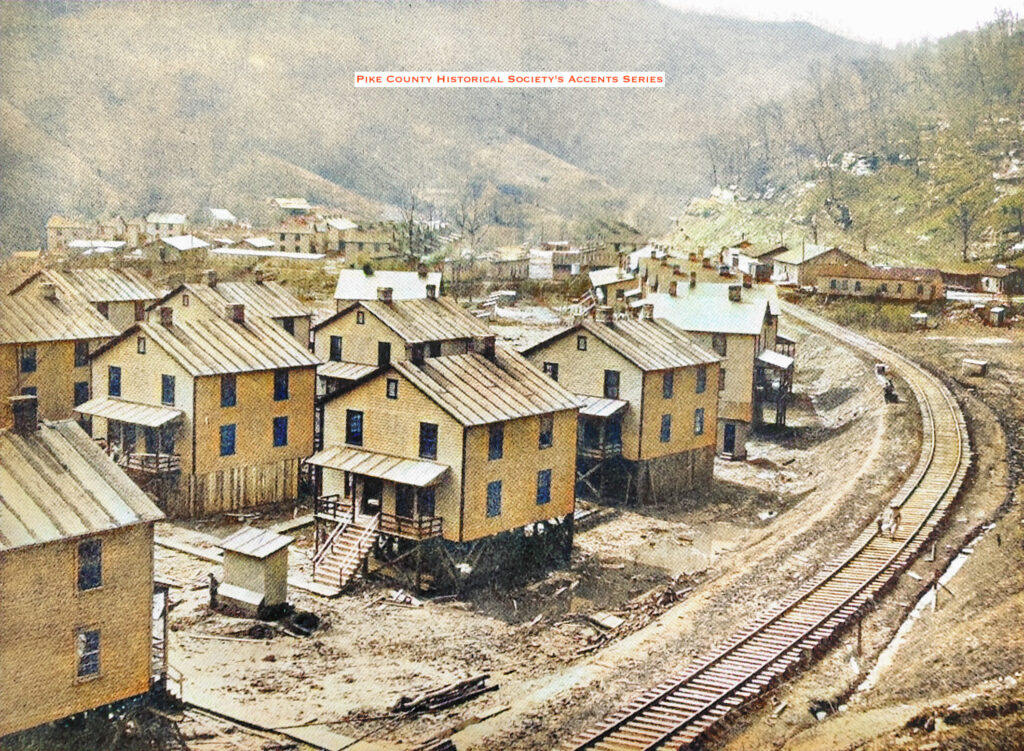
Houses under construction at Garrett
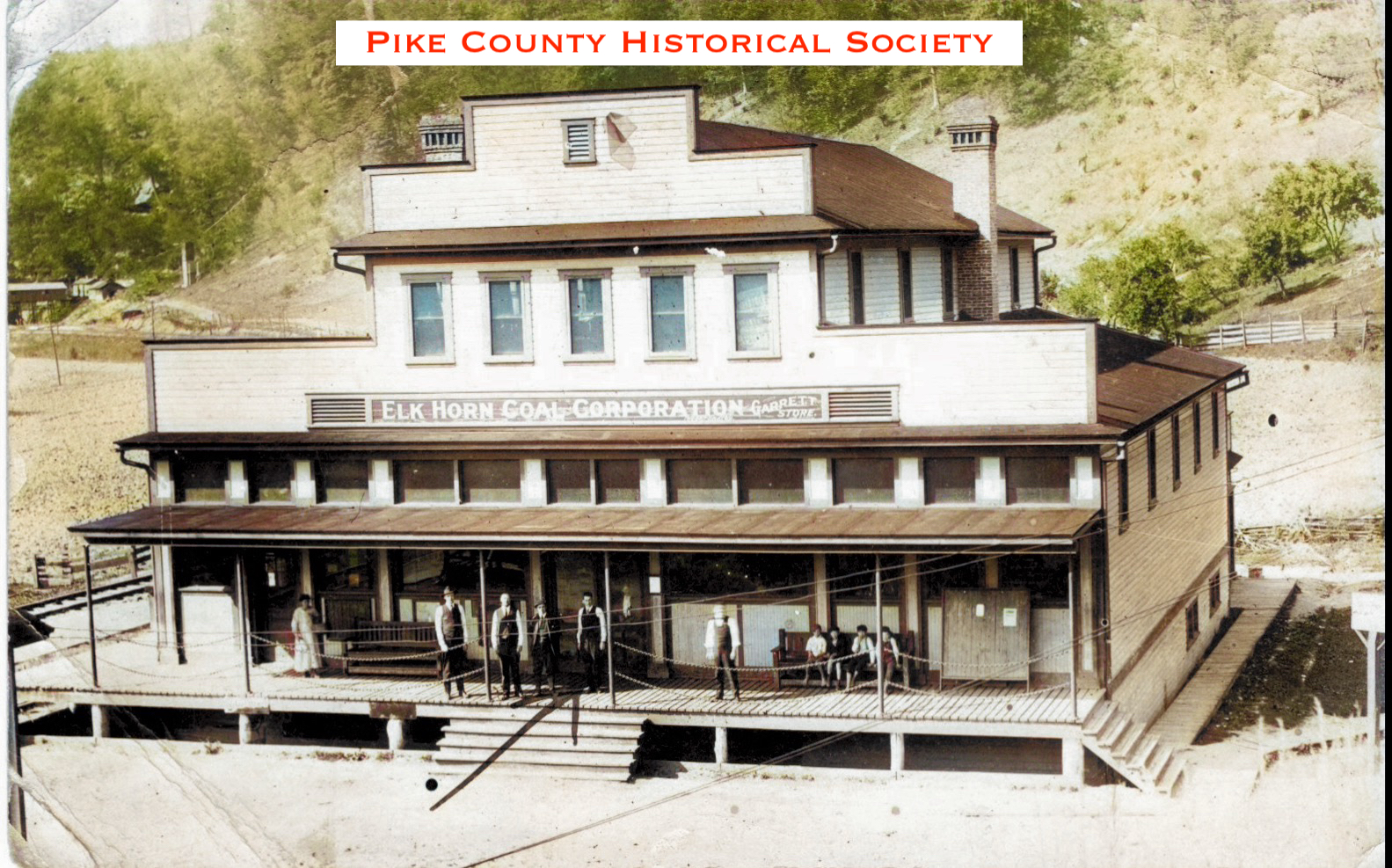
The Garrett Company Store
The community of Garrett had a post office, first named ‘Ballard’, but mail going to Steele’s Creek was distributed from Allen P.O.
Amusement Hall at Garrett
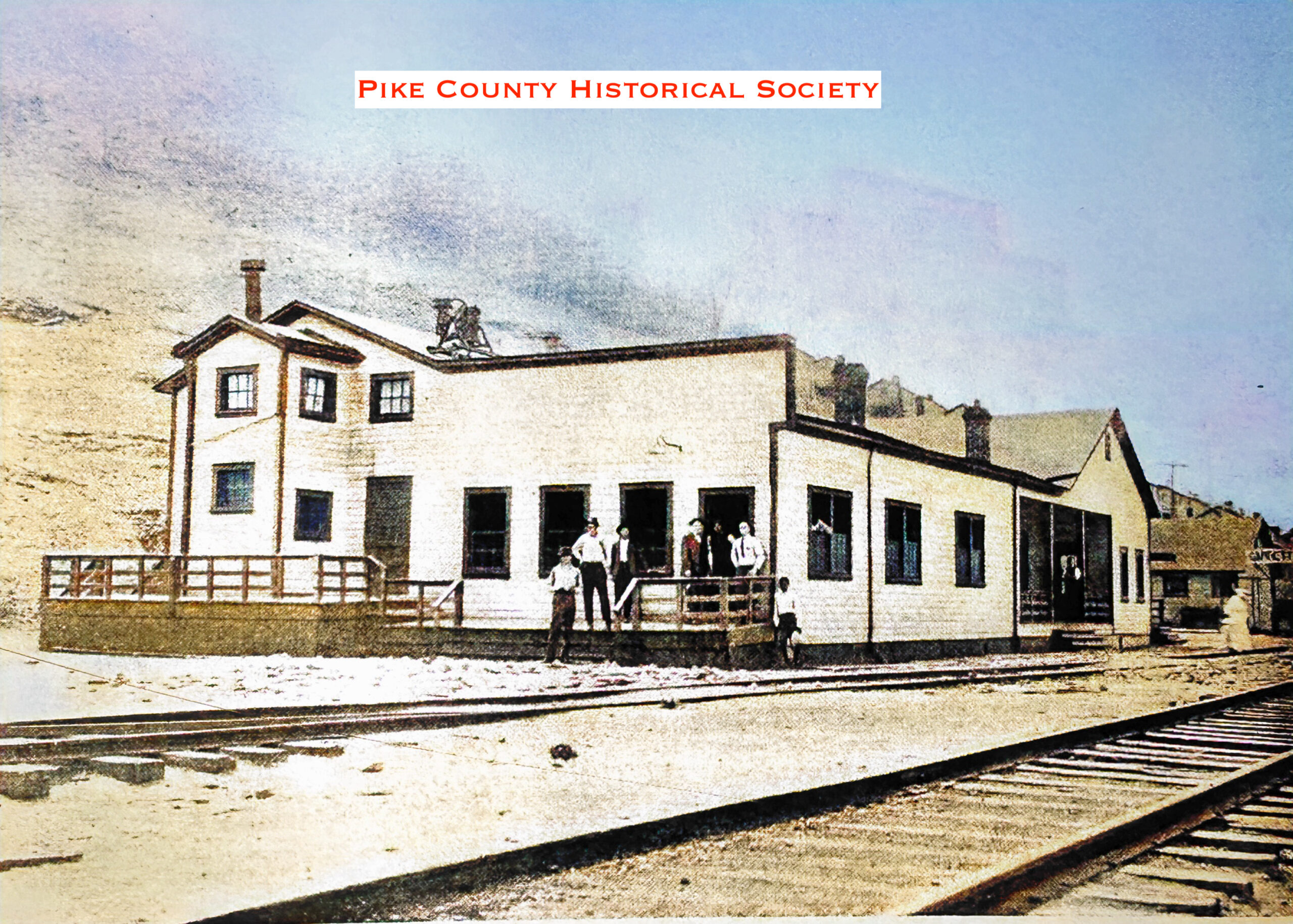
Wayland-Steele Creek
Tipple No. 328. First Coal Loaded in Railroad Cars, April 8, 1914
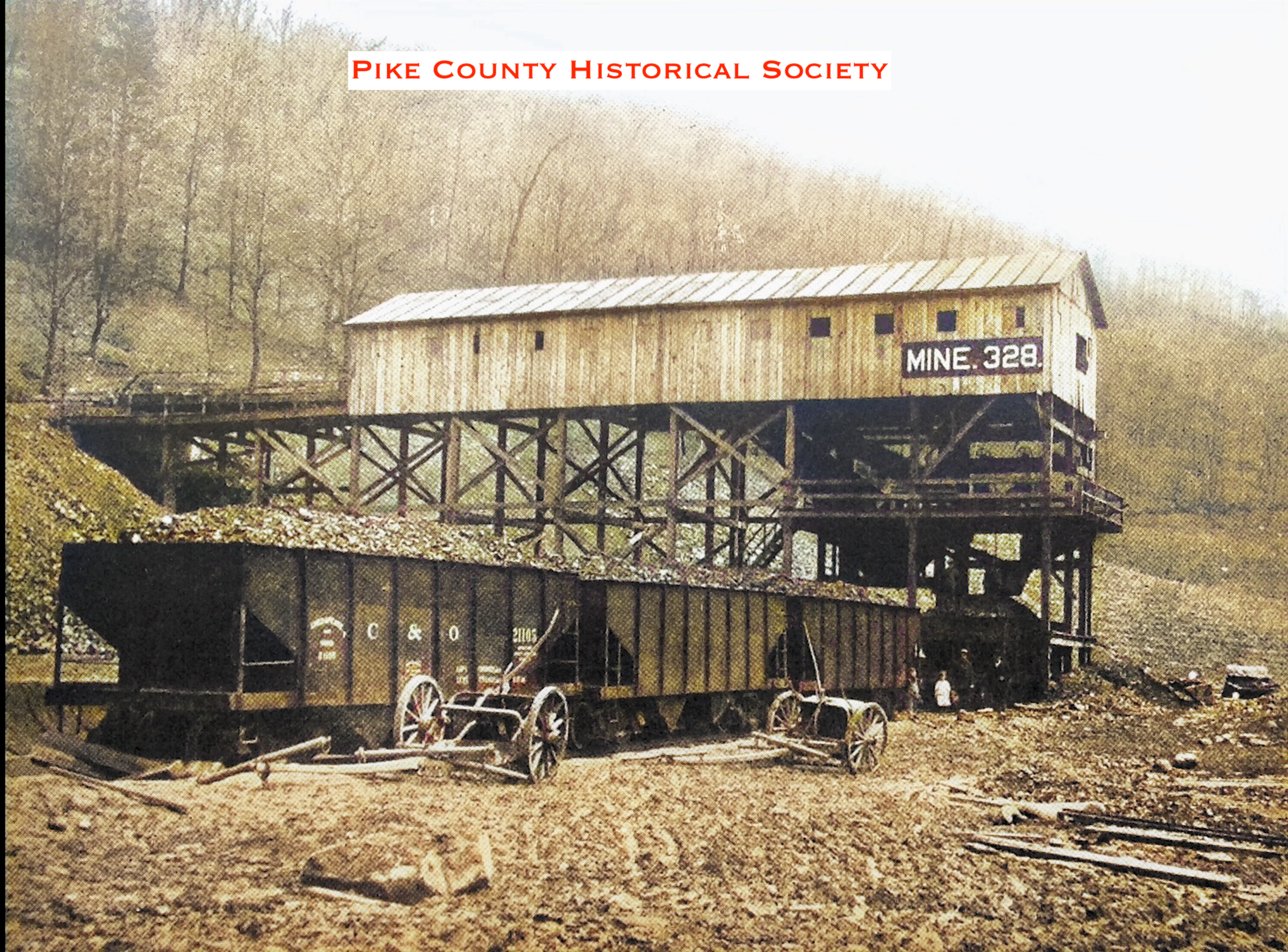
‘The Wayland mine is operating the Elk Horn No. 1 seam which has a general average thickness of about 42 inches of coal. The underground equipment includes 26 electric cutting machines, 25 electric locomotives, 500 new steel mine cars, 1 mechanical loading machine and 23 underground conveyors. These conveyors are arranged to load from 12 working places and to gather the coal to 4 separate points where trips of mine cars are loaded.’
Wayland looking toward Steele Branch
This mine and its equipment has an estimated capacity of 3200 tons per day; this is based on the production made in recent months. The actual output in the year 1936 was 526,071 tons in 250 working days. This was an average of 2100 tons per day, but improvements and additional equipment installed in 1937 have increased this output.’
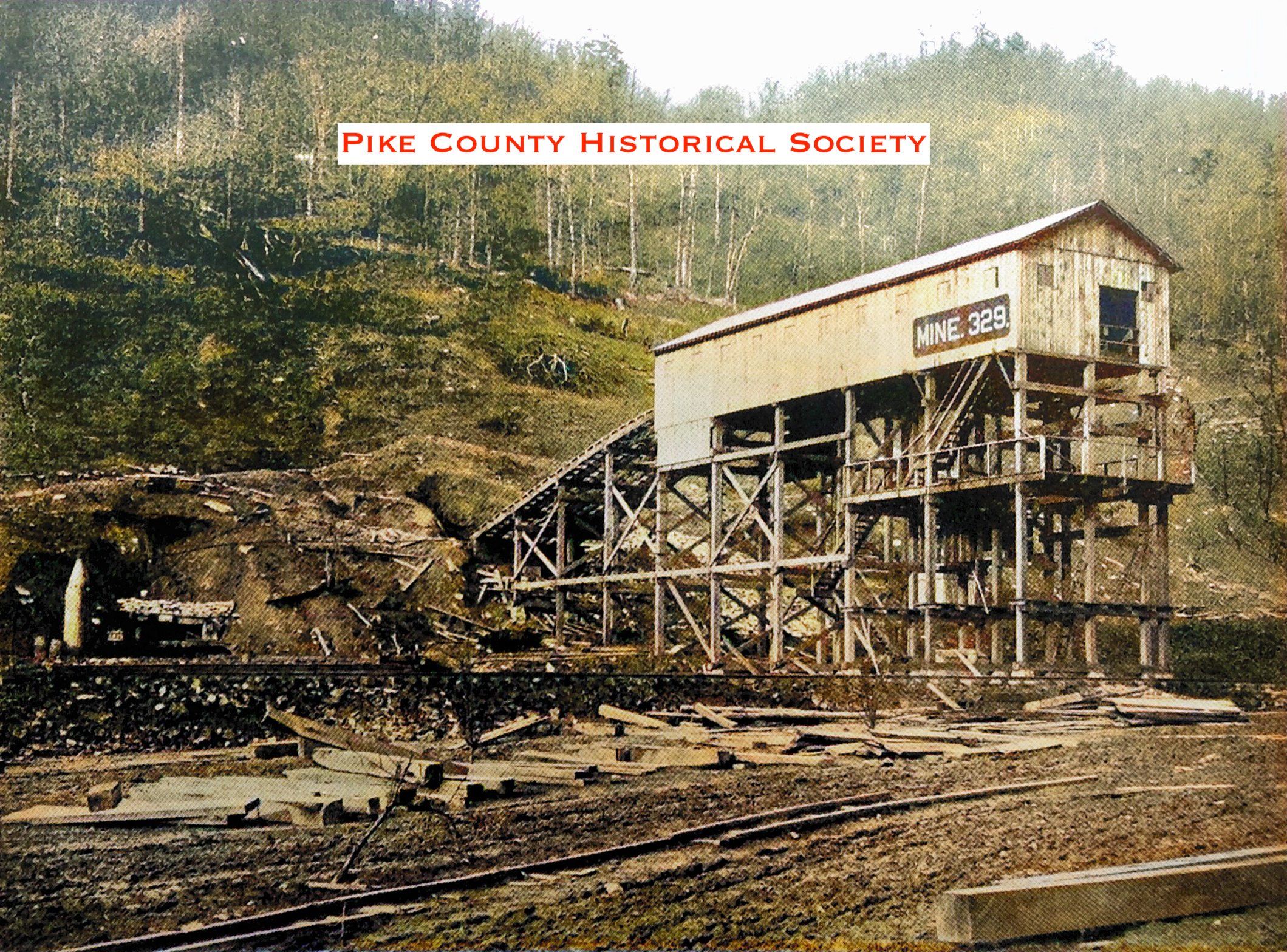
Tipple-Mine No. 329
Wayland Miners Houses
Tipple-Mine No. 329 Later Years
Tipple-Mine No. 330
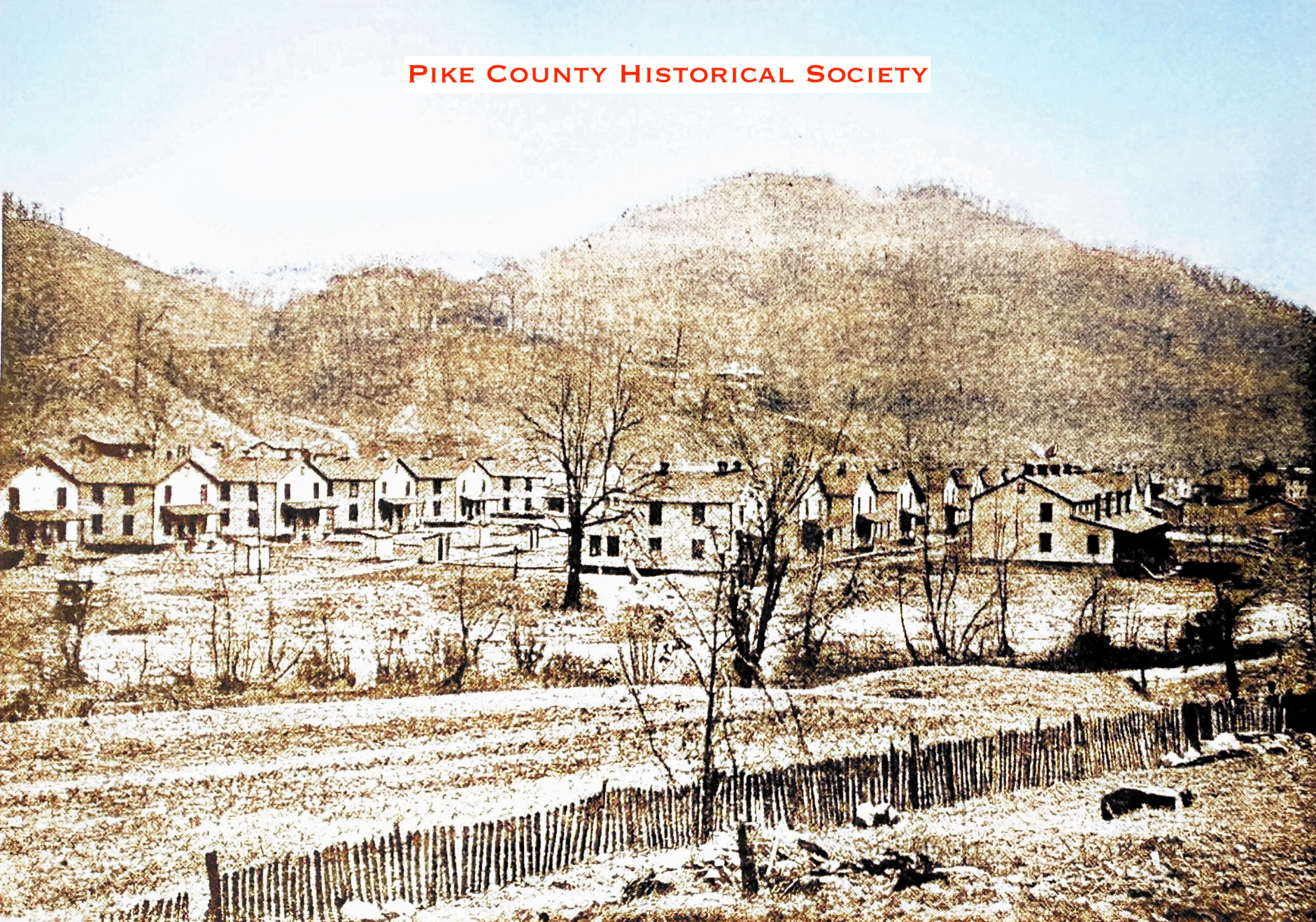
Estill is located between Wayland and Garrett
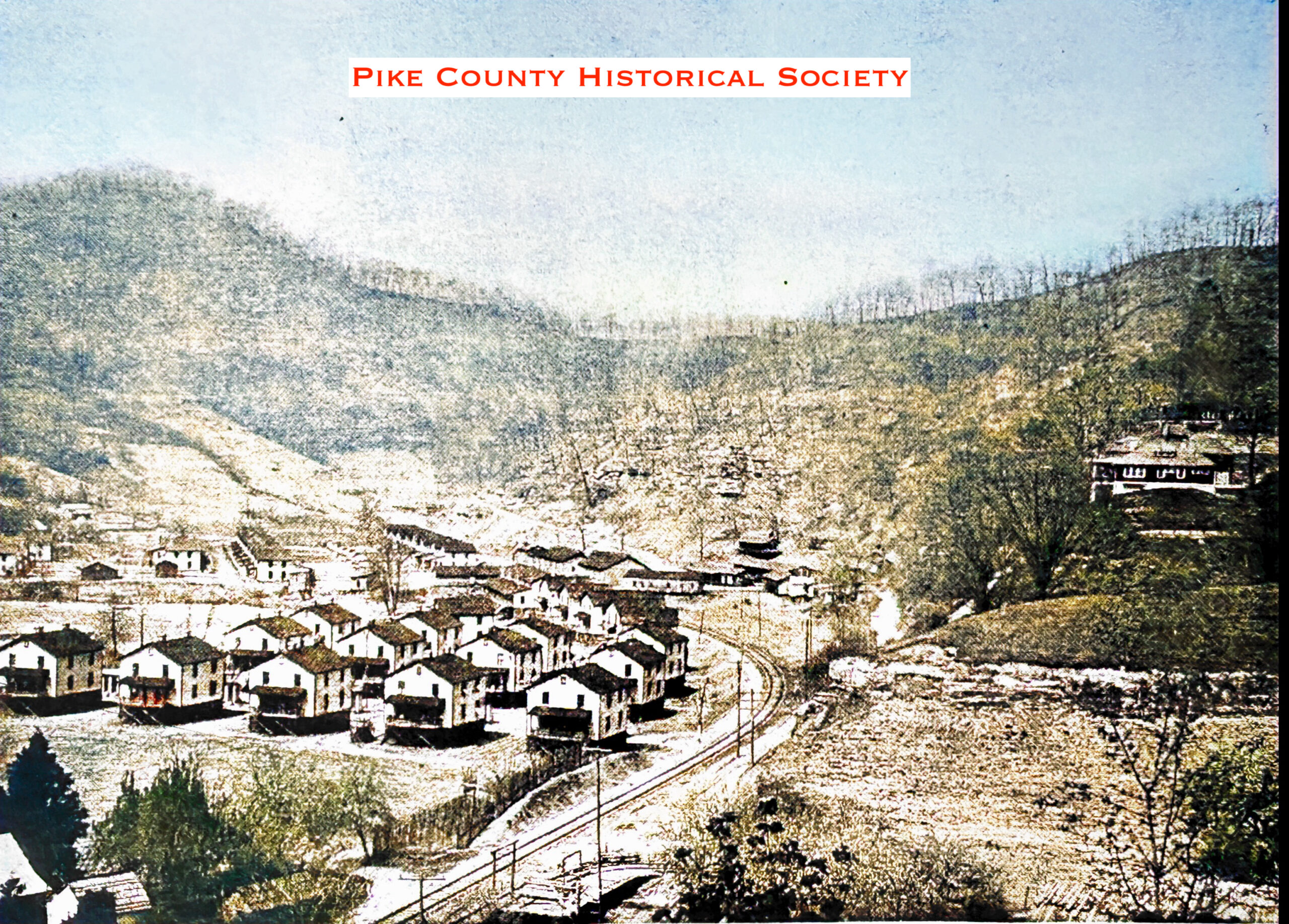
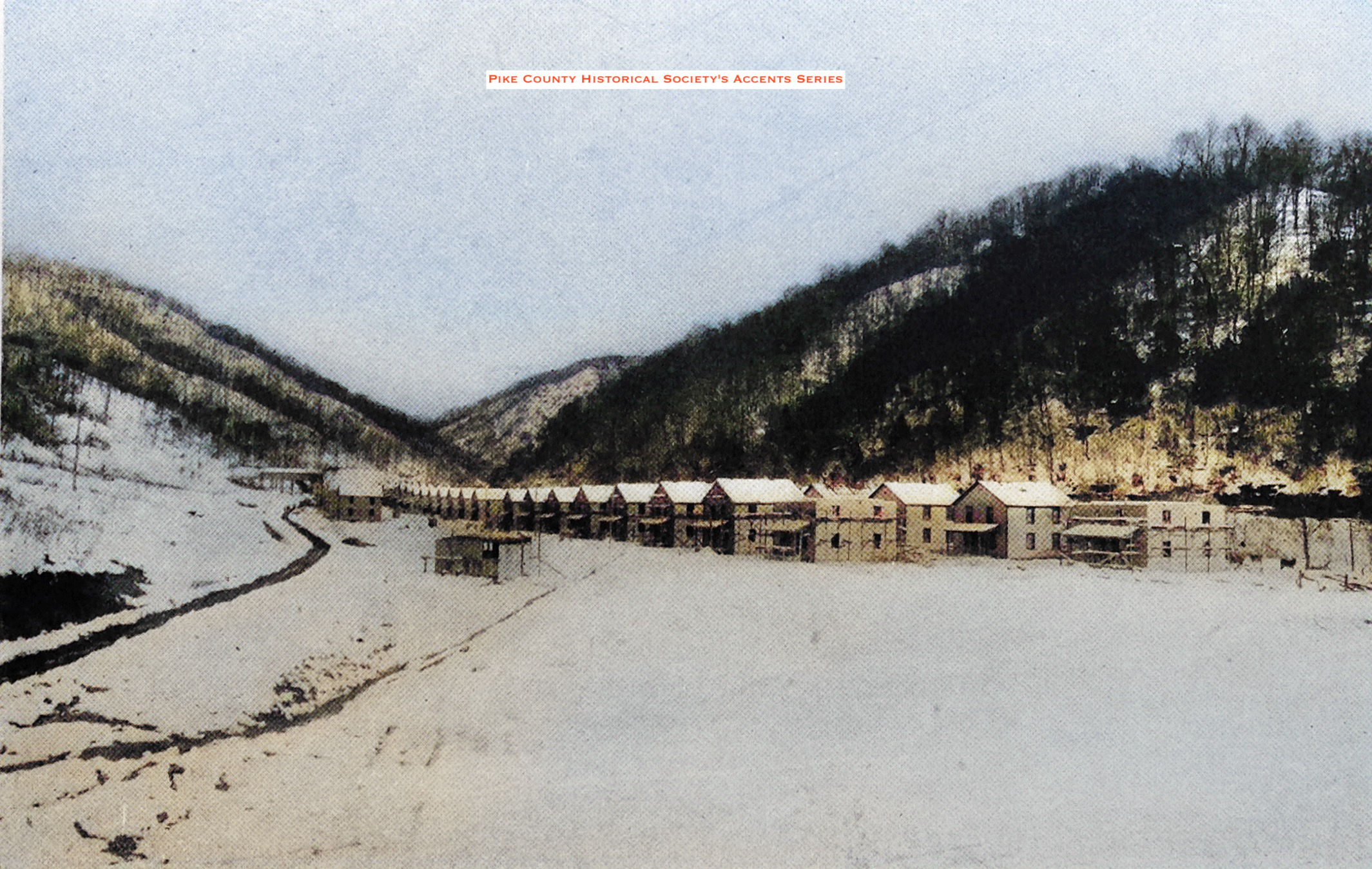
Winter has moved in at Wayland
Wayland and Garrett received its electrical power supply from High Tension Transmission Line from the Consolidated Coal Co. Power Plant from Jenkins. Red line shows Transmission location.
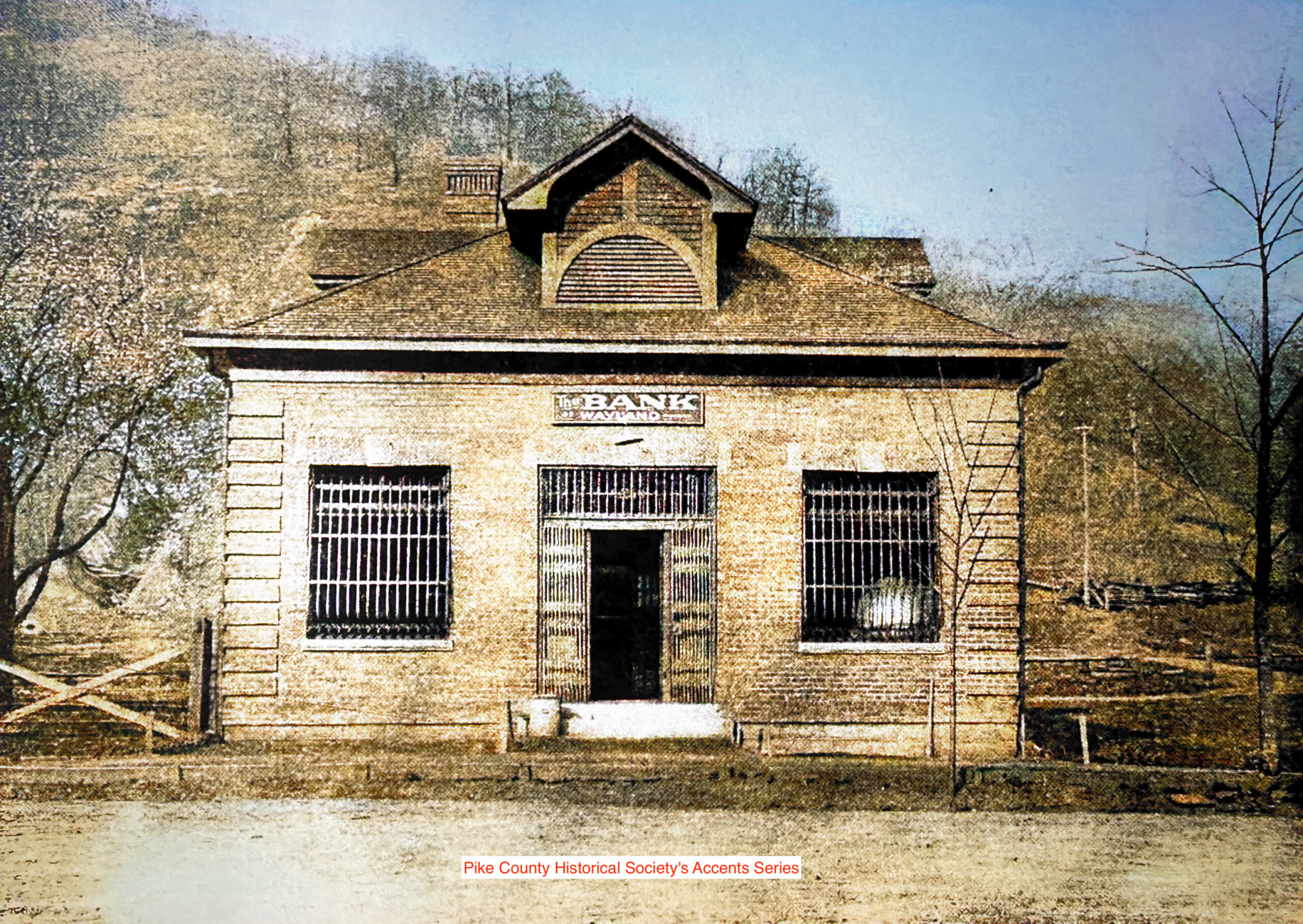
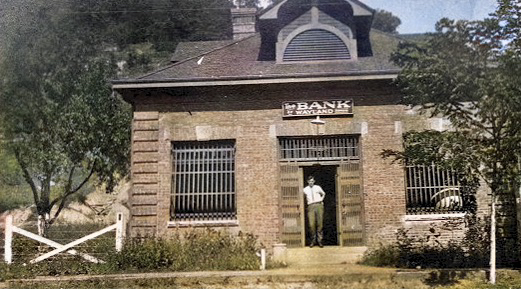
Bank of Wayland
A SPECIAL THANKS TO ALL INSTITUTION AND INDIVIDUALS THAT HAS MADE THIS POSSIBLE:
SMITHSONIAN / NATIONAL MUSEUM OF AMERICAN HISTORY, KENNETH E. BEHRING CENTER
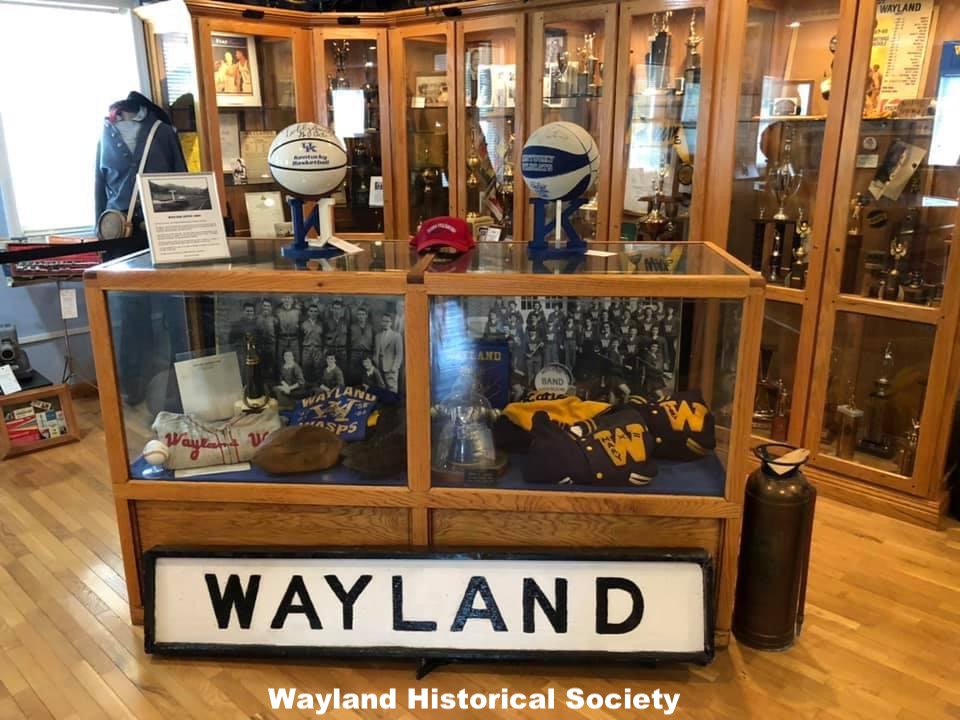
WAYLAND HISTORICAL SOCIETY
ANONYMOUS DONORS