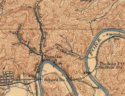
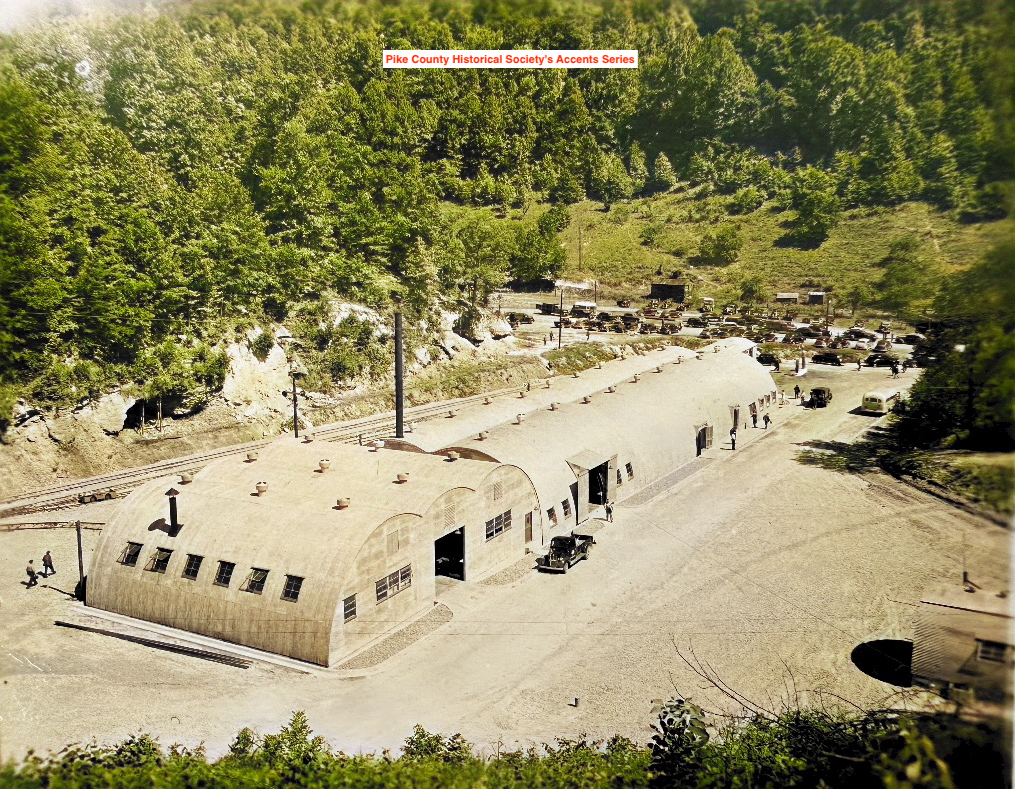
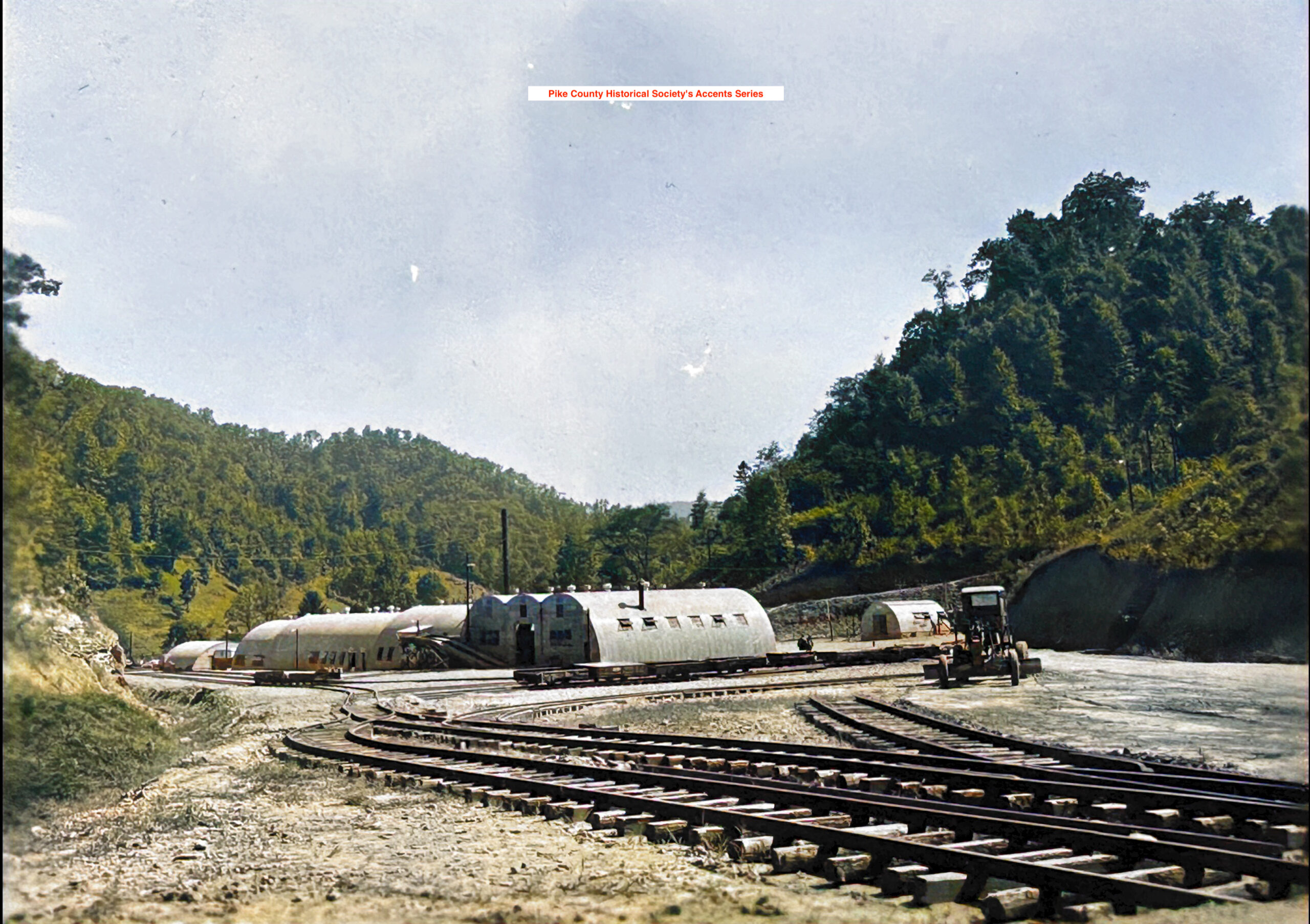
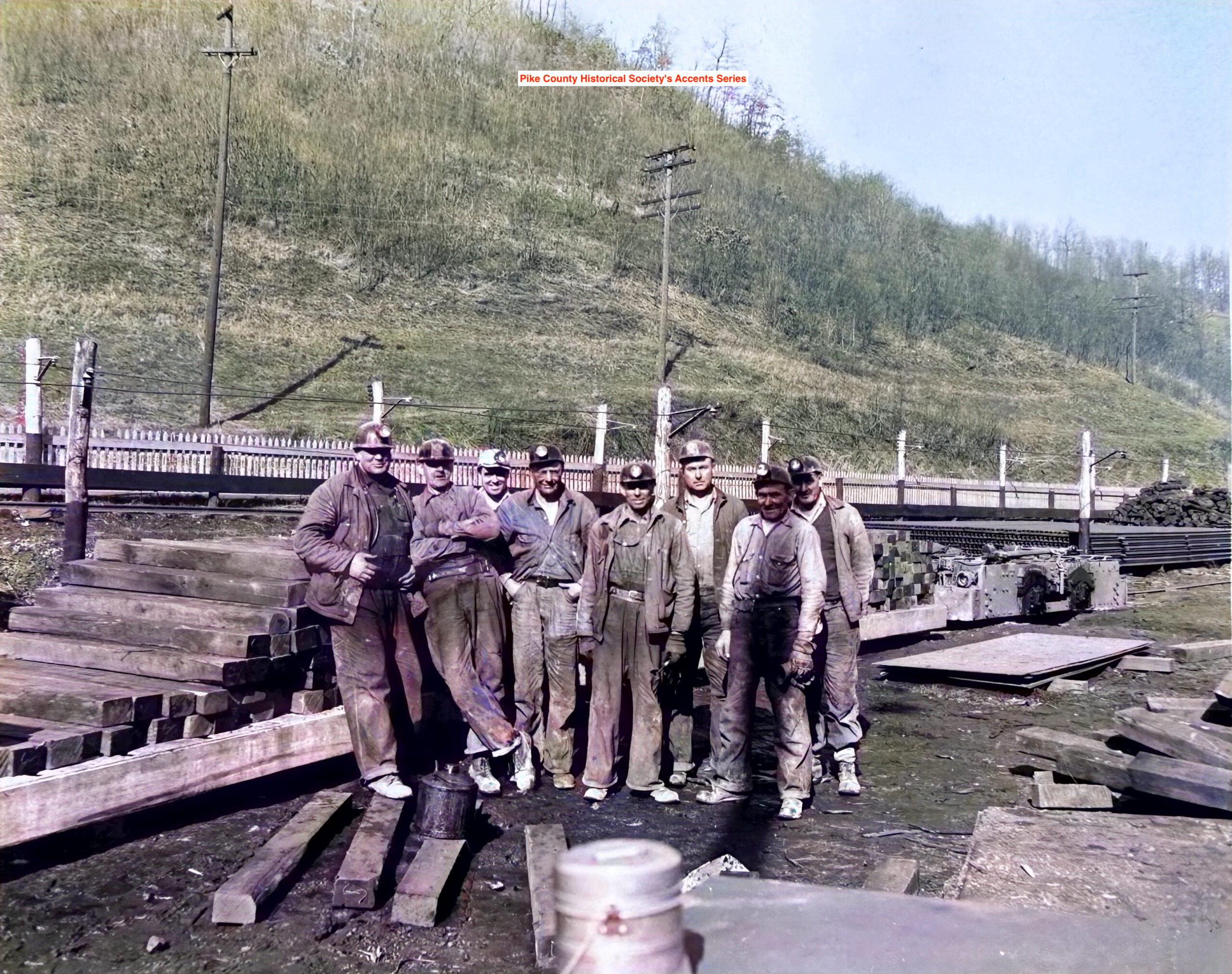
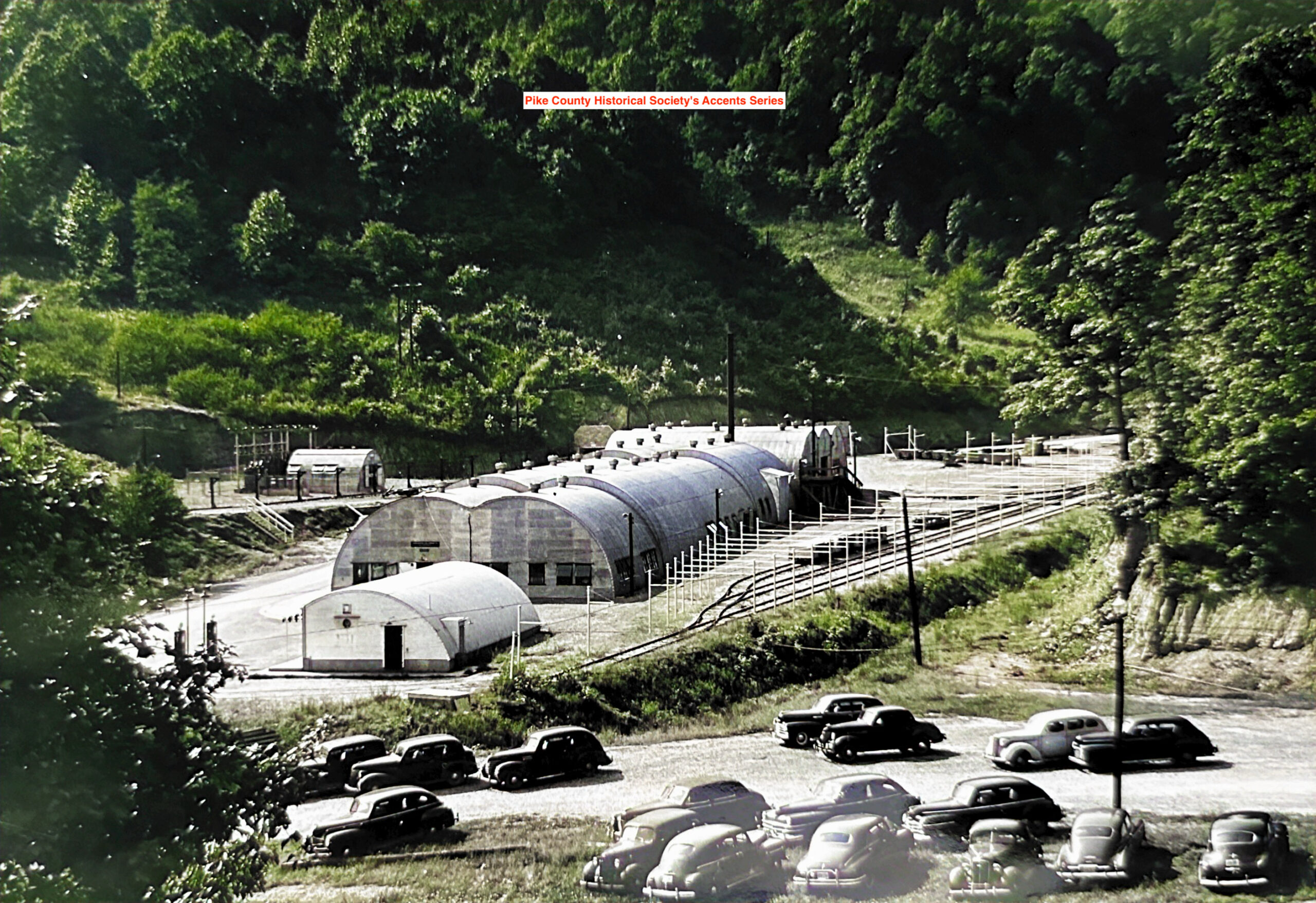
The Marshall’s Branch Mine Complex was constructed in 1947. Marshall’s Branch was the first mine portal built away from the town of Jenkins, this was due, partly to part of the contract, where people would ride two or three hours a day which made production cost pretty expensive. The reason for this was to shorten the time the No. 204 Consolidation Company men would travel, underground, and Marshall’s Branch was the logical place to do this in this situation. it also provided because all they co-company with better toilet and shower facilities. It was done with a lot of modern ideals at the time: indoor plumbing, and the road was built 2.2 miles up Marshall”s Branch a black top road provided access for men, a store building for the bread and butter needs, and the bath house, etc..
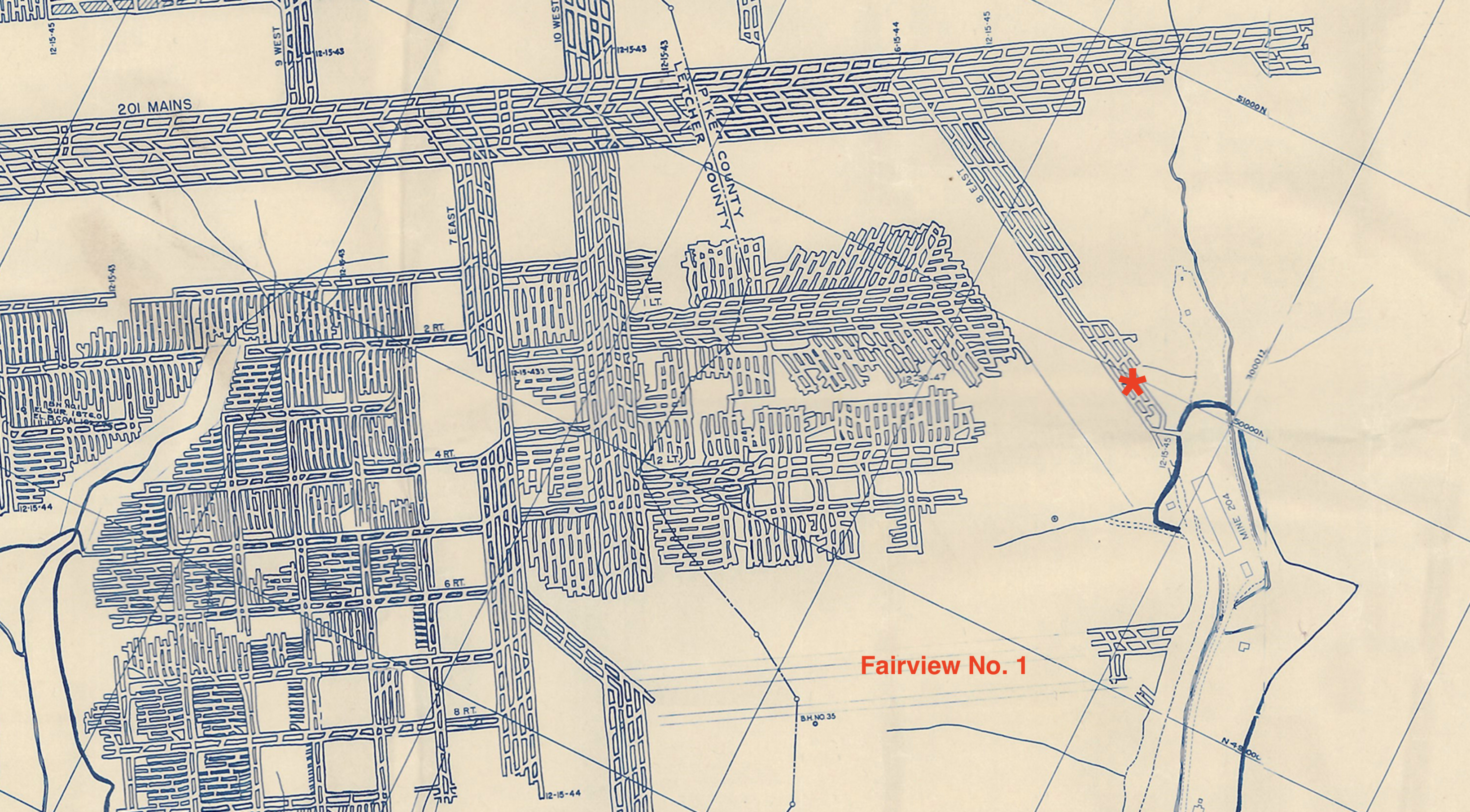
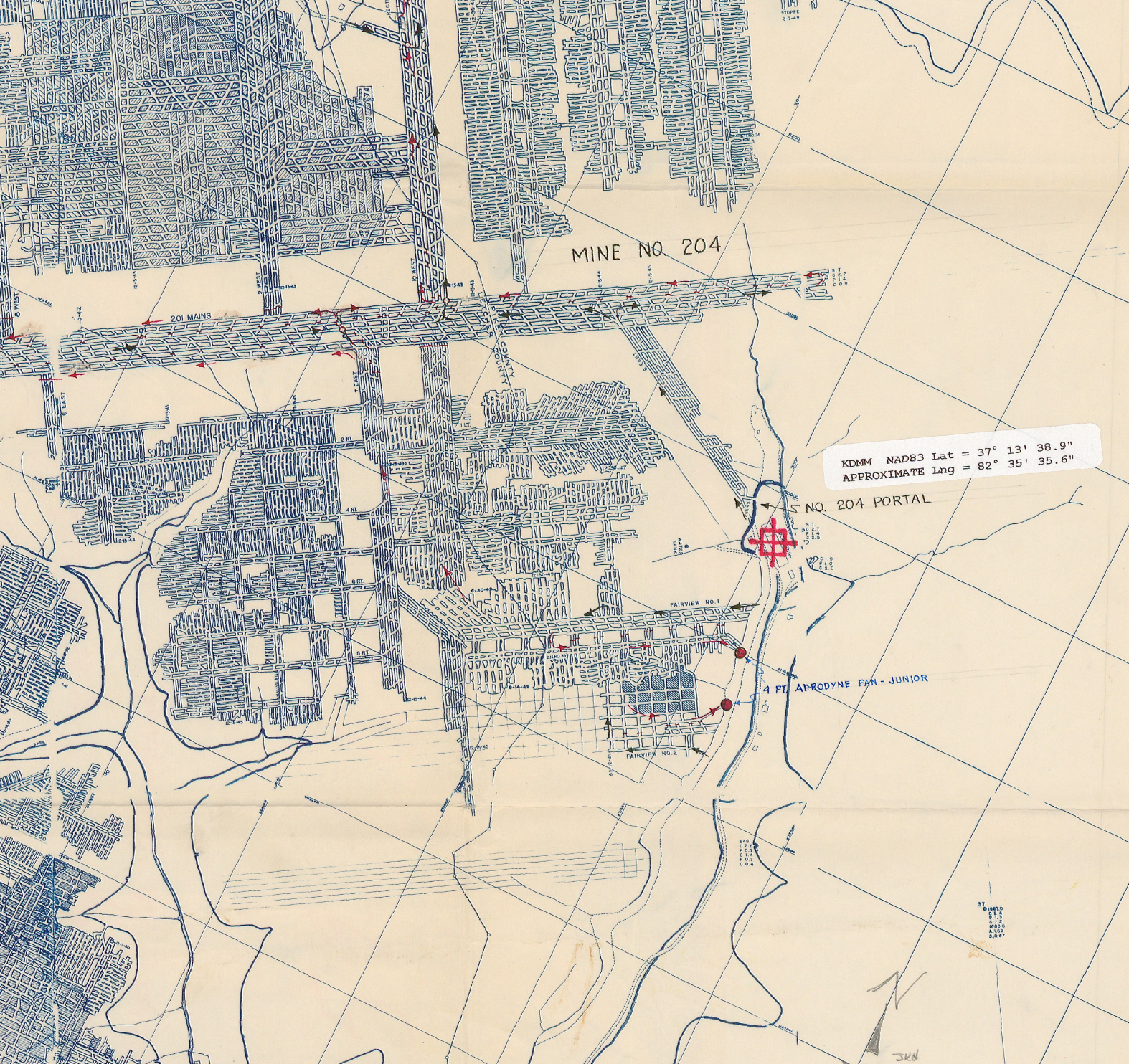
The new 204 Portal was punched out December 15, 1945
Mining in the Day Light
N.B. FREEMAN AND CHARLIE HALL put in rib shear as they complete the first cut at the Fairview Section of Mine 204, located on Marshall Branch, this is a 10-RU Sullivan Cutting Machine, very similar to the 11-RU, only higher.
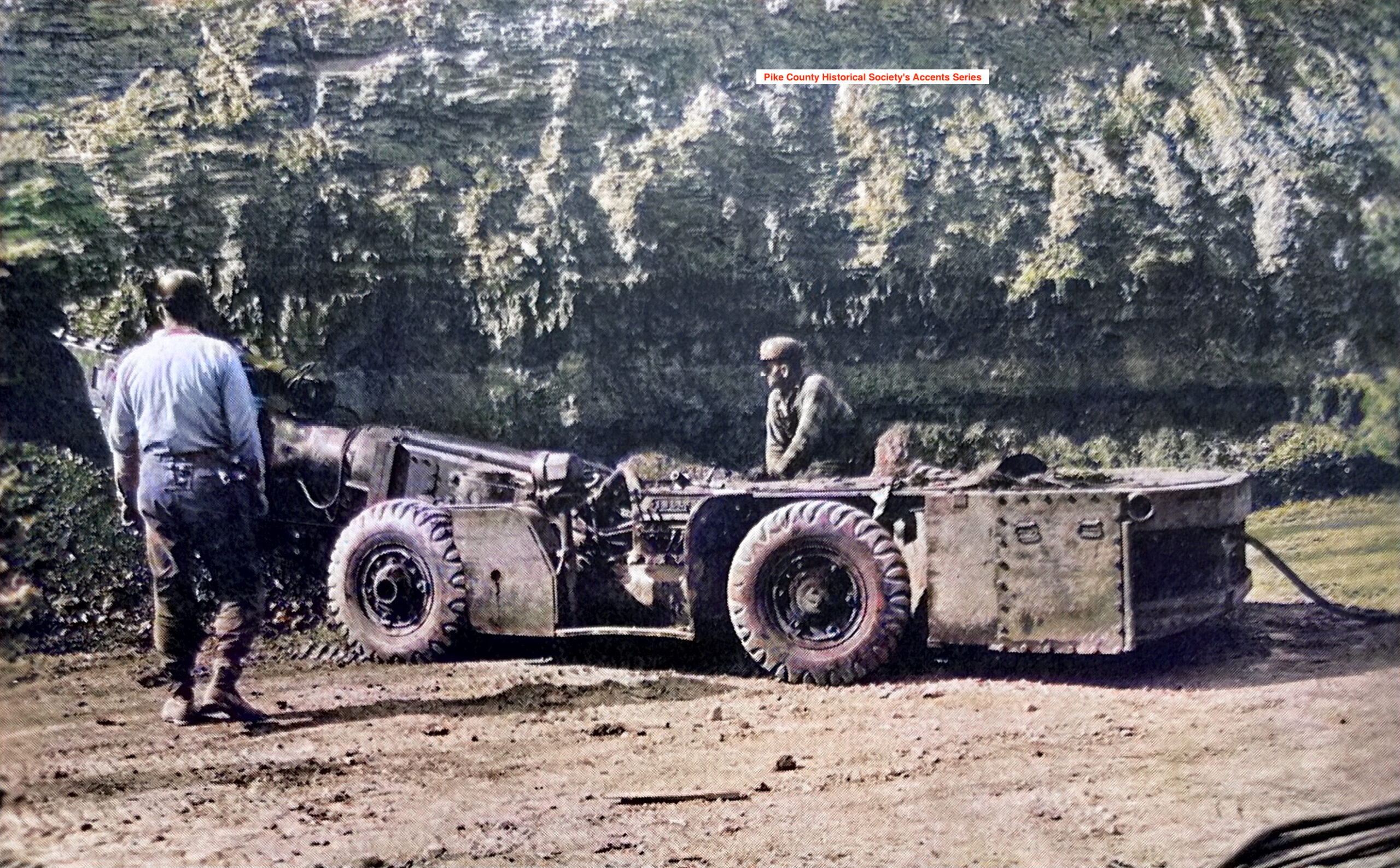
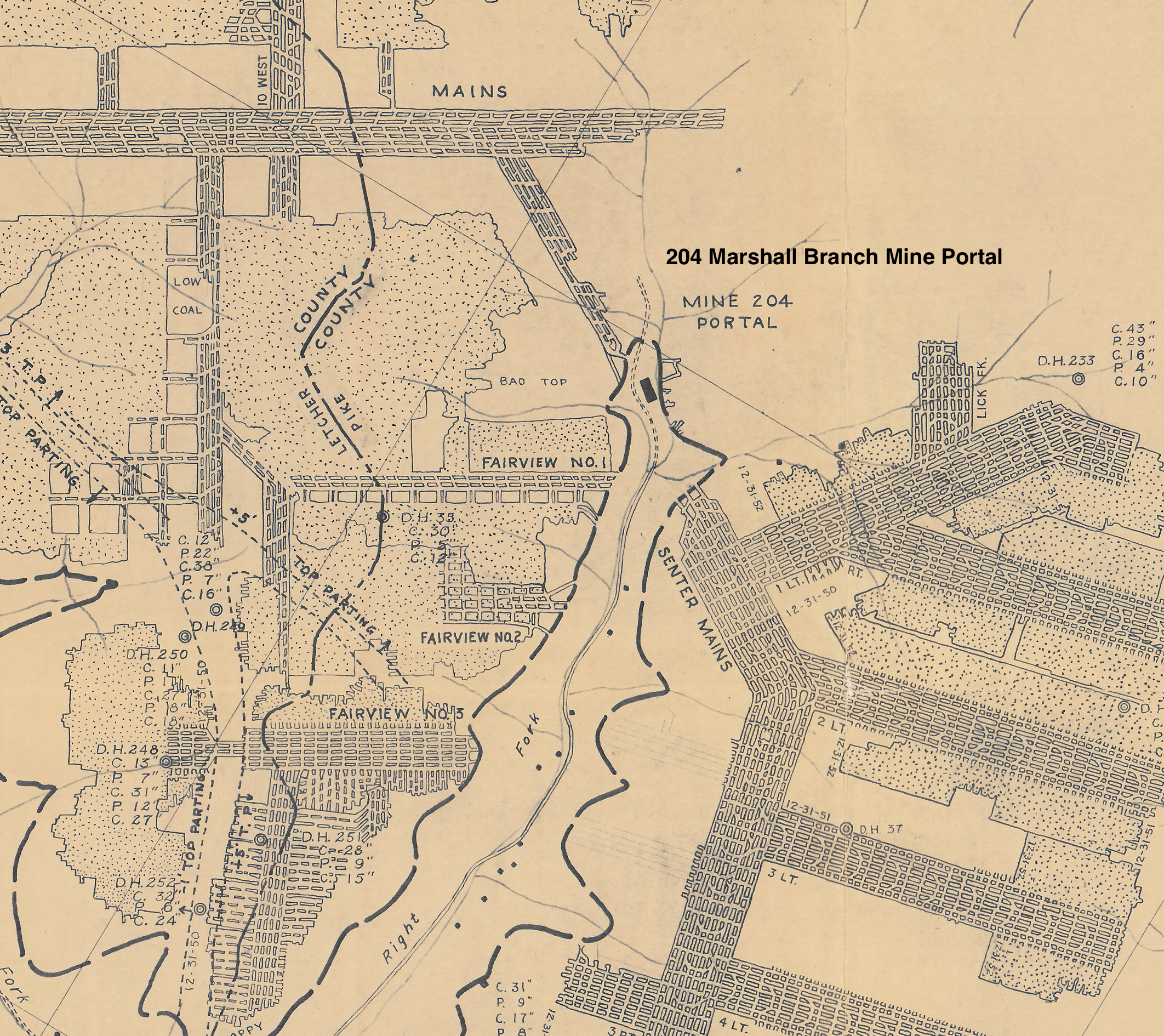
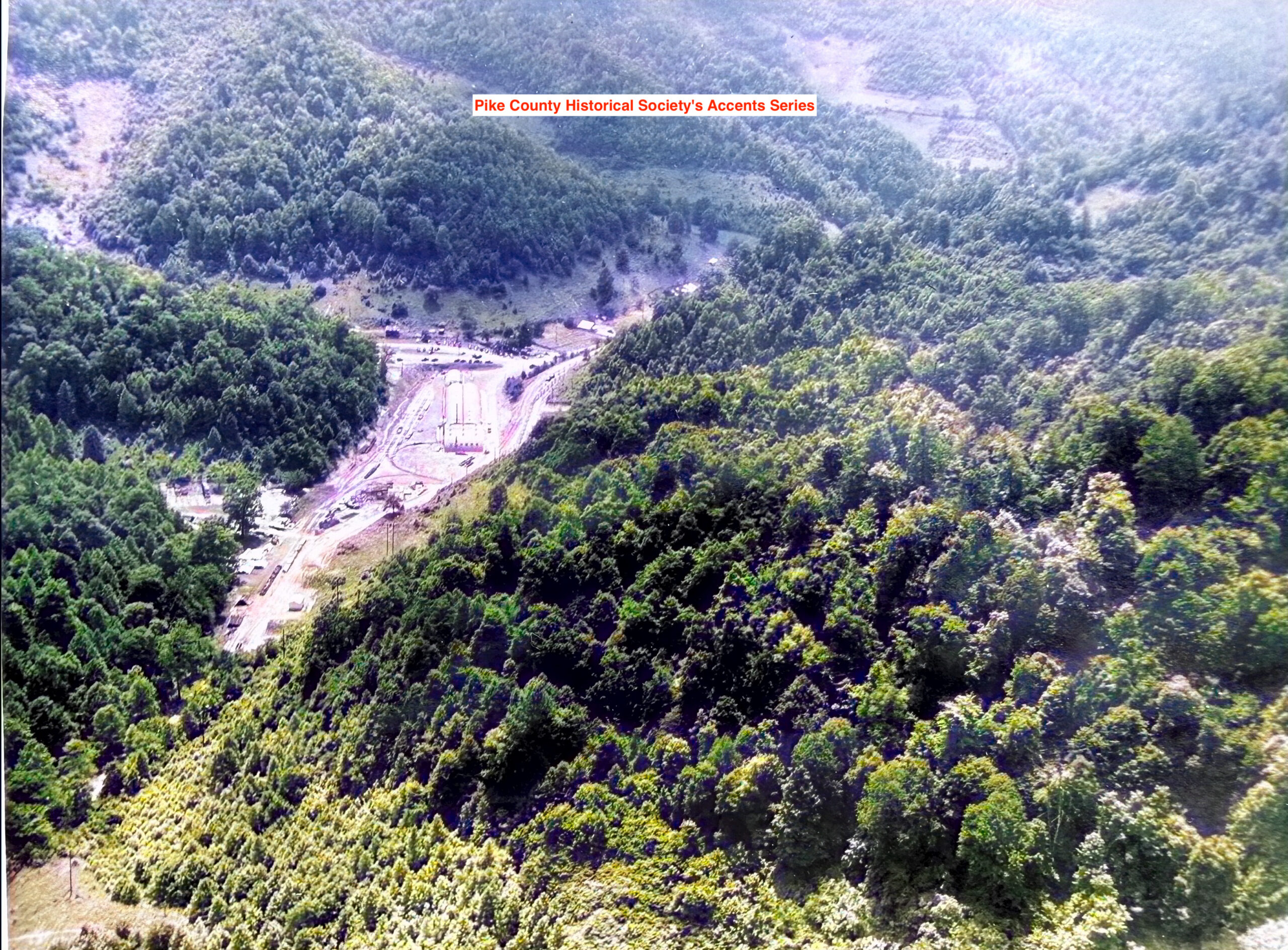
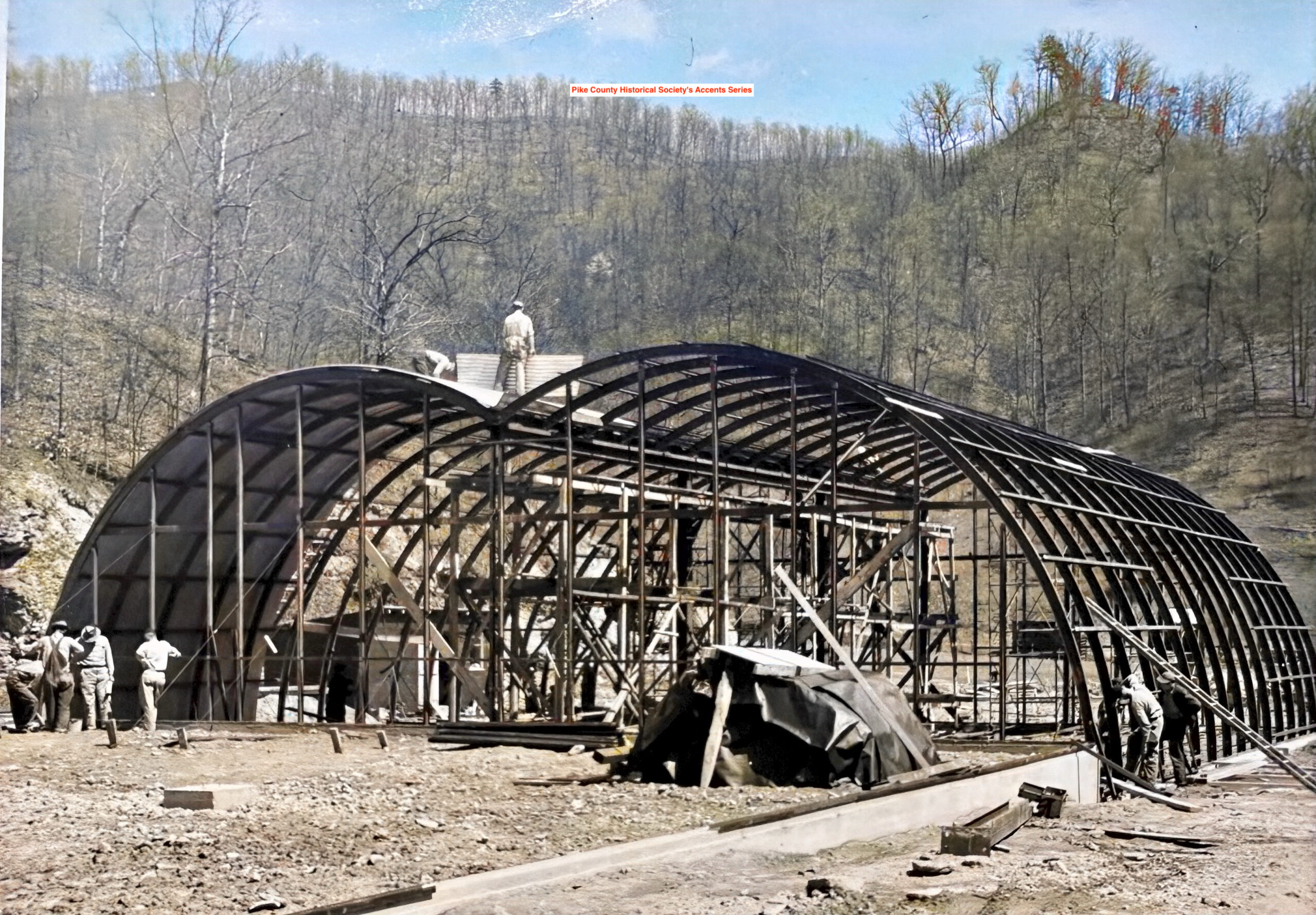
Construction on the new 204 Mine Facility Entry begins at Marshall’s Branch
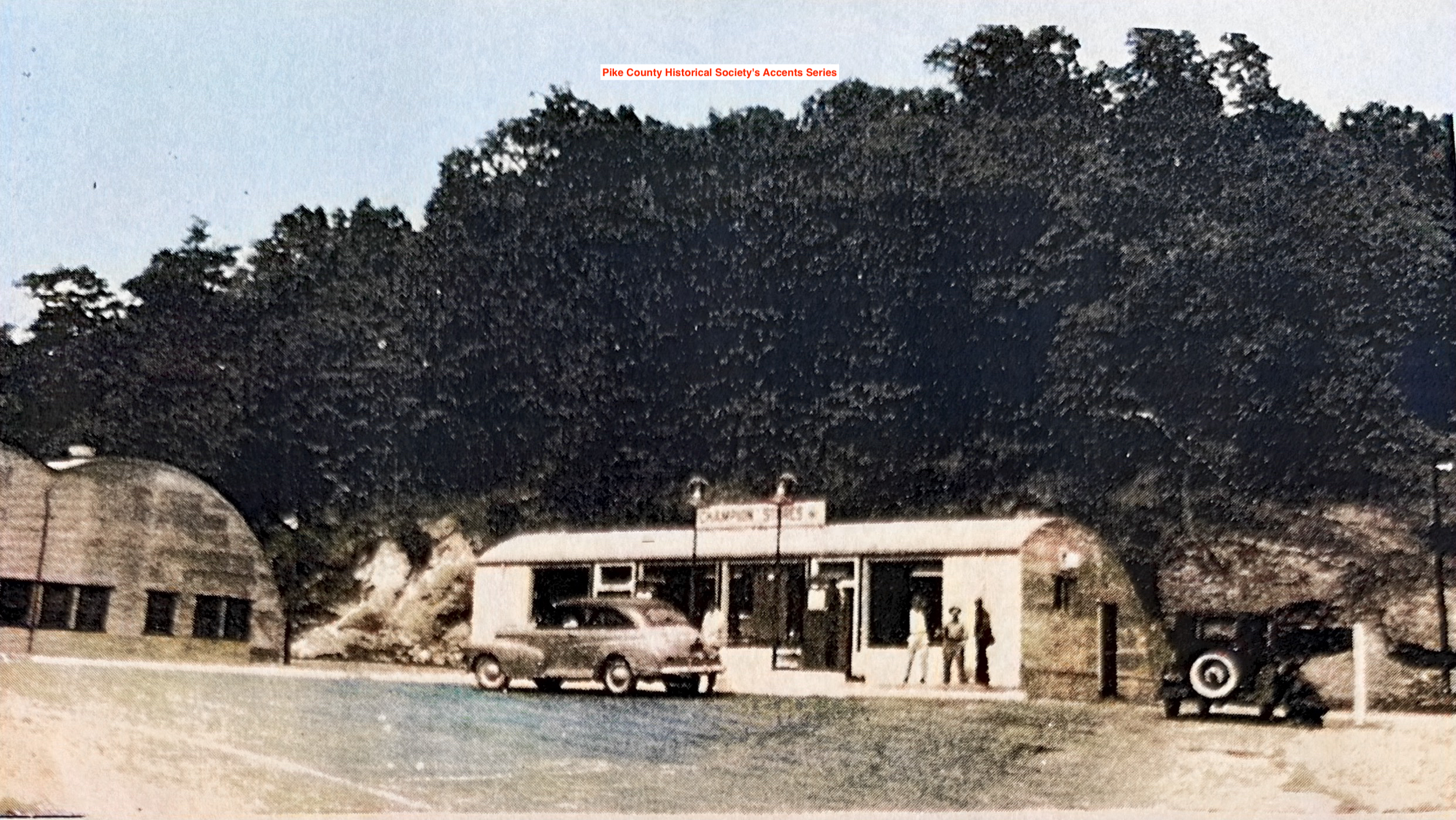
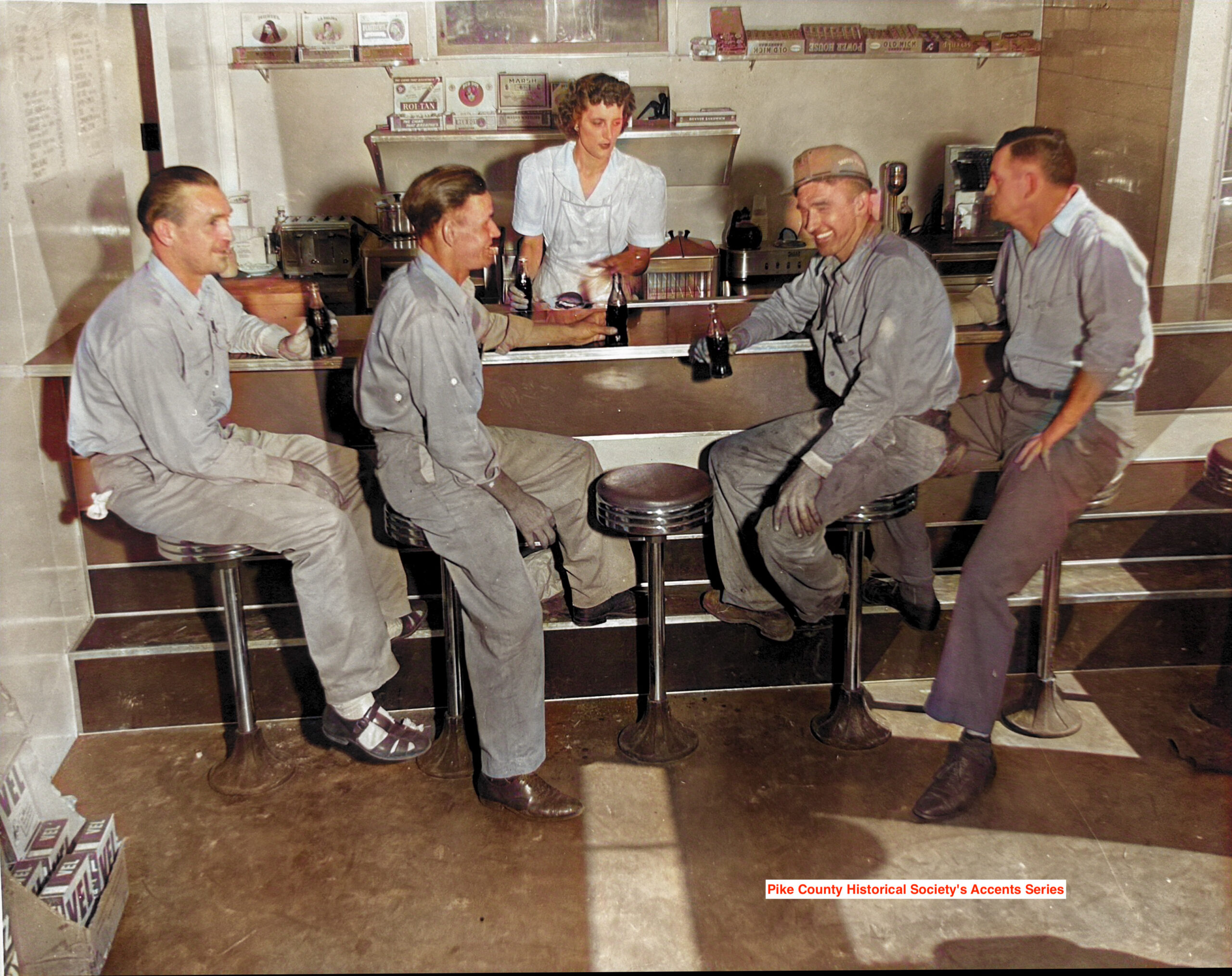
Section Foreman’s eating at the Champion Stores Grill
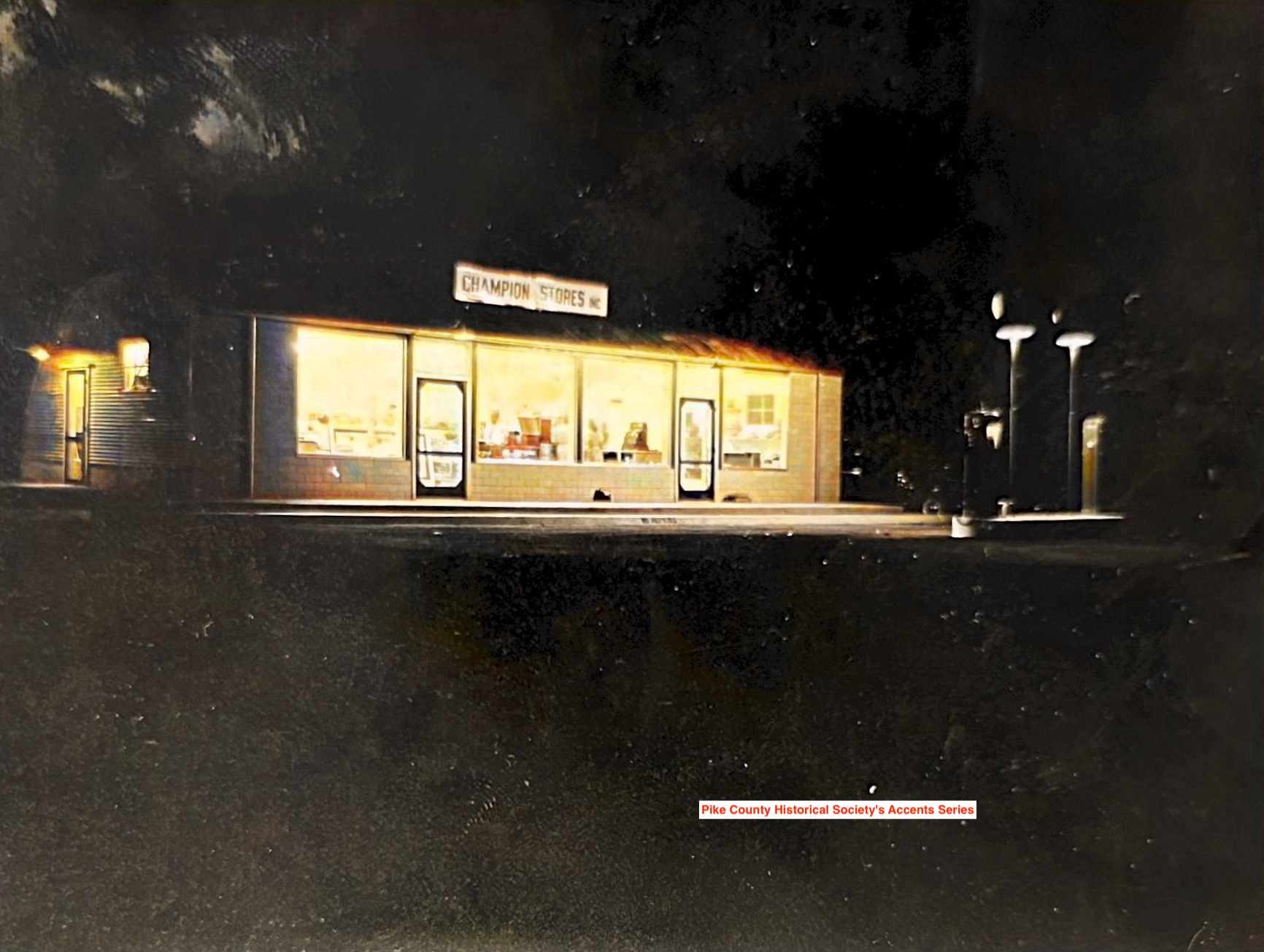
Night Time at Champion
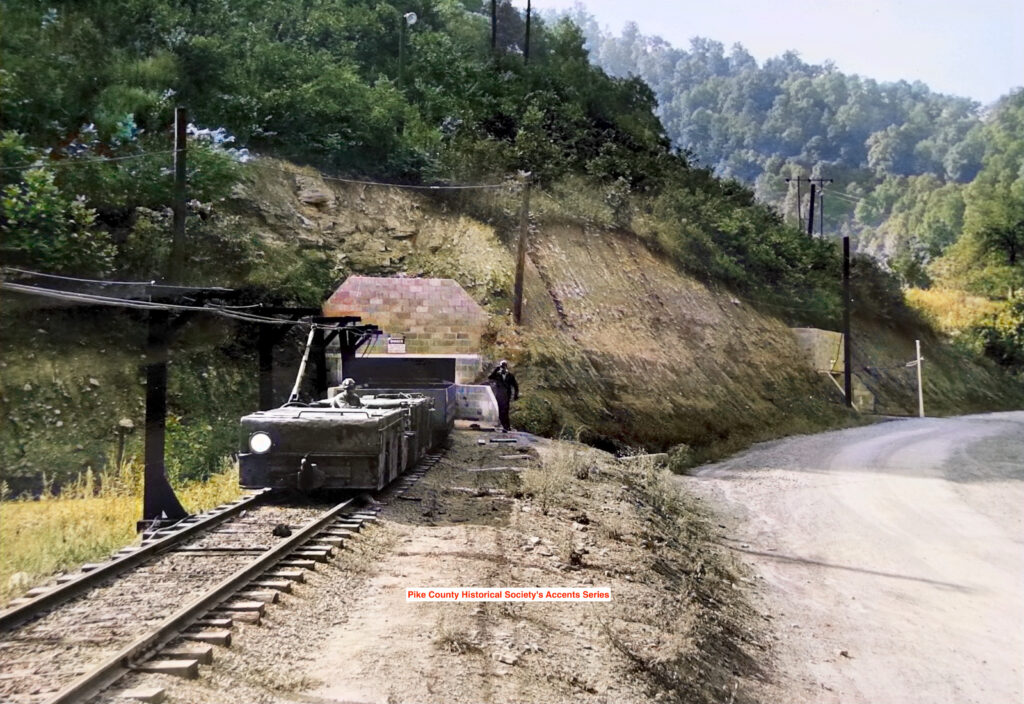
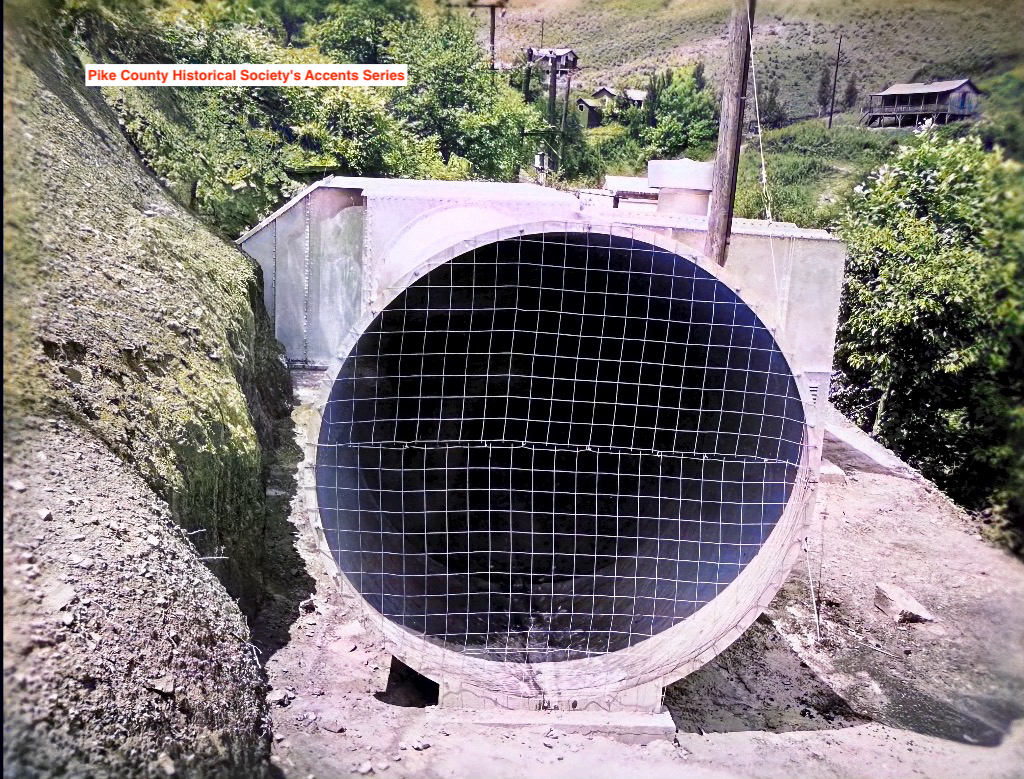
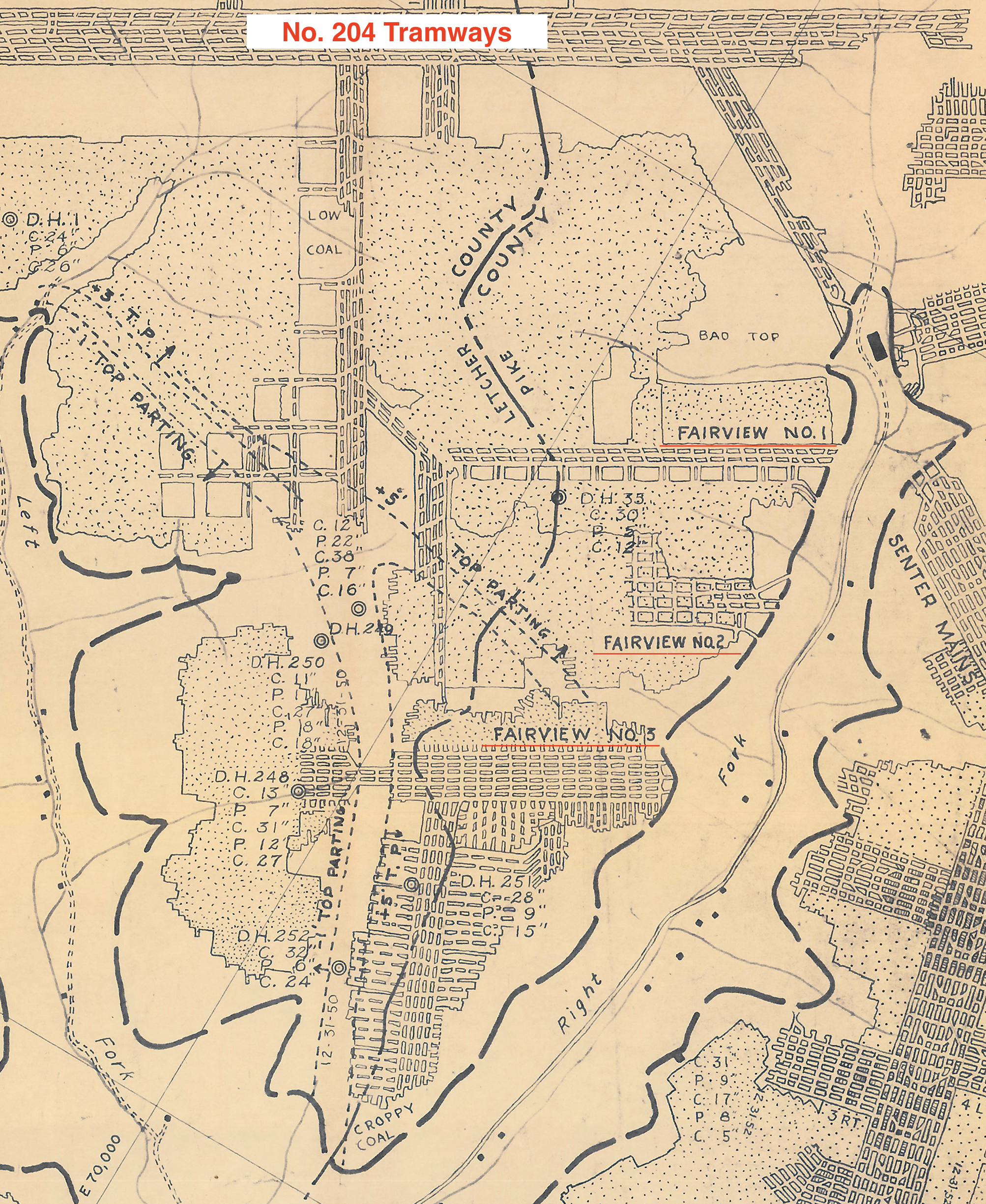
Ventilation/ Fan House locations.
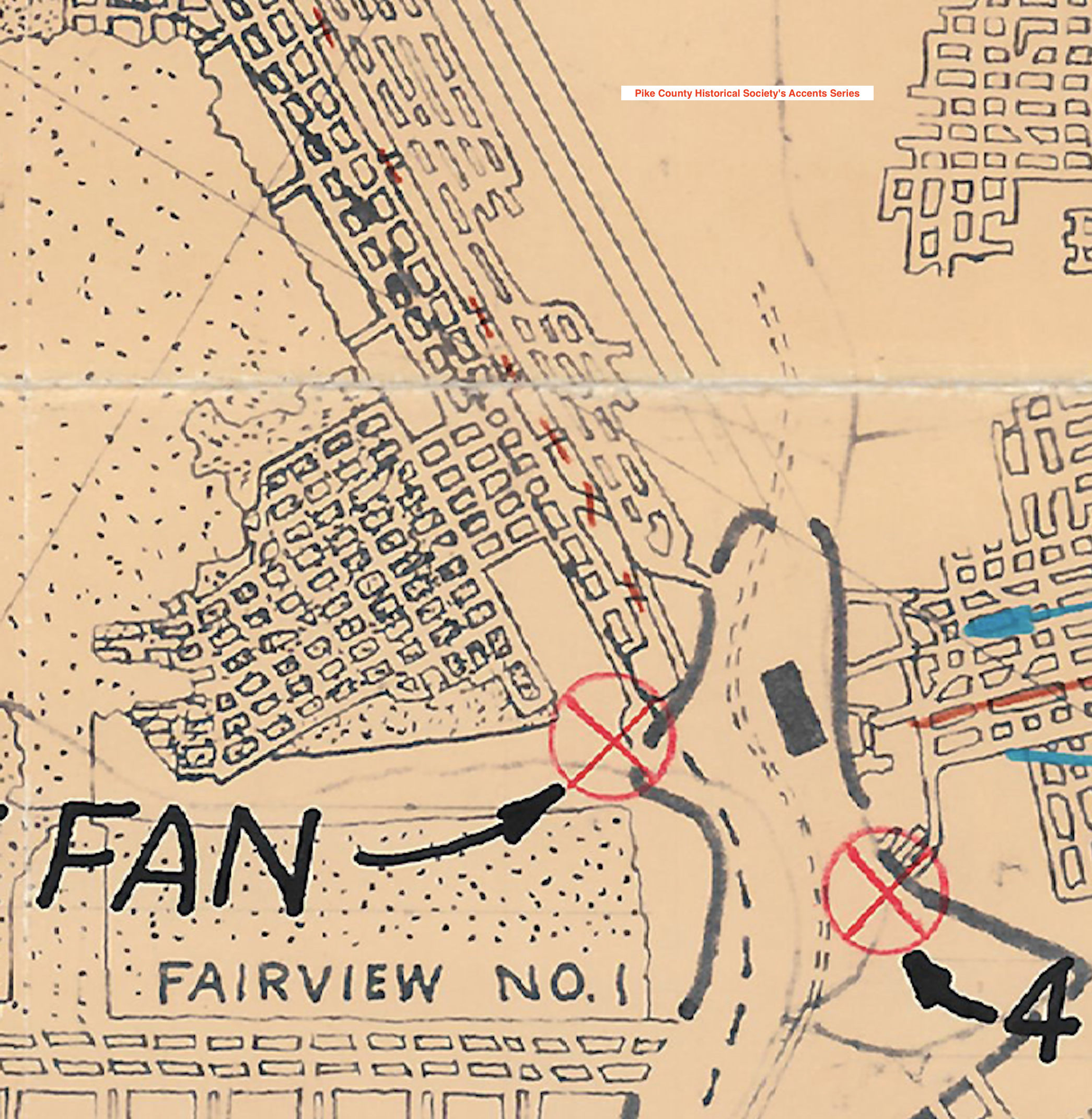
Ventilation Fan for new Marshall’s Branch Mine Entry Panel, right side, above map.
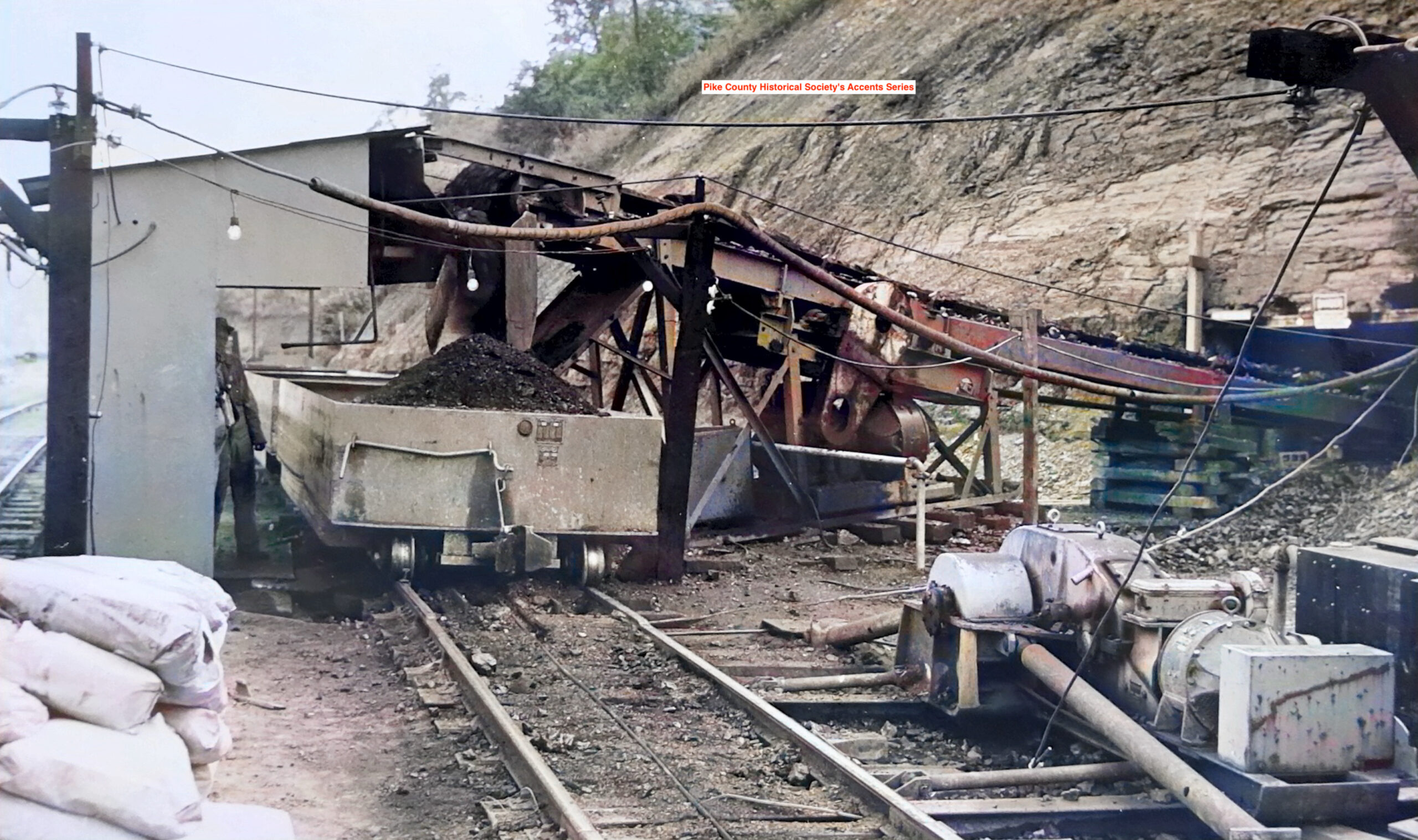
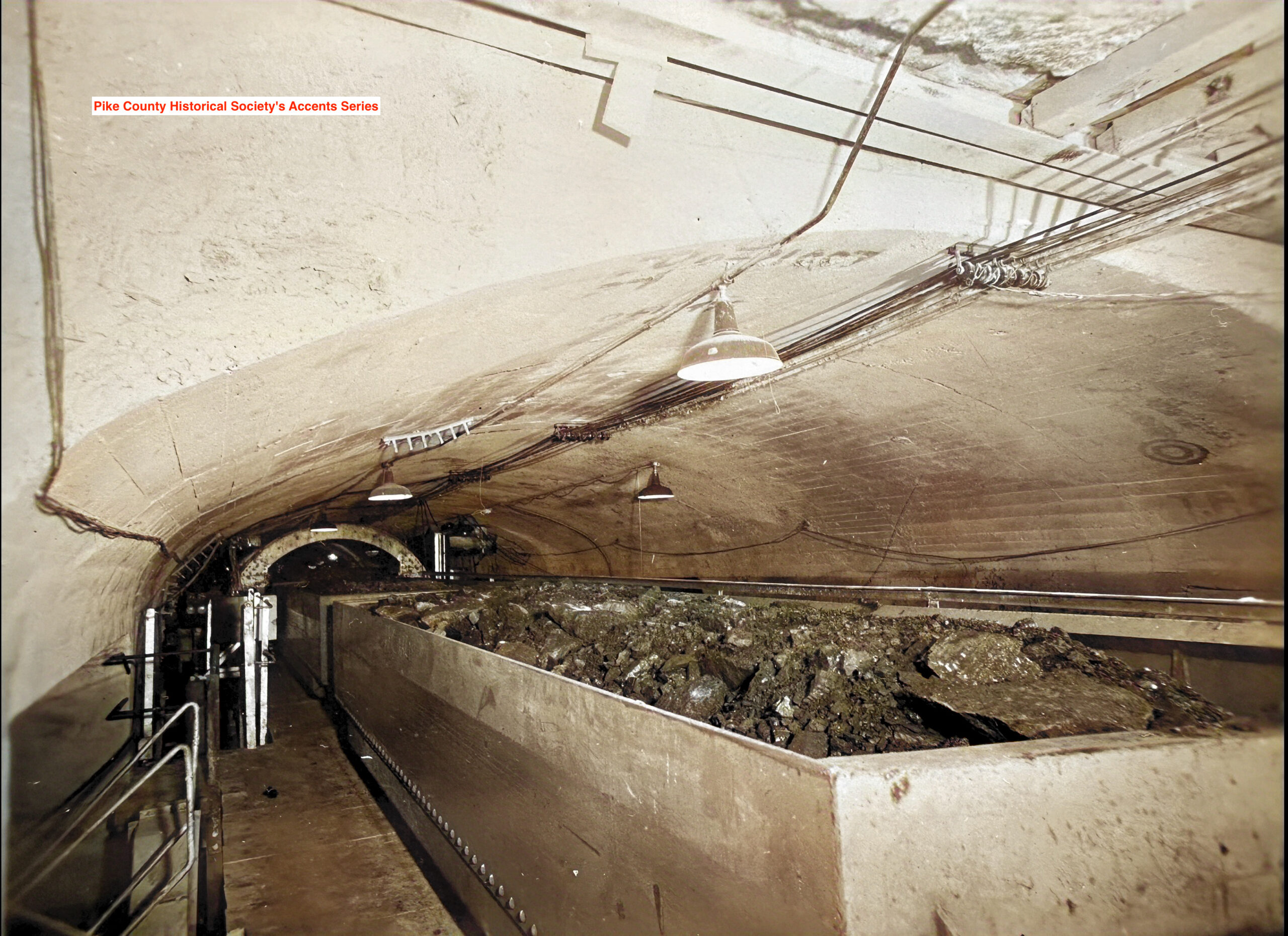
The coal loaded from the Fairview section of mine portal, re-enters the old No. 201 Mains and travels nearly 6 miles underground to the dump at the central preparation plant. These eight wheel cars are equipped with booster type truck and automatic covers. The springs in the truck insure a smooth ride, thus reducing spillage and keeping the hallway clean. The average weight of these cars are about 12 ton. Quite a notable difference in the cars used 38 years ago and those off today.
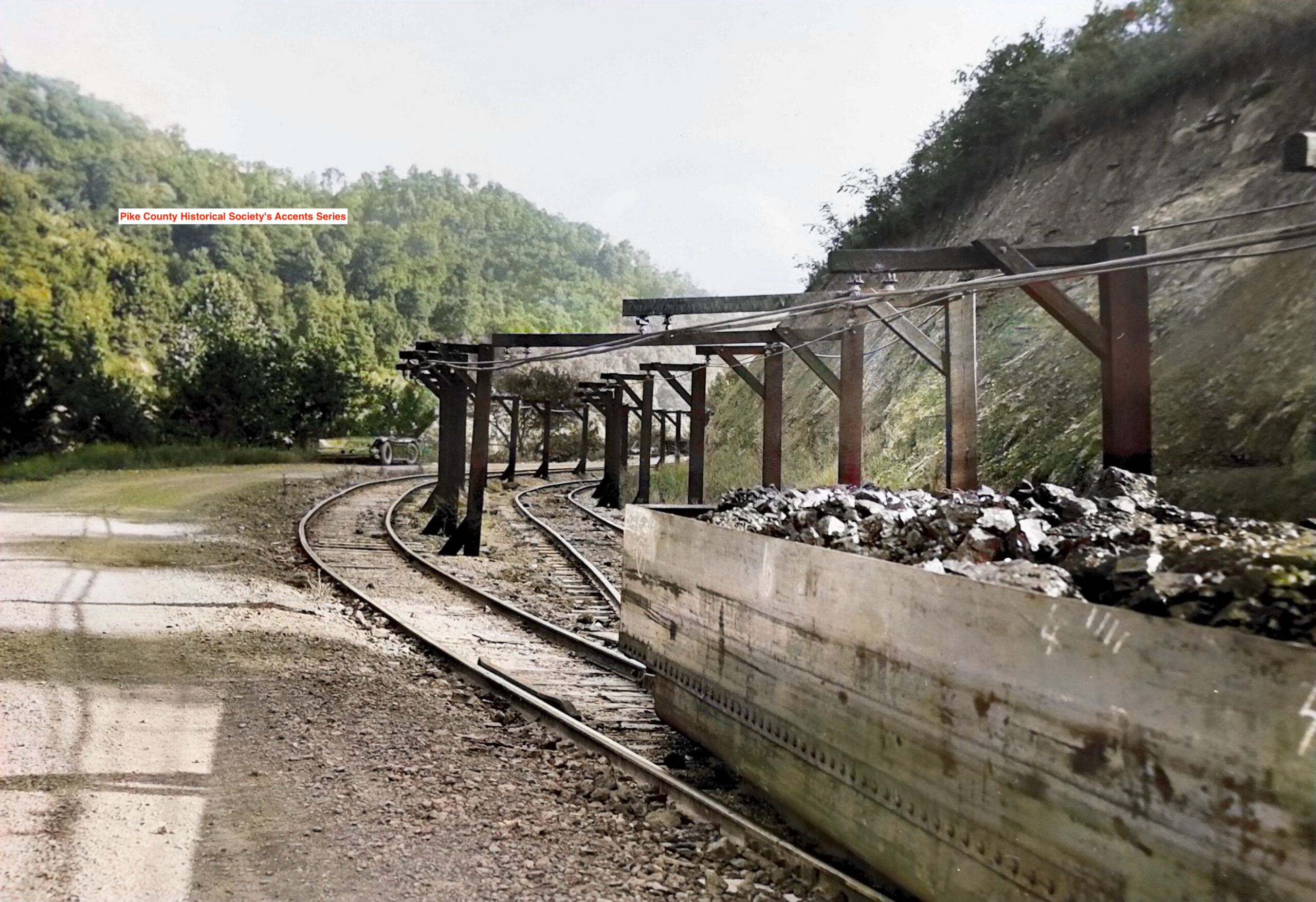
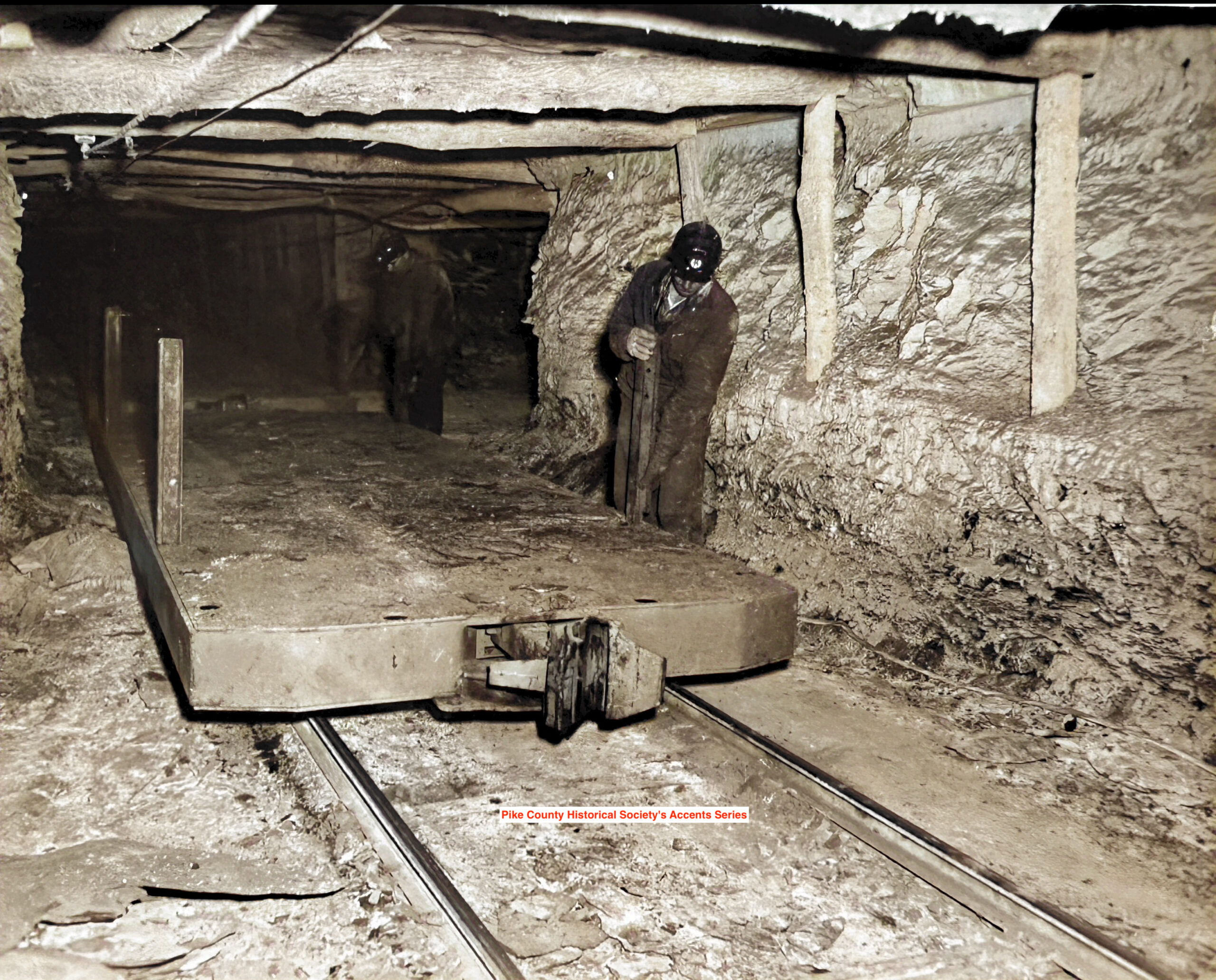
Mine Car Track shown was built to carry coal from the Fairview Mine Portals
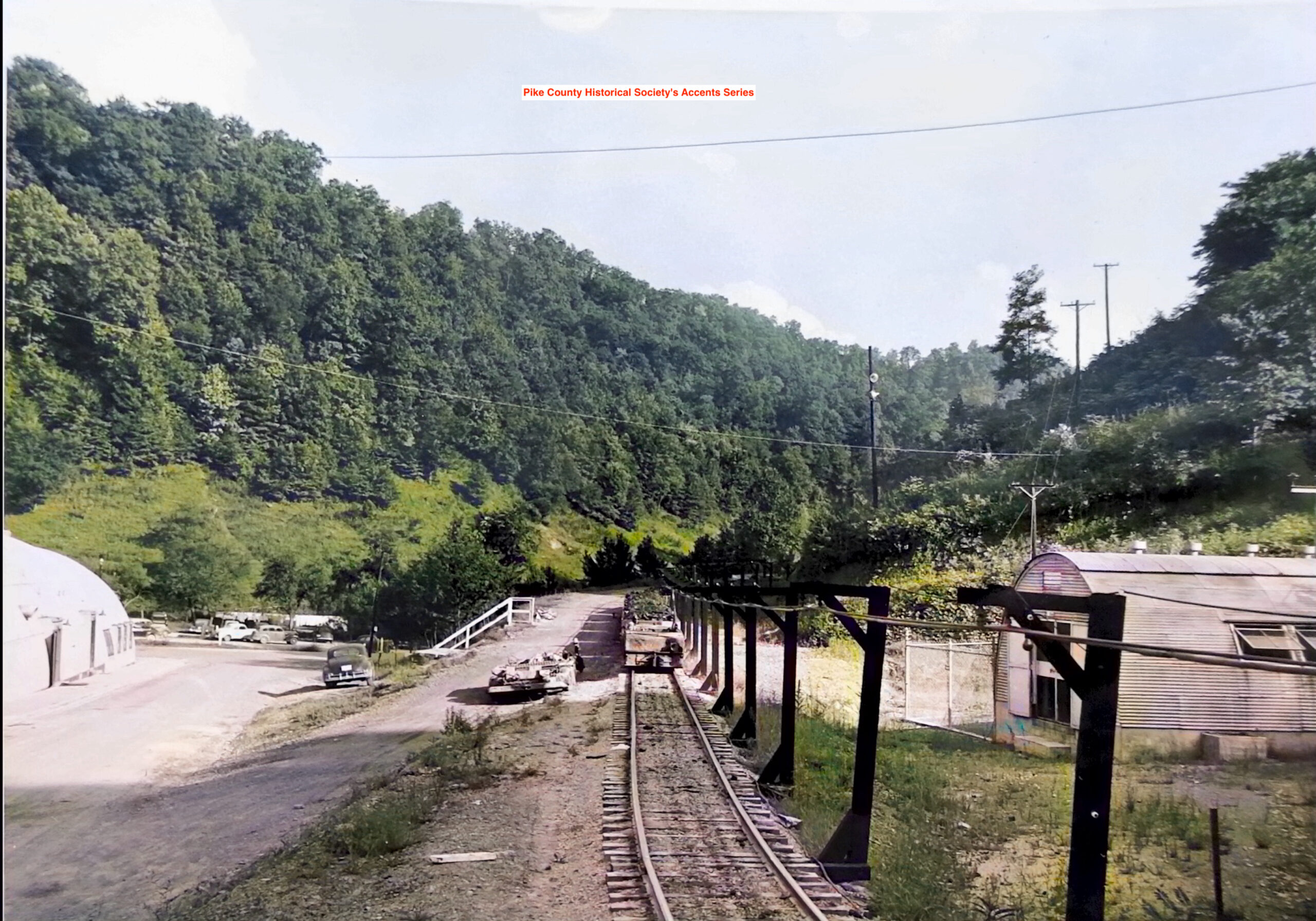
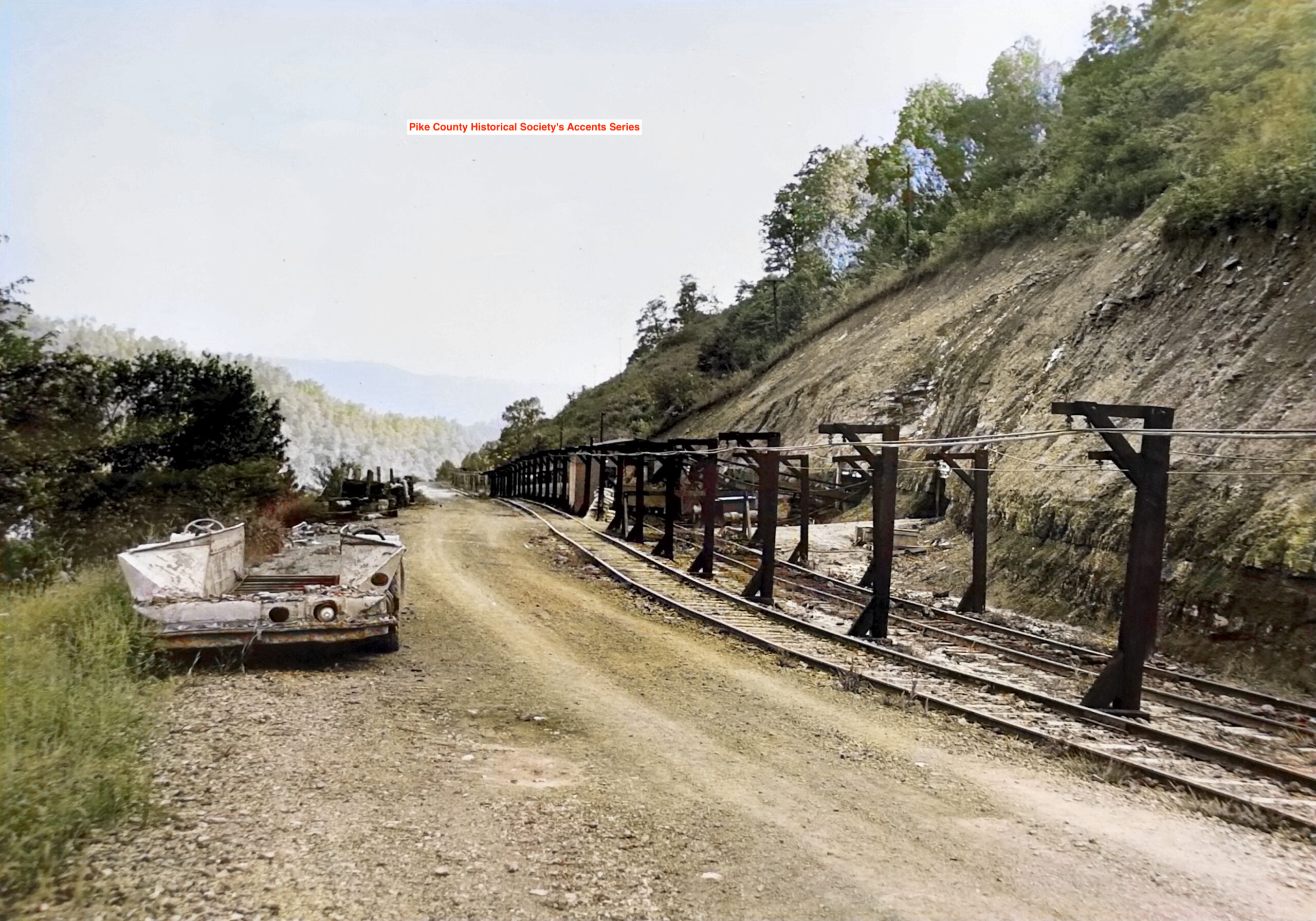
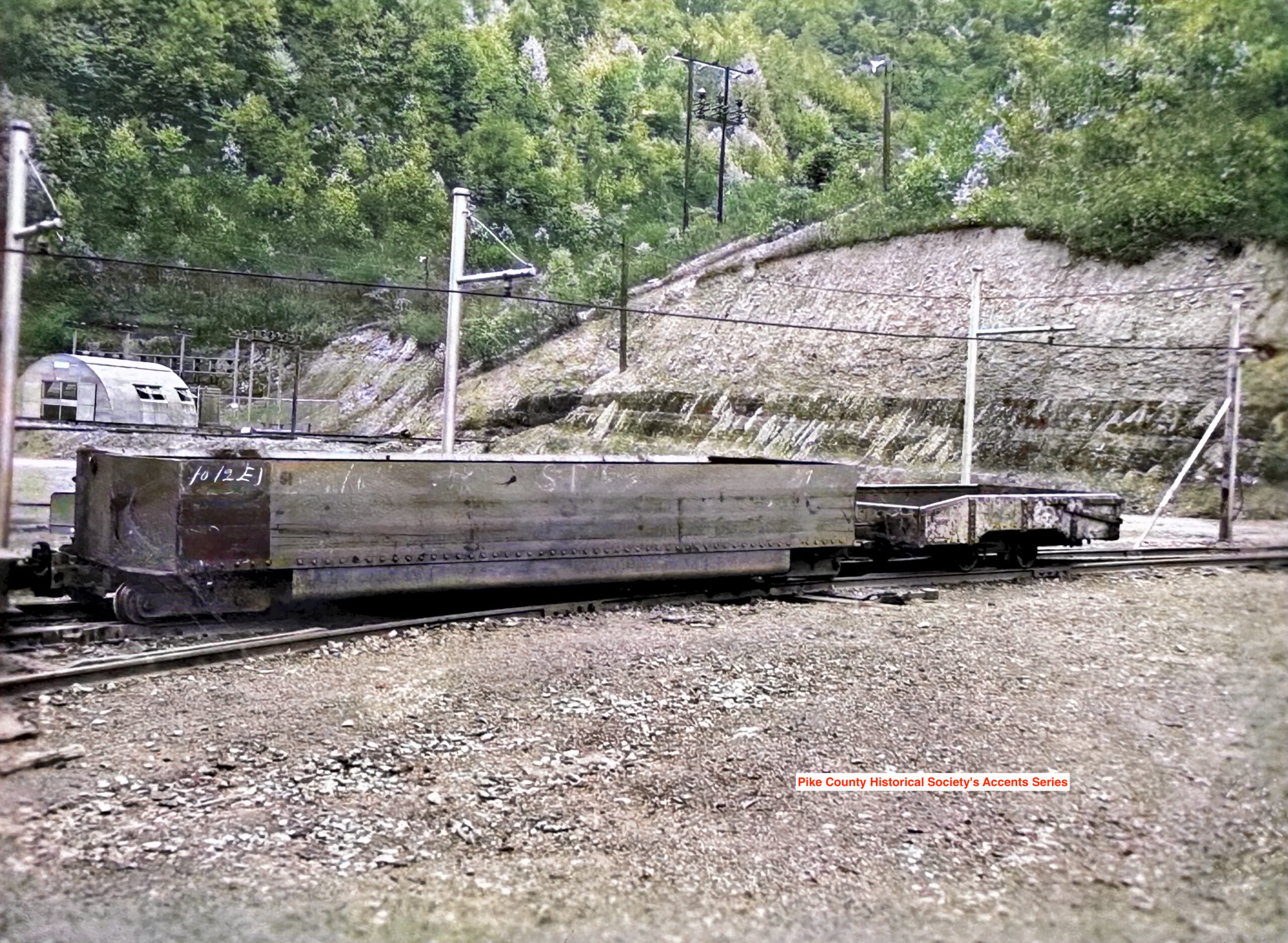
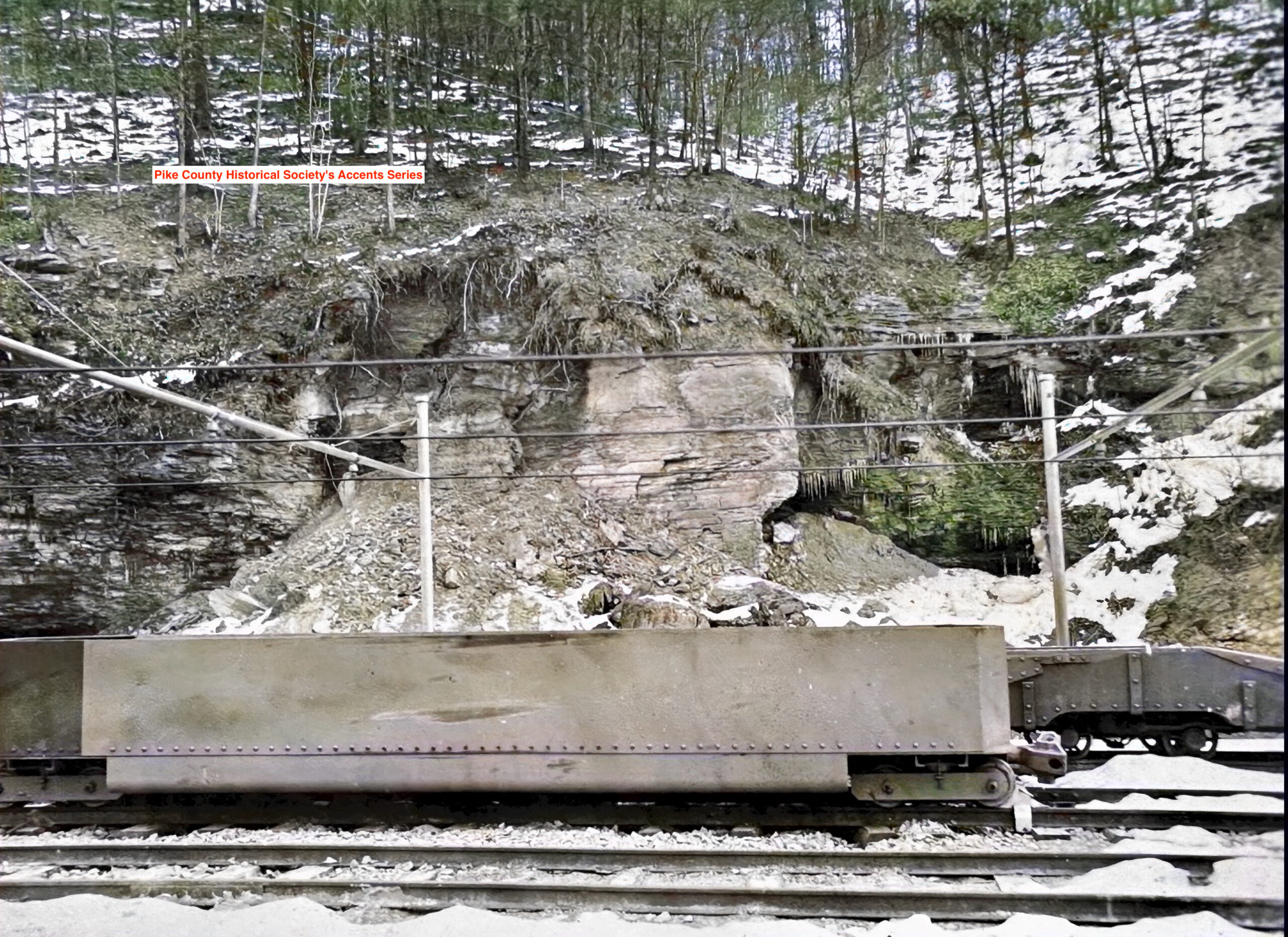
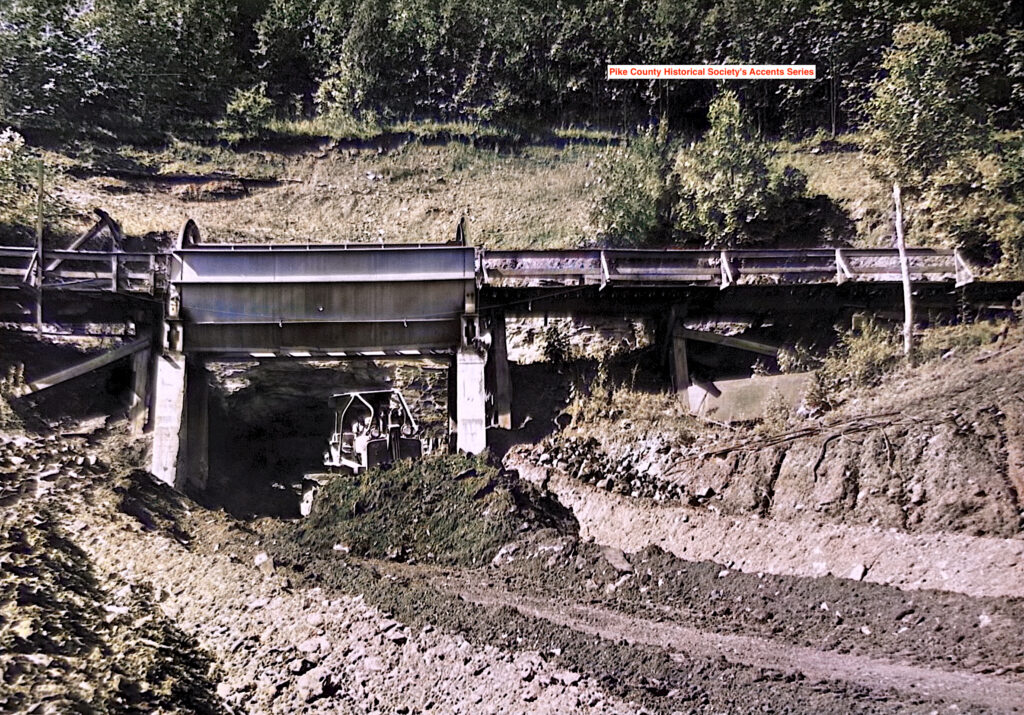
Rotary Dump at Central Preparation Plant
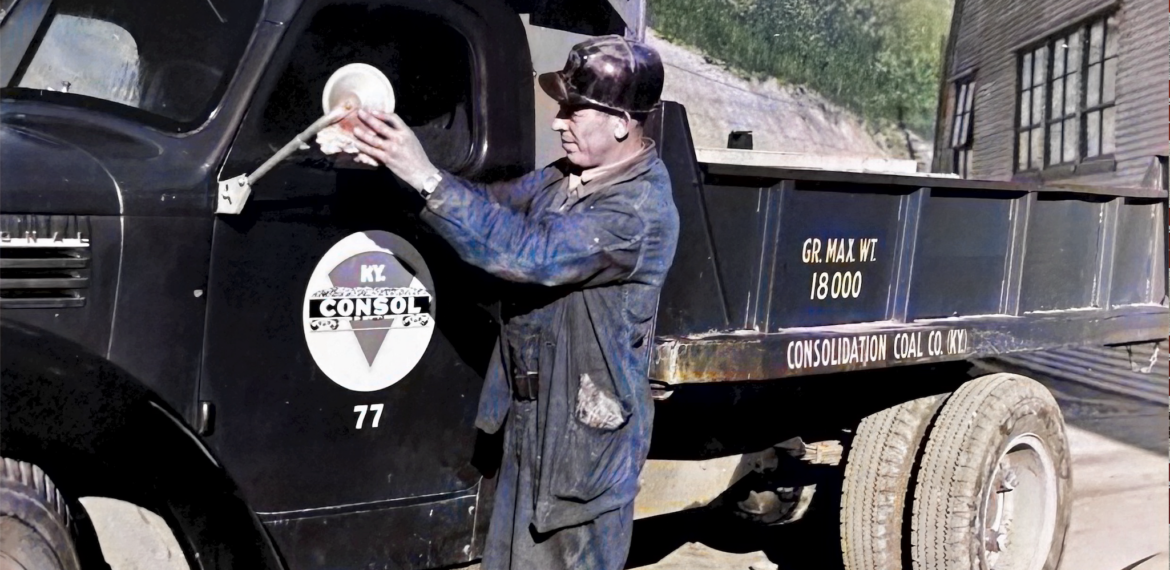
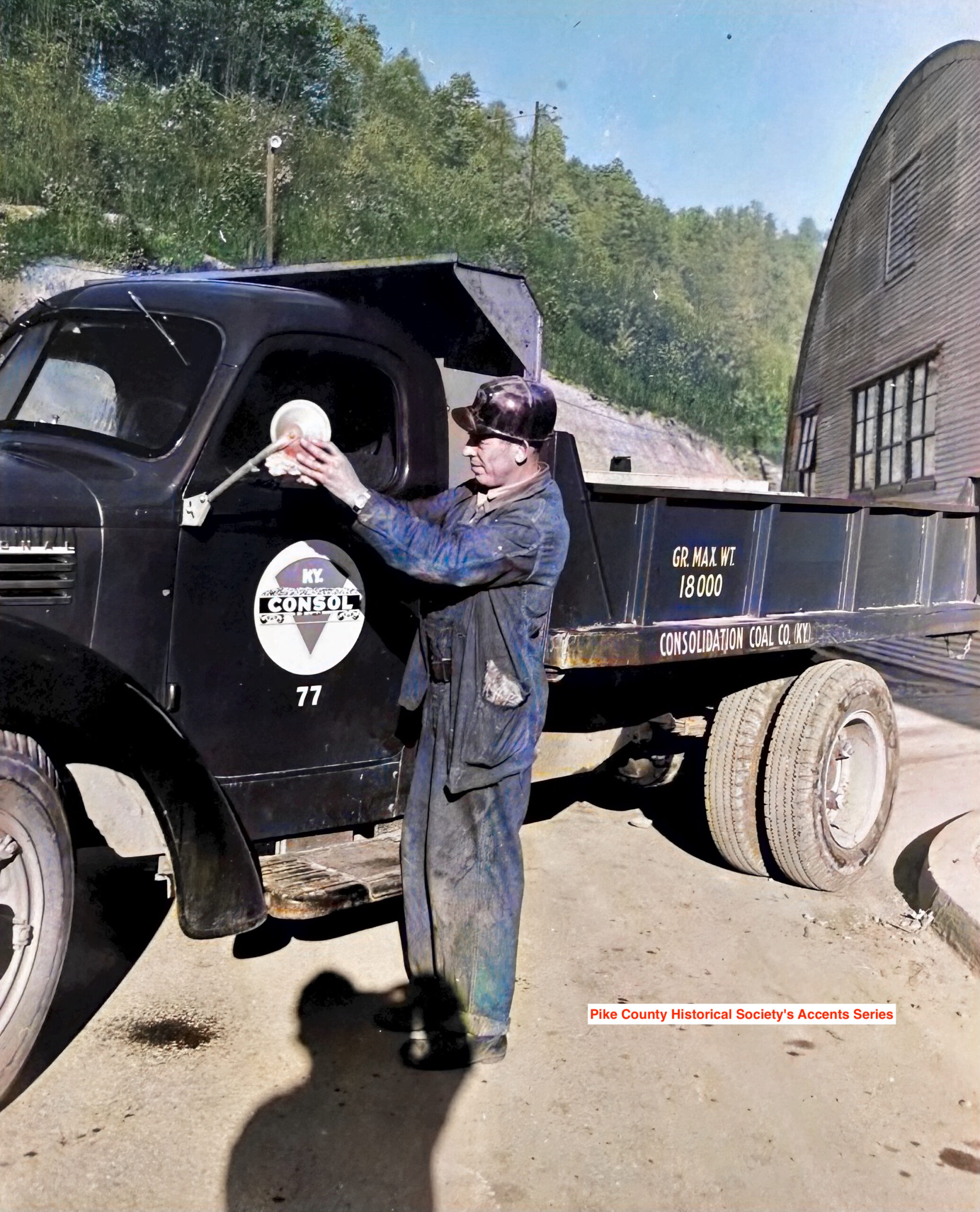
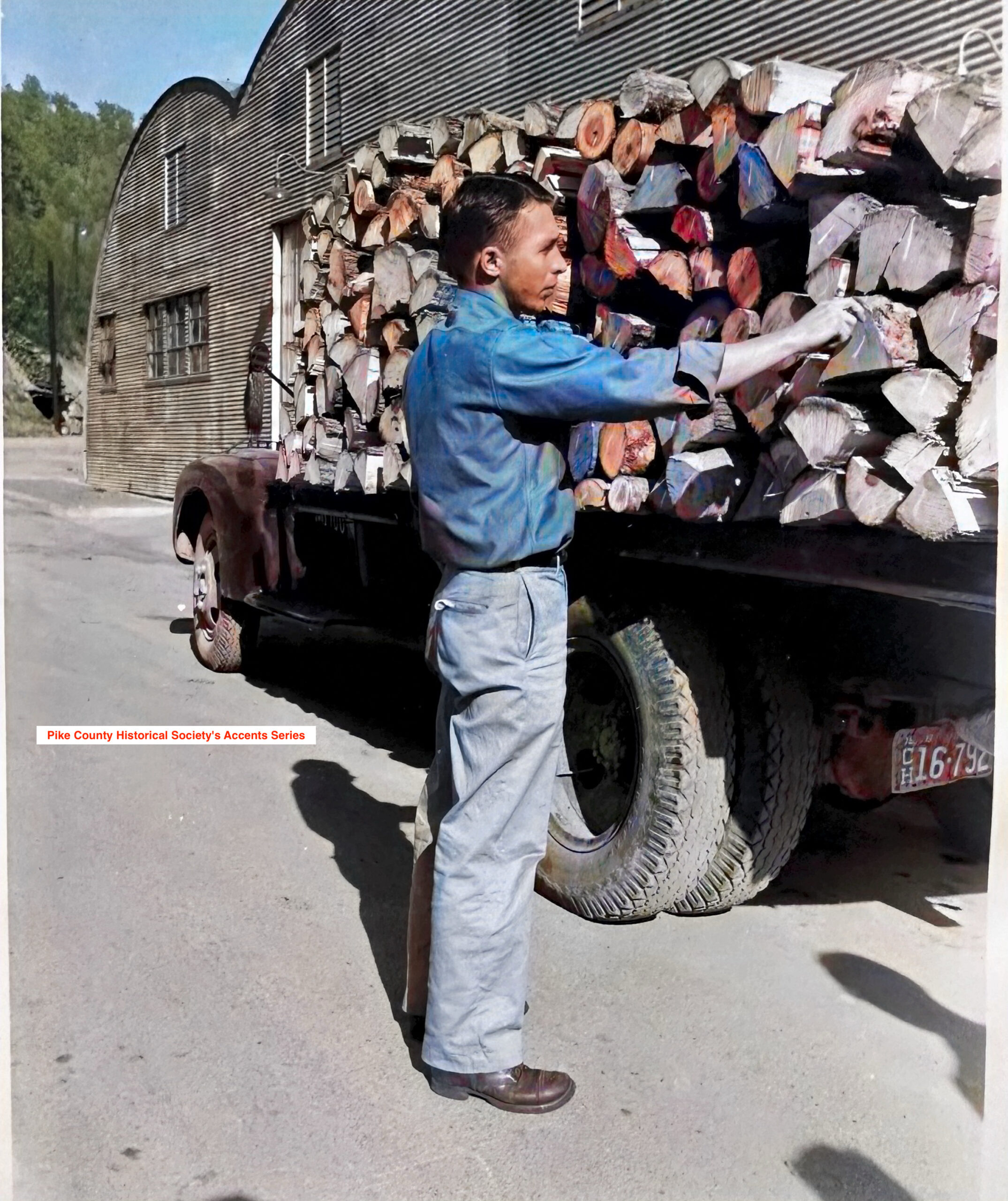
The proud look on Bill Terrill’s face as he polishes the the side mirror is because of his new truck. Mine 204 portal is approximately six miles from freight station and all shipments must be hauled by truck to mine site.
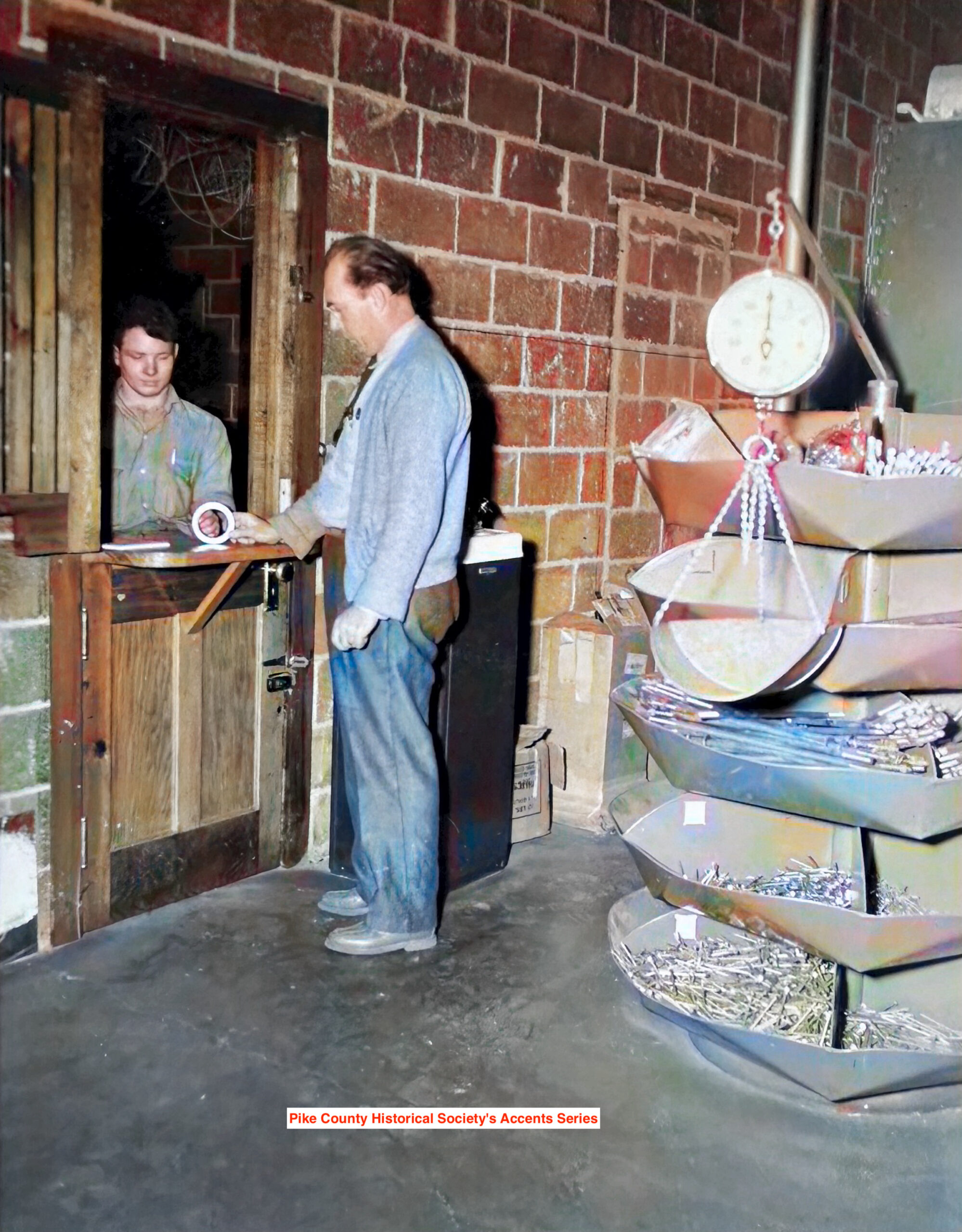
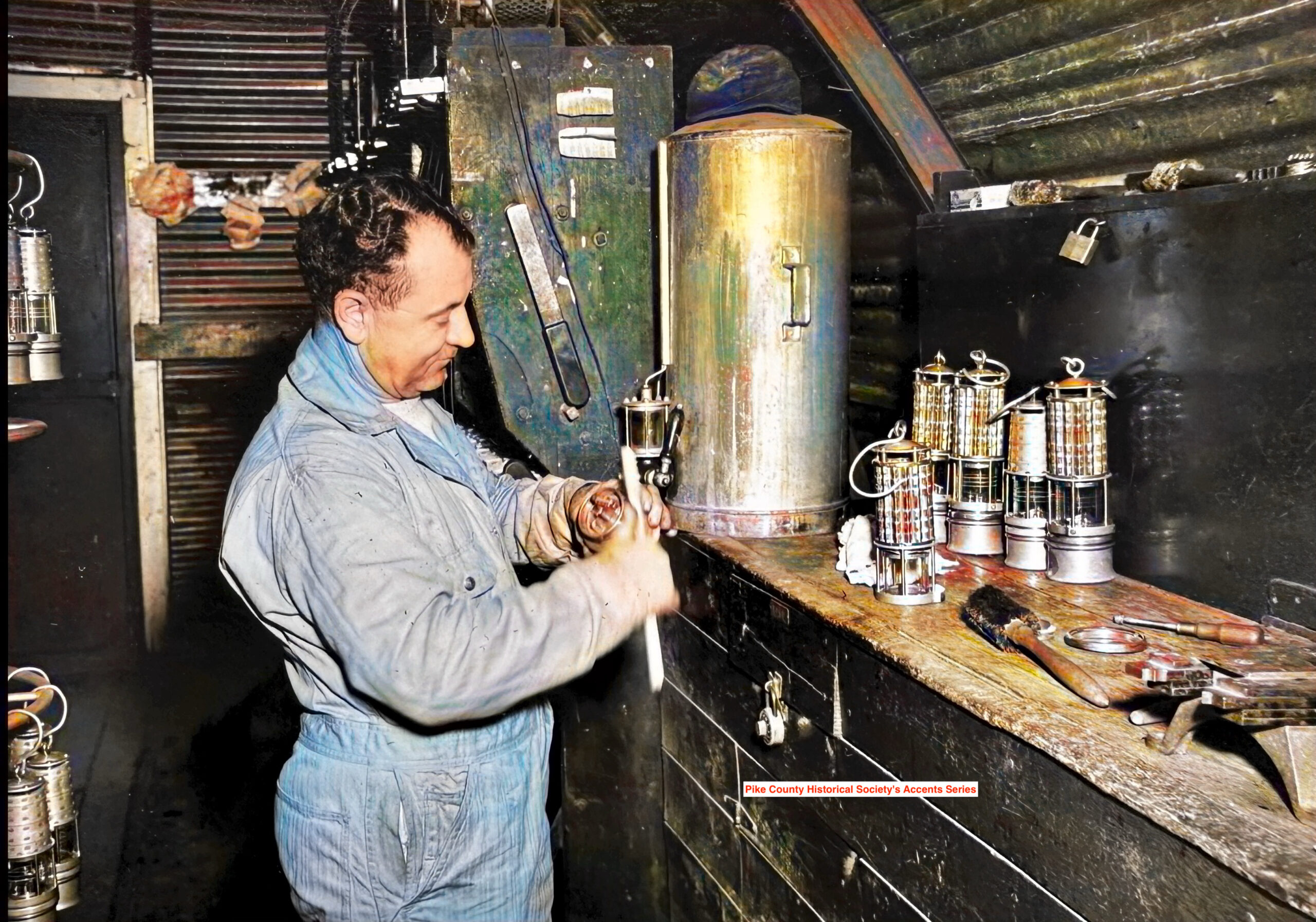
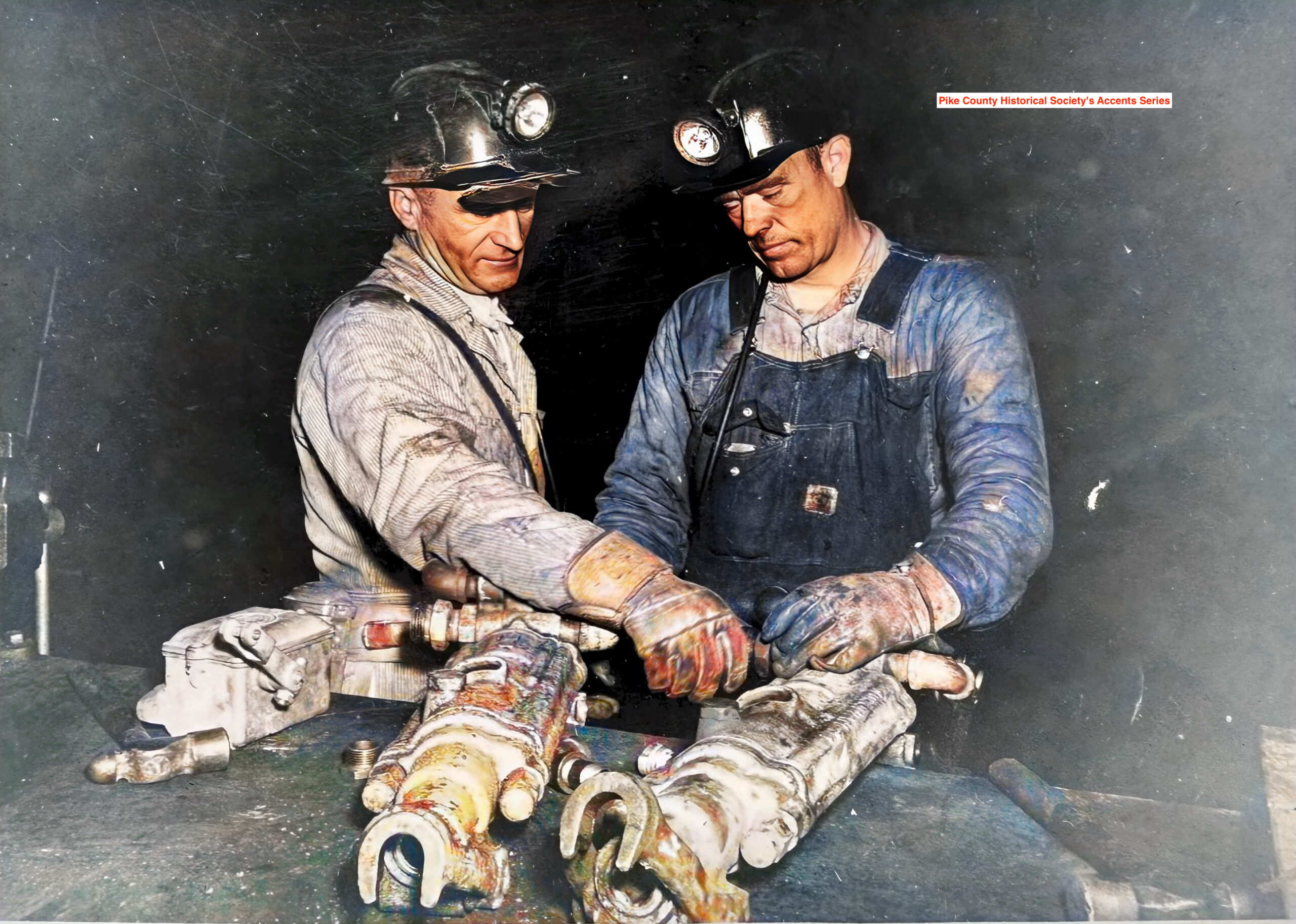
Servicing and recalibrating Methane Safety Lamps
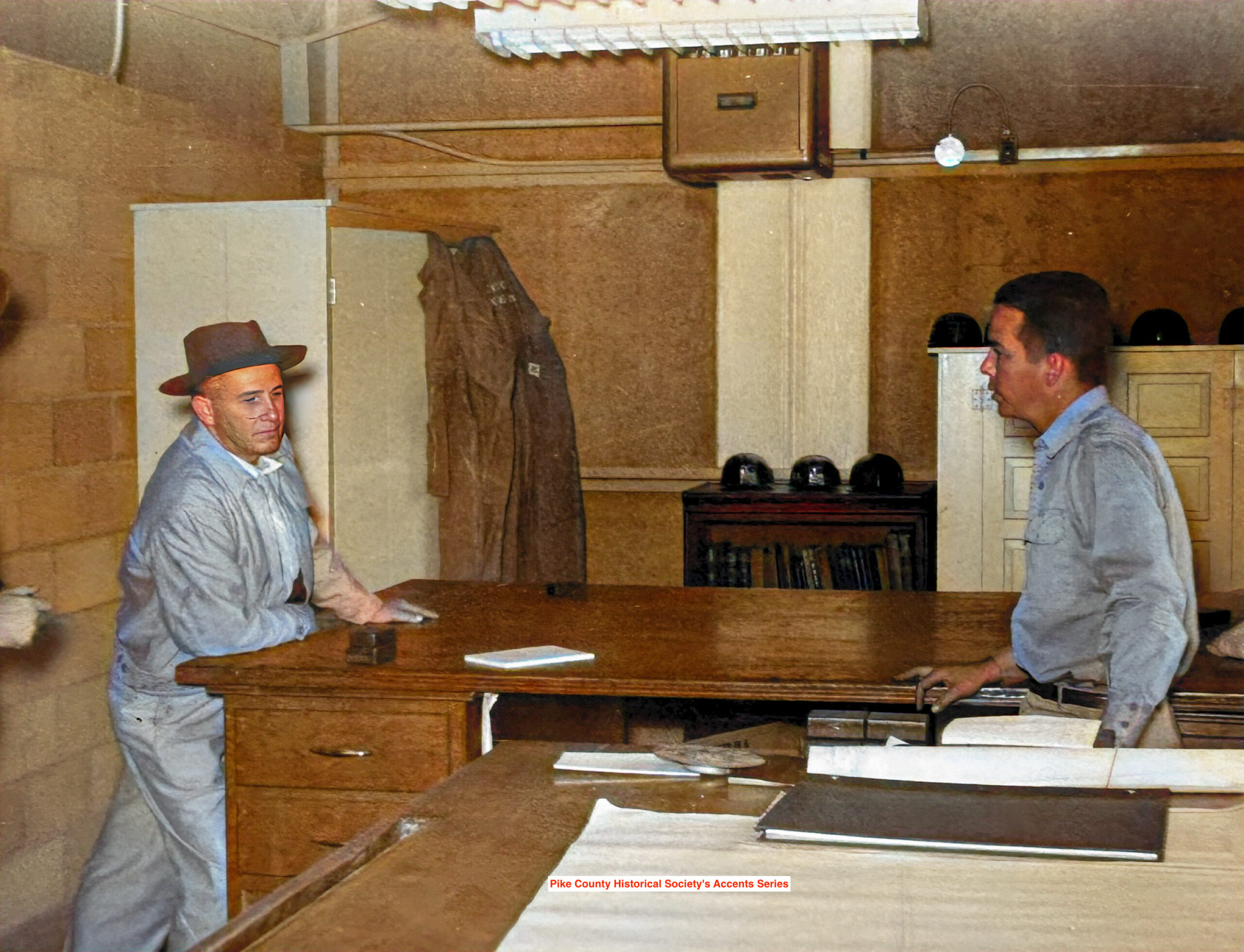
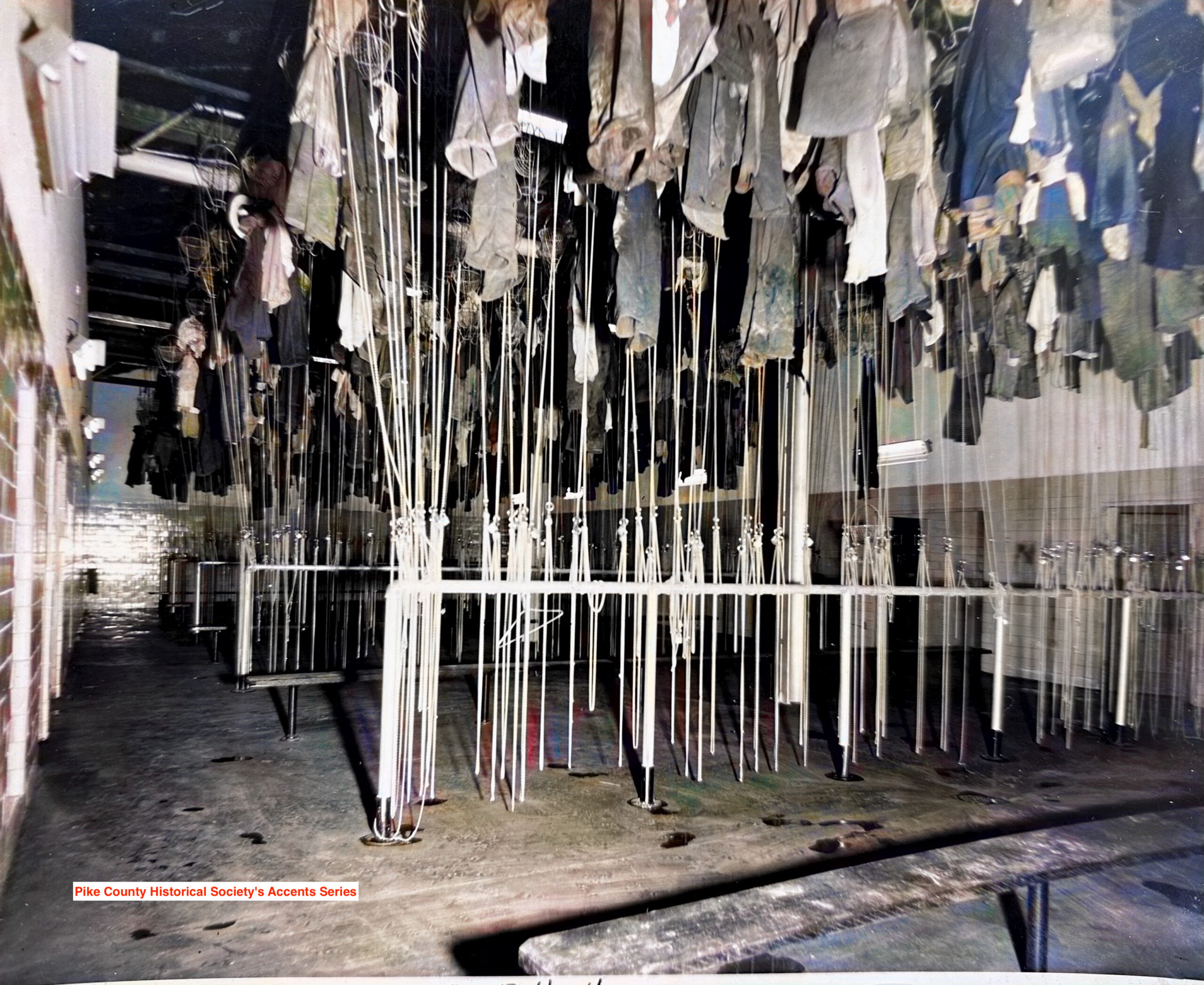
Bath House
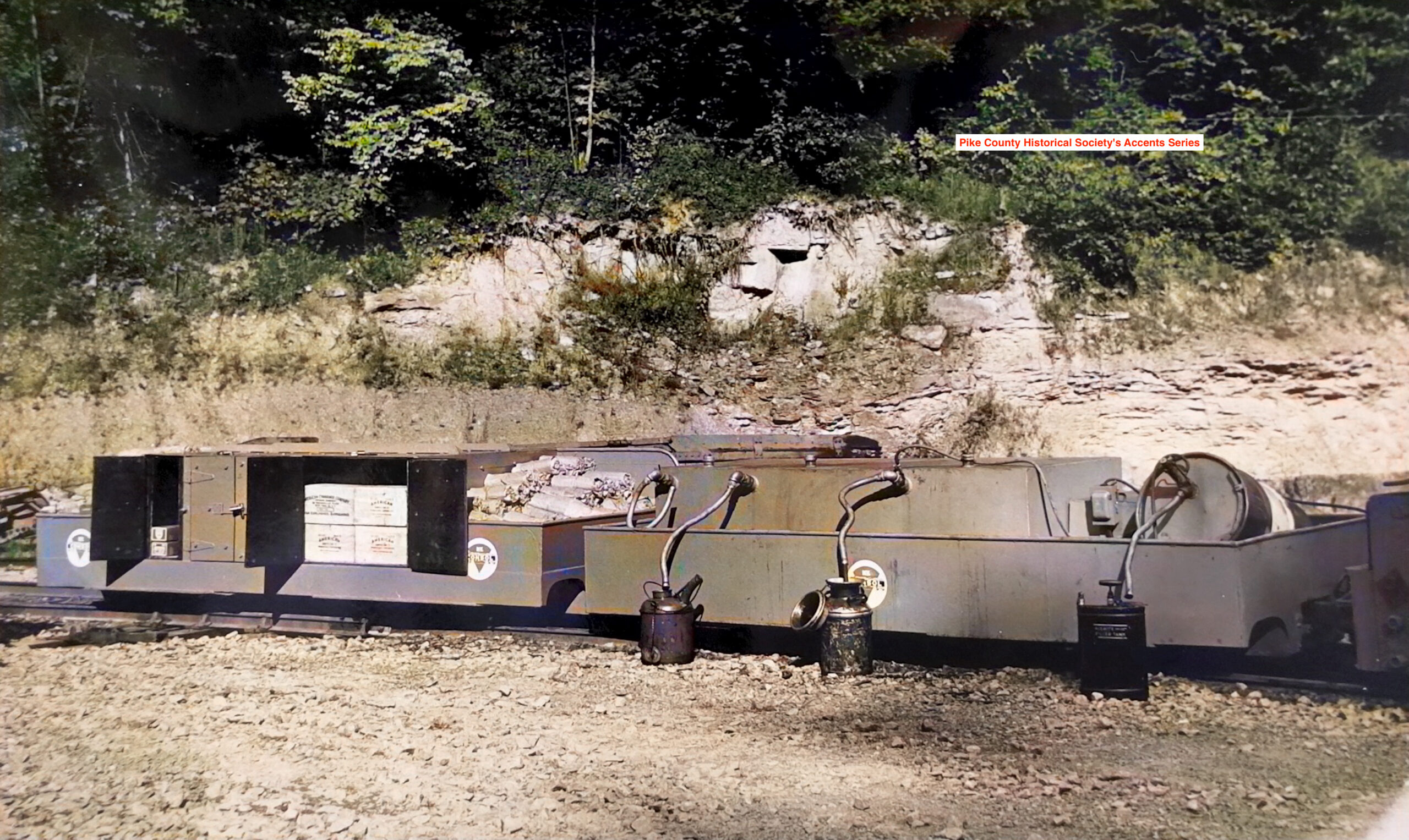
Powder Car and Oil Supply Car
Joy Cutter moving into a cut.
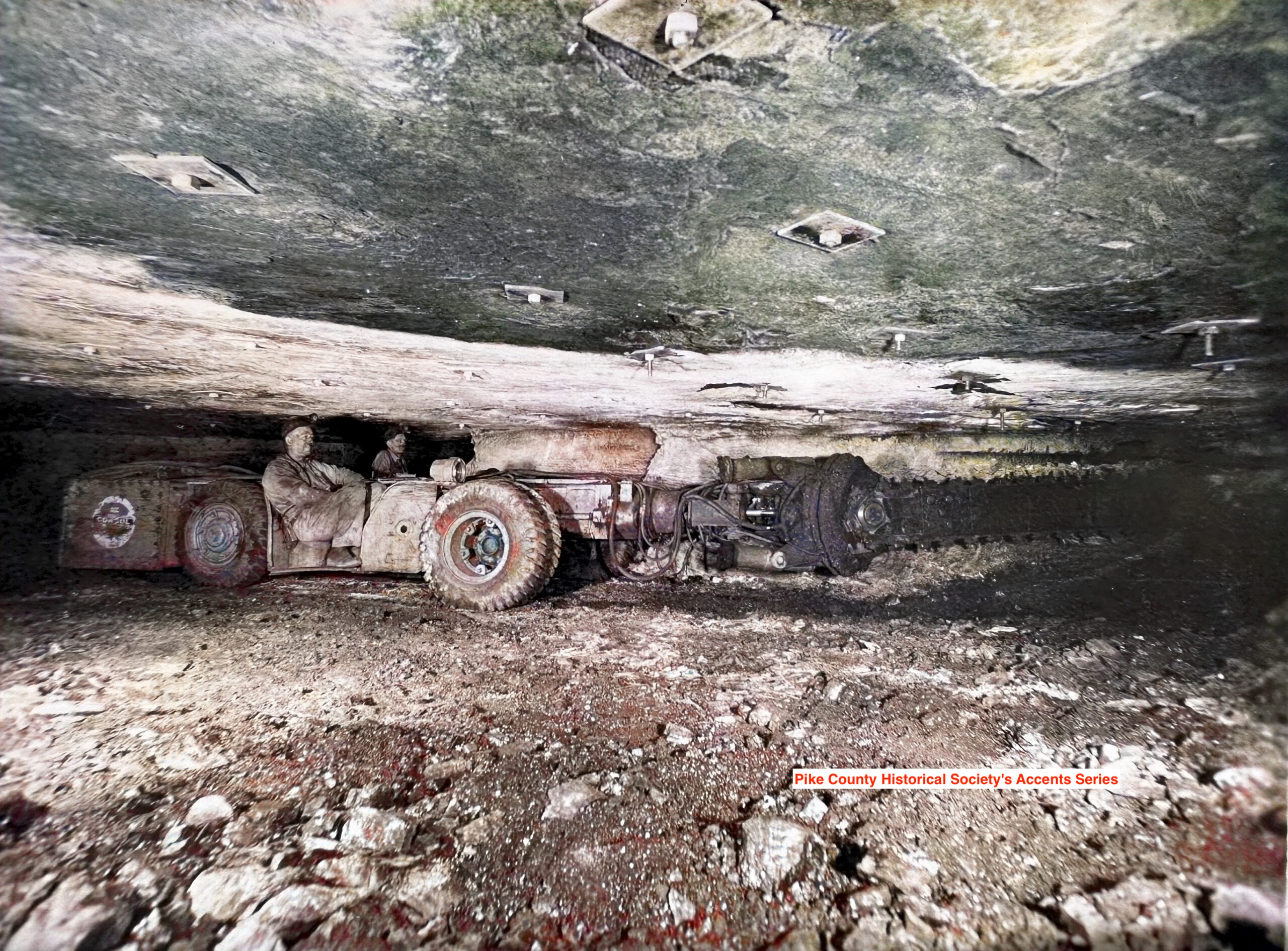
Joy Cutter is cutting out shale parting (Middle Man), underground miner slang.
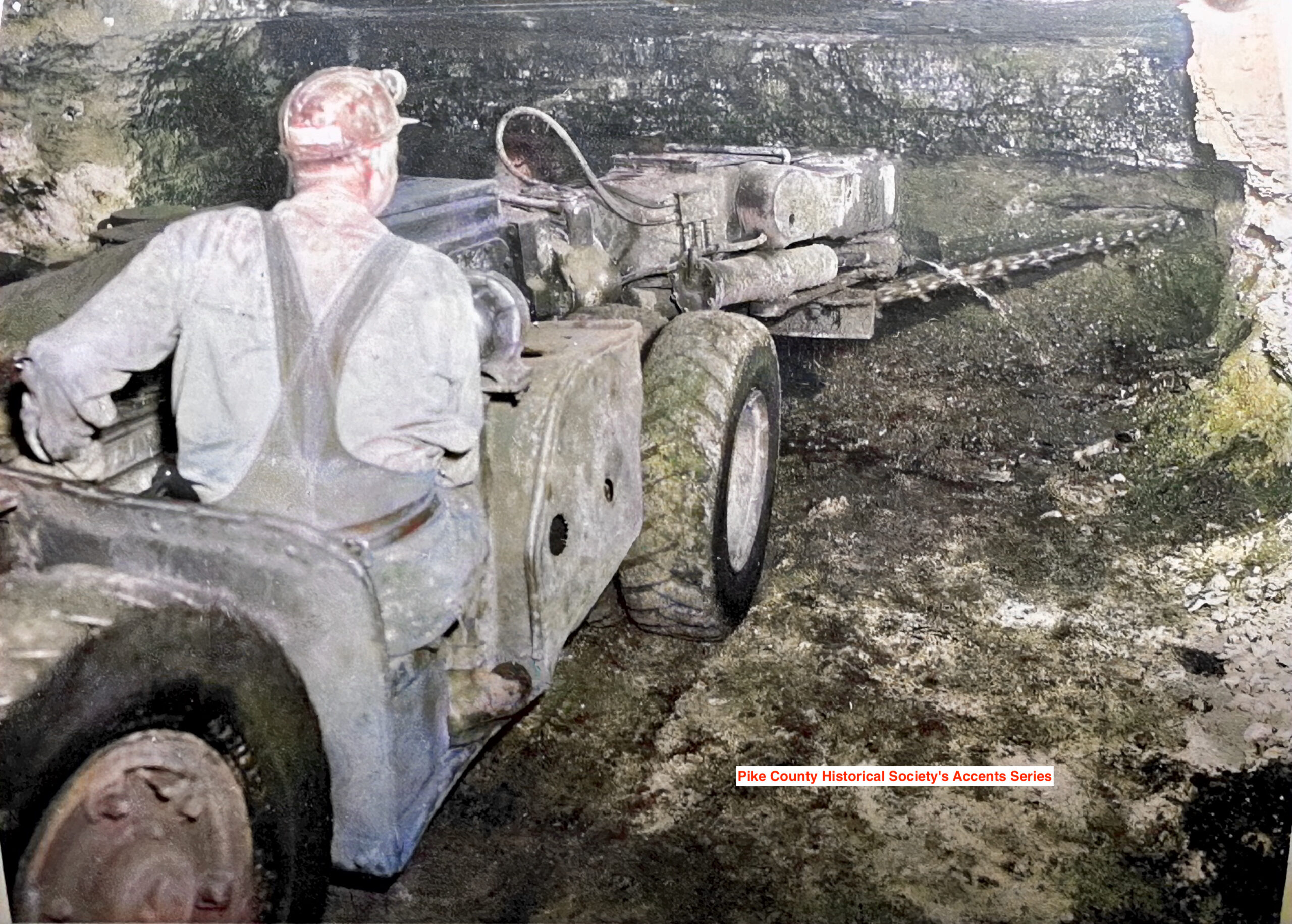
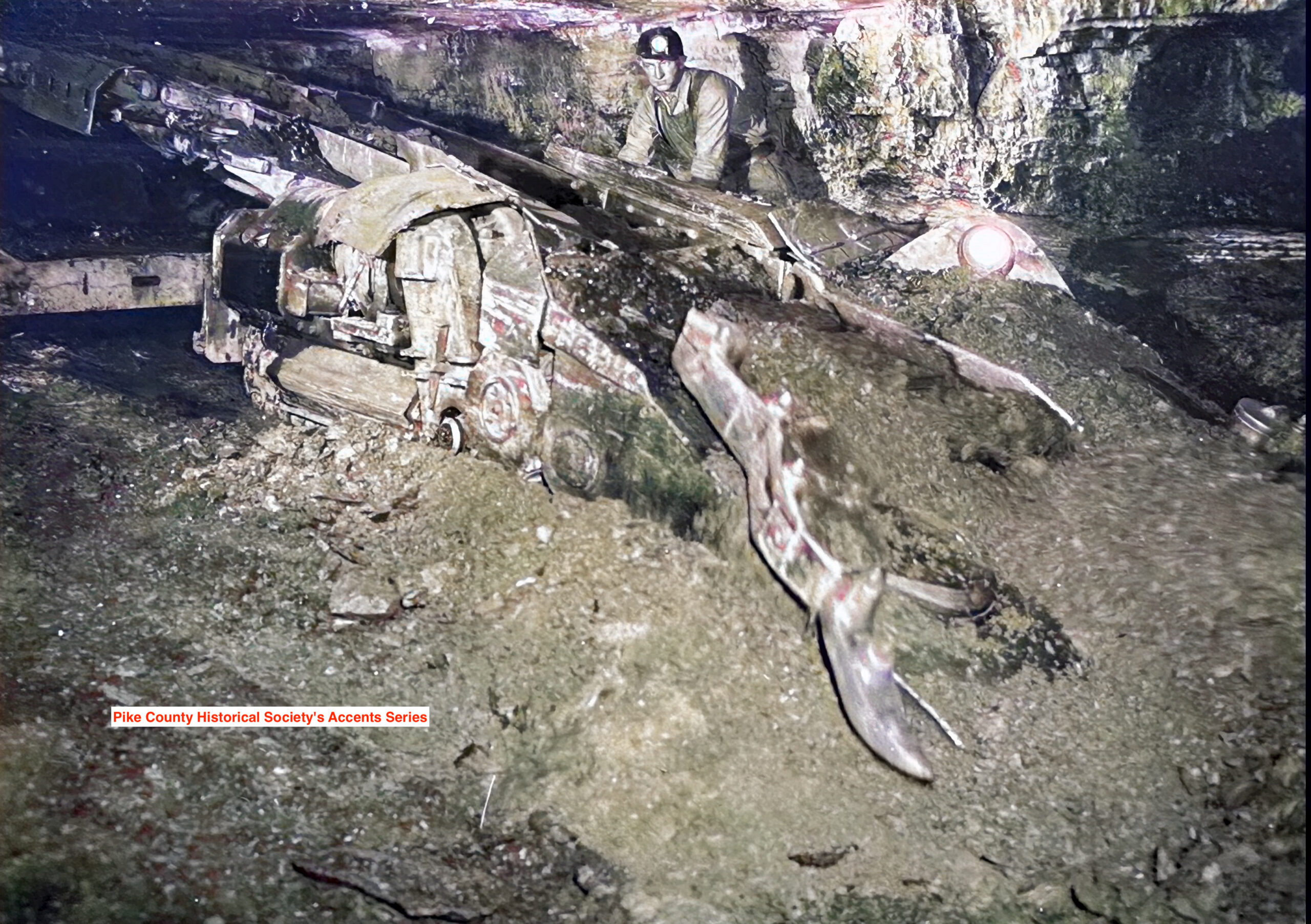
14-BU Joy Loader- loading shale parting, Bob Harris was the Operator of 14-Bu Joy
Shuttle Car- Coal Haulage
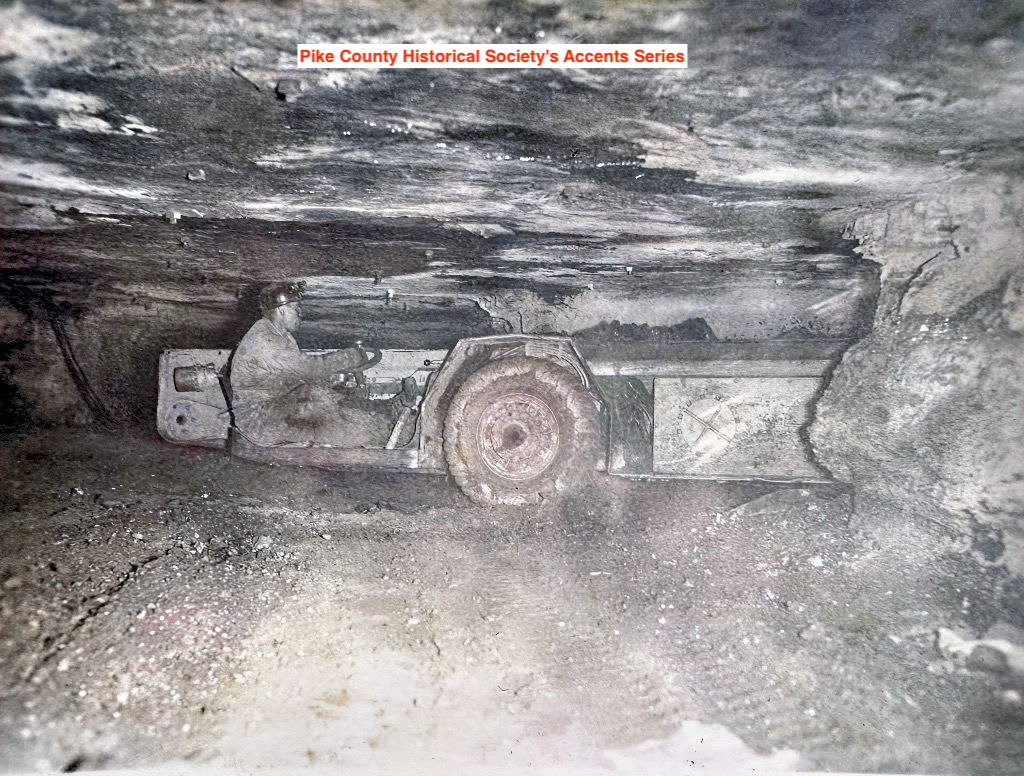
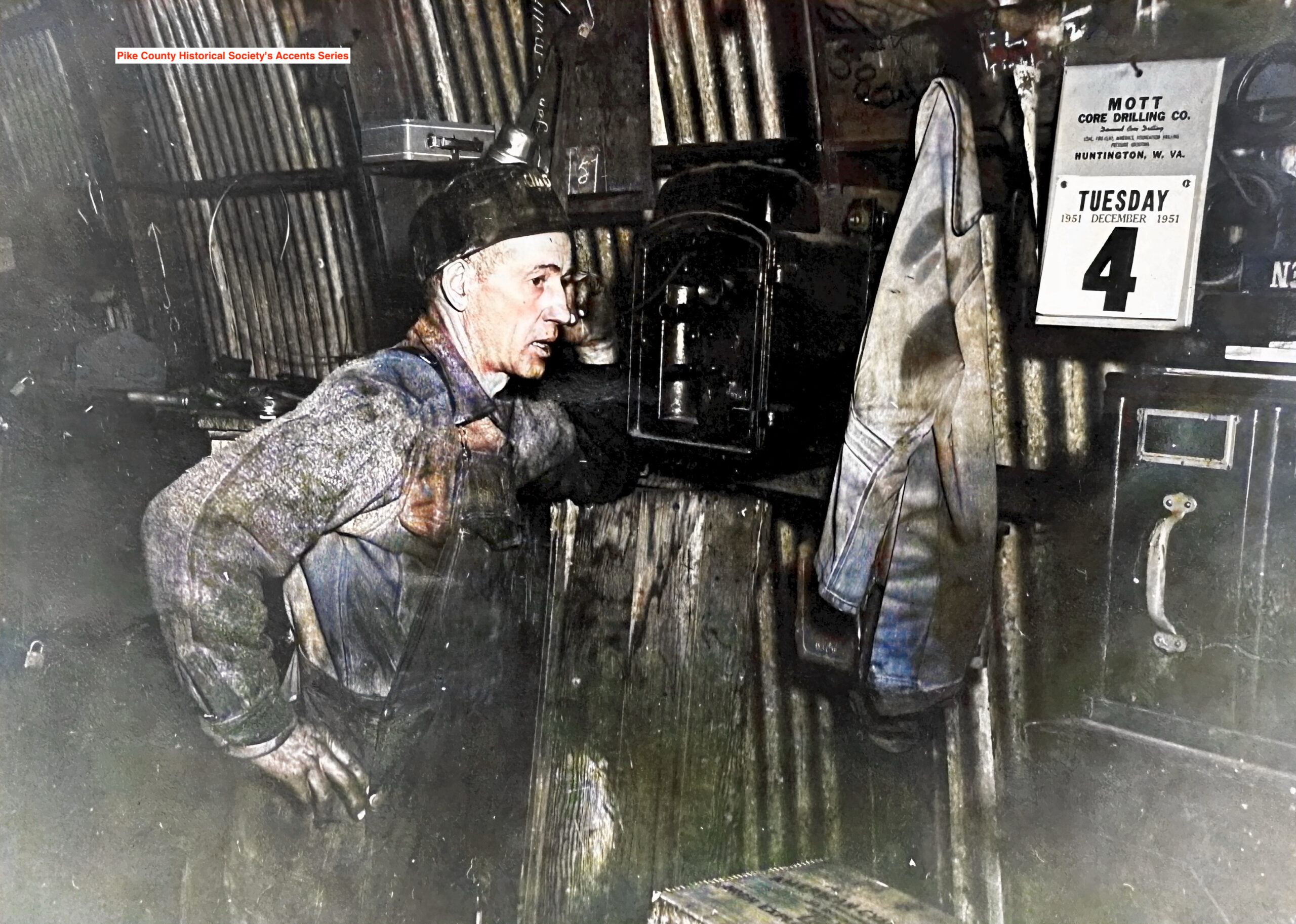
When the Shuttle Car Operator, Cody Mullins, goes up to ramp to unload into the new cars, he knows he will have plenty of room to discharge his car with lilt delay. this eliminates the need of checks or tags to identify where the car was loaded. the level for uncoupling the car is visible on the car to the left.
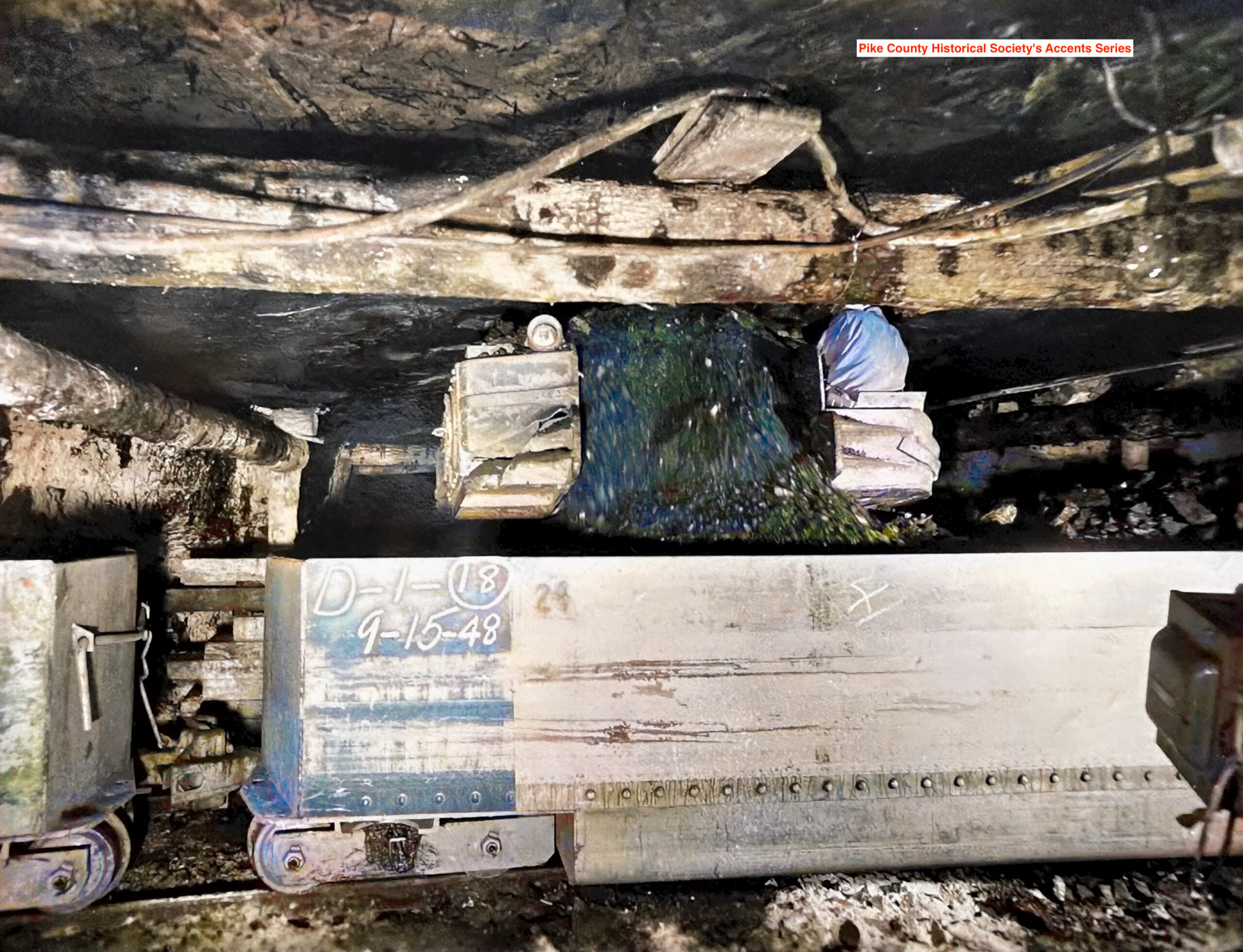
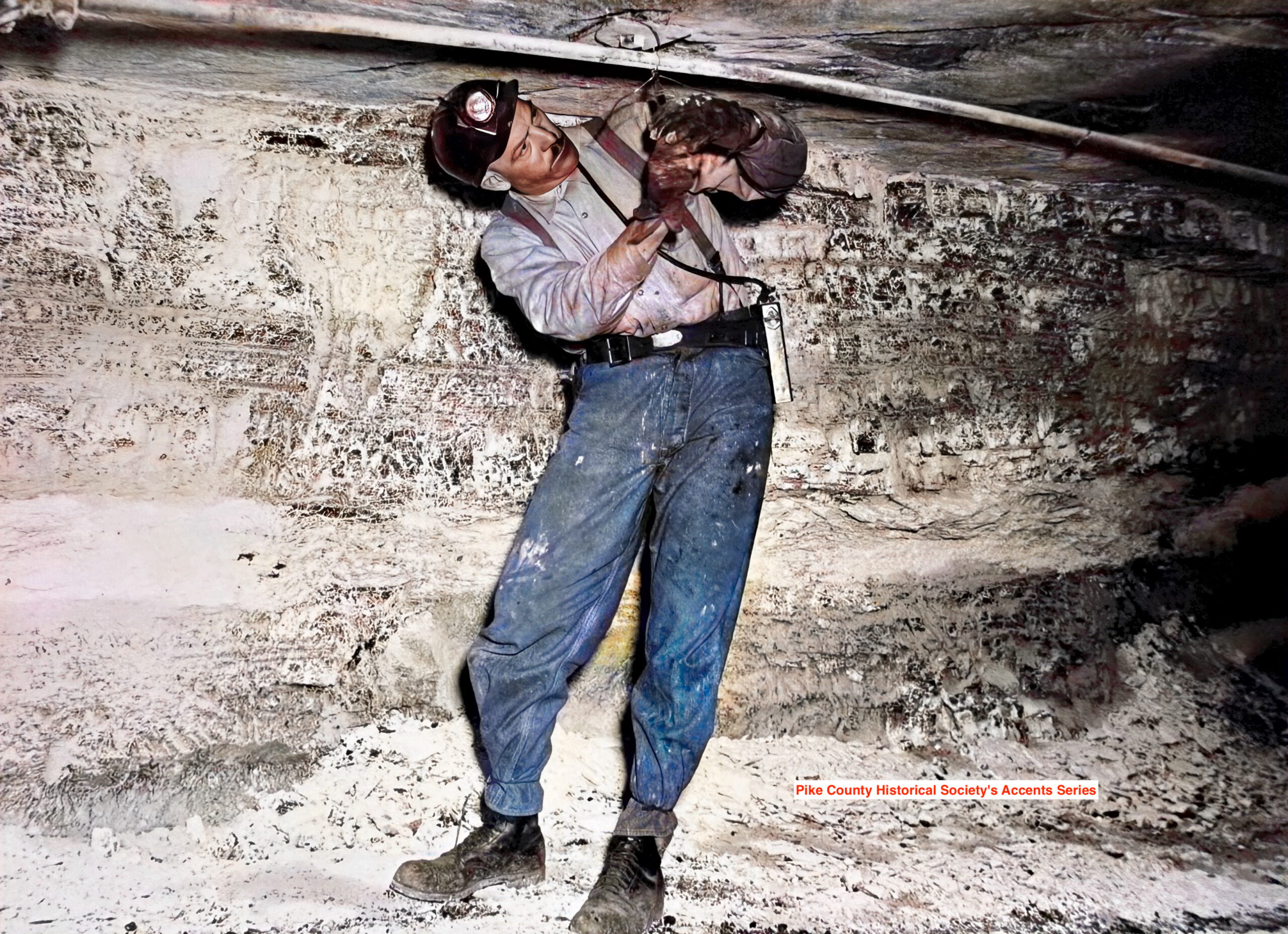
Rock dusting
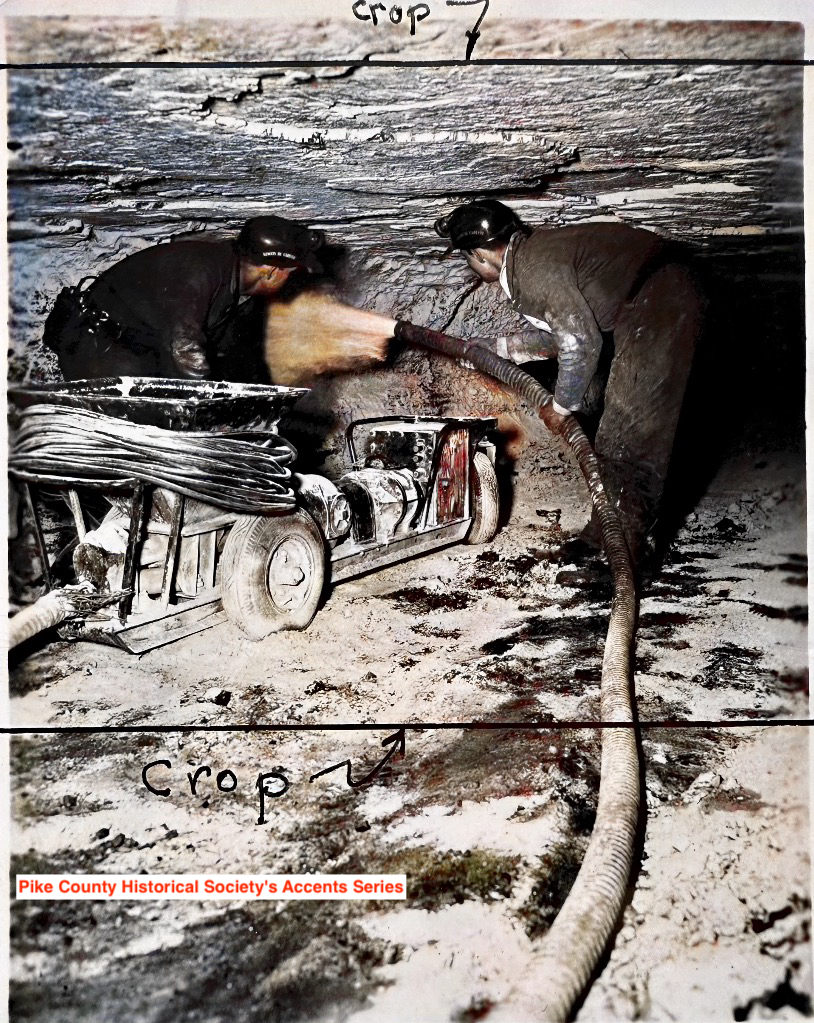
Face Drill
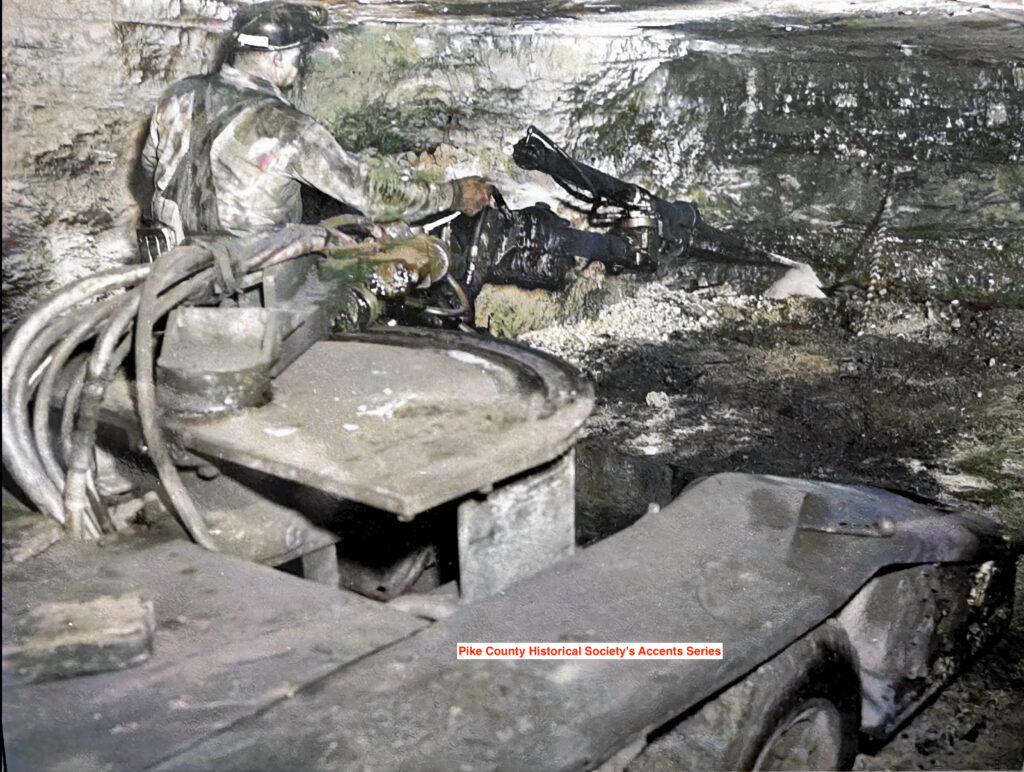
Preparing for Face Shot
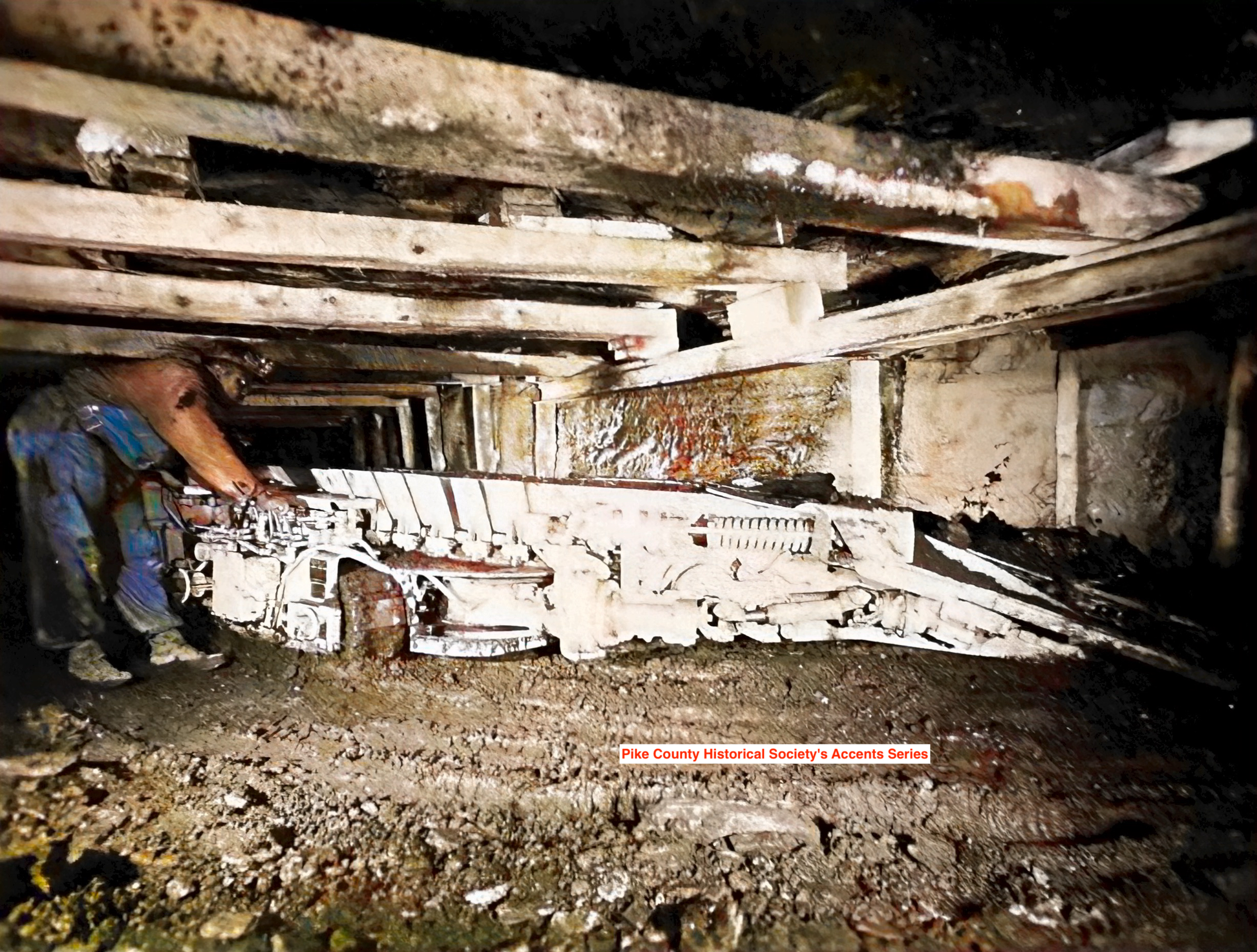
14-BU Joy Loading Machine
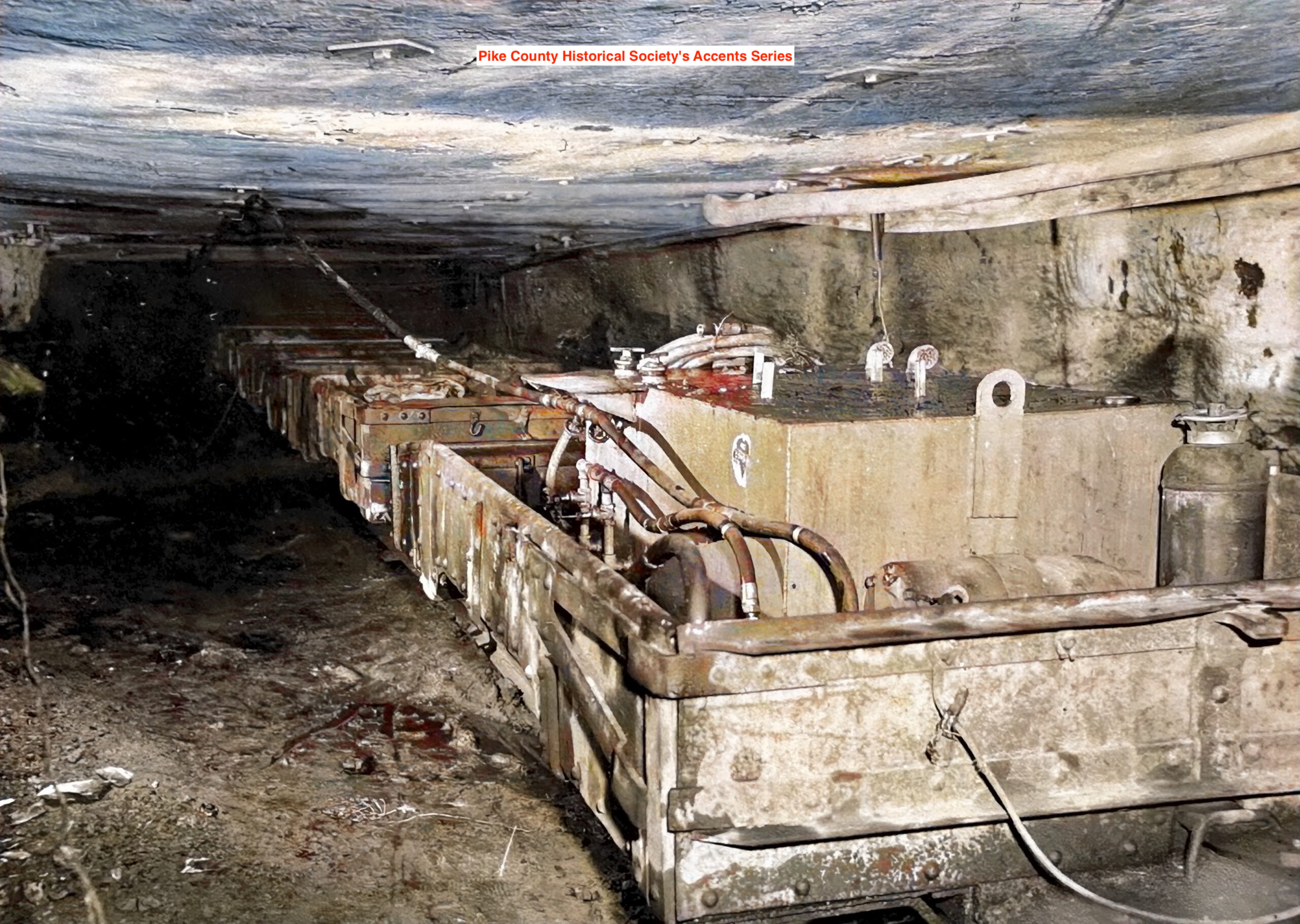
Lube Supply Trailer, notice oil on the mine floor
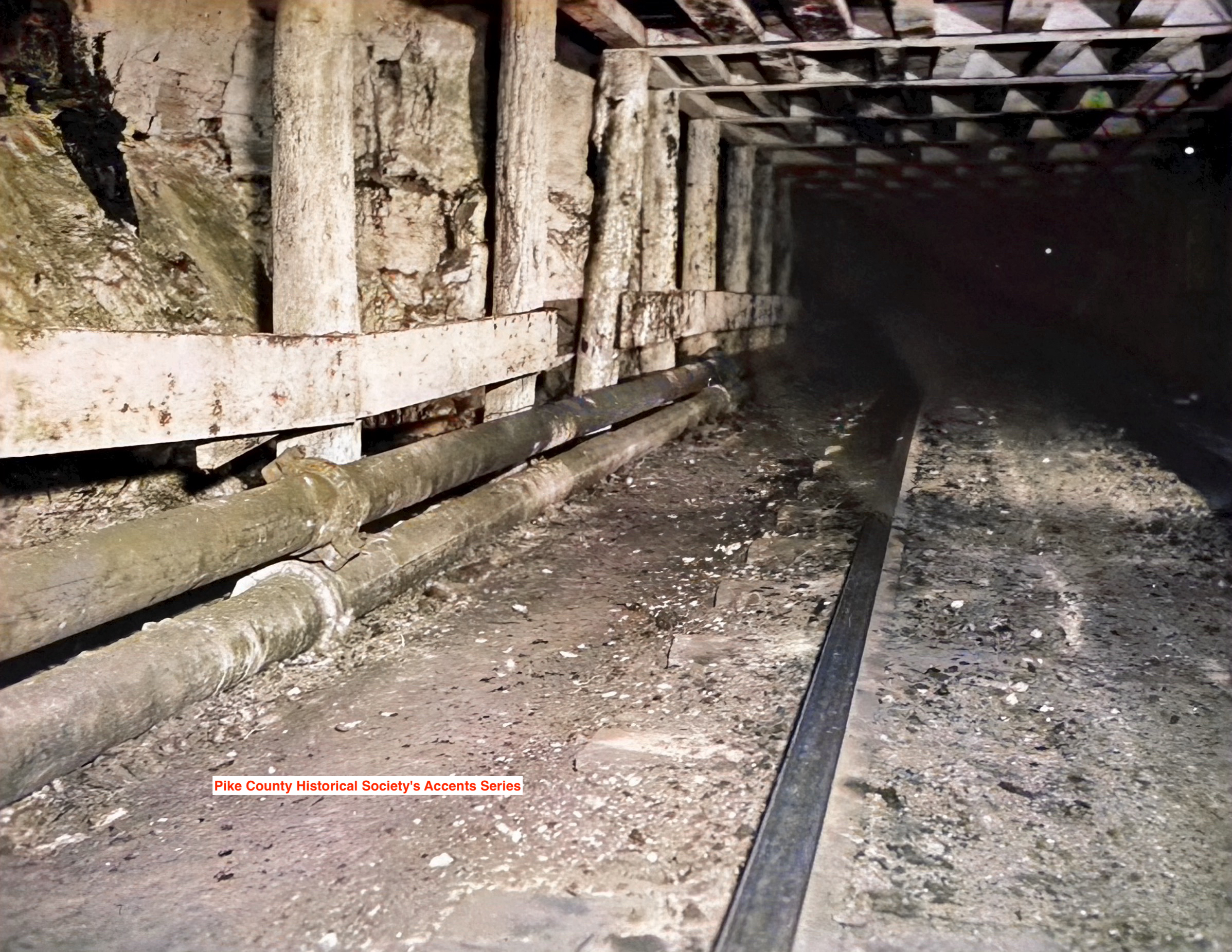
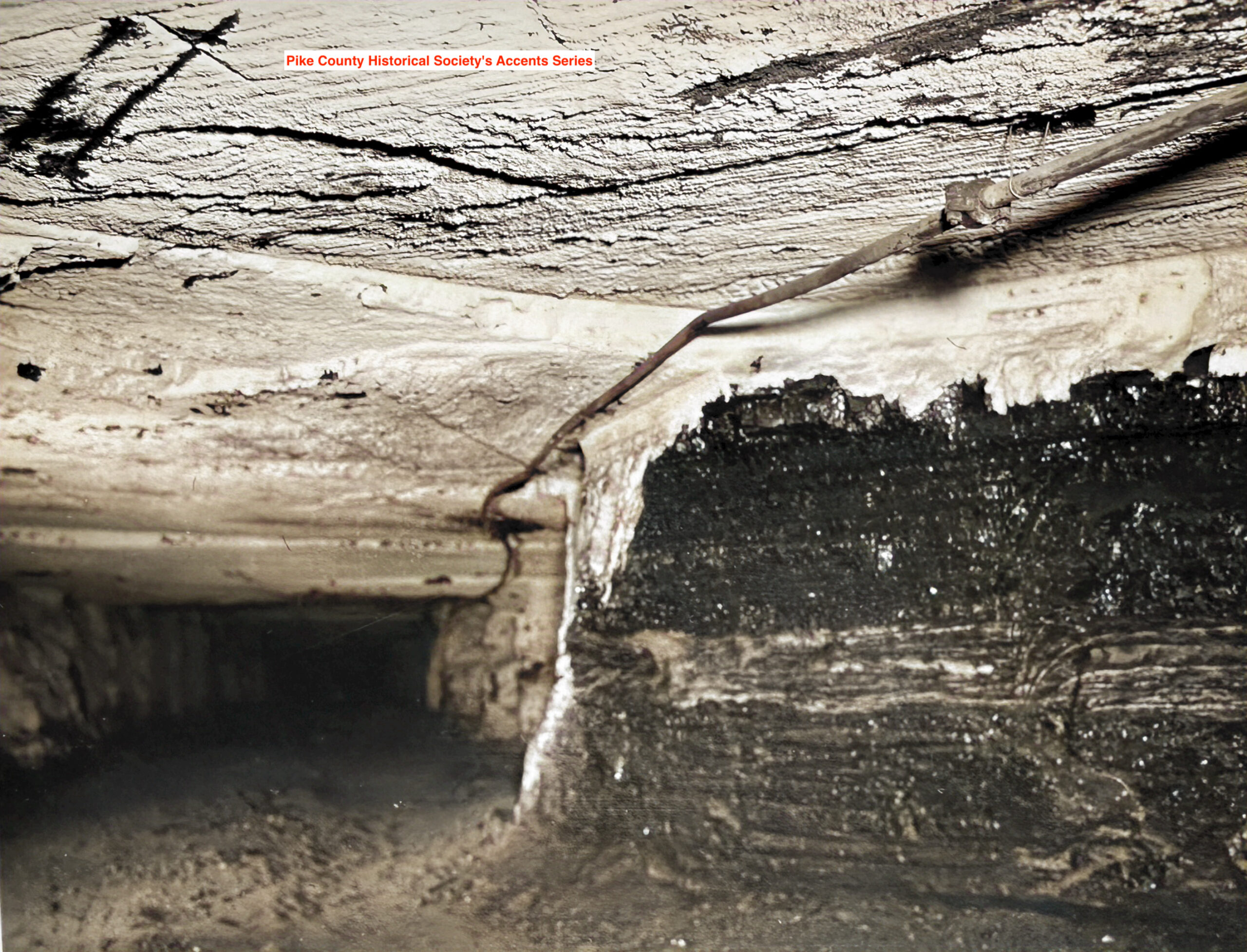
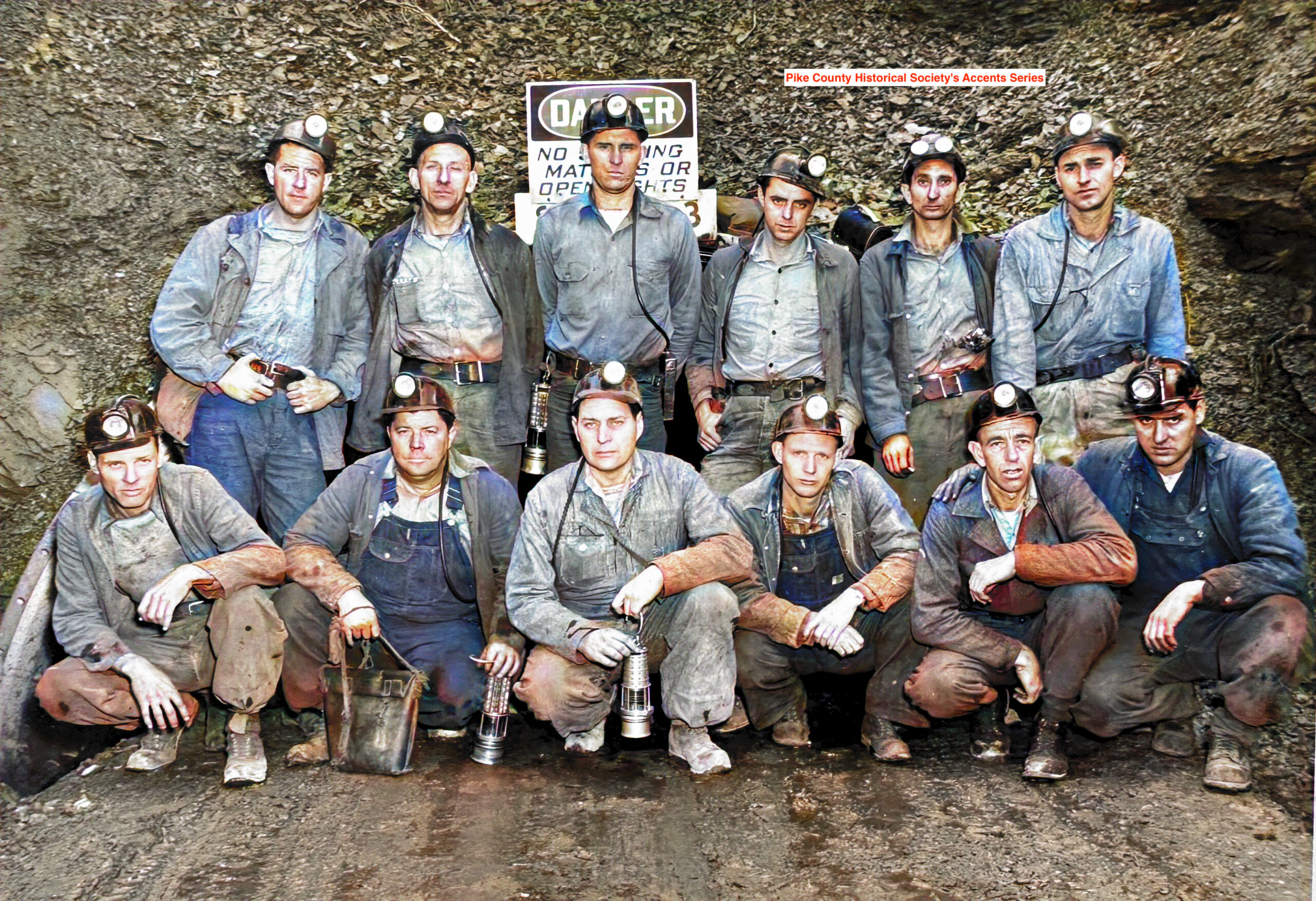
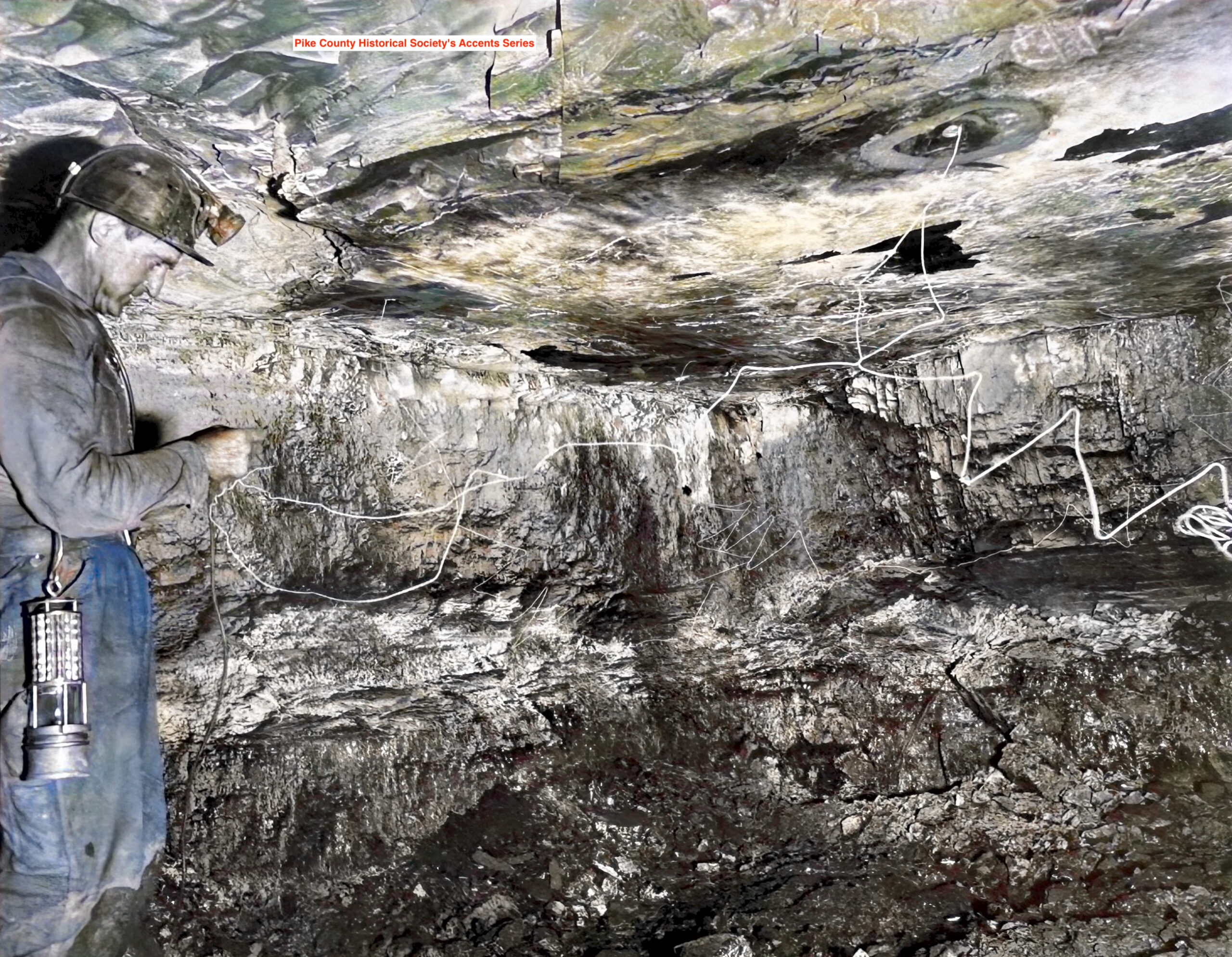
Roof Control
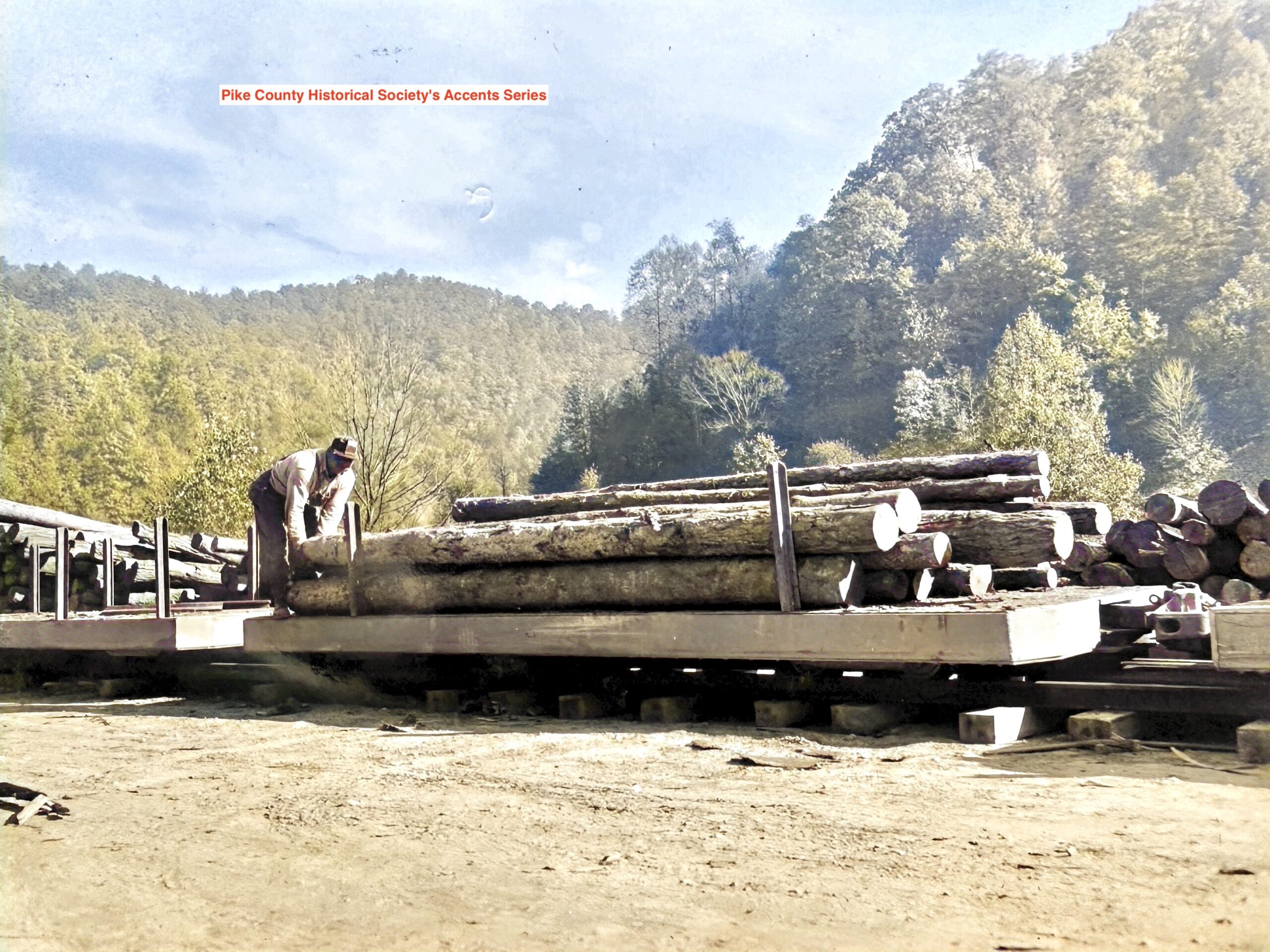
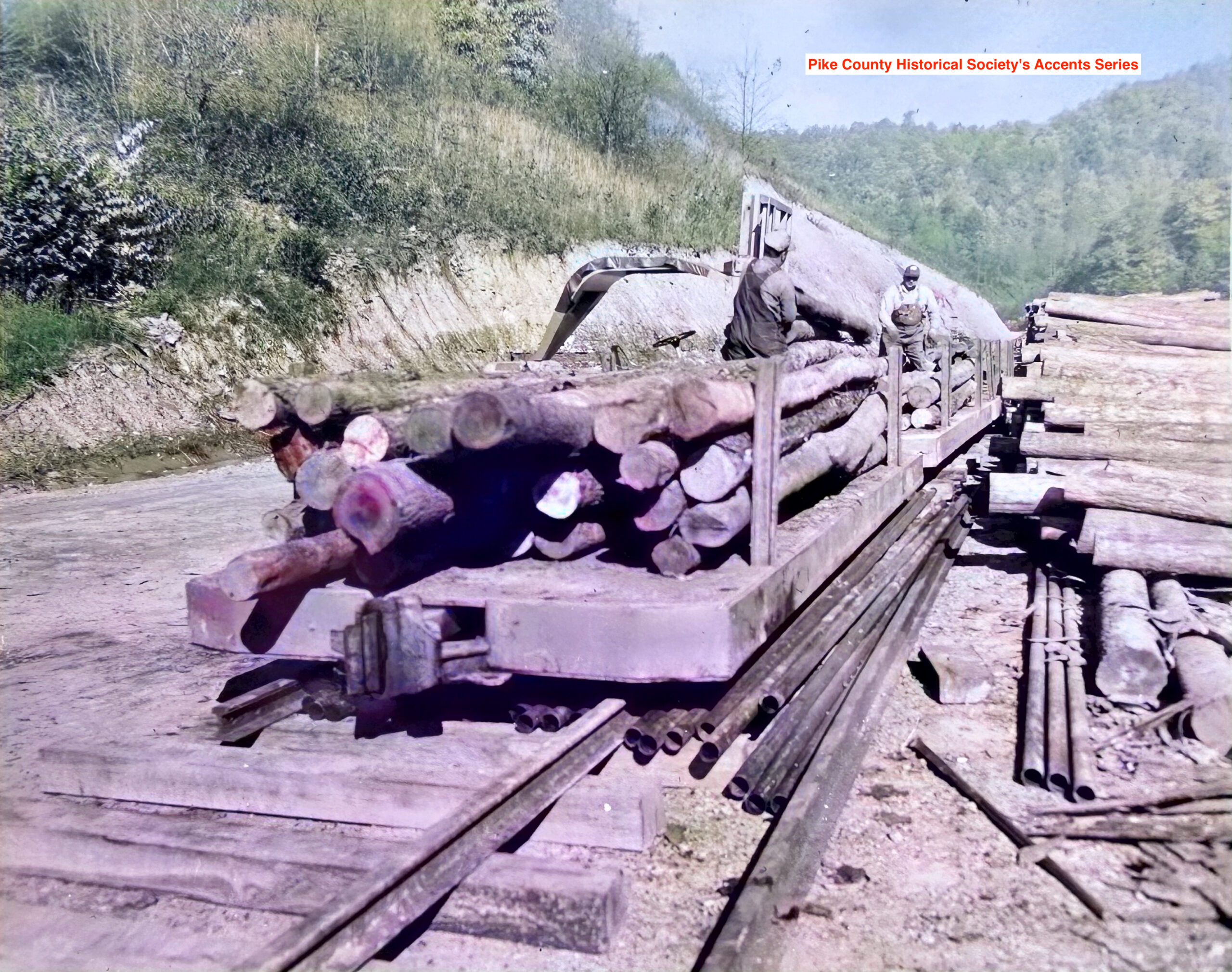
Timber Mining
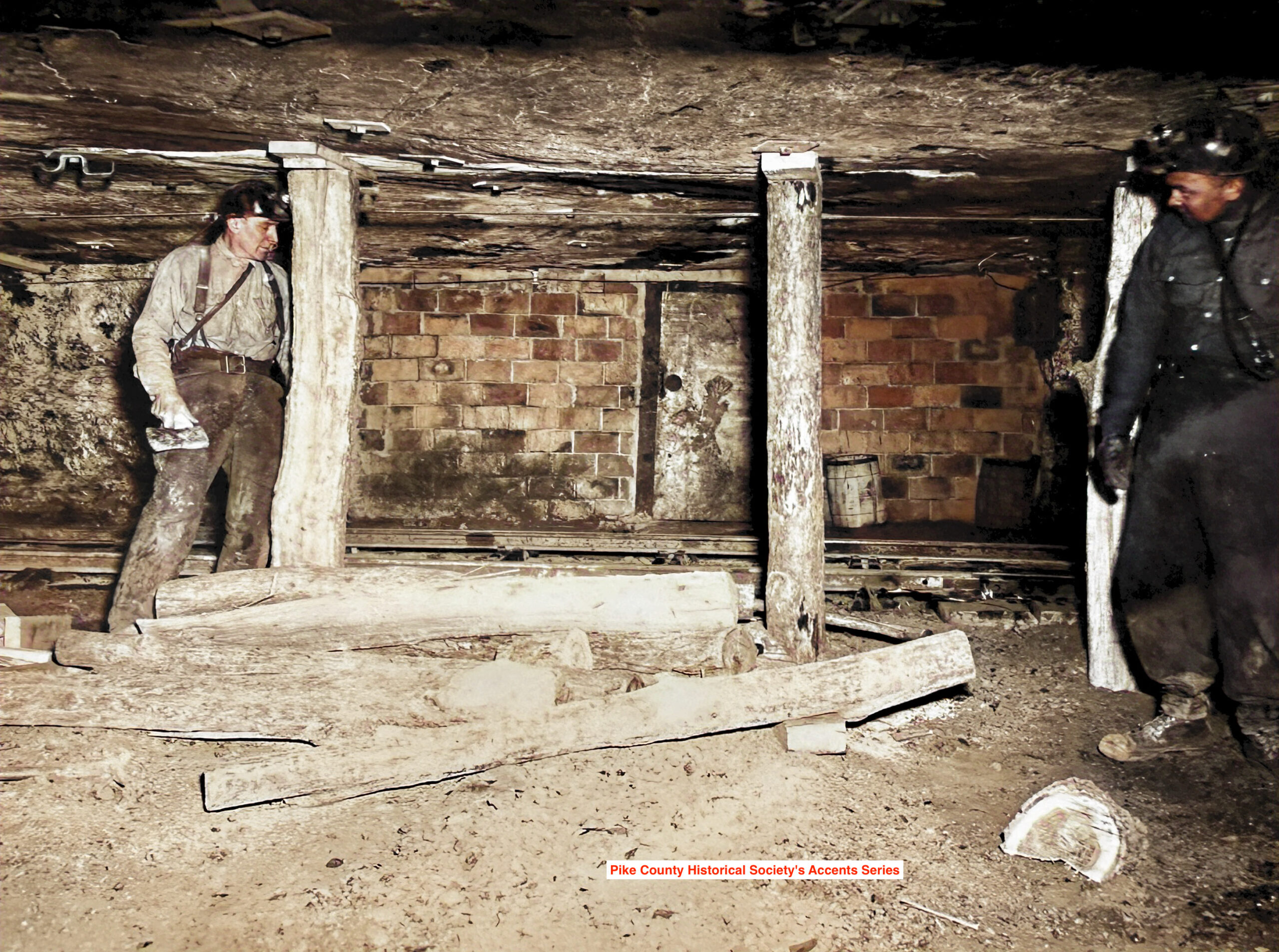
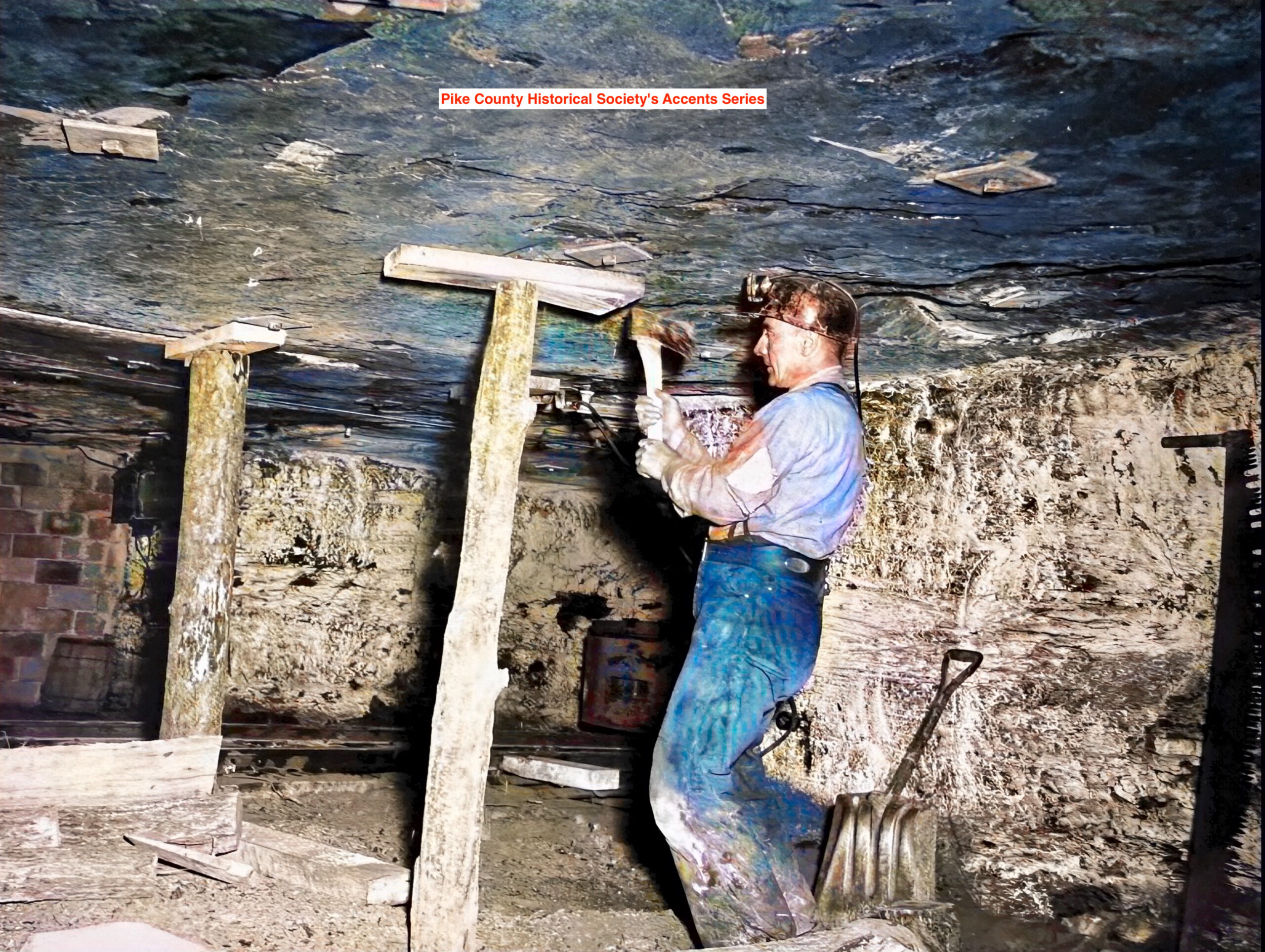
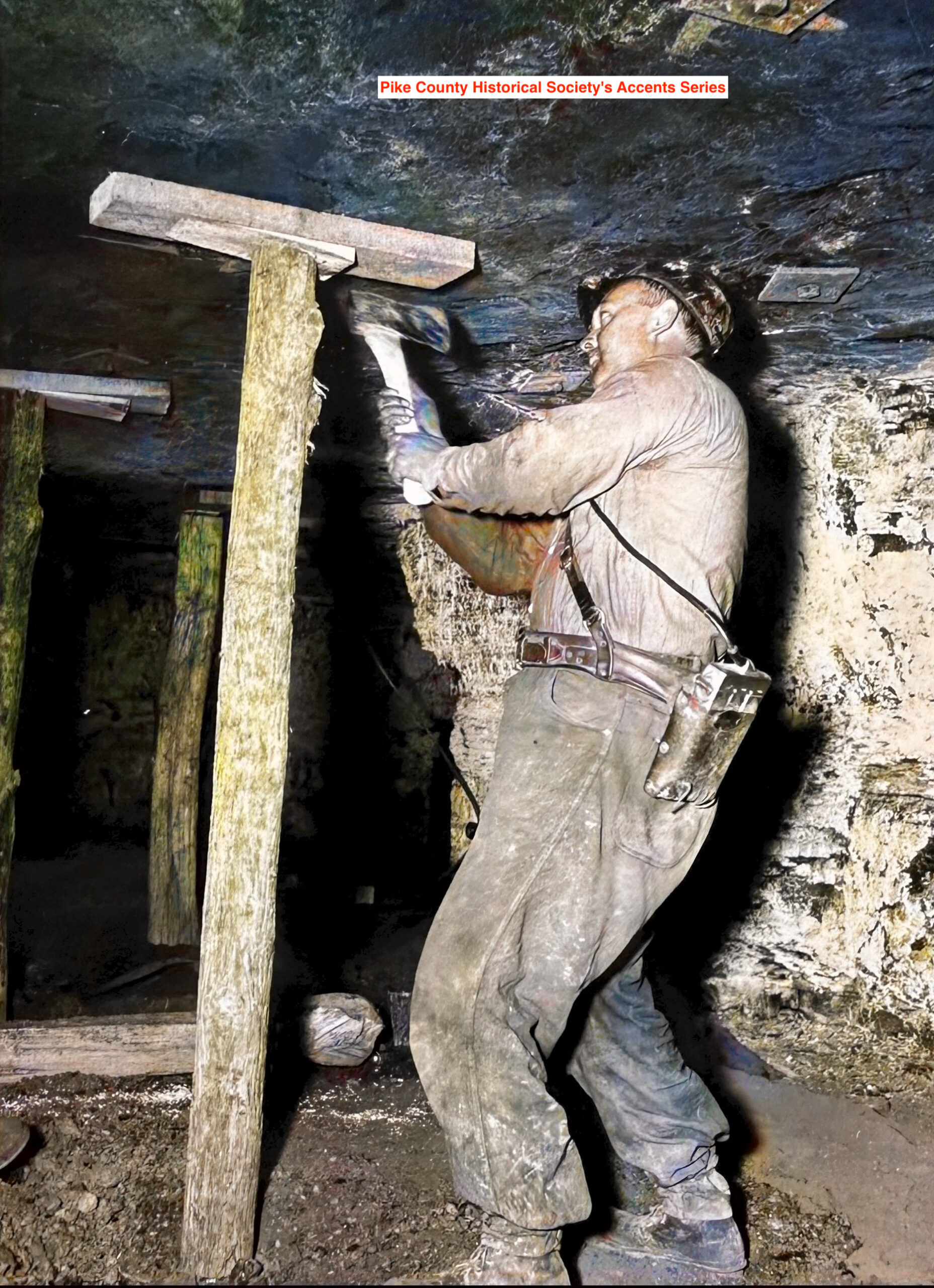
Timbering in coal mines has been unnecessarily practice from the very beginning. It serves as protection for the workers and helps to control the roof conditions while adjacent is coal extracted. The top of roof determines the kind of timbering that is required. When it’s necessary to support the roof over an area that must be kept open for equipment to travel, crossbars are used. These are long beams, supported at the ends by props (legs). A crossbar may be a round tree trunk, a rectangular wooden bar, solid from a log, and aluminum or steel beam, or a heavy steel rail. Regardless of what is used for a crossbar, it has always, in the past, meant that a lot of hard work was required to get it into location and up in place.
Here, by a series of pictures and descriptions, is shown the old way compared to a new mechanize way. The tempering machine shown Is a new development and is the first delivered of several on order by Consol and its Elkhorn District mines.
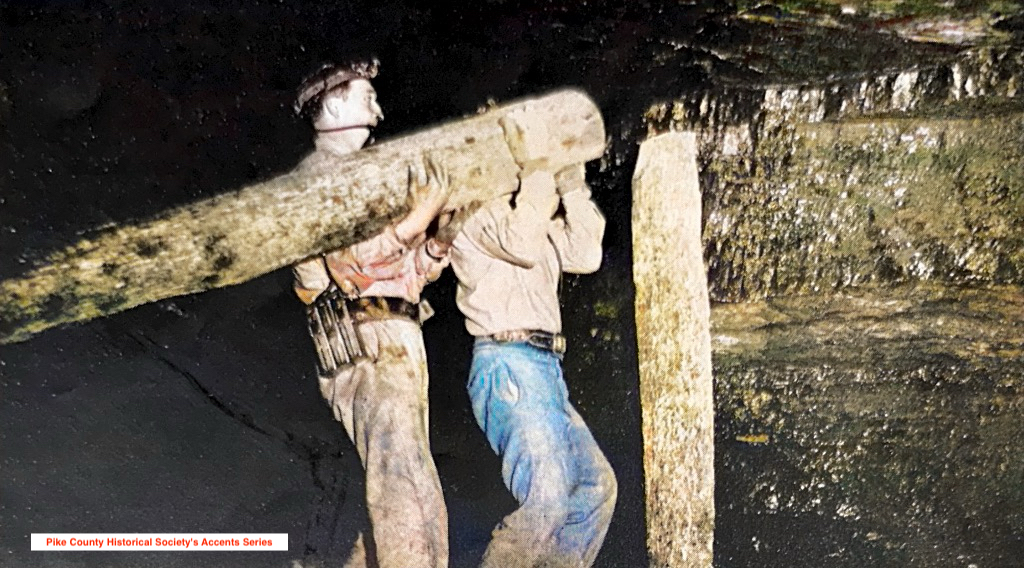
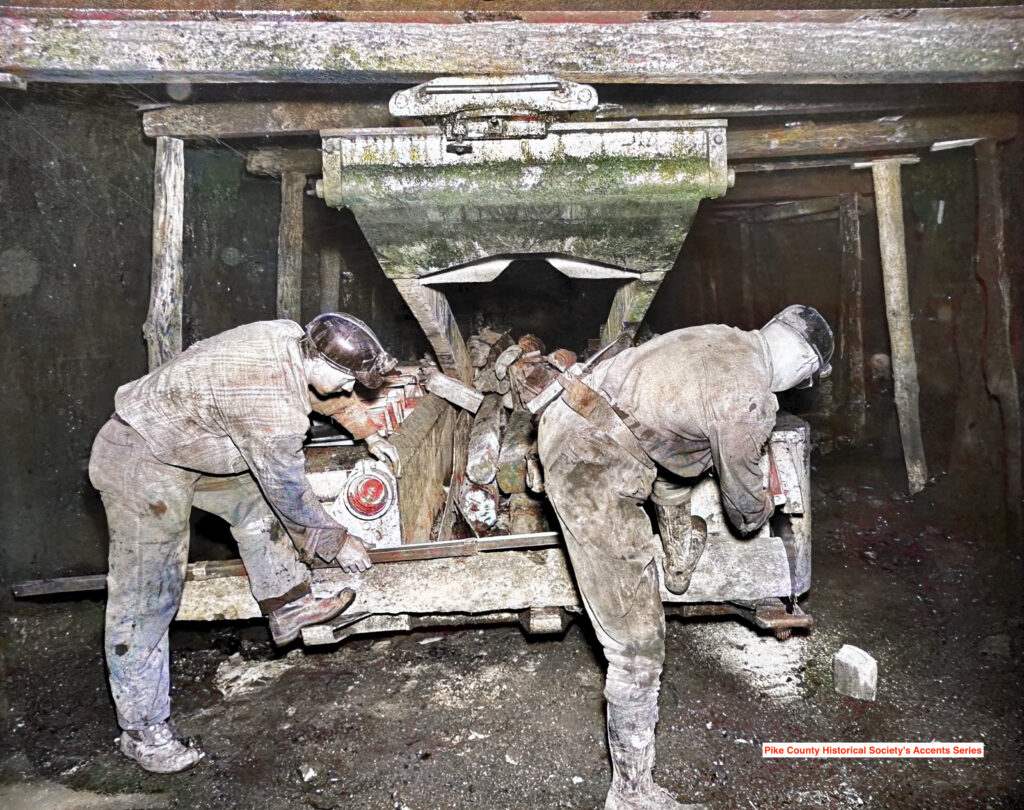
In the accompanying pictures, Delbert Baker and Emery Tucker of mine 204 are shown using the old method of putting up crossbars. After one, I’ve near proper length, is stood up where the bar is to go, the end of the bar is hosted up high enough to go on top of the post. it is a trick to do this without knocking the post over. With a one end safely placed on prop the other end is placed on the Timberjack and raised against the roof. While this supported the length of the post for this end is measured and cut off with a crosscut saw, which is slow and time-consuming, as well as hard work. The post is then placed under the bar and wedges and Cat pieces installed to make it tight. Often the later is not done in the best manner due to the small variety of these materials in each place to select from.
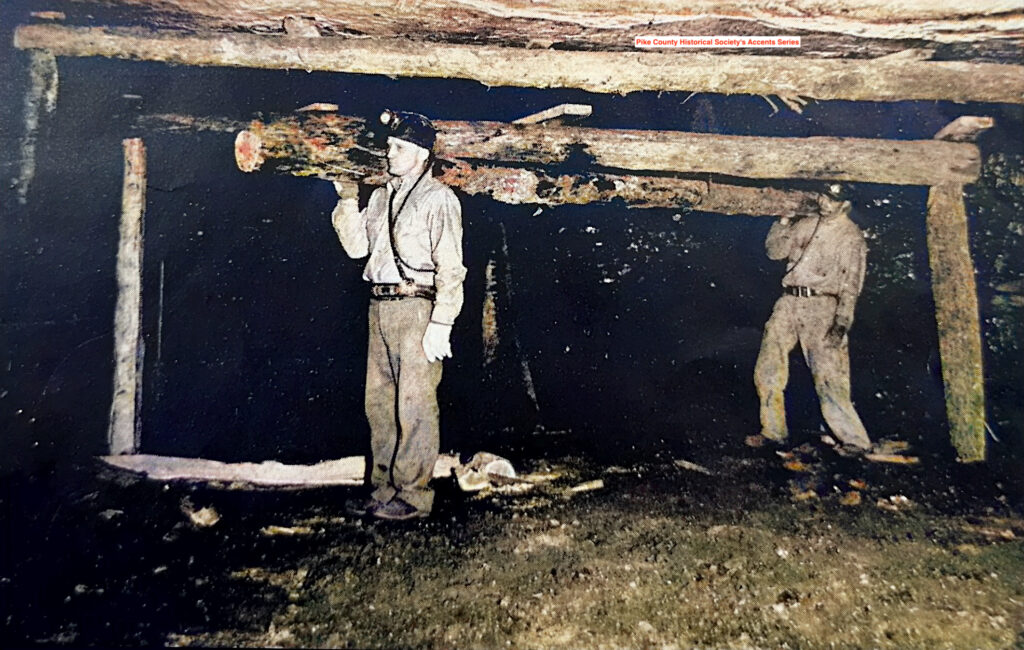
The Old Way Was Strenuous
Hosting one end of the Cross-Bar on top of the leg is a job, and often requires some one juggling to do without knocking the leg over.
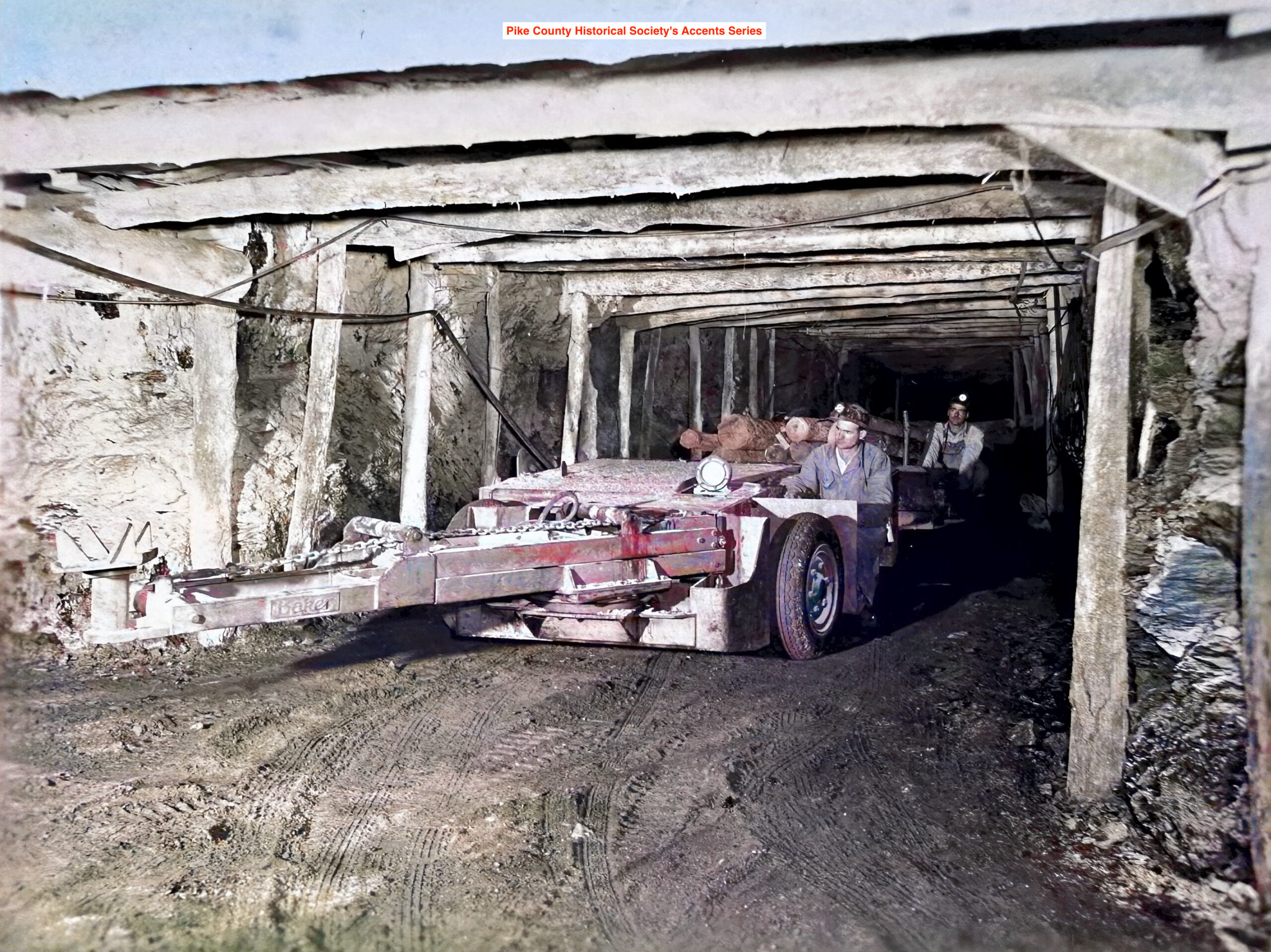
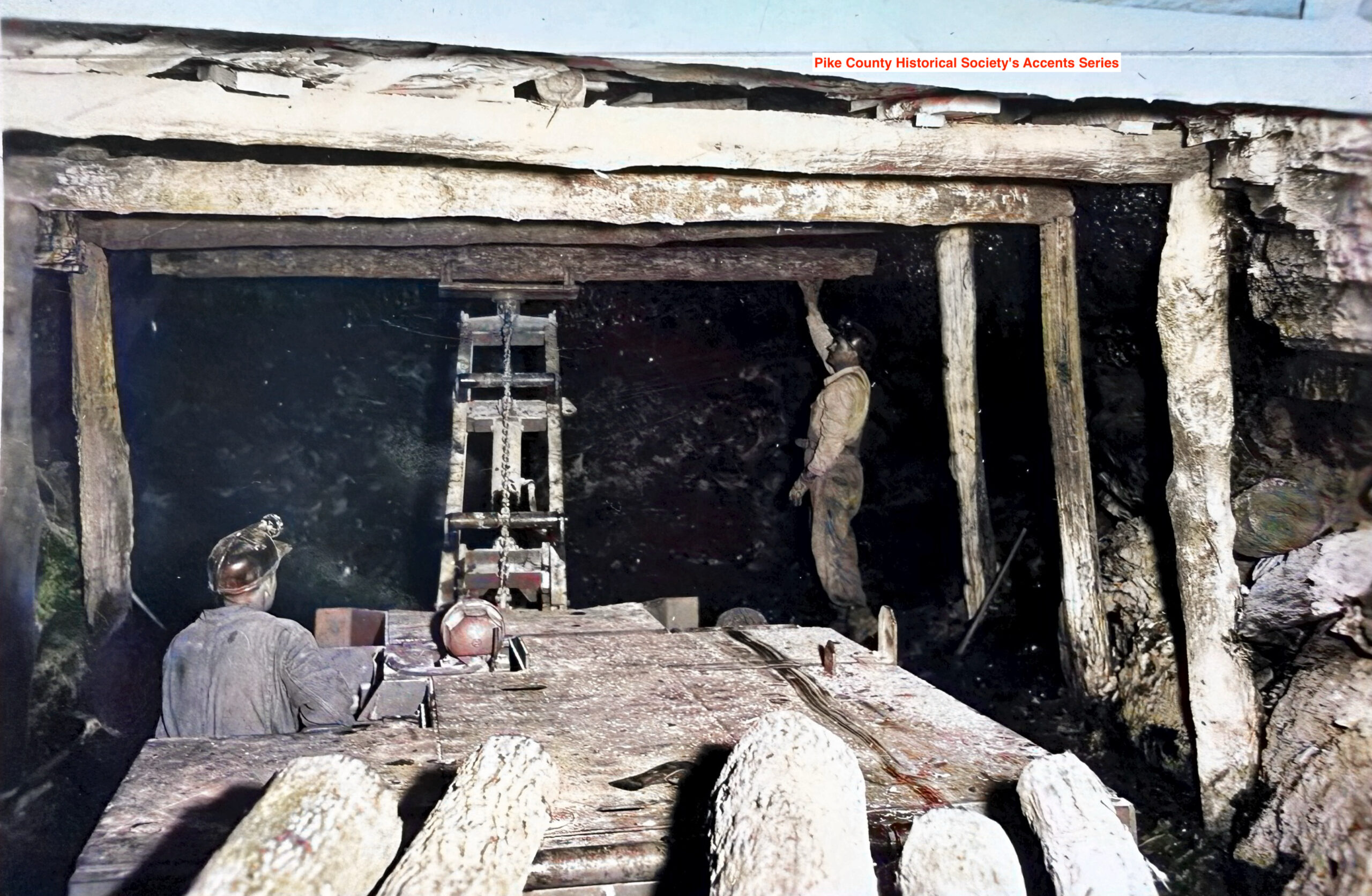
The New Way Is Efficient
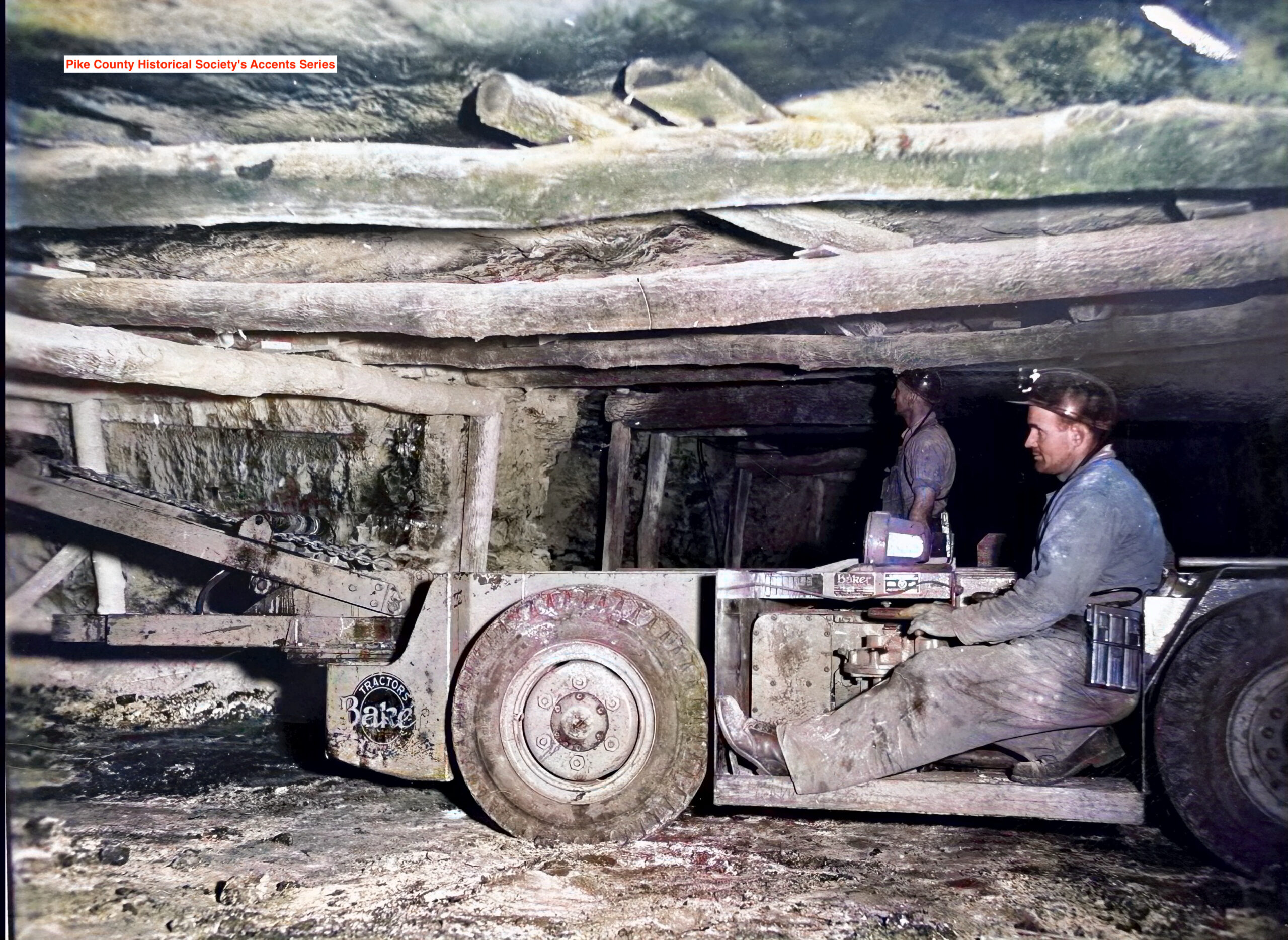
Timber setter with lowered boom in front heads into the room pulling the trailer loaded with all the necessary tools and supplies to do a complete timbering job. Boom can be swung either right or left from the drivers seat making it easy to clear the corners. Johnny Pennell operates the timber machine and Fur Bentley in the rear steers the trailer car.
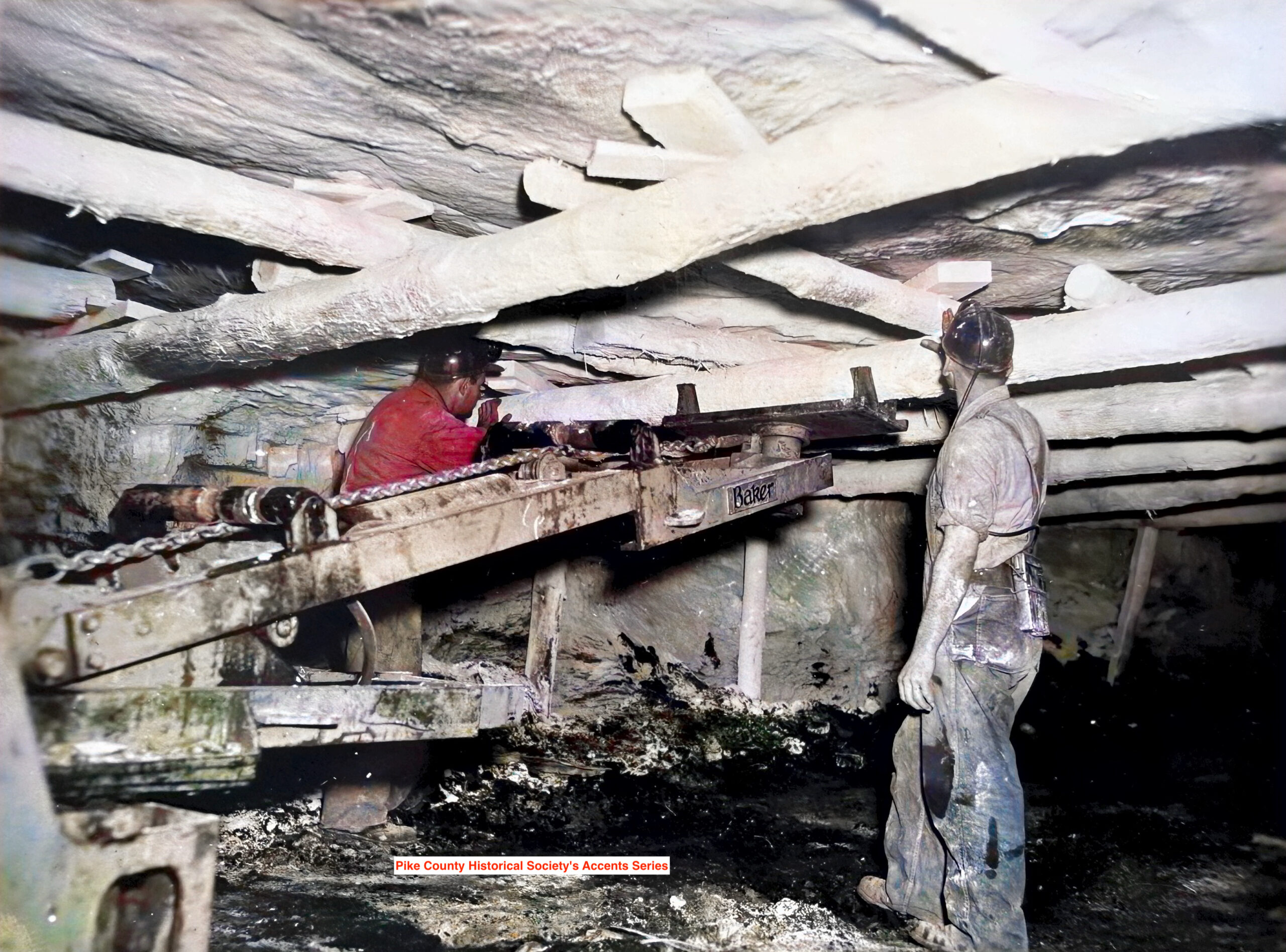
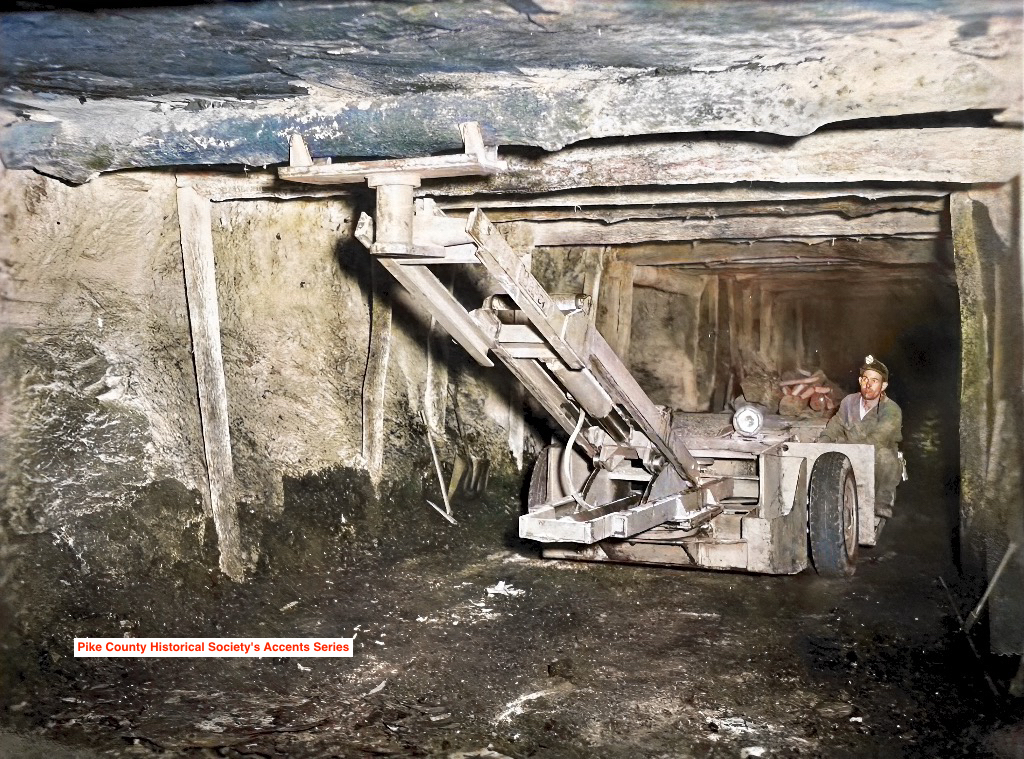
The New Way Is Safer
Cross-bar is position to the right or left, forward or back, then hoisted against the roof in place. Hydraulic controls, located at the drivers seat control the motion. So powerful is the machine that can bend the bar when pressing it against the roof. With the bar in this position, the men have protection while they go about measuring the length of the supporting post.
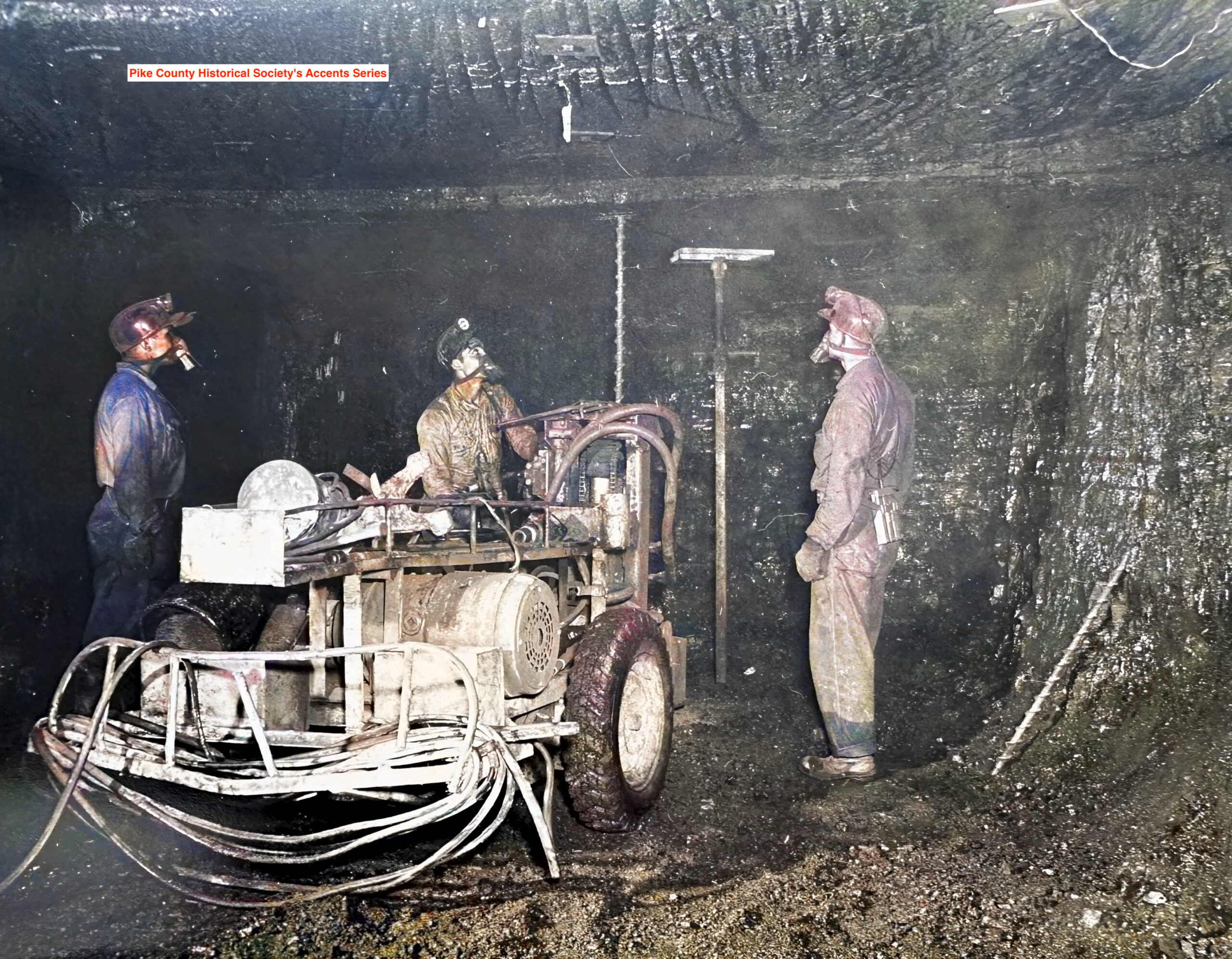
Perhaps the most significant development in coal mine ground control during the last century was the introduction of roof bolting during the late 1940’s and 1950’s. From an engineering standpoint, roof bolts are inherently more effective than the wood timbers they replaced. Roof bolts promised to dramatically reduce the number of roof fall accidents, which then claimed hundreds of lives each year, and they were initially hailed as “one of the great social advances of our time.” Roof bolting also emerged at a time of rapid technologic transformation of the coal industry, and greatly accelerated the transition to trackless, rubber-tired face haulage.
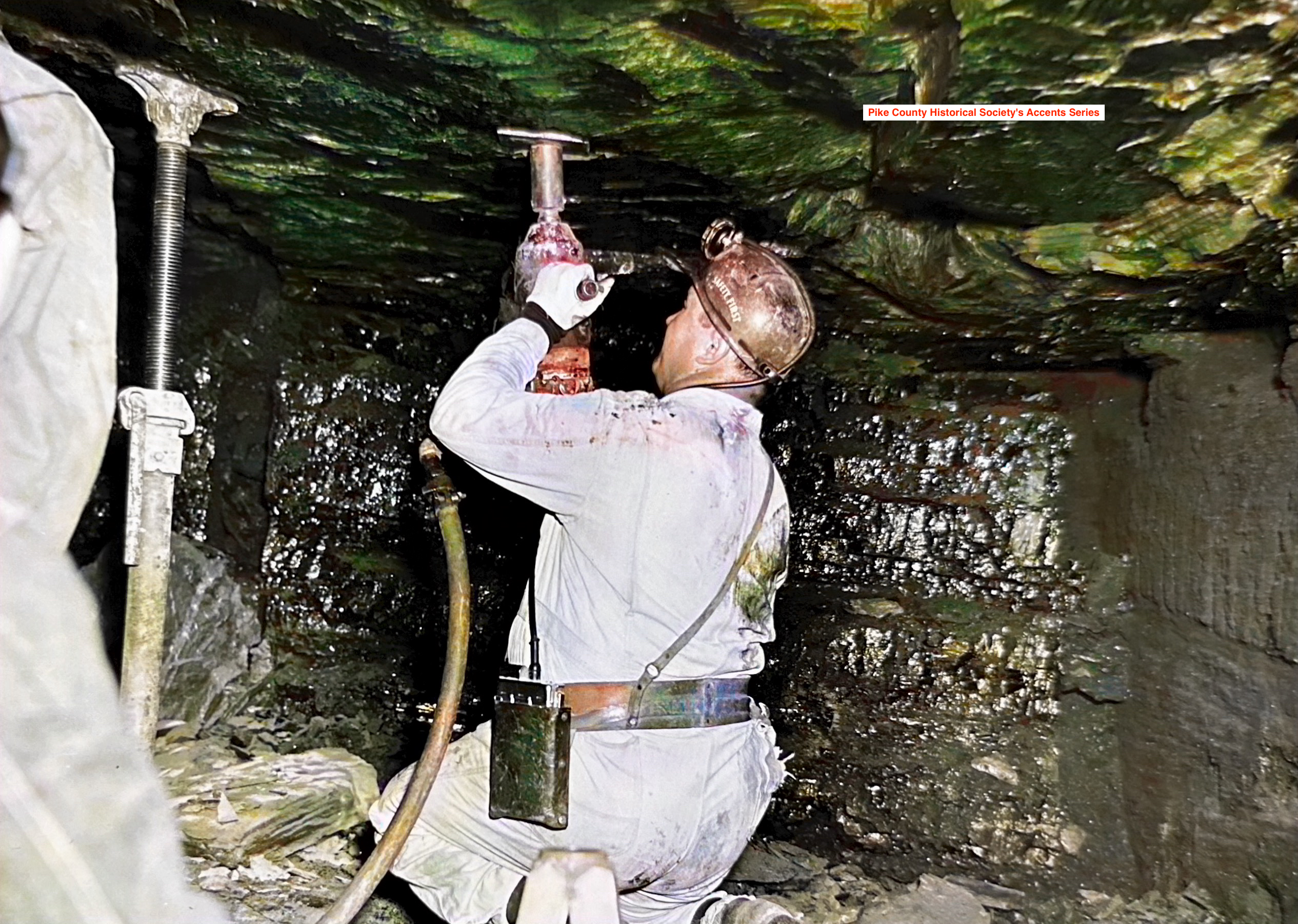
Early in 1947, C. C. Conway, Chief Engineer for the Consolidation Coal Company in St. Louis, visited one of the St. Joe mines near Bonne Terre, Missouri, and was impressed with the roof bolts he saw there. He determined to try them at Consol’s Mine No. 7 near Staunton IL. The roof at Mine No. 7 was a common Herrin No. 6 Seam sequence, with several feet of weak shale and “clod” drawrock beneath the extremely competent Brereton limestone. Timbering requirements were extensive, and often the drawrock collapsed before it could be supported, causing extensive dilution of the ore and a major safety hazard. The first roof bolts were installed in Mine No. 7 using hand-held stopper drills. The anchors were expansion shells “similar to those used to support trolley wire”, though slot-and-wedge type anchors like the ones “ordinarily used in the metal mines” were also employed. A section of channel iron was used as a plate. The DC air compressor was powered by a trailing cable and mounted on a truck. Two men constituted the bolting crew.
For Conway, the most important feature of roof bolts was that they could be placed “as near the face as possible.” Shuttle car turnouts were also improved by eliminating some of the props that formerly supported crossbars. After placing hundreds of bolts in more than a year of experimentation, Conway concluded that the “practicality of supporting slate from a bed of limestone has been demonstrated.”
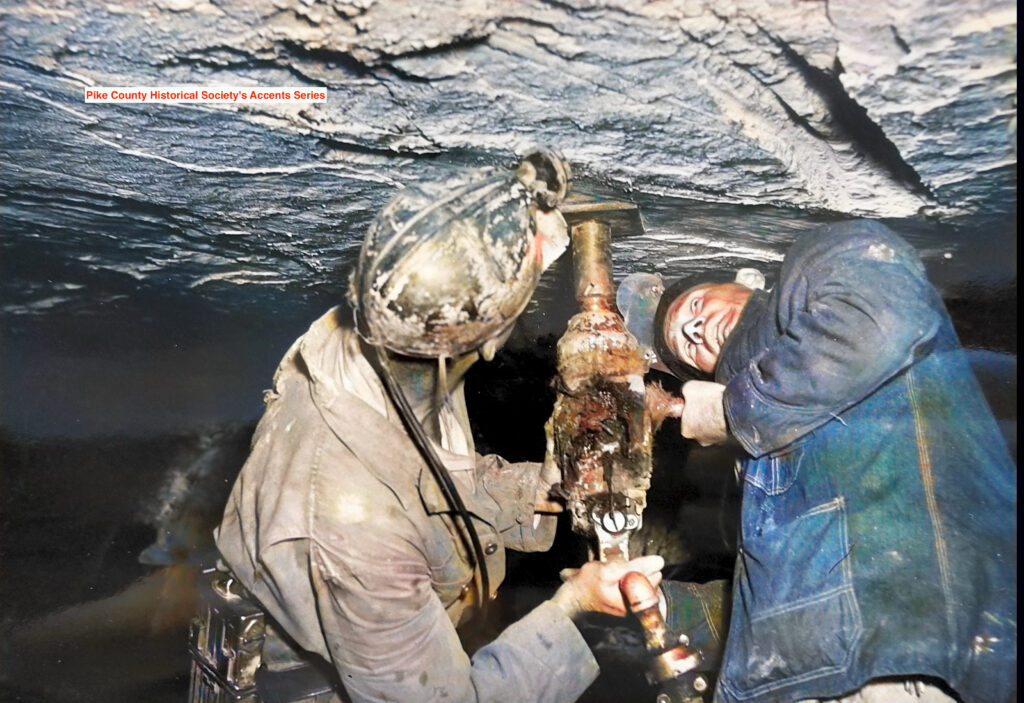
Conway’s enthusiasm was restrained, however. He introduced roof bolting not as a panacea but as “a different and possibly advantageous method of supporting roof.” At this point there was “no intention to completely eliminate timbering,” though timbering requirements might be reduced. “Props and other timber are the miner’s barometer or measuring stick,” wrote Conway; roof bolting should be considered as supplemental support “before adequate timbering is possible.” He did, however, propose that roof bolts could be used to “make laminated shale homogeneous,” and said that trials were already underway in other Consol mines where no strong limestone was present in the roof.
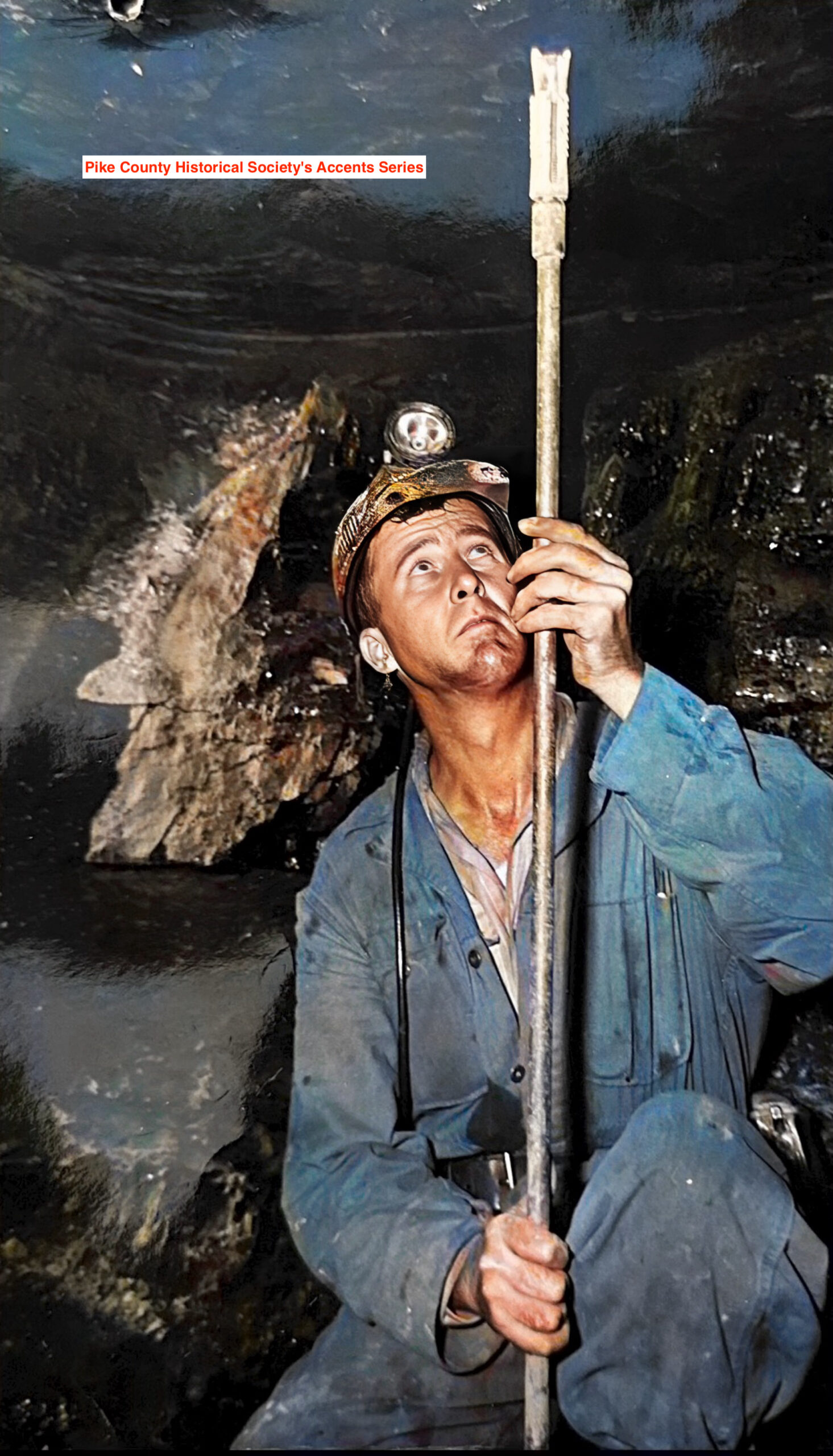
The U.S. Bureau of Mines (Bureau) was apparently involved in the roof bolt trials at Mine No. 7 almost from the beginning. Early Bureau reports included roof bolts as one of several “legless supports” for mechanical loading, along with hitch timbering and peg timbering. As it gained confidence in the technique, the Bureau began to advocate roof bolting enthusiastically as an accident- prevention measure.
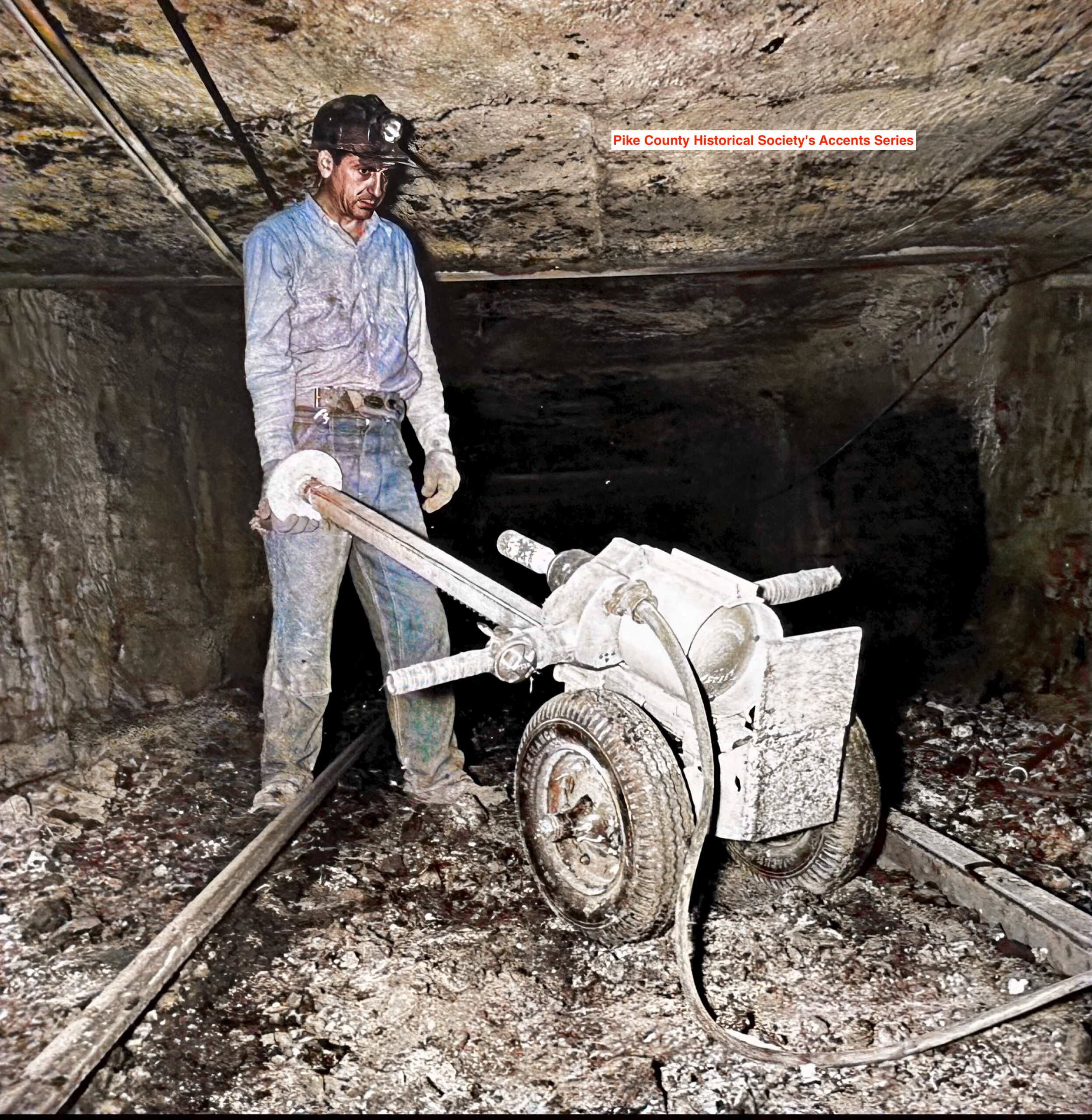
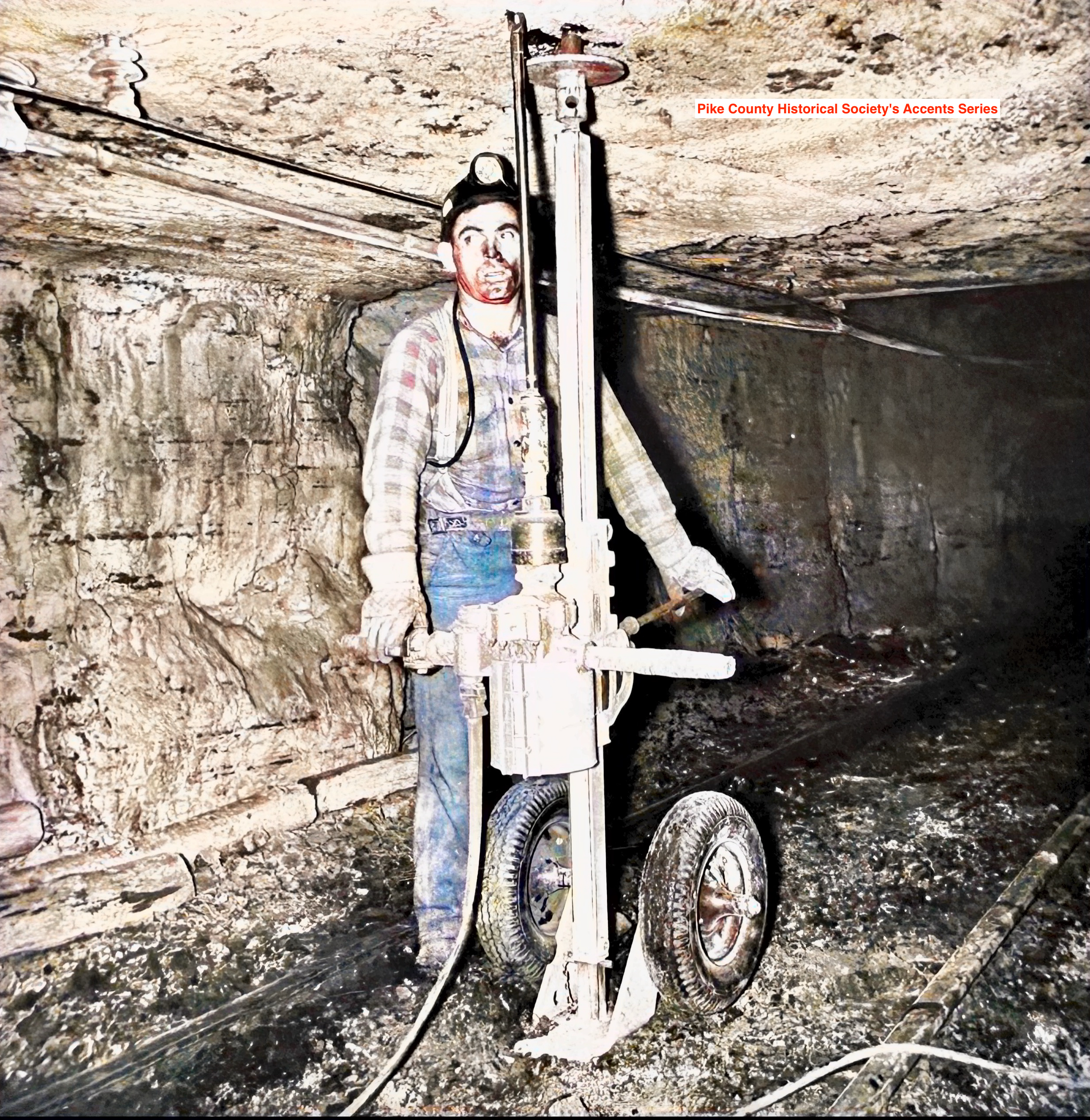
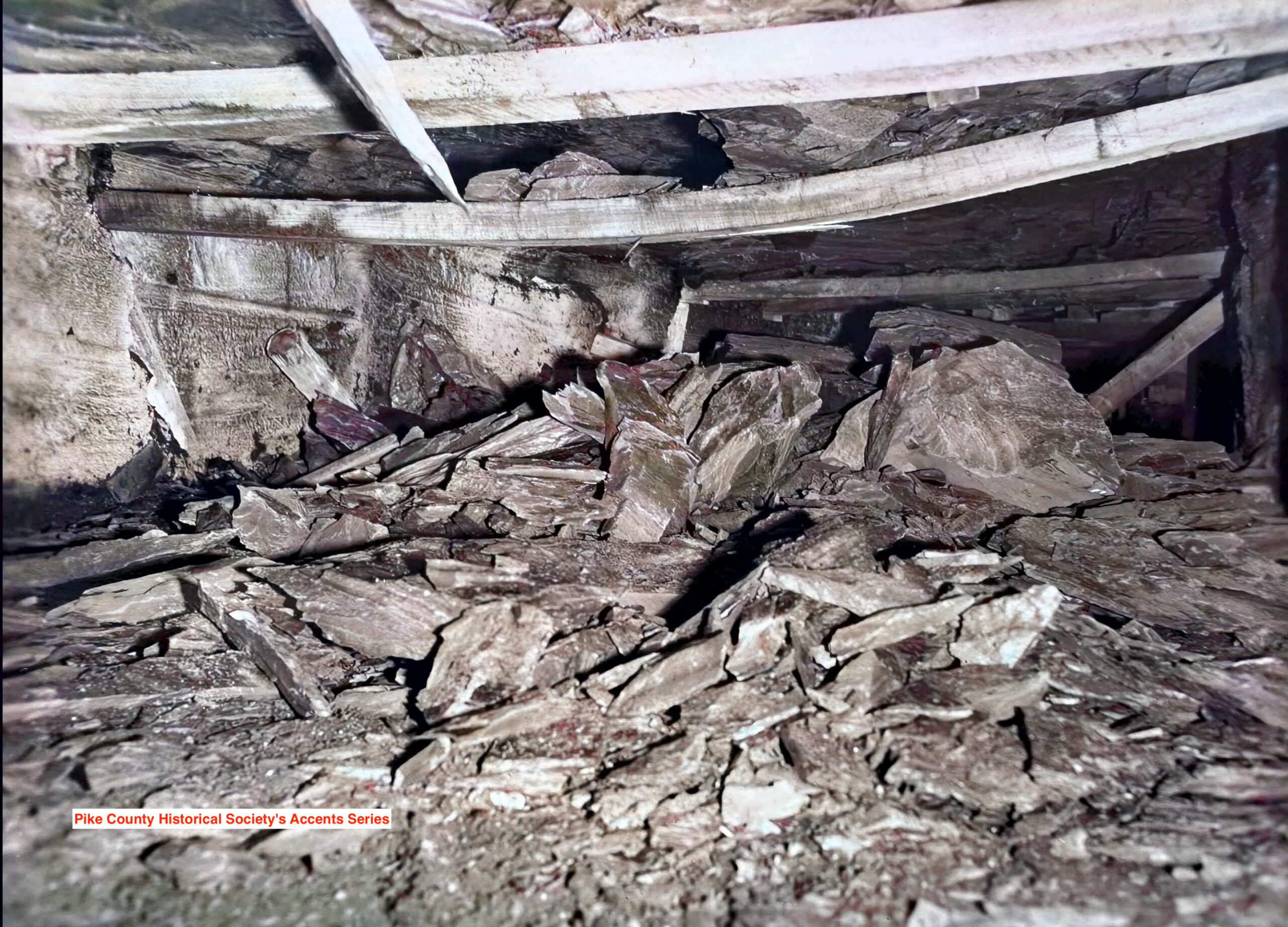
Rock Fall
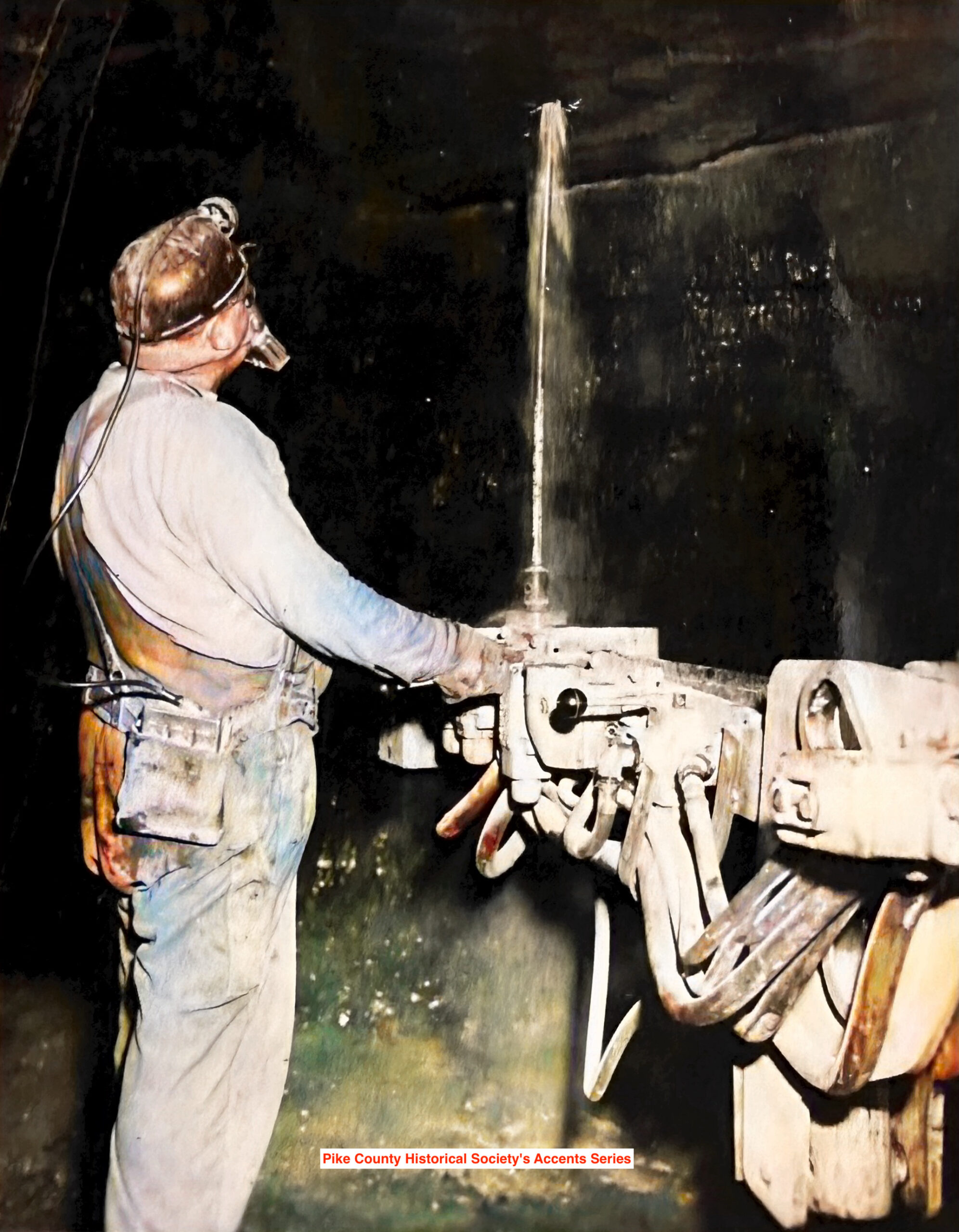
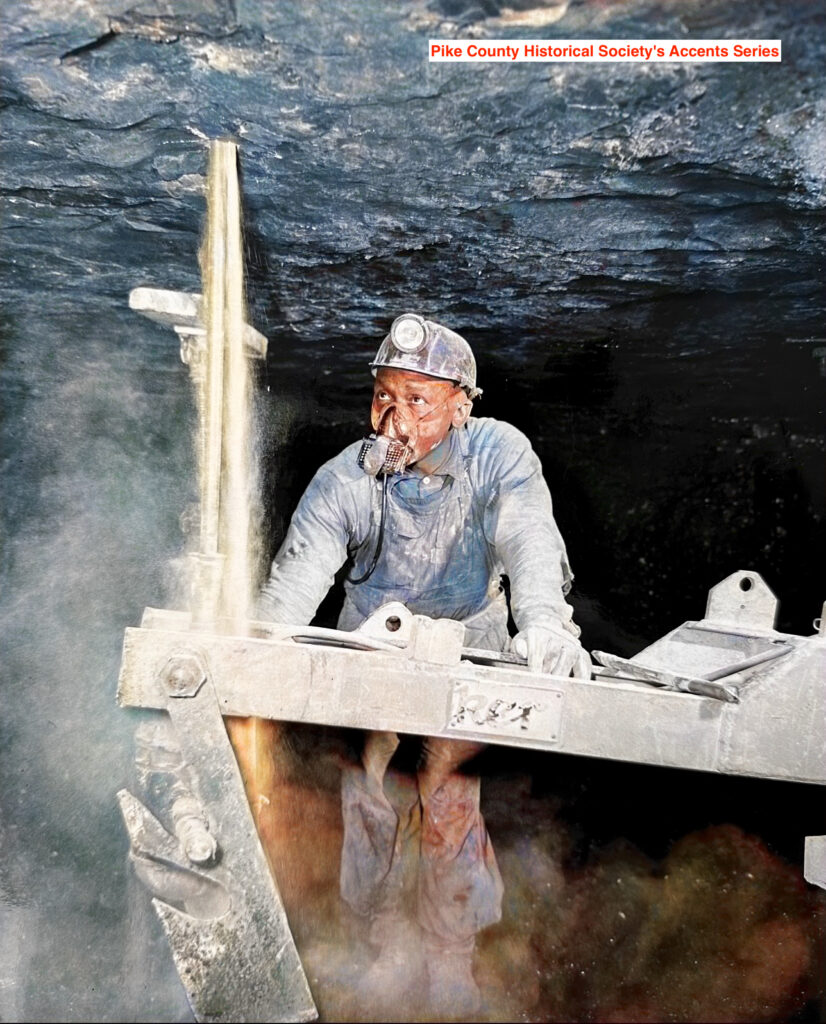
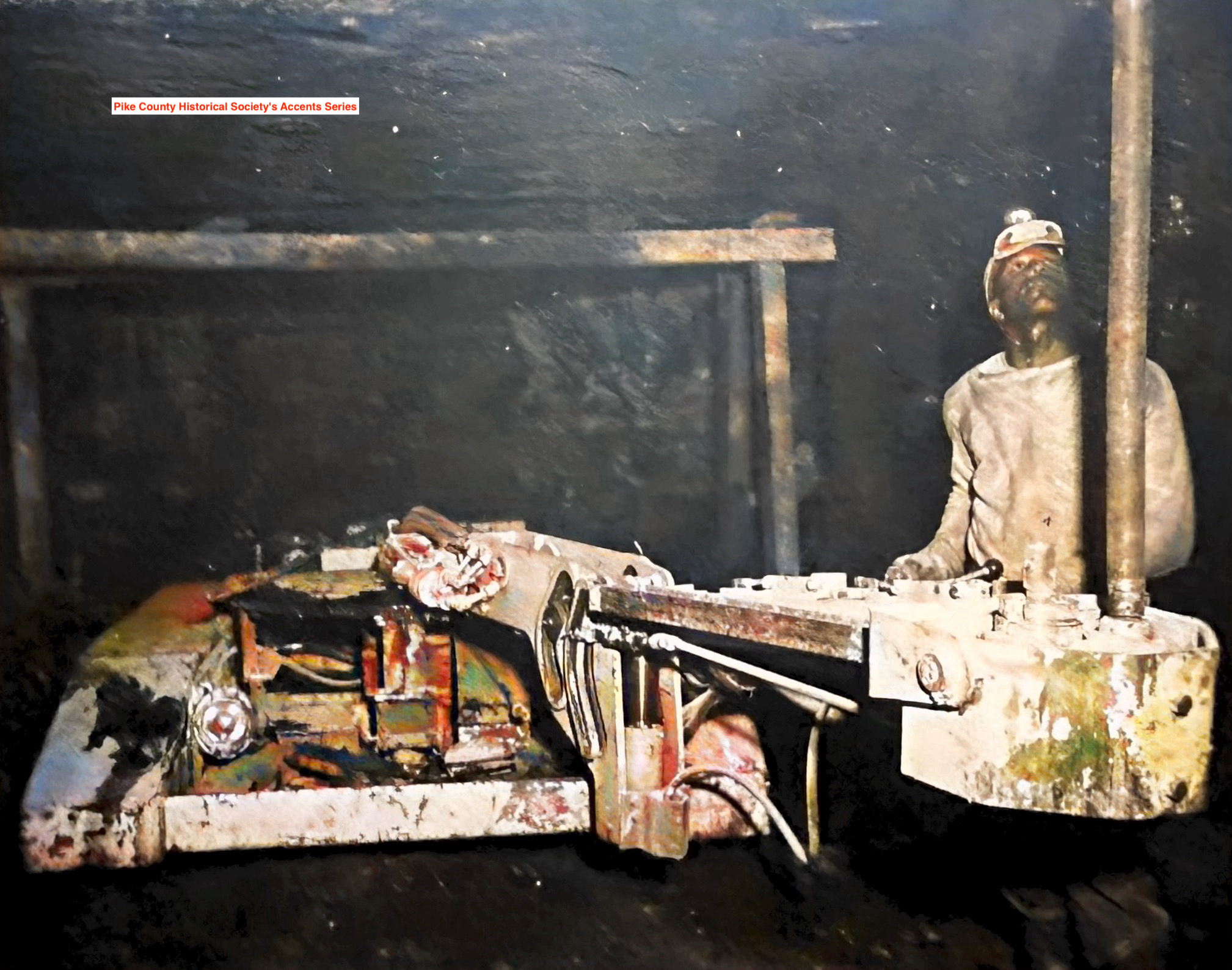
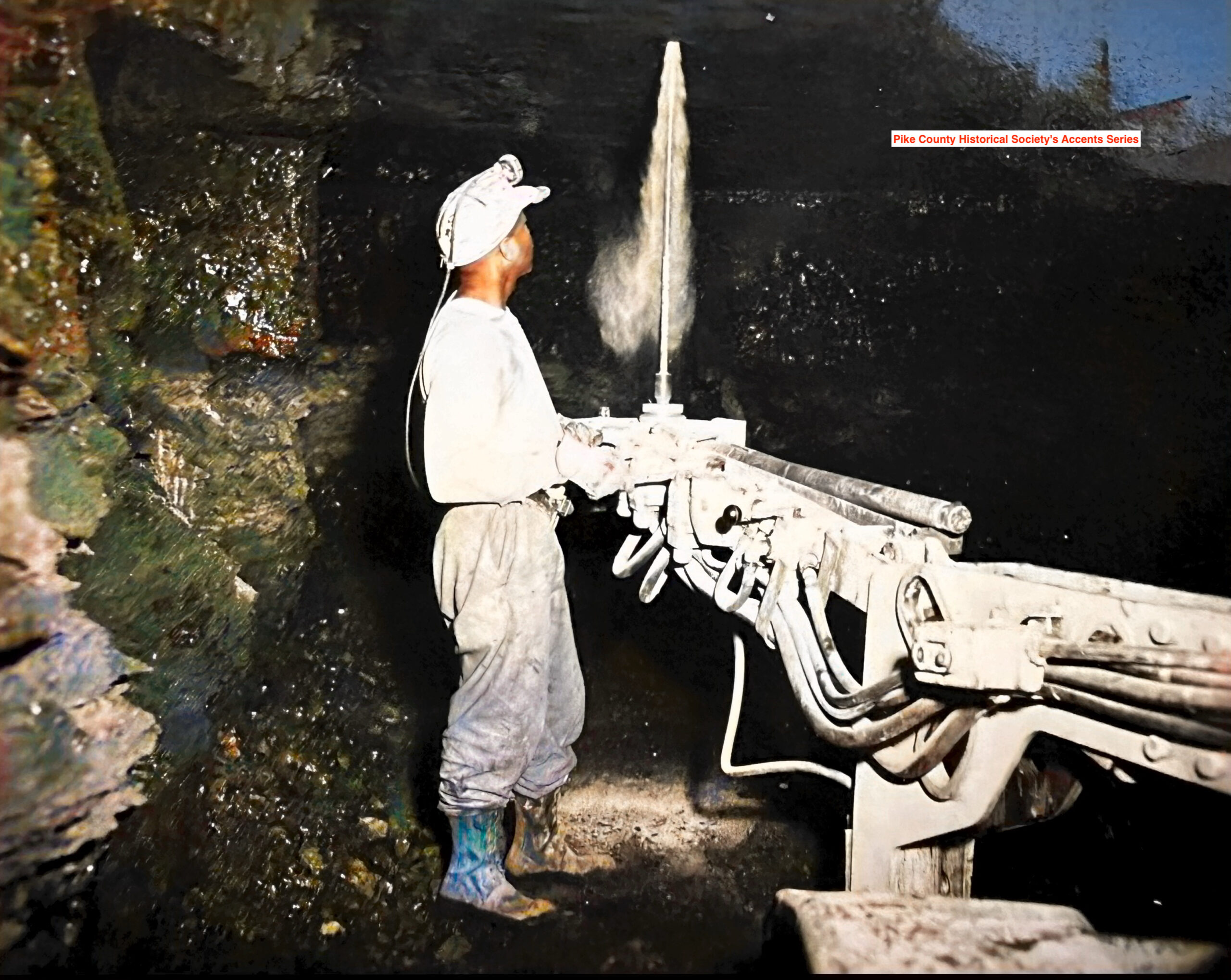
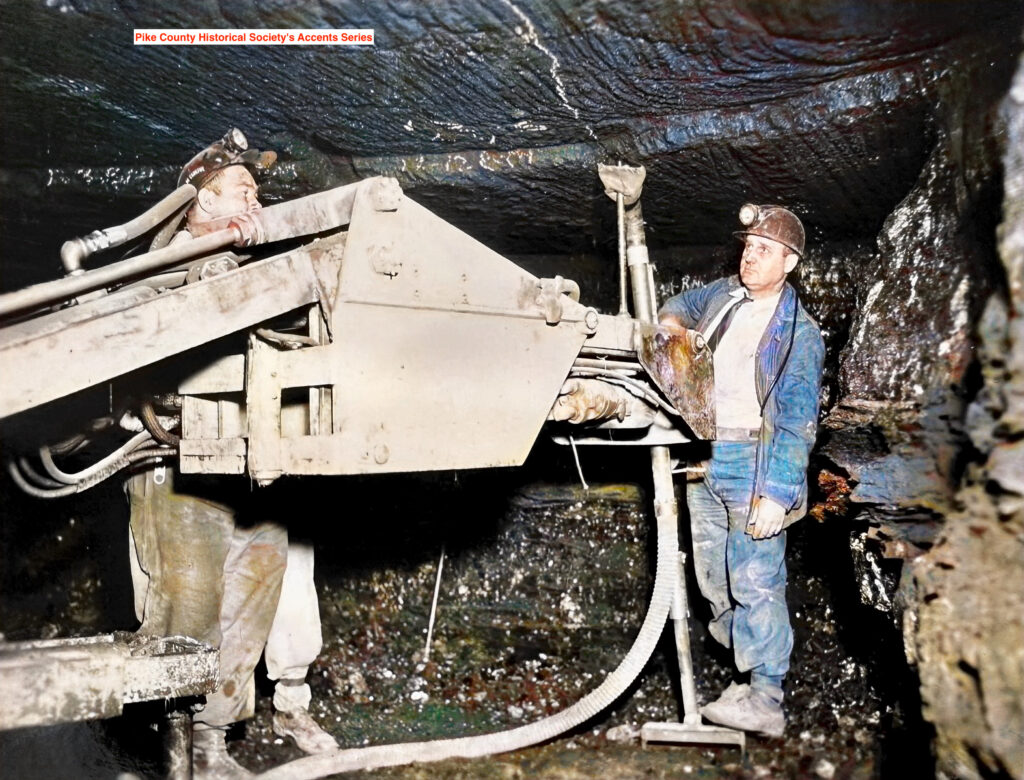
This Photo made it on the front page of the The Check Board Publication Issue June-July 1949. Claude Mullins on the Pinner.
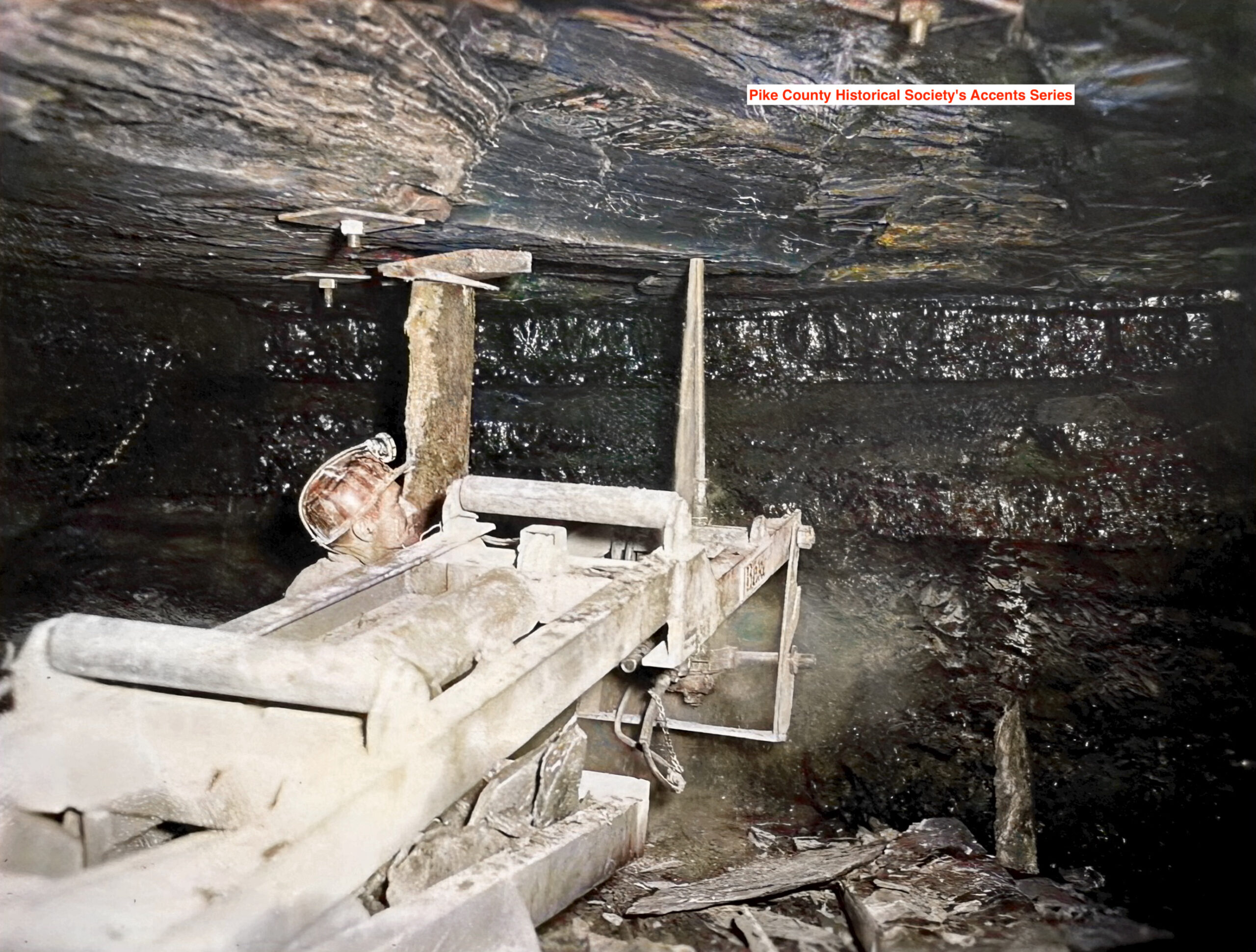
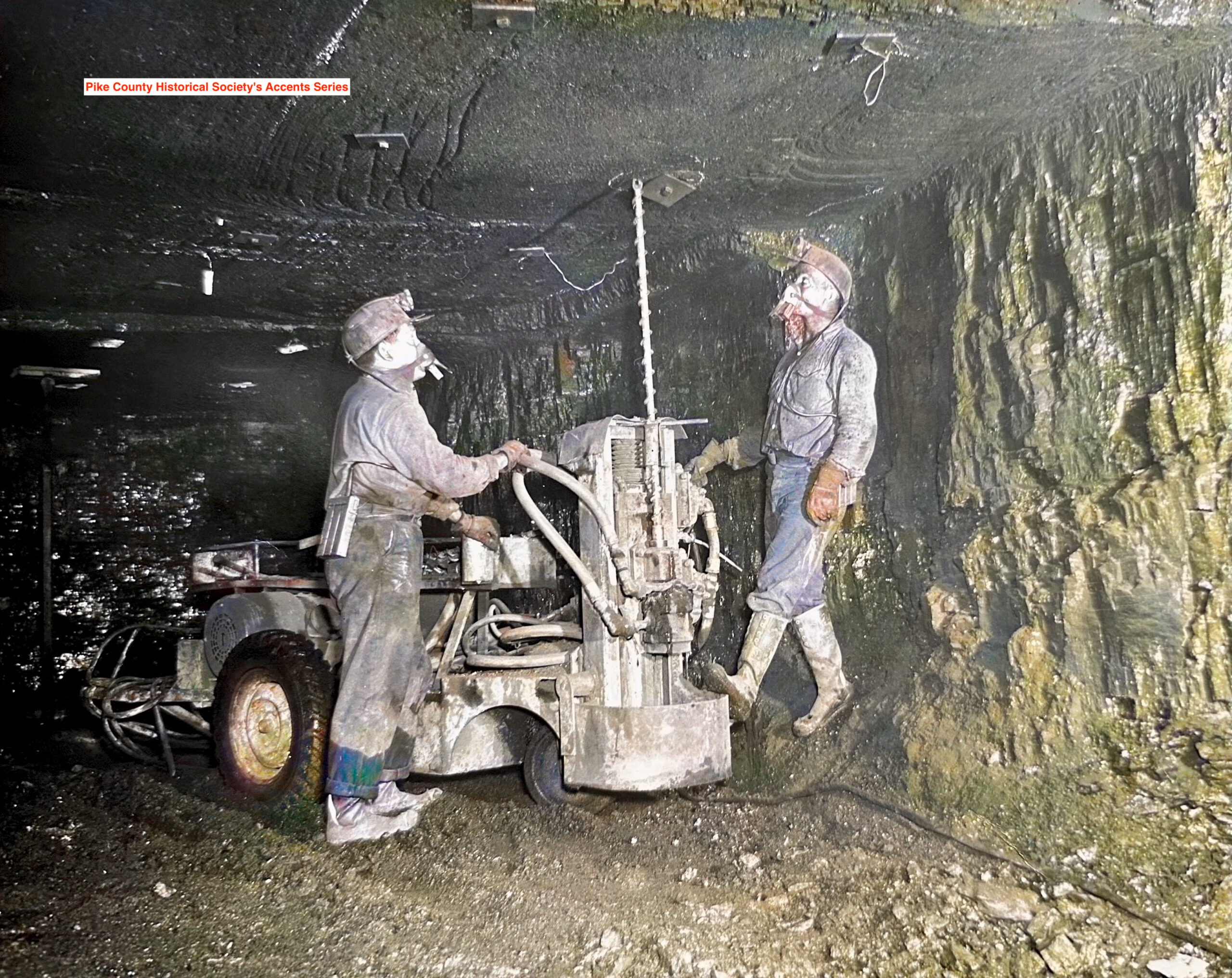
Installing Plates on Roof Bolts for todays shift.
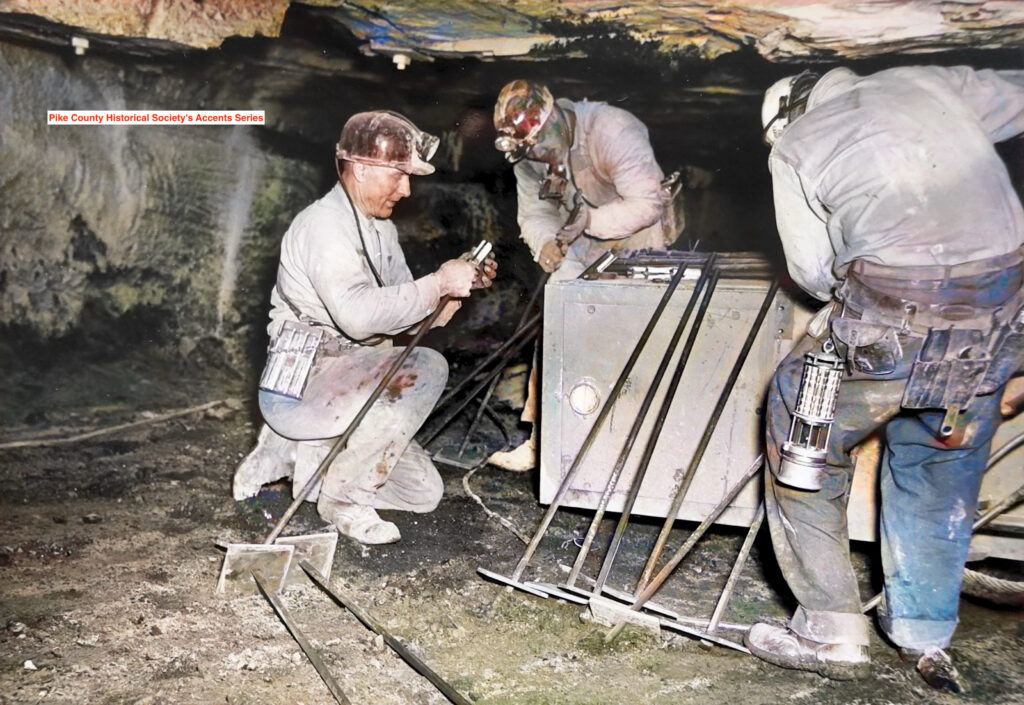
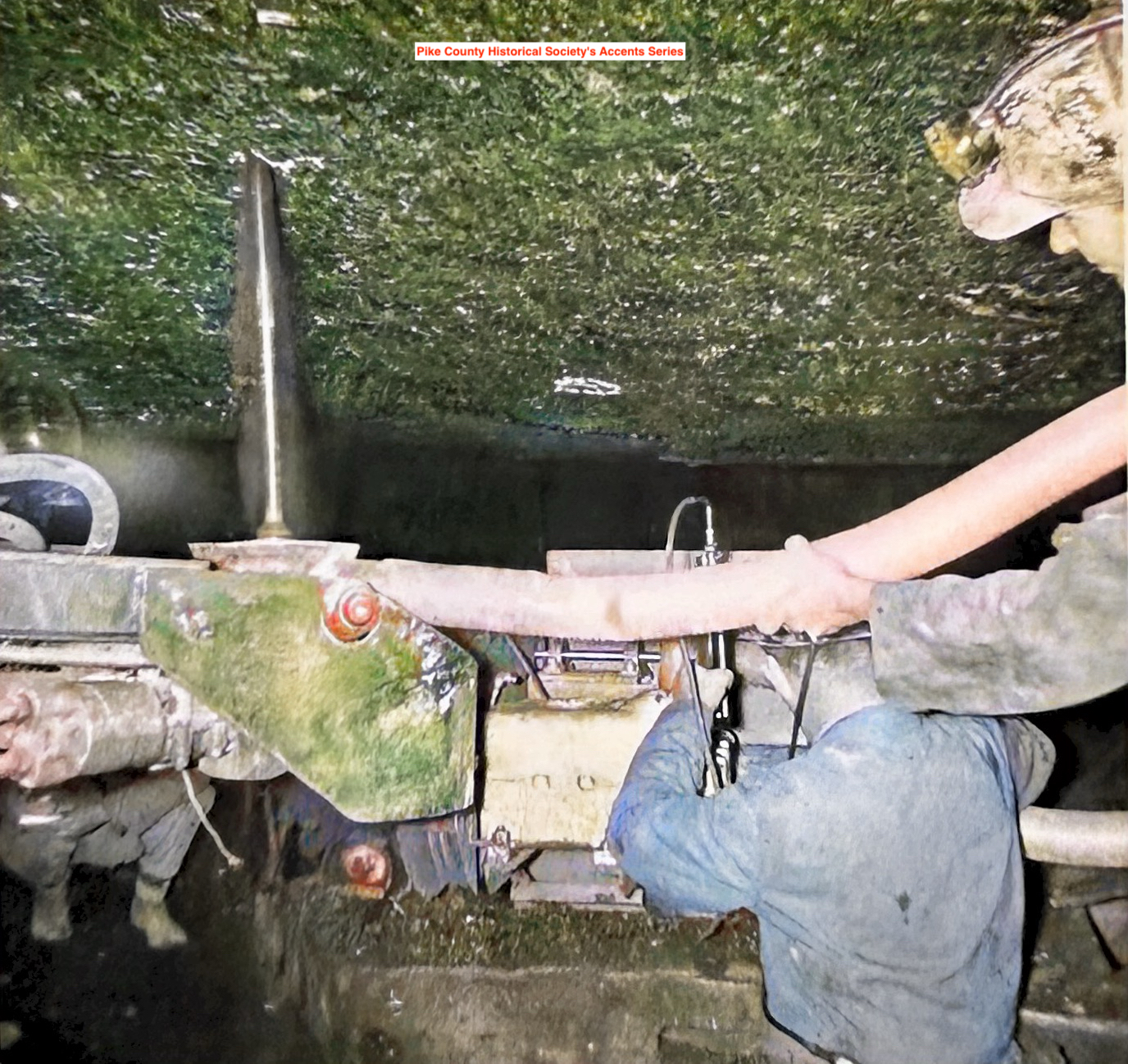
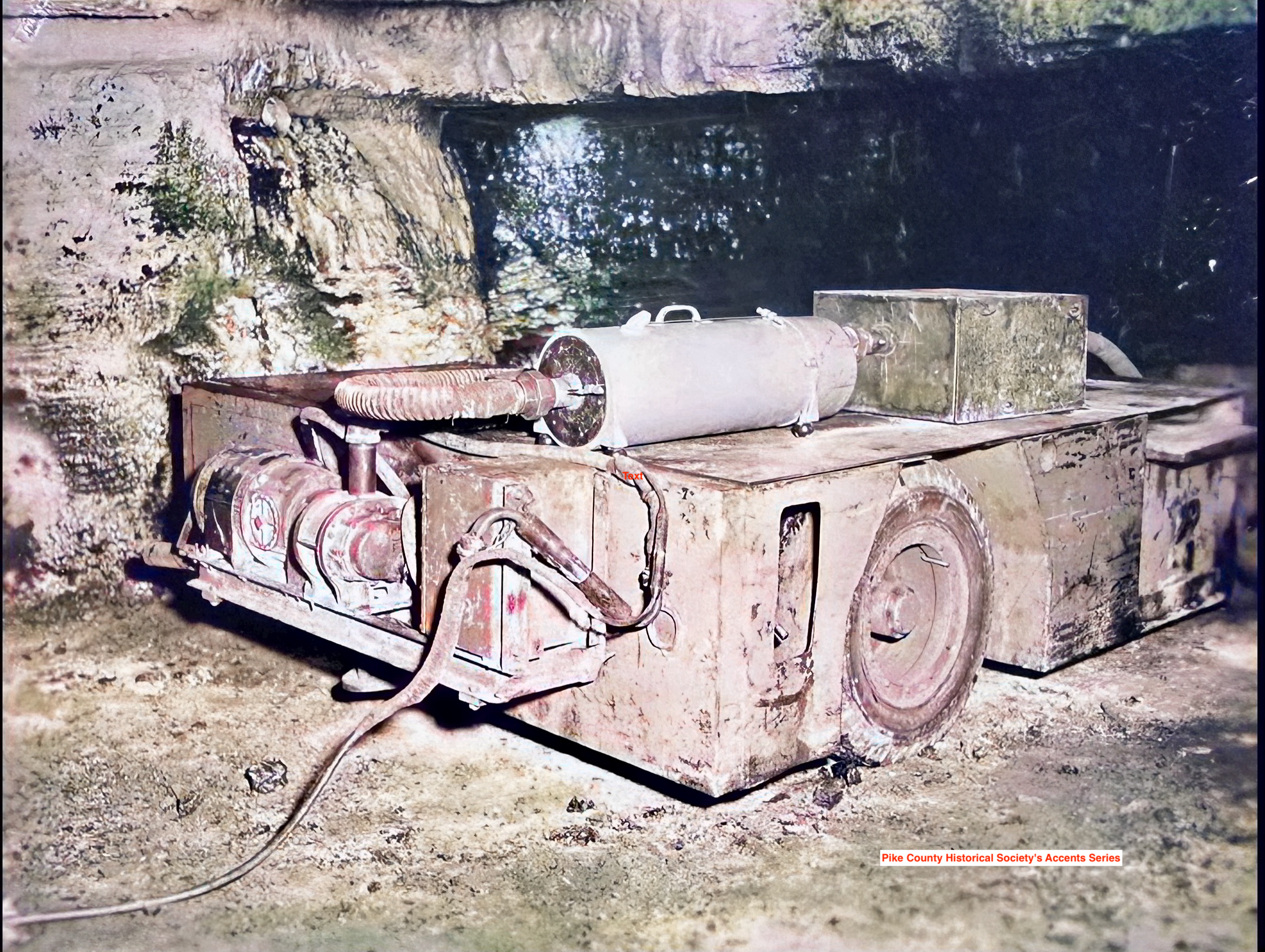
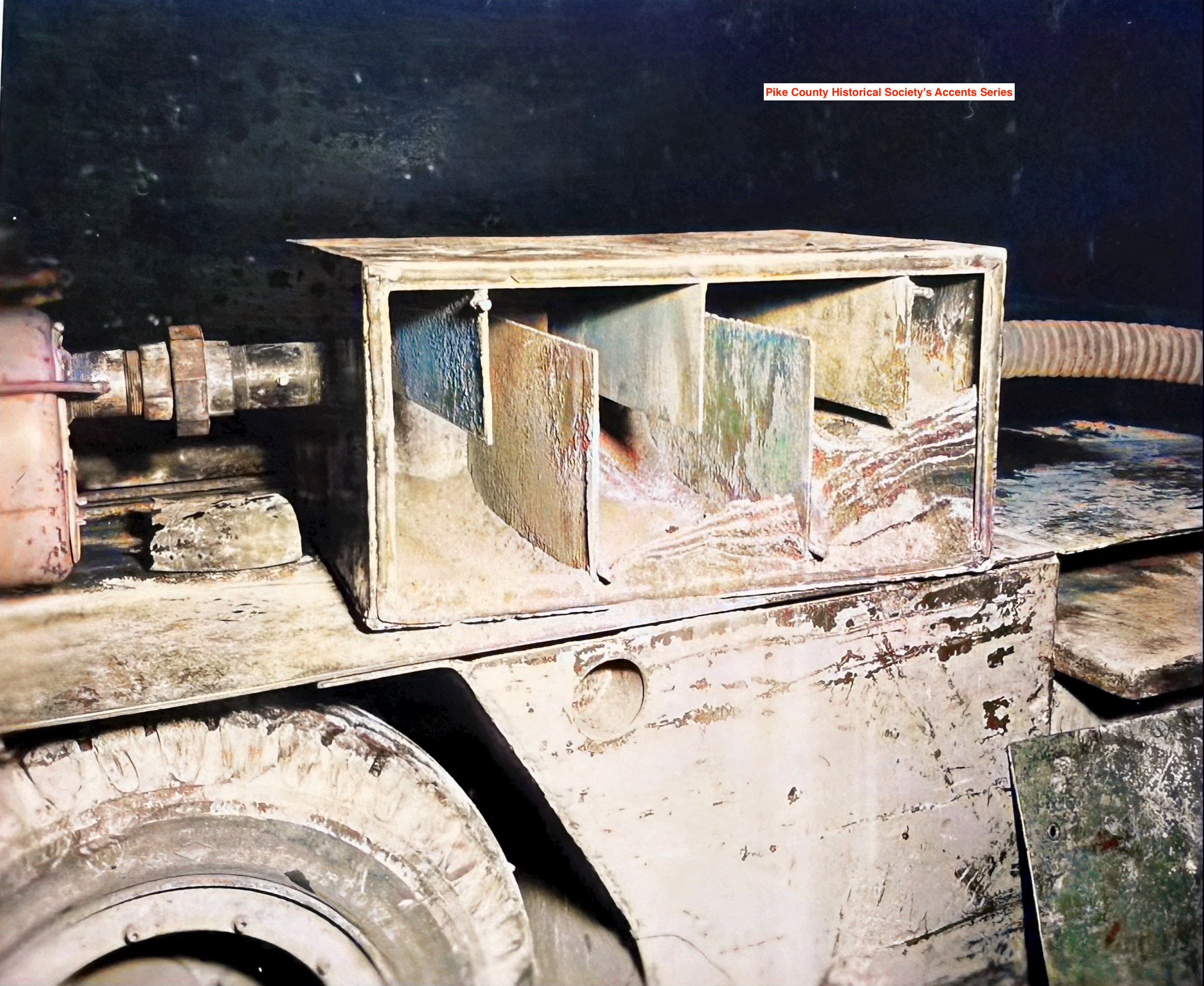
Earlier Development for Dust Control on Roof Bolting Machines/ Pinners
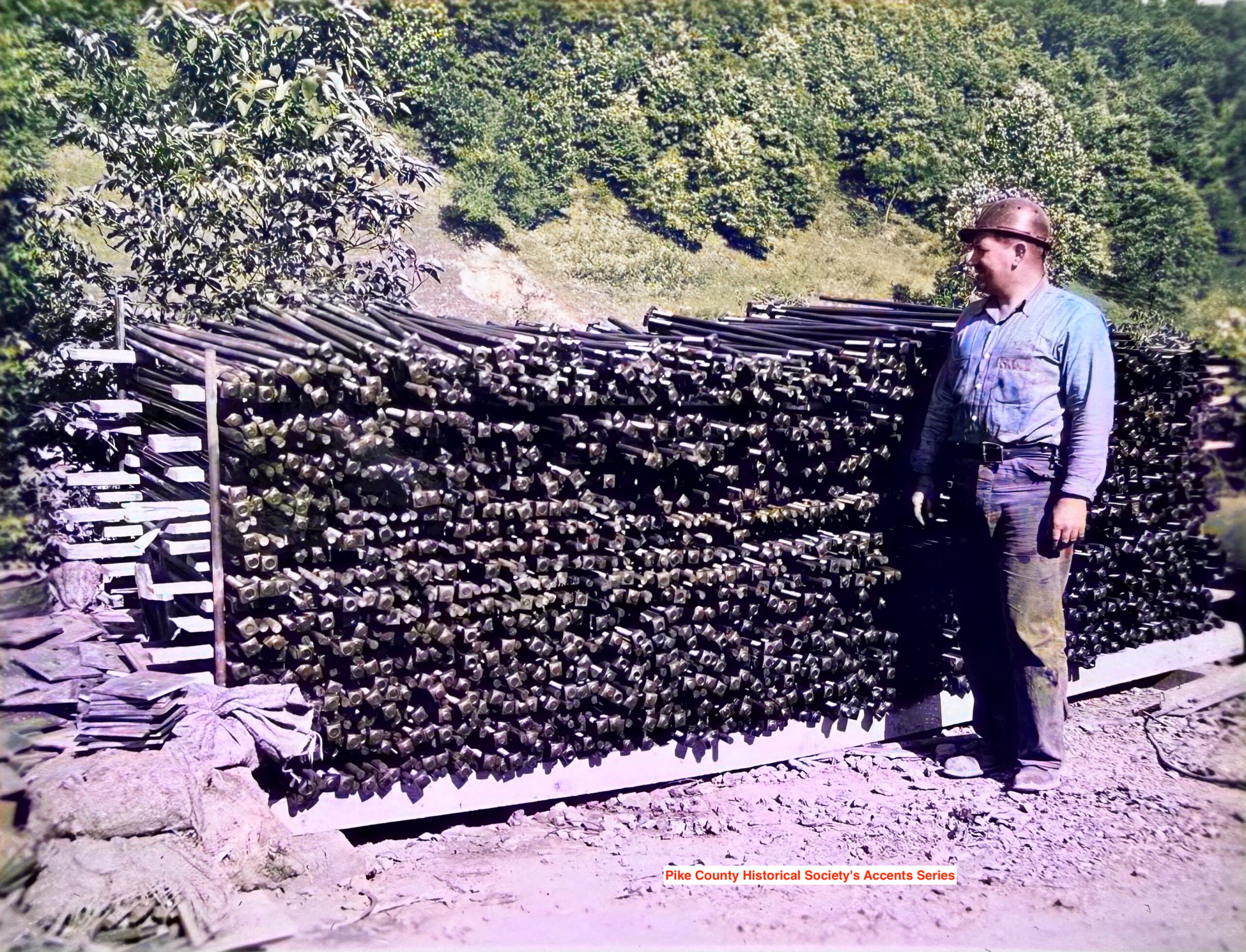
Roof Bolt Supplies on Mine Yard
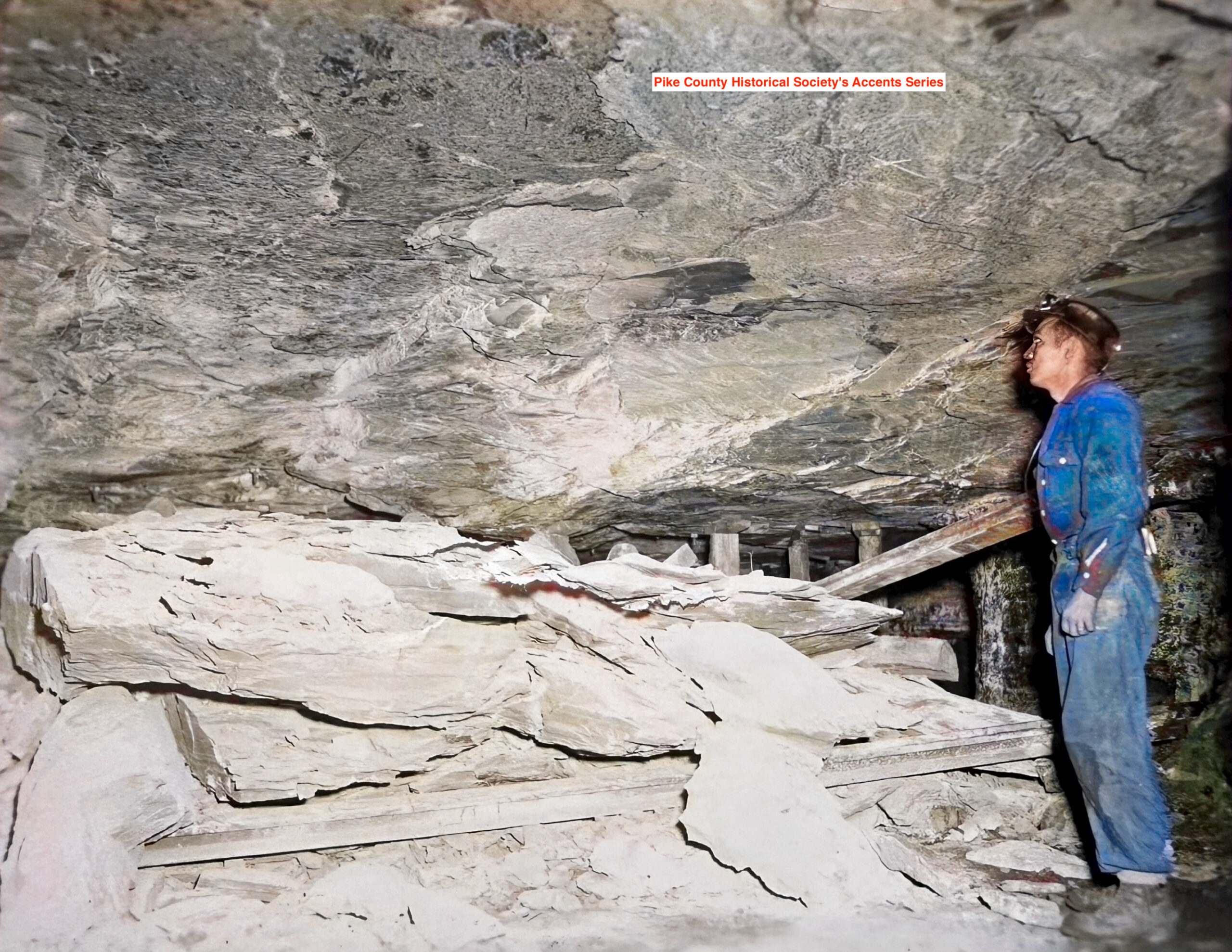
Rock Fall on Main Headings No. 1 Fairview Section on Marshall’s Branch. James Lane, Shot Fireman making inspection
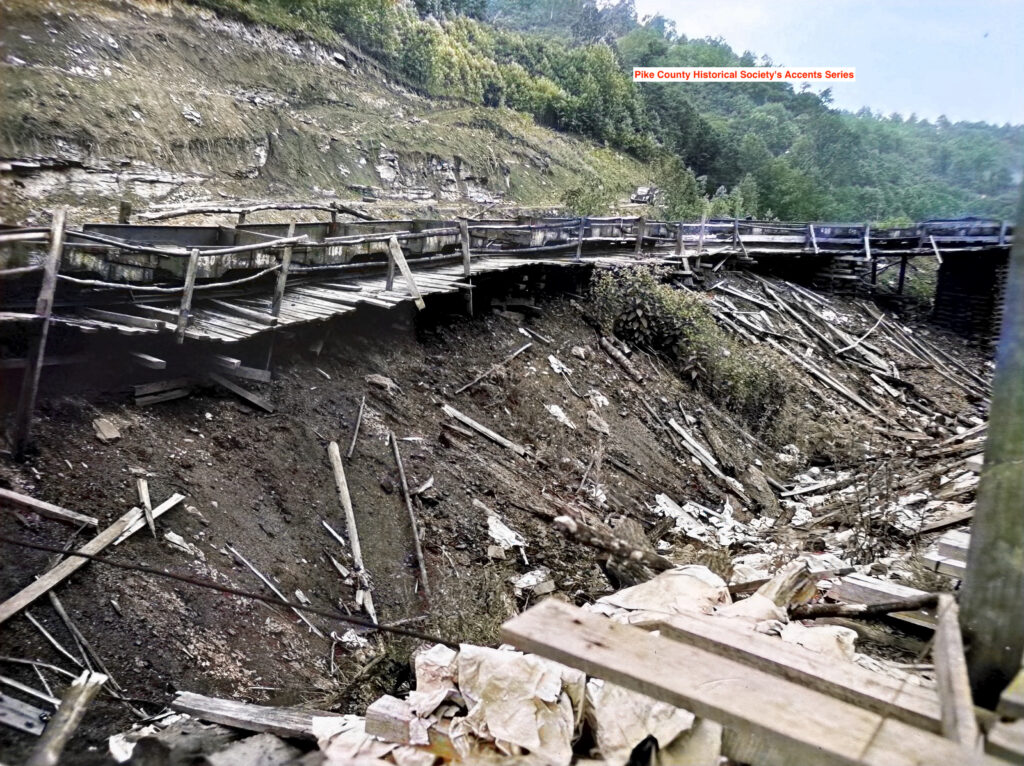
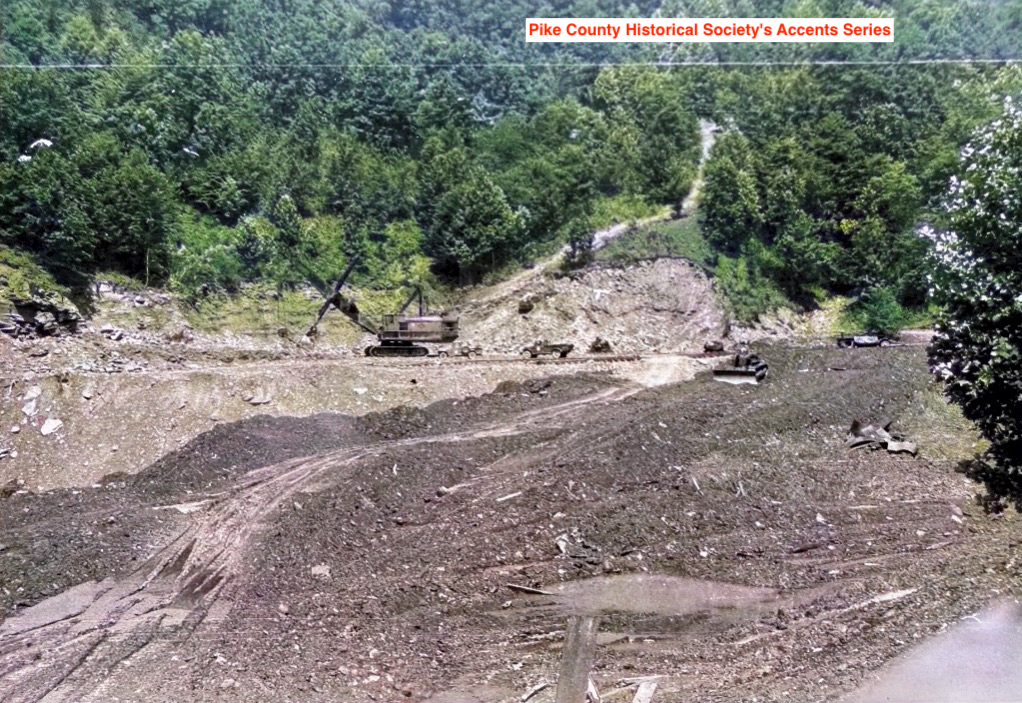
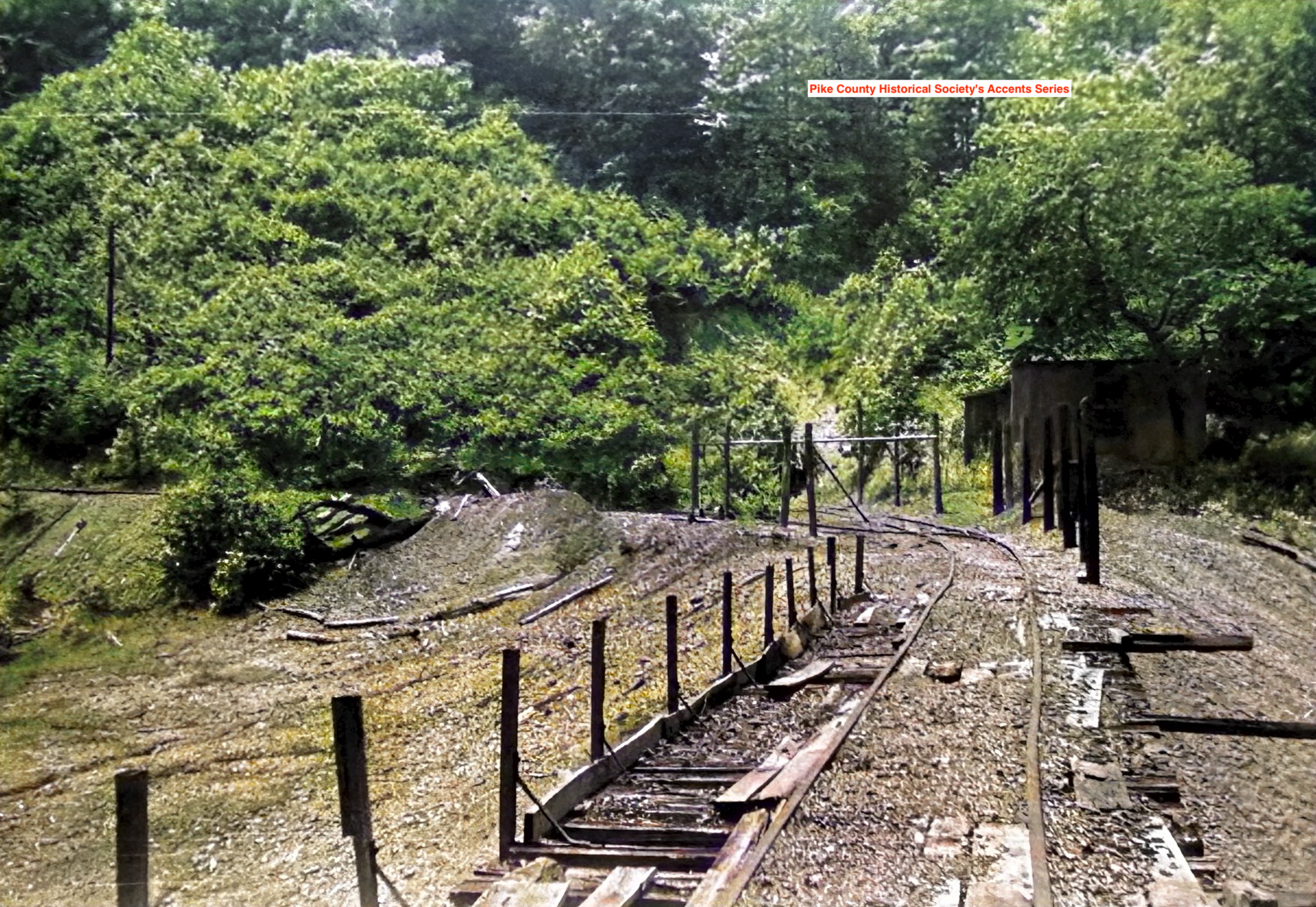
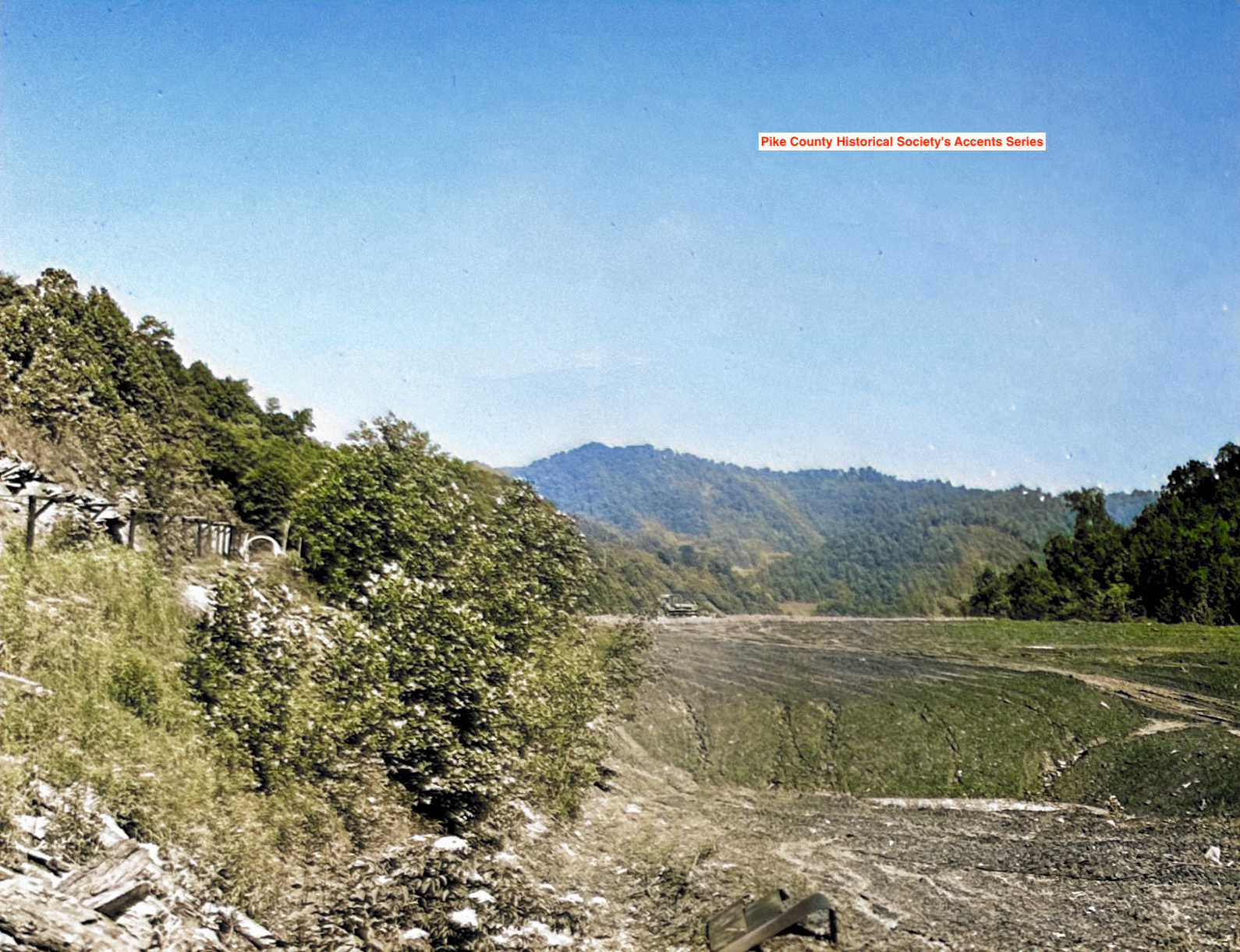
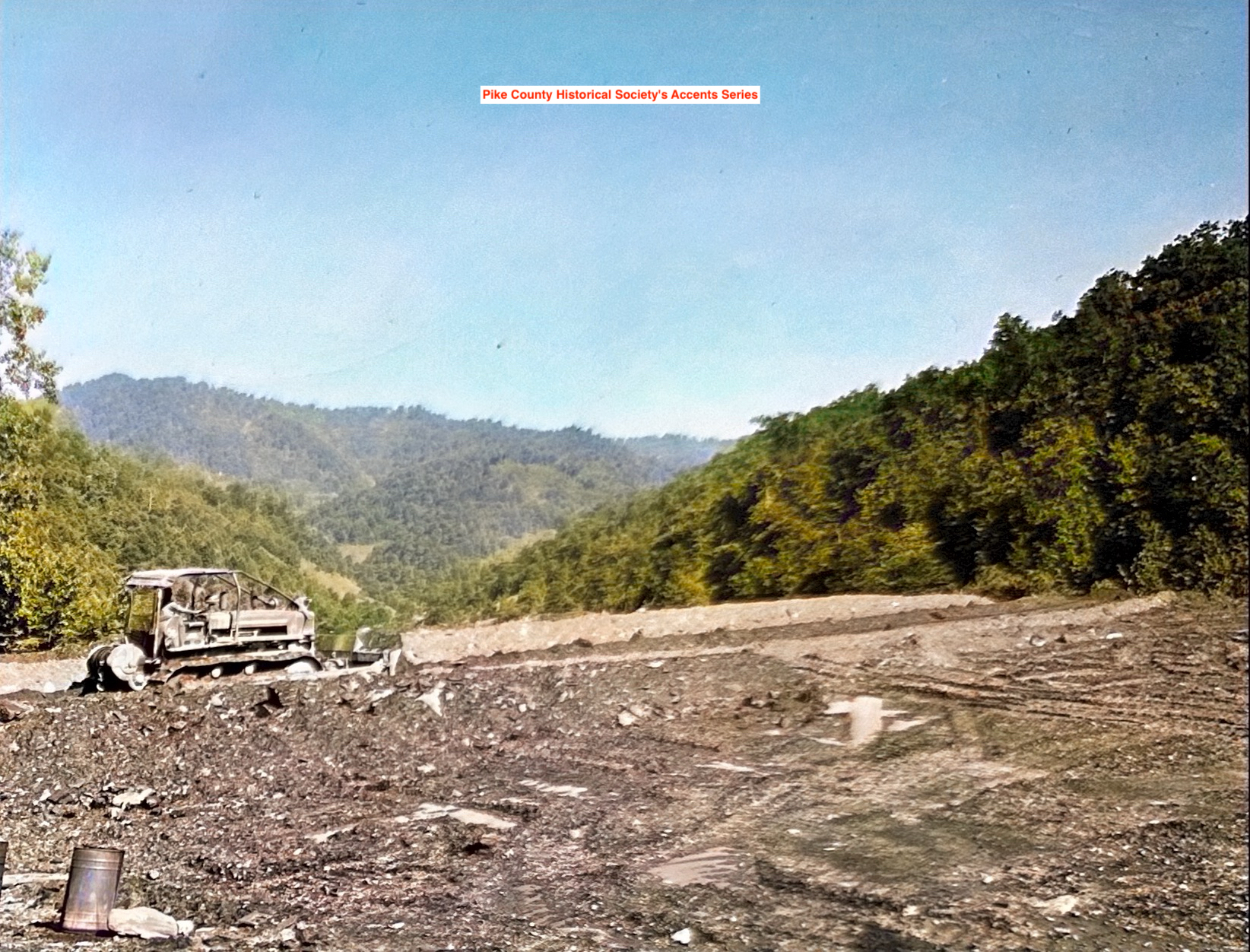
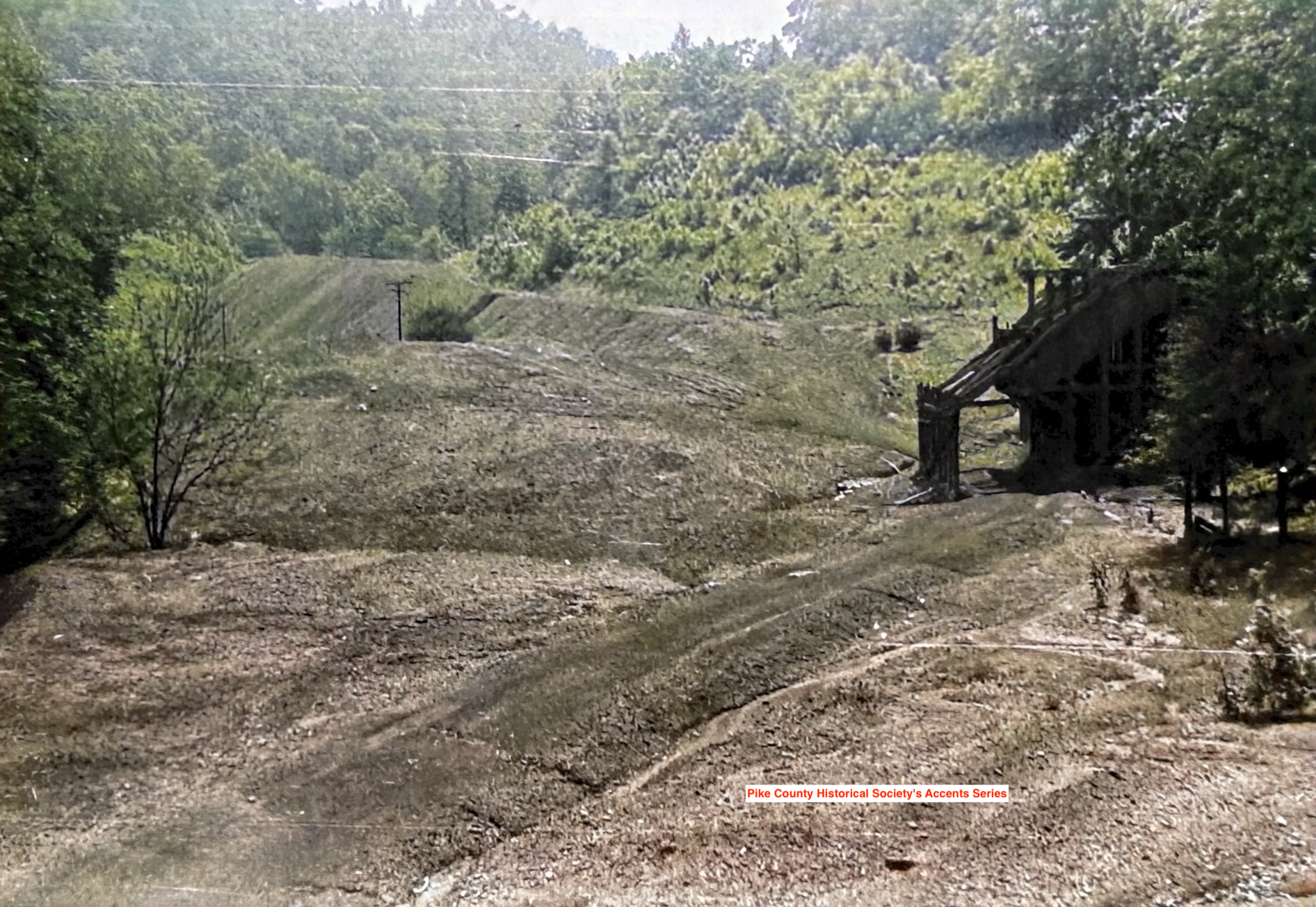
Booker Branch Slate Dump / Refuse Fill Area
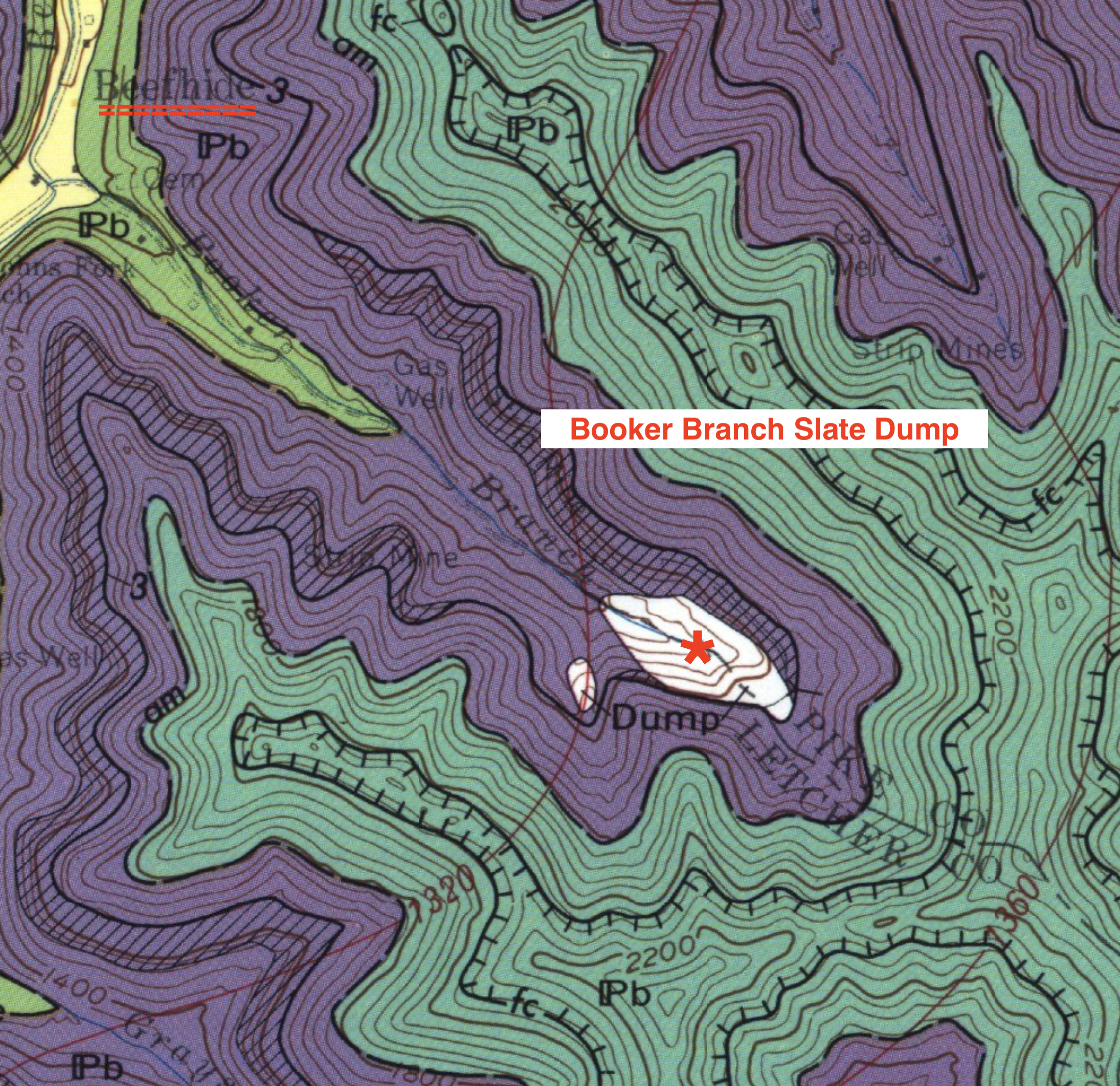
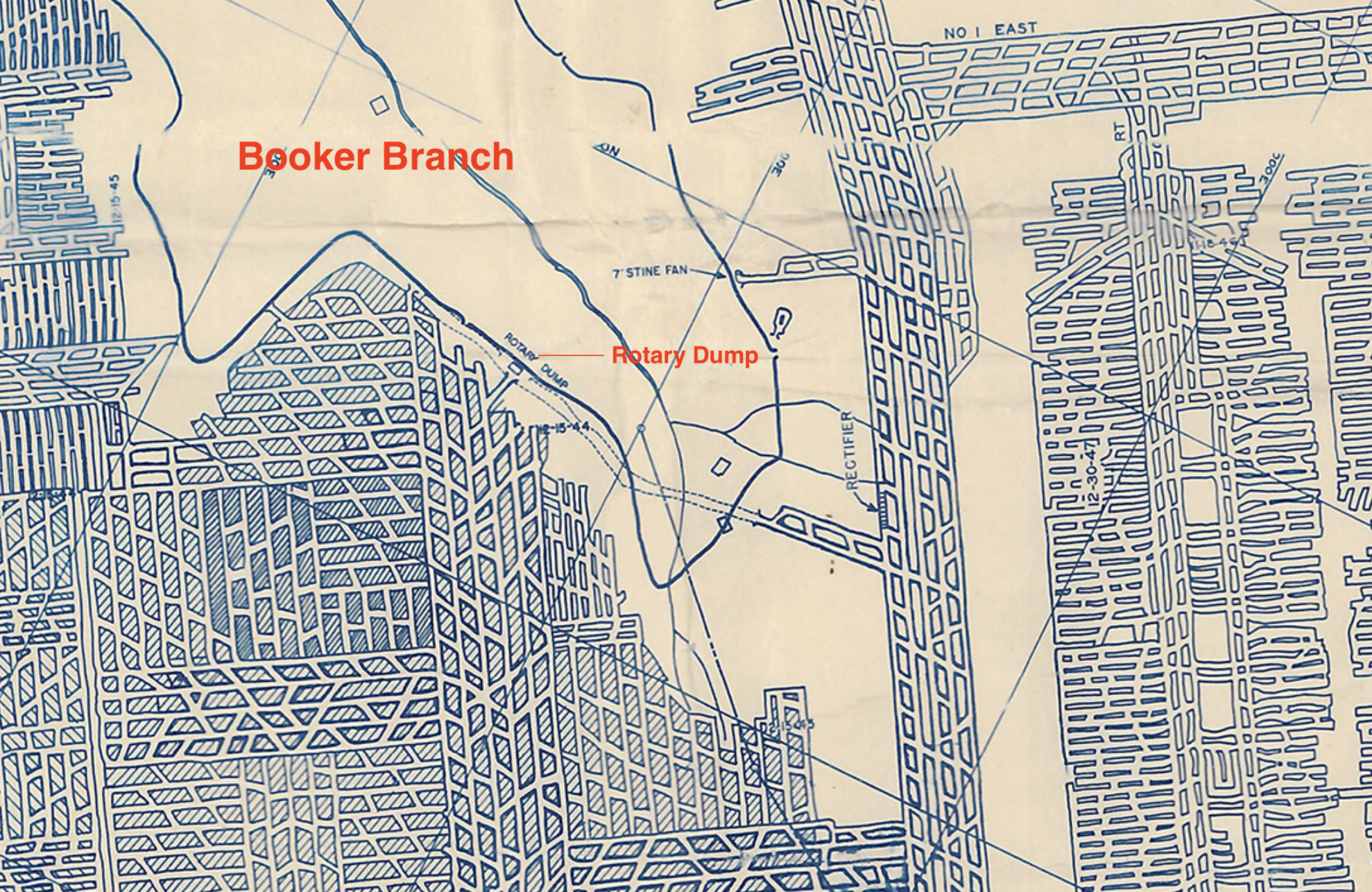
Booker Branch
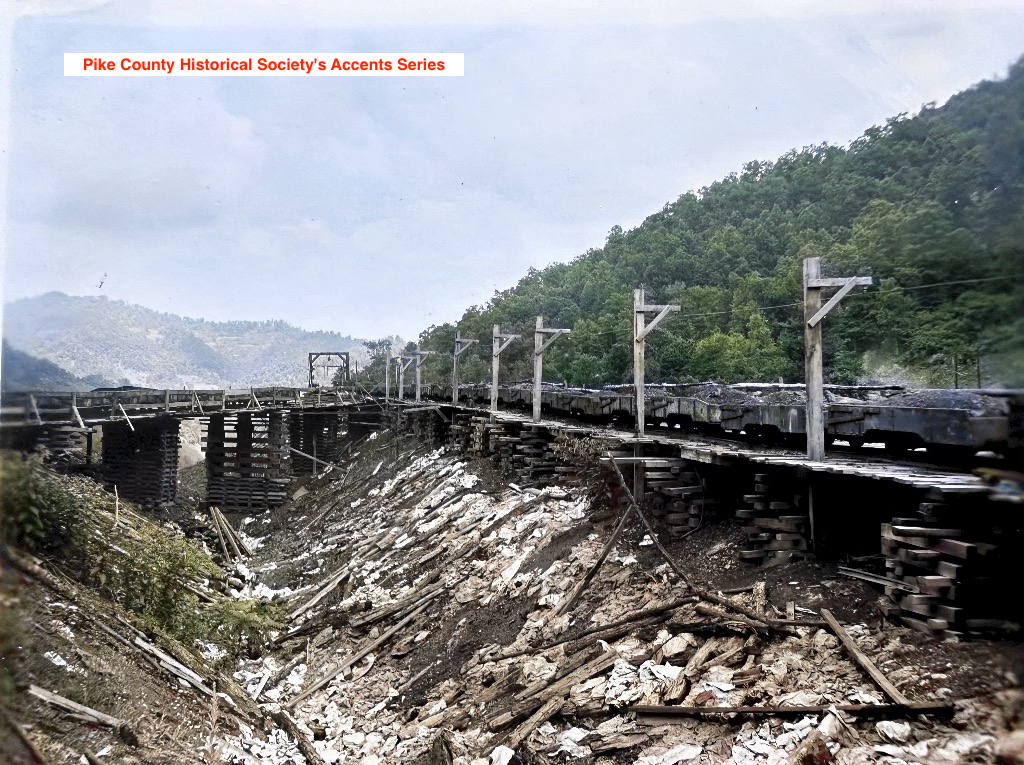
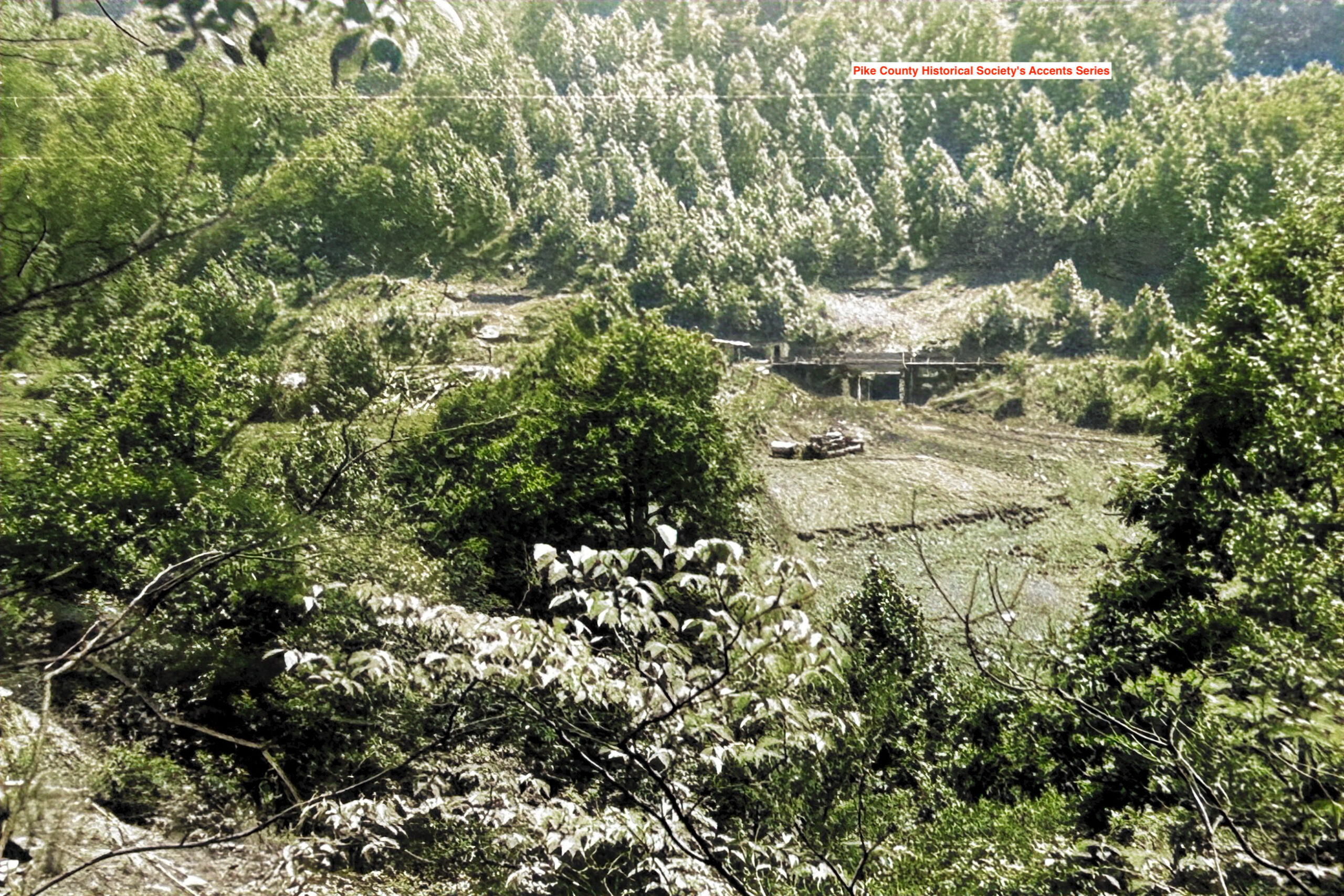
New Rotary Dump Left Side of Booker Branch
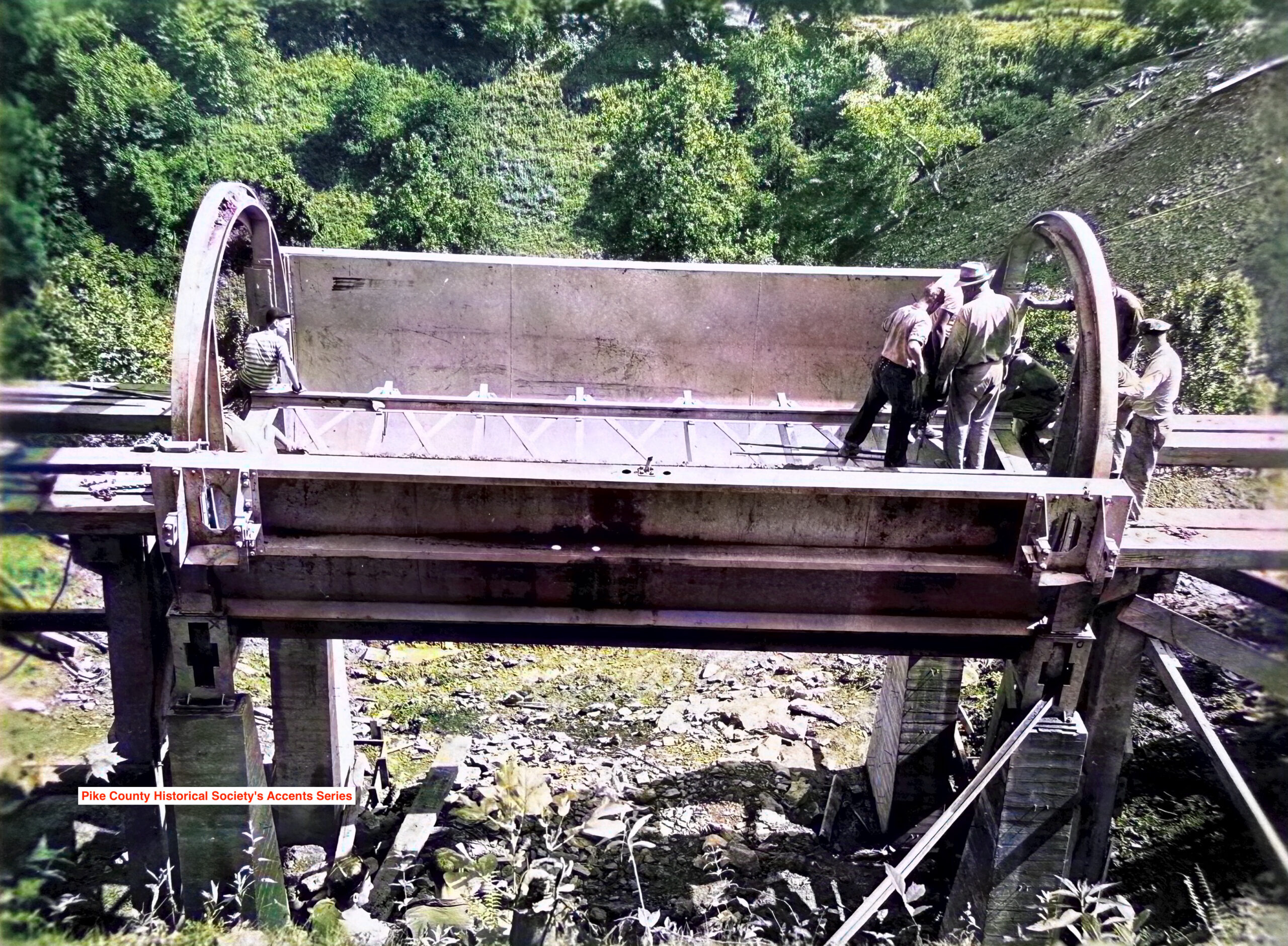
Rotary Dump Booker Branch
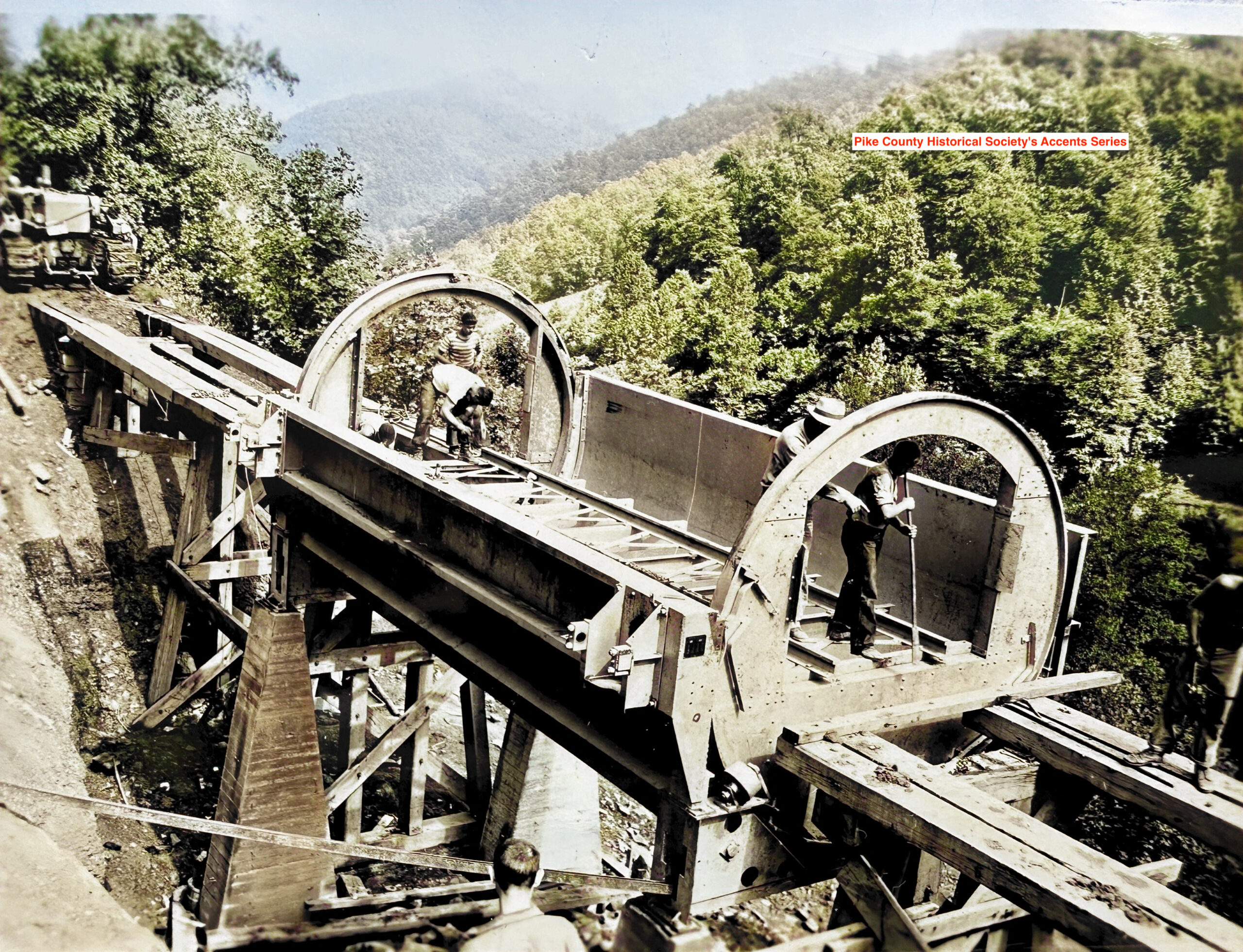
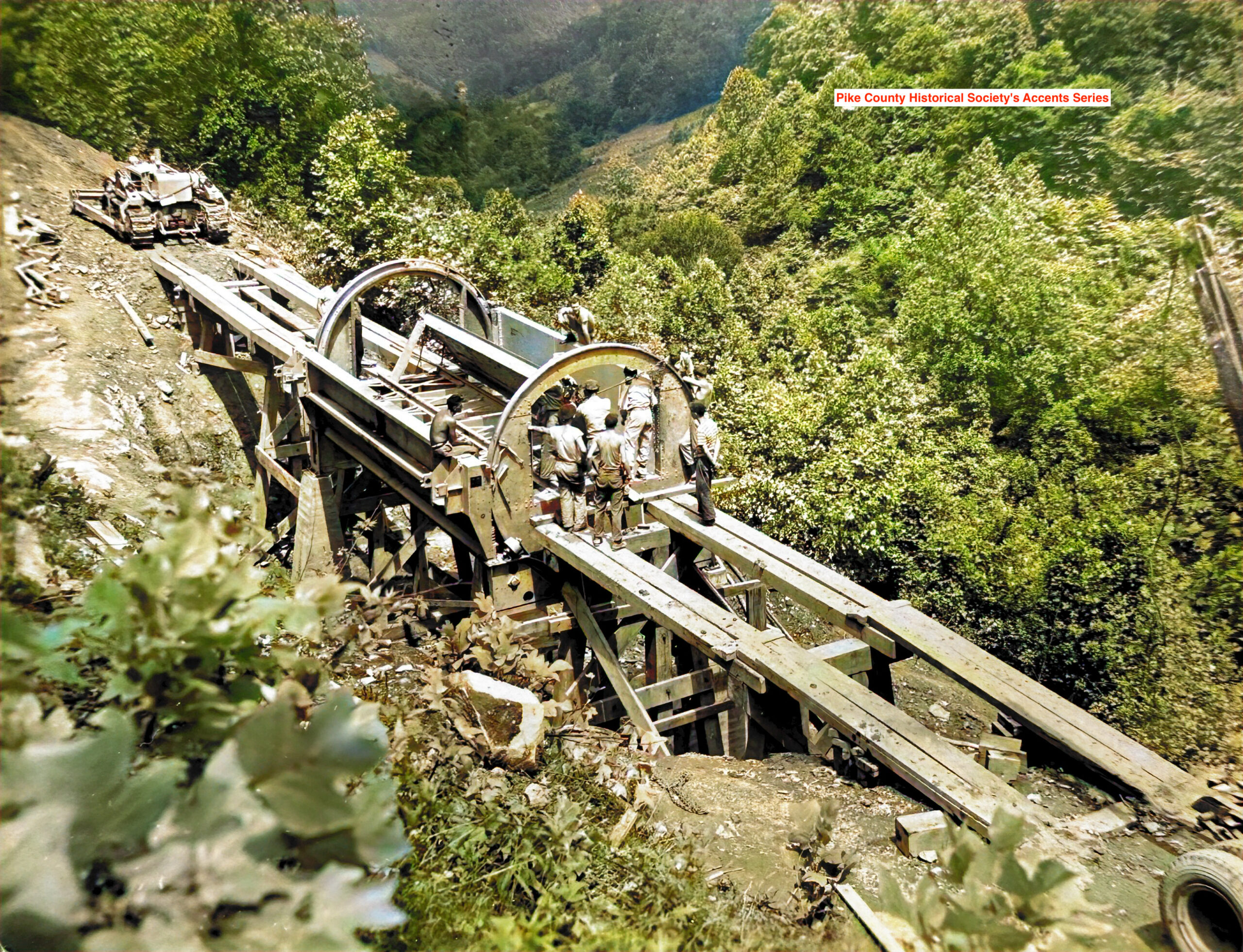
Rotary Dump image taken from Refuse Fill Area
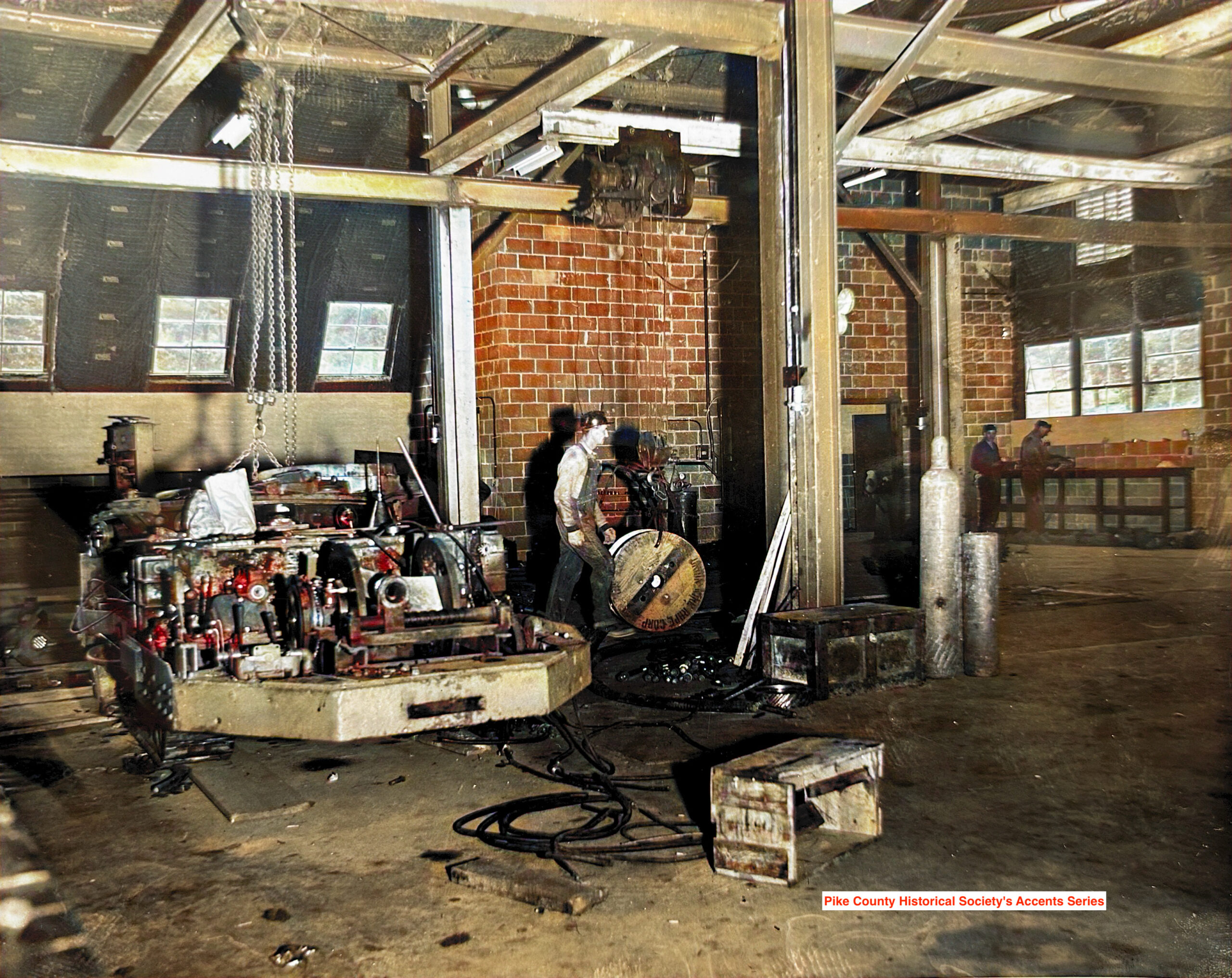
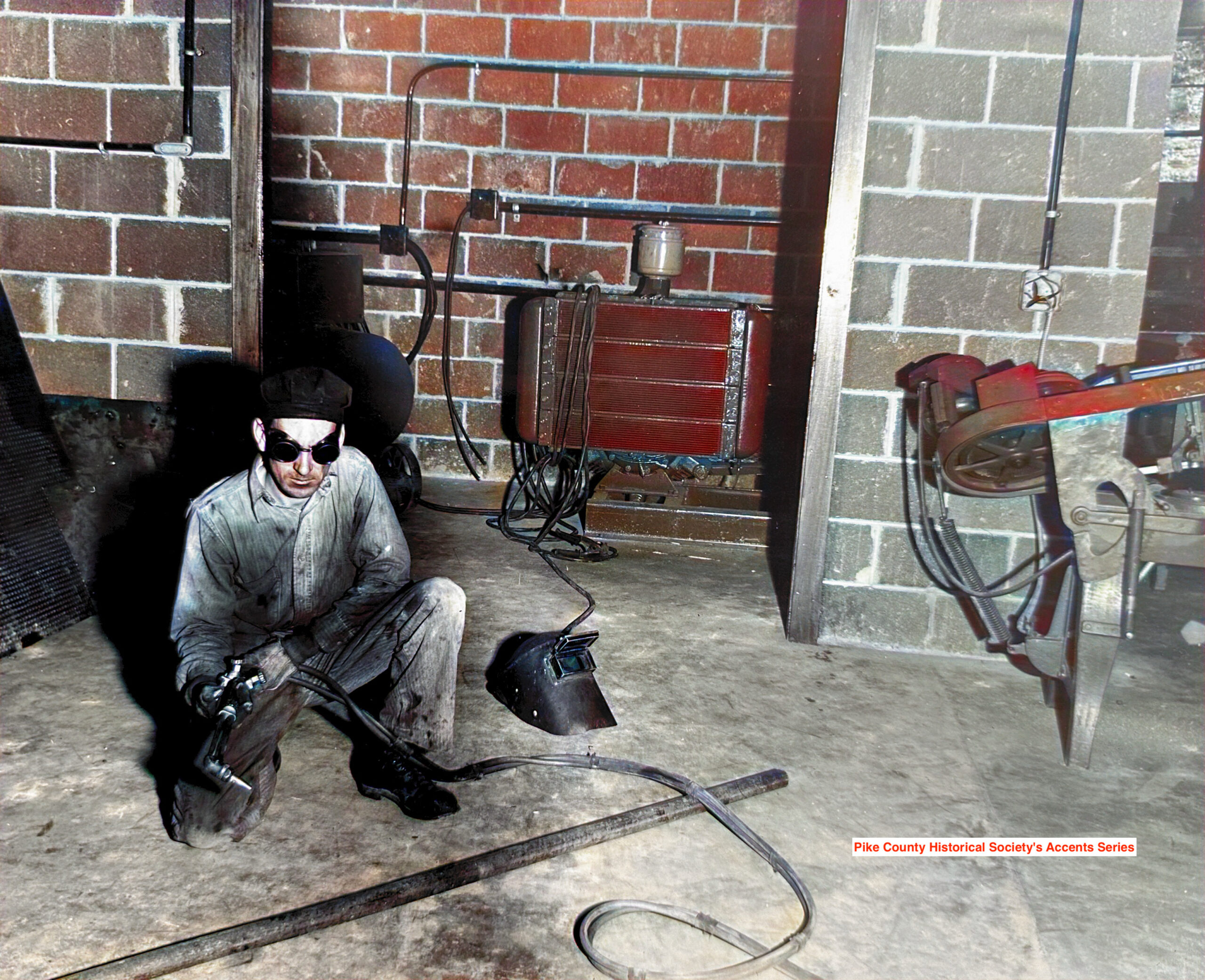
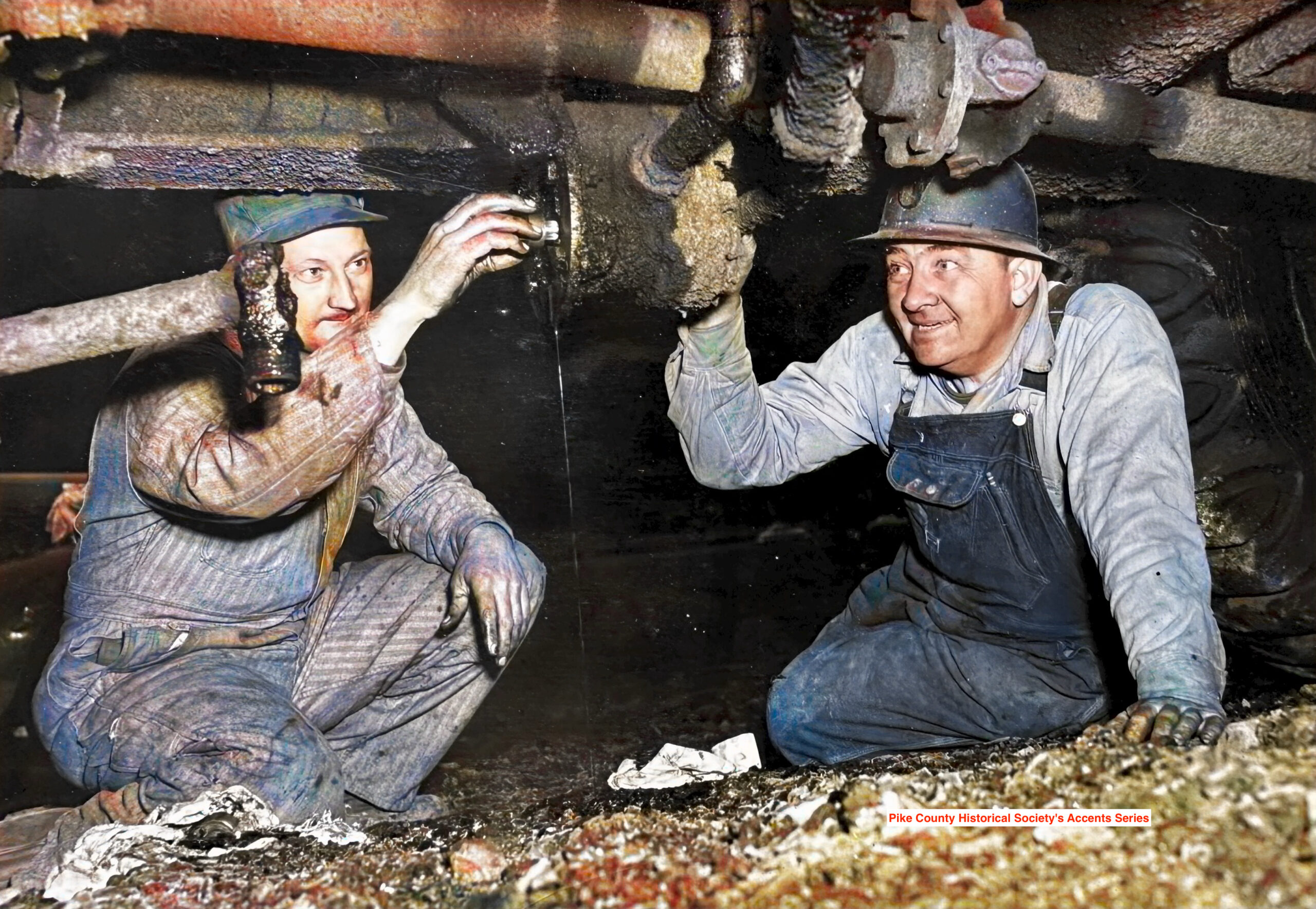
Repair Shop on Marshall Branch
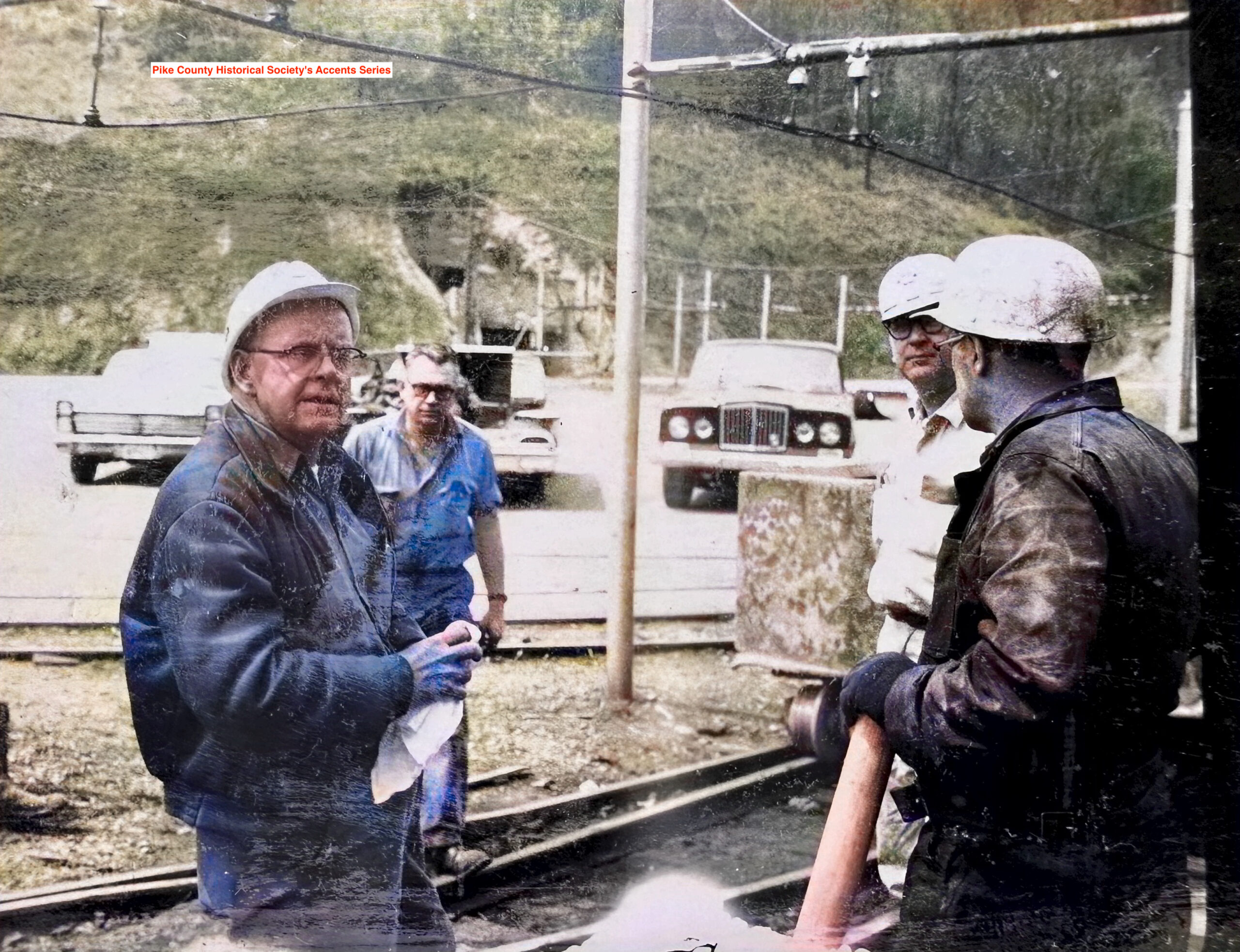
Arvil Short
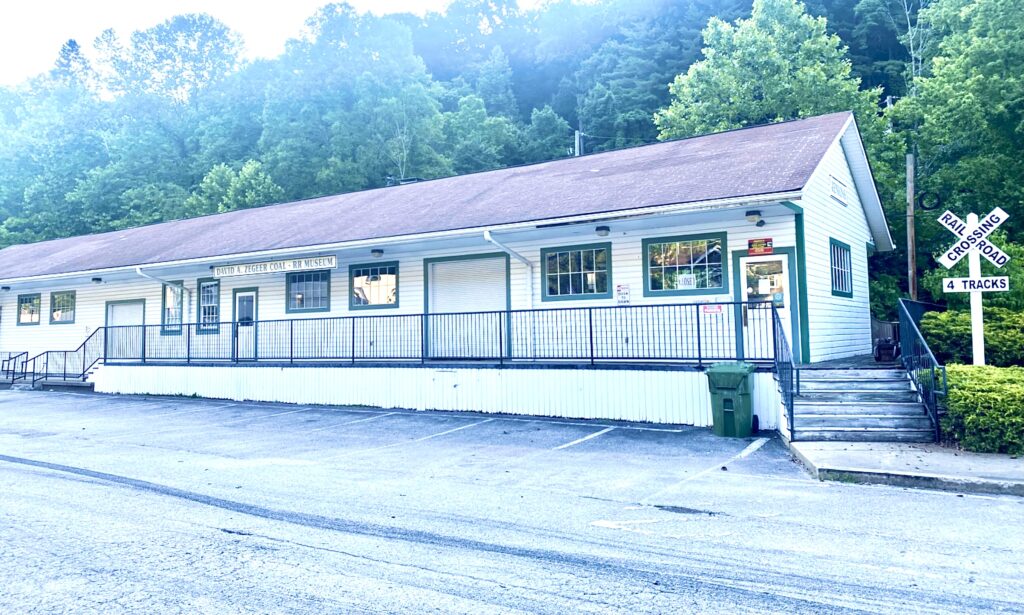
A Special Thanks to David A. Zageer Coal-Railroad Museum for the Wonderful Photo Collection