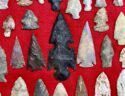

Dedication
This compilation of histories is dedicated to my first cousin Julia Wall, who safeguarded the notebooks and sent them to me along with original photos of Thomas Elliott; my daughter Ashley Korizis for hours of research in the DAR databases, and to family and friends in Pike, Floyd and Johnson counties, Kentucky.
As the sixth generation of my family to believe that our little patch of the country is the best place on earth, I wanted to share these memoirs. Hopefully those who take the time to read them will gain a deeper sense of their roots and identity.
Barbara Hambley Keenan
Prologue
In June of 1979 my New Yorker husband and I moved to Lucerne, Switzerland, deep in the German speaking Swiss Alps. In preparation I read books to gain insights as to their ways and culture, in which several explained that the Swiss could be reserved or even hold a grudge against each other going back years. Over time I met neighbors who spoke openly about their grievances. One neighbor even called the other a “feudist.” I thought to myself I certainly know something about that!
Eventually I learned that showing up to the neighbors house uninvited in Switzerland was not done, whereas in my hometown we came and went to each others porches all day long for a sweet iced tea and a chat. My favorite childhood pastime was tasting fried chicken, or beans and cornbread at every house in town. Even though I understood that the Swiss had other priorities, I was sure I would never live in Pikeville again, since I didn’t see how it could relate to the far away life I was embarking on. As we integrated and received invitations, drinks were offered such as kirsch, or Williamine, which looked and tasted exactly like moonshine, although in a fancy bottle, not a plain Ball jar. They loved the stuff and often pored a good amount into the fondu pot. Some even poured it over their desserts. Who knew? That was the best part of their day, whereas there couldn’t be enough preaching to stop the scourge of moonshine and bourbon where I came from. (see Annex 20 for recent “distilled” news.)
My biggest surprise was when going to Malls in the Swiss German Alps. There were about twenty businesses together, with a large supermarket as anchor. As with everything Swiss the place was immaculate, gleaming. Yet, music blaring from the loudspeakers was Loretta Lynn and Crystal Gayle, the Webb sisters from Van Lear, Kentucky! I didn’t listen often to country music and had memories of hillbillies coming into Pikeville on Saturday with their radios blasting Patsy Cline or Hank Williams, waking me up because my windows were open. Astonished, I thought the next Mall would surely have accordion music and yodeling, but no, still Loretta or Patsy, every day all day. When we moved to Geneva in 1981, two years later, the music and culture changed to all things French, and while French-speaking Switzerland agreed with me for the next thirty seven years, we made the choice to retire back to the Hambley homeplace in Pikeville in 2016, testing Tom Wolfe’s conviction that you can’t go home again. Once back, I resumed my old ways of impromptu visits on the porch swing and playing bridge weekly at McCoy House with lifelong friends. My interests turned to genealogy after my daughters expressed a desire to know more about our American family history, having been raised abroad.
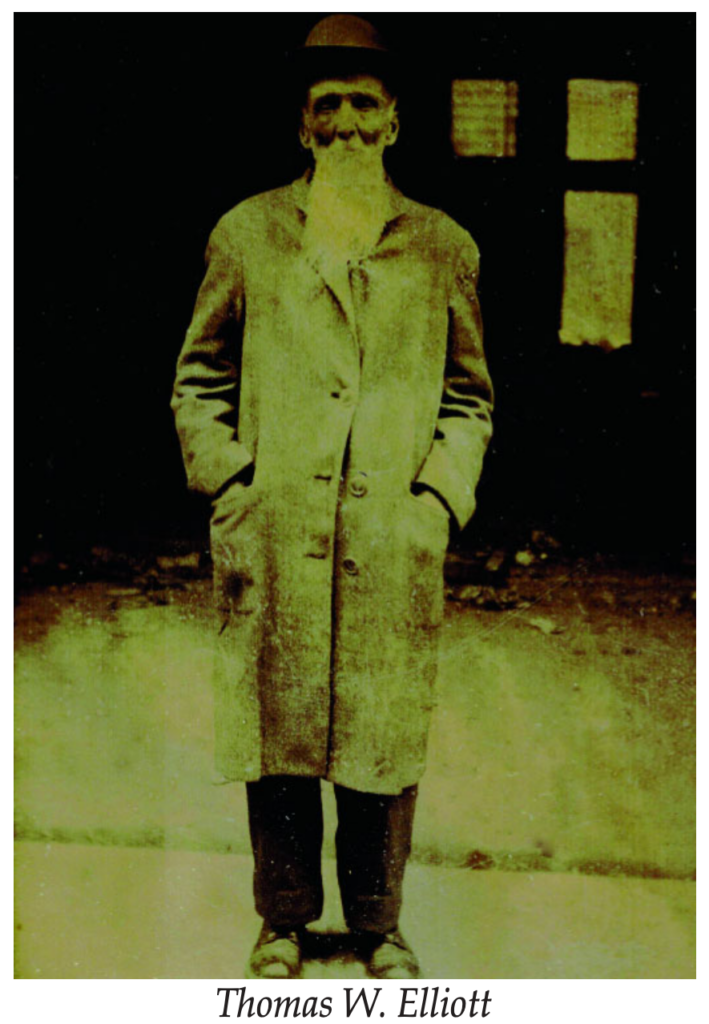
I had been told several times over the years that these histories existed and was overjoyed to receive them. My father, Dr. William Carter Hambley 1914-1996, mayor from 1960 to 1989, knew his great grandfather Thomas Elliott, and told amusing stories about him trying to surprise the children by saying “Boo!” to get a laugh. Because my father was one of the older great- grandchildren he enjoyed being in on the joke and having moments with him on the porch swing to hear his Civil War stories and travel tales. My father also said Grandpa Elliott loved to sing a jug band tune and dance a type of country shuffle few old timers still know how to do. Alas, during the last three or four years of his life he was considered somewhat senile but not bed ridden. In fact, he loved to ride up front on the first cart in the July 4th parade or any other holiday parade going down Main St. His long white beard and bow tie made him a rather iconic person in town in the 1930s.
Forward
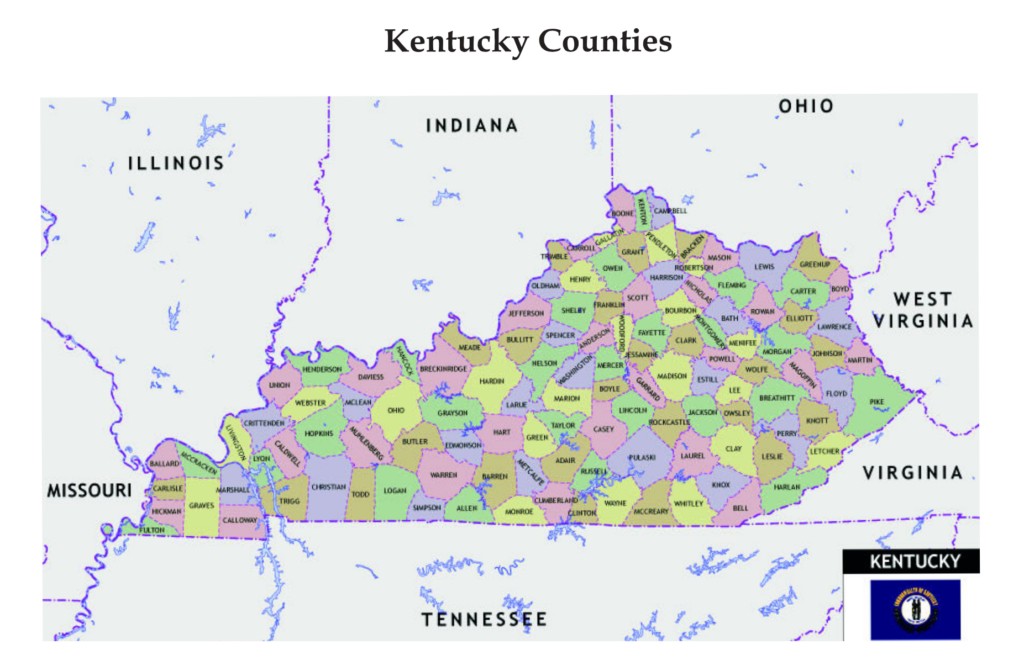
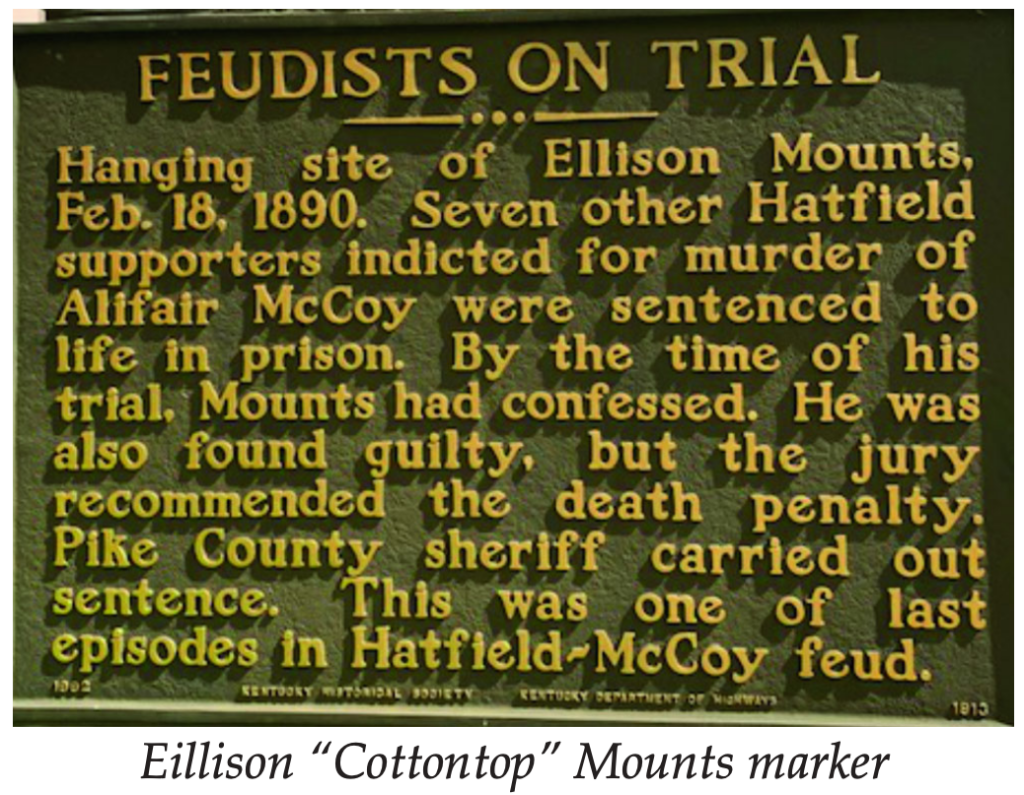
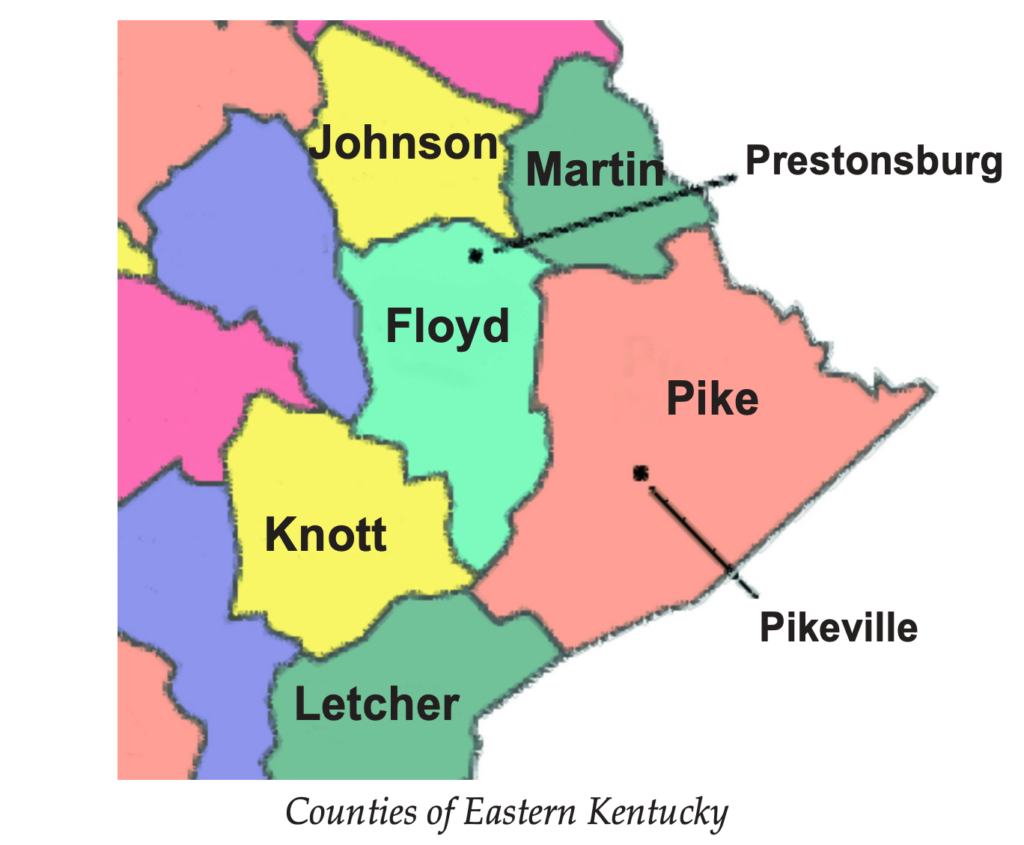
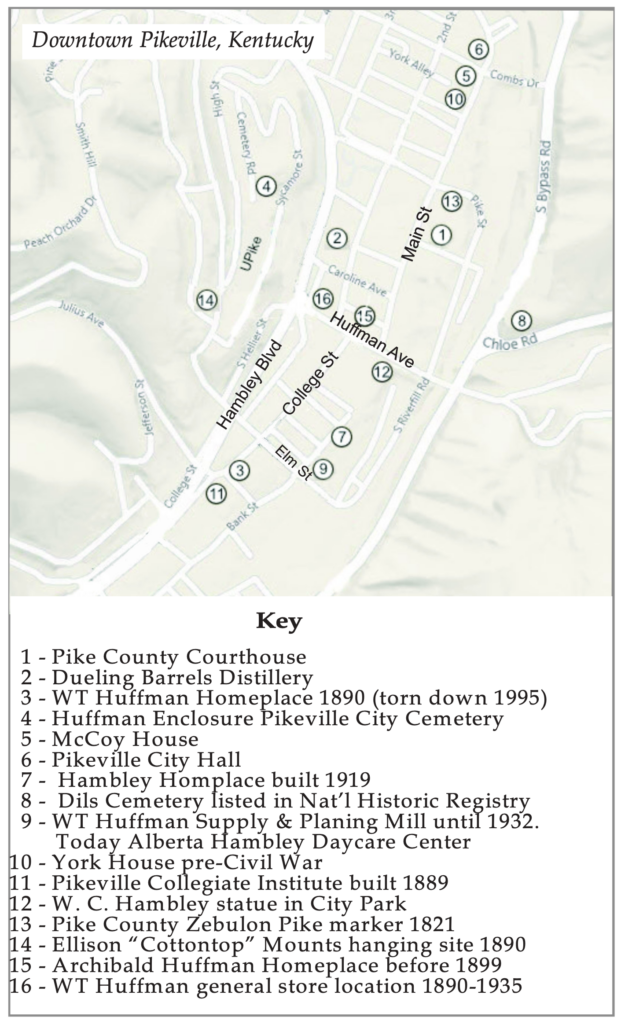
It will be helpful to the reader to have an orientation to the part of Kentucky where the following events took place. Most readers may have heard of the McCoy & Hatfield feuds that went on between 1880 and 1888 in Pikeville, Kentucky, a remote mountain area of Appalachia at that time. In those years the main source of income besides farming was timber. Eastern Kentucky once had primeval forests, mostly oak. Both the McCoy & Hatfield families were involved in logging after the Civil War. Coal mining had not yet become the main economic engine of the coal rich area, until demand after 1870 from steel plants in Pittsburgh and Cleveland required high grade coal. During the time of Thomas Wilson Elliott farming was central, either planting corn or tobacco. Johnson County had a favorable climate for hemp and tobacco production, the golden triangle of Kentucky, as it were. The saga of the two dueling families was very much on the minds of those who lived in the area at the time and was considered a scandal, nothing to be proud of. Little did Thomas Elliott know that the story of the feud would become the area’s claim to fame. The following histories reflect what a devout, moral and peace loving man he was. Ironically, the spot where Ellison “Cottontop” Mounts was hung in 1890, ending the infamous McCoy & Hatfield feud, is 200 yards from Thomas Elliott’s grave site in the WT Huffman enclosure of the City Cemetery, and only a hundred yards from Archibald Huffman’s grave, above Huffman Avenue and Hambley Boulevard.
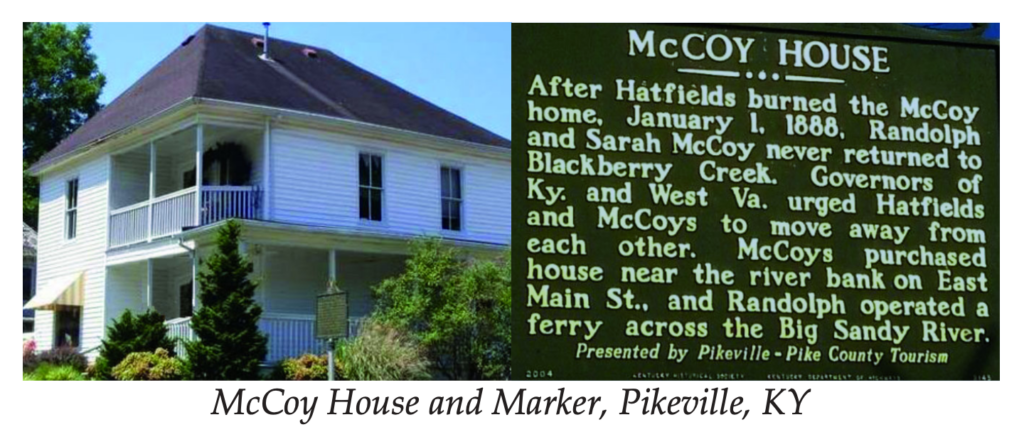
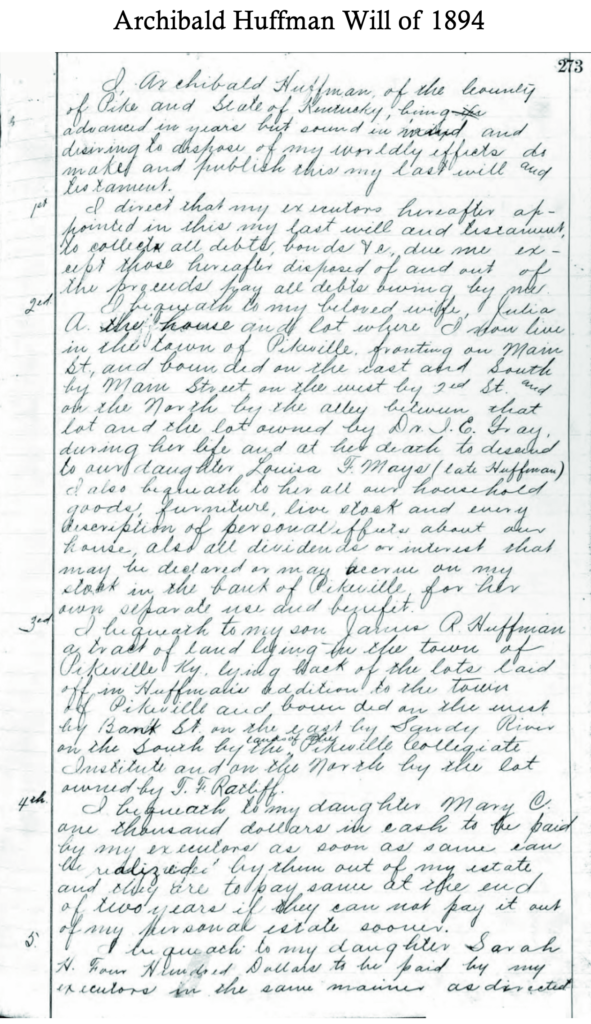
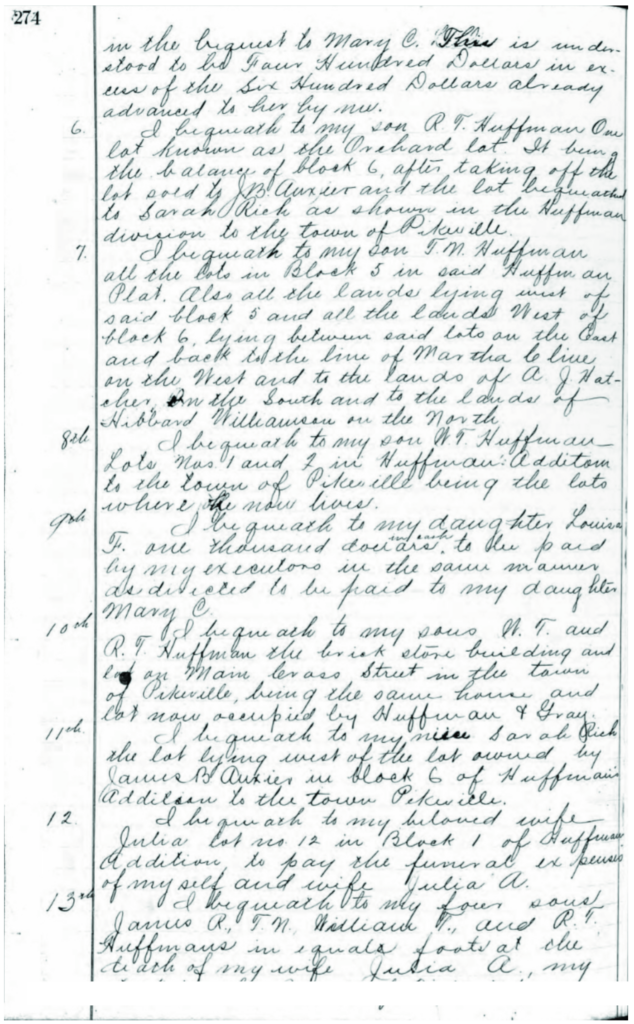
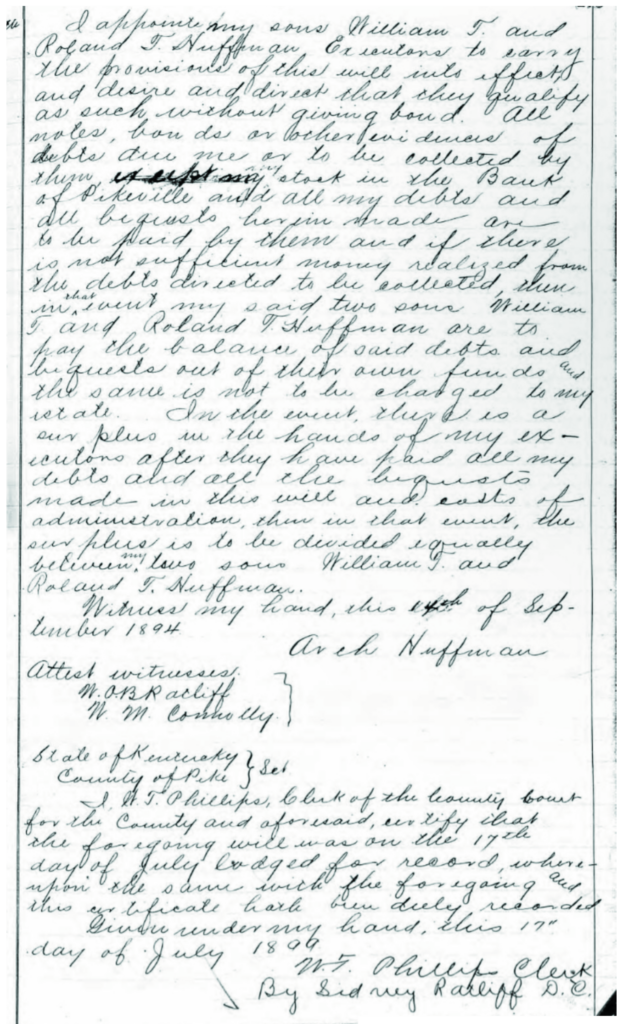
These histories begin “Mr Bowles, I was well acquainted with him.” The Bowles family had already deeded their homeplace property to the city to become the Pikeville City Park. Today the three acre park is lovely, enjoyed by everyone. On the opposite side of Huffman Ave and Main St, was the Archibald Huffman homeplace, where the Presbyterian and Methodist churches were constructed after Archibald’s passing in 1899. Only the Methodist church, built by WT Huffman, stands today at the site, along with a wrecker service and parking lot, where the WT Huffman general store was located at the corner of Huffman Ave and Second St. In his Will of 1894, he deeded parcels to his sons JR, RT, WT and TN Huffman, in what is still referred to as the Archibald Huffman Addition. Much has changed in Pikeville since Thomas Elliott wrote his histories in 1929. Foremost was the Cut- Through project that relocated the river, which flooded regularly, and the railroad out of downtown. The track bed became Hambley Blvd and the reclaimed riverbed provided valuable flat space for commerce, Pikeville Medical Center and Pikeville College, today’s UPike.

Thomas Elliott’s great-grandson, Dr. William Carter Hambley, my father, spent his life working on the Cut- Through project. His childhood dream was finally realized in 1986, after thirty years of planning and 13 years of digging by the US Army Corps of Engineers. There is a statue of him today in the Pikeville City Park to commemorate this achievement.
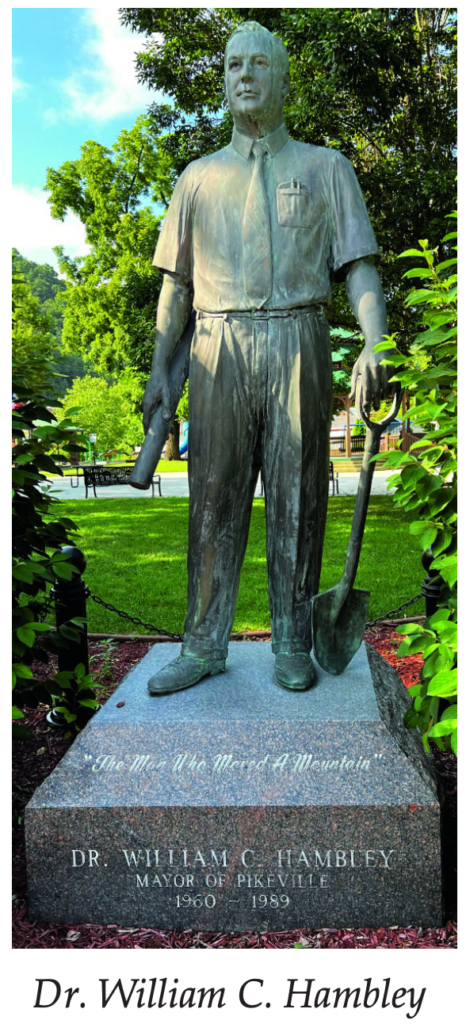
He became a commissioner in 1954 and mayor in 1959 after Bill Pauley resigned out of frustration that Hambley’s cut-throughdea would bankrupt the impoverished town. He came up with the idea already in grade school, so by junior high he had the plans on pieces of cardboard taped together ready to explain the concept to his family. Both Grandpas Elliott and Huffman were familiar with the idea, and according to my Dad, would nod their heads at the end of the presentation and say “That would be dandy, Billy, it certainly would!” There are many articles and documents telling the story of Pikeville’s transformation and my father’s life, such as Alice Kinder’s book, The Mayor who Moved a Mountain, and W . David Deskins revised 2018 tome, A
History of Pike County, Ginseng, Coal Dust, Moving Mountains, and Wikipedia, “Pikeville Cut-Through,” 09/01/2022 https://en.wikipedia.org/wiki/Pikeville Cut-Through.
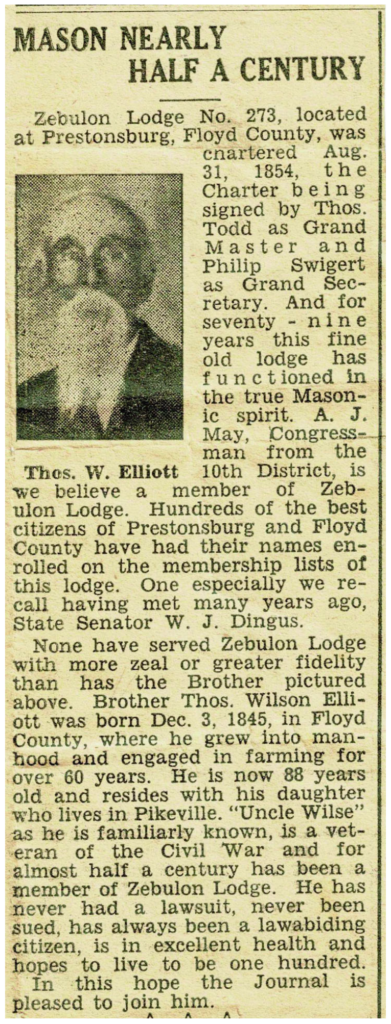
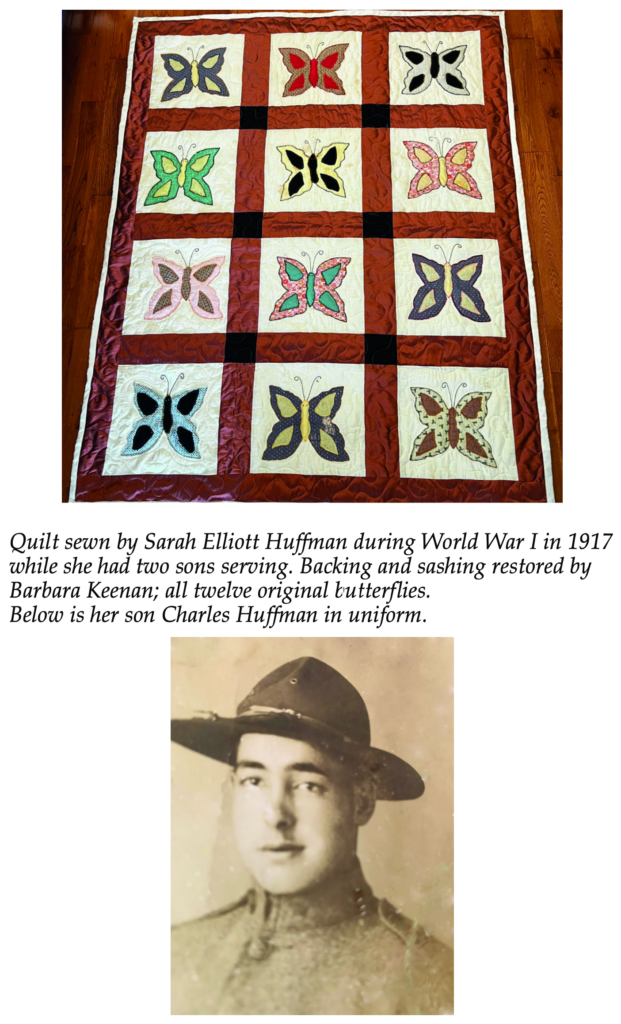
However, these are histories of an earlier time, a century before, so let’s return to that era. At his funeral in 1939, the American Legion’s Reverend I.S. Pinter said that Thomas Elliott must be honored as Pike County’s last Civil War veteran and a member of American Legion Pikeville Post no. 83. Both Zebulon Lodge 273 of Prestonsburg and Pikeville’s Thomas C. Cecil Lodge 375, where he was a member, were represented at his funeral and paid tribute to Mr. Elliott’s longtime loyal service. No history would be complete without a poignant tale of some sort. Thomas Elliott’s last will and testament was not published, which may be because he didn’t have land to pass on to daughter Sarah Huffman, his only living heir. After giving the farm to his step son on Abbott Creek, the twice widower, nearly 90 year old veteran, moved in with WT and Sarah, in Pikeville. His only source of income was his Civil War pension. As the story goes, he would seek female companionship from time to time by hitching a ride to a brothel on Island Creek where local women entertained. He occasionally blew his entire monthly pension on this activity, sending word to WT to hurry up and bring him more money. Eldest grandson Elliott Huffman had the dubious honor of taking the buggy up the “gnarls,” a nearly impassable unpaved mountain road to settle his bill and bring him back home.
Barbara Hambley Keenan
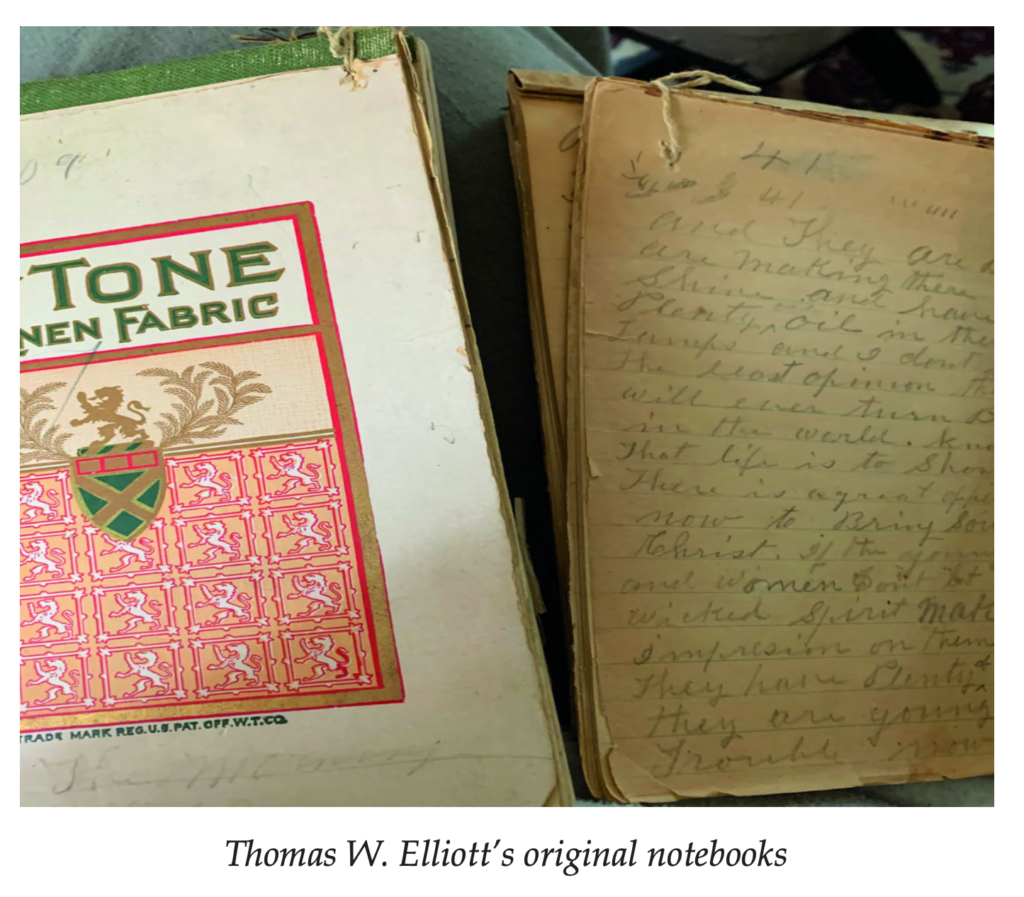

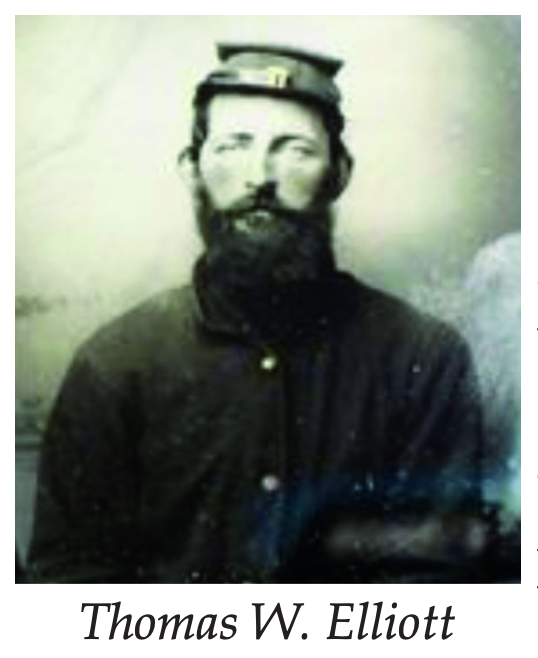
Histories of Thomas Wilson Elliott, 1845-1939
Last Civil War veteran of Pike County
Written in Pikeville, Kentucky 1928-29, age 83
Mr. Bowles, I was well acquainted with him. I was inside the same regiment, Kentucky 39th Mounted Infantry, A Company. Cavalry doesn’t march with infantry, except when both are called out. When all of us were called at the same time, then all we had to do was go to our horses when the bugle sounded and saddle up. We knew what it meant, and we just went to the stable, bridled, and saddled up our horses. Each man knew the horse he fed when in camp and each man knew his saddle and where to find it.
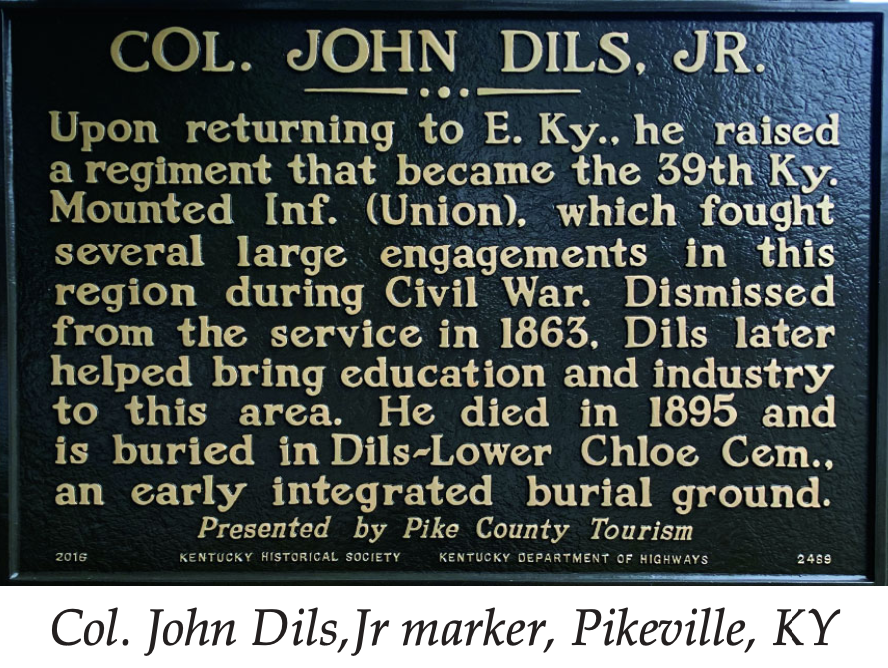
At the outbreak of the Civil War, at the age of 19, I volunteered for the 39th Kentucky Infantry Regiment, my second oldest brother went in the same regiment, same company, my oldest brother went in the same regiment, same company in 1861, later died at Louisa, Lawrence County, Kentucky, of the measles. Company A was stationed in Pikeville in 1862. High waters, the highest the Big Sandy River had ever known before or since, flooded. Colonel John Dils, Jr and Col Ferguson commanded the Union forces at that time and placed Union officials ahead on the Big Sandy River, then a line of flat boats to deliver supplies to the Union army in Pikeville. The rebels met some guards at the boats and had a fight in which a man by the name of Hampton was killed by the rebels. They had quite a fight with the rebels at the same time the Hampton man was killed at Wireman. Hampton thought he was secure and well behind a rock but was not, was shot in his left side and died the next day. The rebels sheltered in Arnold Francis’ house on the riverbank at the end of a lane that the rebels came down to capture boats; as the rebels took shelter in the Francis house it was shot and shattered full of holes and if stan- ding to this day , will show for it, and the federalists were forced to flee for their lives. Colonel Clarkson was in command of rebel forces. One of the guards for the boats at Wayne shot at Hampton. The young rebels took all they could carry away—bacon, hard jack, coffee, sugar— that we had to feed the boys on who were fighting to hold the United States together from being dissolved. People realized that the situation meant that there would be a standing army on both sides of the Mason Dixon line on the Ohio River. That would’ve given the people trouble on both sides if there was such a division. So let us see what excuse they had in their minds.
As I understand, the northern states went to the land of cotton and bought the colored man who was in bondage and held as slaves and property, could be bought and sold like horses, cattle, sheep, hogs, etc. Then sold them back to the South. Southern states began to say we bought the black man and they are our property. We bought them and paid for them. At the time, southern states commence to concede, South Carolina was the first state, North Carolina next, Georgia next, Florida next, Louisiana next, Tennessee next, Texas was next. When it came to Kentucky, which was still neutral even though she had furnished thousands of soldiers for both sides. Several of my neighbors went south, some went to the northern side, which is how you were captured by your neighbor. President Lincoln told Jeff Davis to come back into the Union saying, ”We will pay you for your slaves,” but Jeff Davis said NO! We all know that there had to be some way to settle this question. Davis would not compromise any other way but fight to settle the question, saying we want our property that we paid for, we don’t want your money. When Jeff Davis called for volunteers, Lincoln had nothing else to do but do the same. In 1861, there were two wonderful armies training for the conflict. In April 1861, the first gun was fired at Fort Sumter, 67 years ago.
In 1864, a company of us boys was sent out from Louisa to go over again to Wayne County, WV in search of spies. It was reported there were some rebels placed in W ayne County to draw the attention of the Union forces in case the rebels would attack their forces at some other point. So when we got to Troutville, WV, at daylight the next morning, we did not find any resistance as we expected. But we learned the rebels were camped 12 miles up the river, or 12 poles as some call it. So we mounted our horses, with our guns–the friend of the Union soldier–and rode to where they were supposed to be. According to the signs at the camp, the rebels had built many log fires, cut large trees and all sorts of timber. It looked as though they had camped there for quite a while. W e got there about 12 o’clock that day, so as the weather was cold and we found plenty of live coals to warm by, we hitched our horses and fell in line. We started a single file line up the hill in an easterly direction. It was not more than 400-500 yards to the top of the hill and we did expect to find some resistance, but did not.
The soldier who was marching to my left in Company A was named Alex Murphy. Our Company A flag bearer or flag carrier was a tall man, named Tom Baldridge. Murphy was always lively, always brave and always mischievous. It struck his mind and he said, “Tom you know why they always try to knock our flag down first? You know, don’t you, that we always try to get their flag knocked down first, so we get the victory!” So, in less time than it takes to walk ten paces, Tom Baldridge said, “Alex hold my…..flag!” (I modify my language as to what he really said, since this may fall in the hands of some lady). Tom said, “I want to do a……job!” (so the reader may guess at the exact language). I told Dr. Charlie Calihan, my home doctor in Prestonsburg, where he lived on Front St, this joke on Tom Baldridge. The next time I went to town the doctor called out to me and said for me to come over there.
Very soon a good crowd gathered on the old corner, now where the bank Josephine stands. The doctor said, Mr Elliott, what did you tell me about the man that was carrying the flag for your boys on the raid you made in Wayne County? Dr. Calihan got a good crowd of men at the place and I told my war stories, providing some entertainment.
If Reuben Patrick was a thief, I took him to be a fine man and he was. Do you think a man is a good man who will steal a shovel? I think, who we steal from, and what we steal, makes a difference. Well, I will tell you what Reuben Patrick stole. Patrick was a Union man and stole a cannon from the rebels on the Burning Fork of the Lick River.

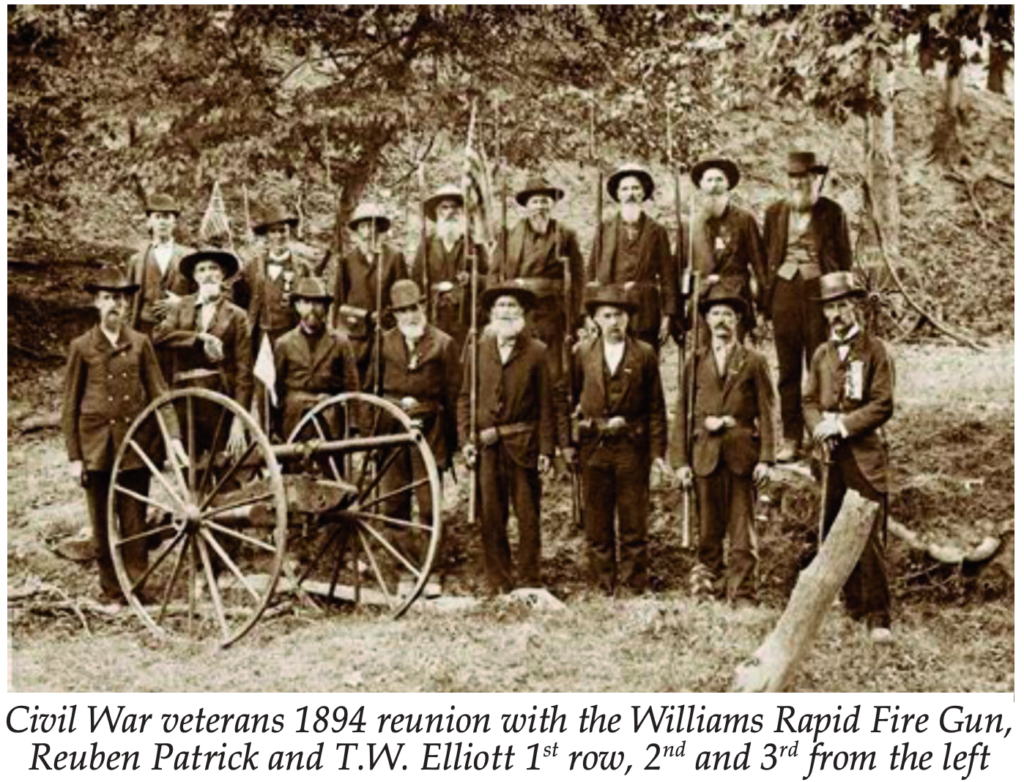
The rebels came up Burning Fork, night had come, and they, being weary, went into a house that was known as the Kelly house, lay down and went to sleep. Reuben Patrick was watching them as they passed by, keeping himself concealed from them as the Rebs passed his place just below, and at the right time Patrick went up to where they had gone inside and gone to bed and found them all asleep. He looked in the house windows and the Rebs did not have any picketts, so then Patrick got a good chance and got their cannon. He just took the cannon off it’s wheels and took it back up the hill, later it was taken to the capital of the United States. As I understand, Patrick told me the way he took his chance to get the cannon, he said the Rebs took the wheels and tried to keep them from being used again against them, but when the Rebs were gone in the direction of Virginia, Reuben Patrick went and got the cannon. After the war closed, he took it to the US Capitol, Washington, DC, as a Civil War relic. Anyone that goes up there can see the cannon in the museum, since a relic will show who the man captured it was, also the place and time it was captured. The place was on the head of Burning Fork on the Lick River above Salyersville, Kentucky.
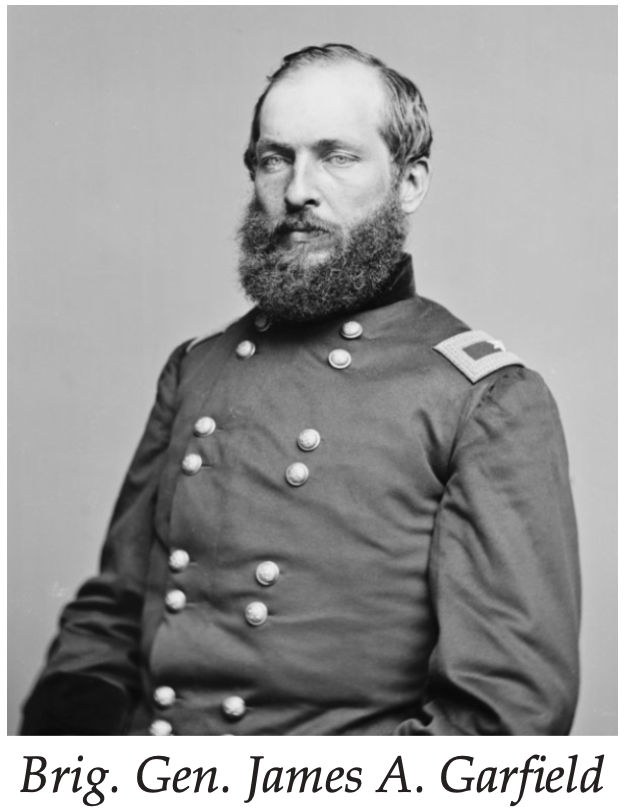
I went to see some comrades in the Civil War. Bradley, who served in the 42nd Ohio regiment under General Garfield when Garfield was in Pikeville and was promoted to Brigadier General in the year 1862. Garfield was sworn in by Squire Charles of Pike County in Pikeville, just in time for the high water in the Big Sandy River, highest that this river was ever known to be, before or since. We had our horses in stables as the river rose and it got so deep we had to swim in to get them. A man by the name of Welch swam and got ours out.
Earlier, we went to Louisa, Kentucky, in the fall of 1861. There were three regiments from Ohio at that time, so from there we went to Lexington, then to the Cumberland Gap, where three states joined: Kentucky, Tennessee and Virginia. We had a light engagement and forced the rebels back. We took possession of their horses, then checked their camp. Since some ran off and left their warm oil cloth and felt-bottomed blankets, I sold them to one of my officers.
At this place we fortified well against the enemy and we stayed there five or six months; from there went back to Carter County, Kentucky, then back to Greenup County, crossed the Ohio River and went up through Ohio to the mouth of the Kenowa River, stayed there a few days and circled back to Louisville. We boarded a boat on the Mississippi river, went back to the
Cumberland Gap, where we had quite a battle with the rebels and several were killed on both sides. W e camped there for a few days….yet time and tide wait for no man…..
The Civil W ar sent the best manhood of our country to lose their lives and more likely lose their souls. Many, no doubt, had not thought of Jesus Christ and what his mission was, that is, to leave heaven to die for poor, fallen men. Jesus said, seek me early and I’ll be found with you. The youths of all the states lost their lives to be sacrificed, which should have been avoided, but alas, Uncle Jeff, in order to have the honor of being President, said, “No, I will sacrifice all the men of the south rather than give up our slaves we paid for, and we cannot afford to give them up. We bought them!” Now, if the colored people have no soul it would be different. The colored race has as white a soul as we have. If they could not learn to talk and think, then you might say they are a brute creation, but we know better than that, without further comment. We all know better!
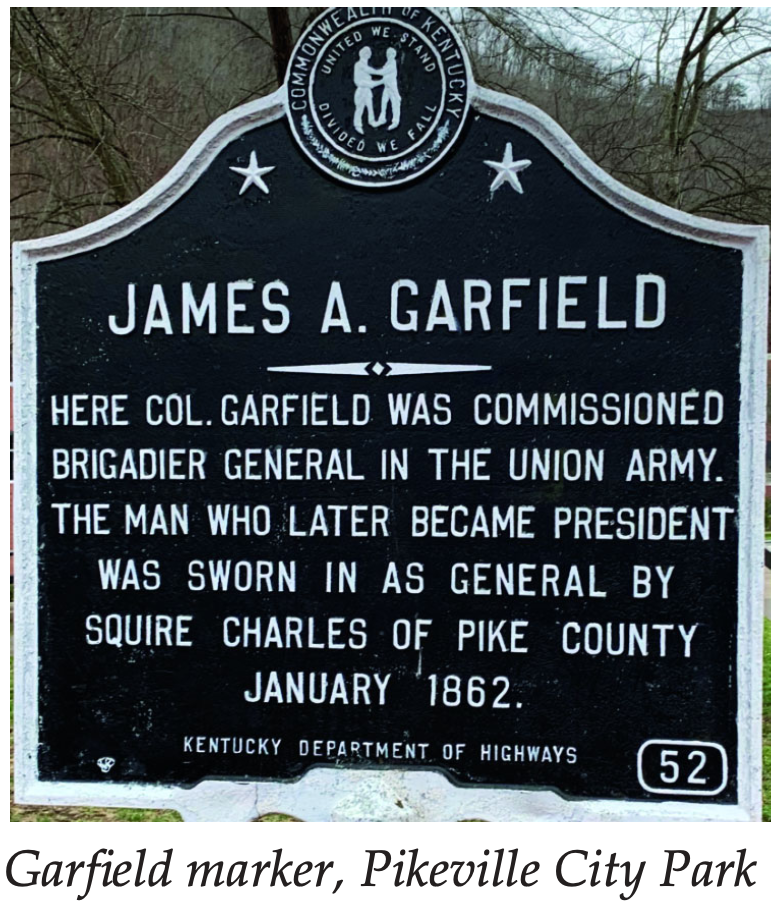
You do know that crime is increasing and always will until our state laws are changed. So if a death penalty verdict is reached in a county of this state, the man that commits this offense must suffer for it in the county in which the offense occurred. Garfield marker, Pikeville City Park Though we can’t stand to read about it, it does not lessen crime just by taking a man who deserves this penalty out of sight and putting them to death by electricity. It doesn’t stop crime. My dear friend, have this law repealed. Bring it back as it was when Gus Finley was hung at Prestonsburg years ago in public. Just keep a gun to protect your home. Find a gun to shoot your hogs and beavers. The man that carries a gun is a coward and a fool, besides. Just leave your gun with your wife. She can have more use for the gun than you do to protect herself against a thief or intruder. A ten year old boy will carry a pistol if he can manage to get one, so the people will be compelled to pass more strenuous laws to have the laws better enforced. The first thing to do is change. Go back to the whipping post and hanging a man that commits willful murder, and stop people from swearing to lies, even though this will be the hardest thing to do. The Religion of the Presidents: The birthdays of Washington and Lincoln as national holidays, calls to mind the high character of our presidents. They have been God fearing men. Washington is most familiarly shown kneeling in the snow at Valley Forge, pleading with God for his suffering soldiers, and the great cause that seemed to hang in the balance at that moment. All his public utterances and acts climaxing in his farewell messages to the Nation are characterized by reverence for God and a sense of the Nation’s entire dependence on his favor for its perpetuity. Lincoln’s religious character stands out while still a young man. In his words of advice to a youth, discouraged, he said, “the world has something big in it for everyone if he can only find it. I pray to God every day to help me find my work, the thing I can do better than anything else, and when I have found it, help me to do it.” It seems to me he was believing in God to guide his conduct in this. A good friend of his had an office adjoining that of Lincoln in the state house in Illinois. He told us that one day Lincoln came in worried, cast himself down in his lounge and taking out the New Testament from his pocket said, if not for that little book I would give up. This statement shows what this great man of God relied on since his youth to the very day he was assassinated. It shows very plainly where he got his gigantic strength for the crises through which he led us in the serious test of our democracy.
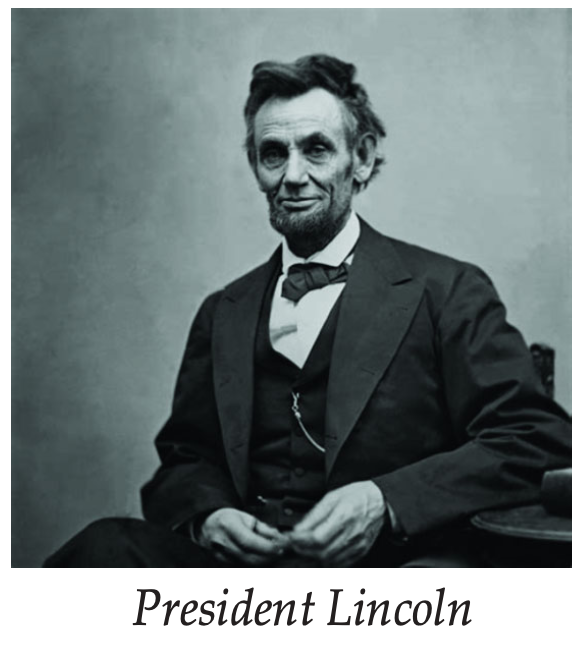
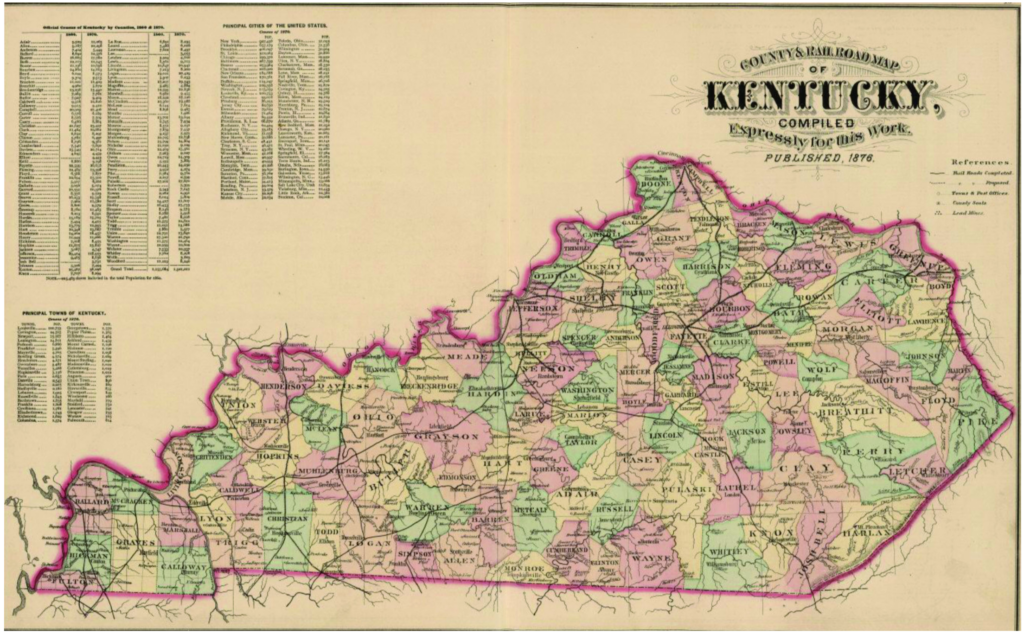
Lincoln spoke to the surging crowd of horror-stricken people on the street in these words: “Fellow citizens, God reigns, and the government at Washington still lives.” In the dark hour also spoke another man, James A. Garfield, who was marked for the same sacred office and dedicated to follow Lincoln through assassination to his rich reward. McKinley, too, suddenly struck down by the same unconscionable hand, triumphantly met his last moments, sustained and soothed by an unfaltering trust, approached his grave like one that wraps the drapery of his couch about him and lies down to pleasant dreams quietly and sweetly, he said goodbye to all. When he could no longer speak audibly his physicians saw his lips move, bent down and heard his whispered words as though someone was greeting him into the next life….. Well, I predict that Mr. Hoover will not live half his term, except if he keeps a good strong bodyguard and even then he may not be safe.
One time, I was called into line just after dark but it was a false alarm. We had our supper ready to eat just below old uncle Jess Jarrett’s in the narrows. Earlier that same evening I went to Mr Jarrett’s house and tried to get some cornbread baked and they said no. I wanted to buy a young rooster as they had lots, and again, they said no. So, I had to go through his barn to go where we were camped on the hillside under a long cliff. There was a small company of not more than 30 or 40 of us and the war closed inside the next year. That year, Mr. Jarrett had a light crop of corn. He learned from Raffman that I was back and selling rent corn off of the Powell farm. Mr Jarrett brought up two flat boats, lashed them together and loaded them and while I measured his corn up to him, I said, “Mr Jarrett, I owe you for a young rooster I took from your barn the night we struck camp under your cliff on the hillside.” But he said no, he did not want anything. I told him I was the man who took it and wanted to pay him now, that I had wanted to pay him then, but he would not sell me one. On leaving that night, I went through the barn, took my ramrod, broke the chicken’s neck and took it to camp. There was a family that lived just below where we camped, a family called Webb and they cooked the chicken and baked my bread for me. Mr Jarrett was a southern sympathizer, which is the reason he did not want to let me have the chicken. But he came to me for corn and paid me the same as the others, at the close of the war.
Well, I suppose you would like to see something in print about how Union deserters are punished. So I will give you more ways than one. Mr. HP Thompson, Orderly Sergeant of Company H 49th New York, and later in charge of the Provost Guard, asked if they would like to hear about the execution of two deserters. Yes! said their representatives, give us a description of how deserters were executed. Well now, I got this from a Union soldier that was an eyewitness to this statement by HP Thompson. It was near Brandy Station, Va on the 3d day of December 1863. Desertions were becoming too frequent and something had to be done to stop the disloyalty. Seventeen deserters had been tried and sentenced at this time but 15 were pardoned by the general proclamation of President Lincoln: pardoning all who would return and take their places in the ranks.
The two who were not pardoned were George Blowers of Company A 2nd Vermont, and John Tague, Company A 5th Vermont. Some deserters could get by if coming back and staying in the army the full time he enlisted for. If he enlisted for three years and deserted after six months, he could come back and serve 2 +1⁄2 years, or when he was caught and came back. Some others were sent to what is called Dry Tortugas, which was almost like banishment. Dry Tortugas is a group of islands belonging to the United States at the entrance to the Gulf of Mexico, 120 miles west by southwest of Cape Sable, the southern extremity of Florida. The islands are very low and swampy, covered with Mangrove bushes which is a species of tropical fruit resembling the paw- paw or banana. It was a dismal place and deserters had to carry out a term of years with ball and chain, the same as other prisoners; yet occasionally one was hanged.
But Tague and Blowers were to be shot. The Provo Marshal in the county in which he was caught got the reward, which was $50 apiece, offered by the state in which they were found. Now, my dear boys, if you do have to go to the army, stand your post, even if you die at your post. Just as we hope we will never have a war hereafter, in which our young men will have to be called to go out and fight, and that the League of Nations will be sufficient to prevent any more war, let us see what happened to the two deserters that were not pardoned by the President: Tague and Blowers.
The marshal in charge of the execution was also put in charge of the two men. The law then says the marshal must select men that did not belong to the regiment or company that the criminals belonged to, so as to prevent sympathy from being felt in this case with the guards. In this case there were 20 men chosen from the regular provost guards. Two or three of these men would stand with loaded muskets around the tent of the deserters, making one compelled to stand for more than two hours at one time. Of course, it would be painful for a comrade to stand guard over a comrade that had to be shot; therefore, the guards were selected from other regiments, so that they would not have the sympathy that they would have for one of their own comrades. After the men were lined up, Tague and Blowers were brought out. Their caskets were placed on the side of the graves into which they were to be laid. The convicted men were told to stand up, then one put his hand over his heart and said shoot me right there. They had a paper in the shape of a heart and they pinned it right over their heart. There were two extra guards with guns loaded, in case the ones that were arranged to fire the volley into the two criminals failed. Extra guards were to complete the work when the cap was drawn over their faces. The officer gave the command to make ready the guards, then he gave the command to fire. So the men both fell forward on their faces. None of the guards knew which one shot the two men. They did not know the captain of the guard loaded the guns and put in blanks in some, which had nothing but powder. Neither of the guards knew whose gun had the lead. Now, boys, if war comes in your time and you have- to go, Never Desert! Now look at Tague and Blowers who were court-martialed and shot. The two men were told to kneel on their caskets when they were guided out to the spot where they met their fate.
One morning during the Civil War I got up early and headed towards my home on Daniels Creek. I still don’t know when I got home or anything about it. Some of the boys, probably my brother Jesse, met me. I didn’t know where or when they sent for the doctor, I was at home for 3 months or more with Typhoid Fever. But when I got well I went back to my 39th Regiment Company A. My father also died in the year of 1864, where he had lived 20 years, which was two fords below the lower end of the Webb farm, now known as the Pruitt farm. I did not know when I crossed the river that evening, but I remember the place we camped that night; old Uncle Bid Webb stayed in the same tent. He lived near where my mother lived. However, somewhere between Mt Sterling and Floyd county, came the attack of typhoid fever. We only got to the lower end of Garfield bottom by camping time. My brother and I stayed in the same tent, the next morning I got a furlough and started out towards Daniels Creek, but I only remember a few places on my way from Mt Sterling, like stopping at Billie Adam’s shop to get a horseshoe hammer to tack a shoe on my horse.
Well, I have been thinking about the bootleggers. Since the Dry law was passed and became law, now I want to send my judgment. Just as long as our officers drink themselves, there will be no chance to aid the dry measure. Now I want to state what I’ve seen with my own eyes. I was in a Bank in the last six months, and a certain man came in the Bank and stepped back in a little room on his left as he came in. In a short time he came out and I believe there was a pint bottle dropped out on the floor and broke to pieces. Some in the bank very soon cleaned up the splatter. I was well acquainted with bothparties. The man who brought in the whiskey is now serving a 21 year sentence for killing an orphan boy that I knew very well. The boy was raised by a very good man, Garlin Adams. I have known him and his wife for many years, she was a midwife. Mr. Adams had one boy, Bill Adams, who now lives in Middle Creek, married Angie Johnson, a splendid woman.
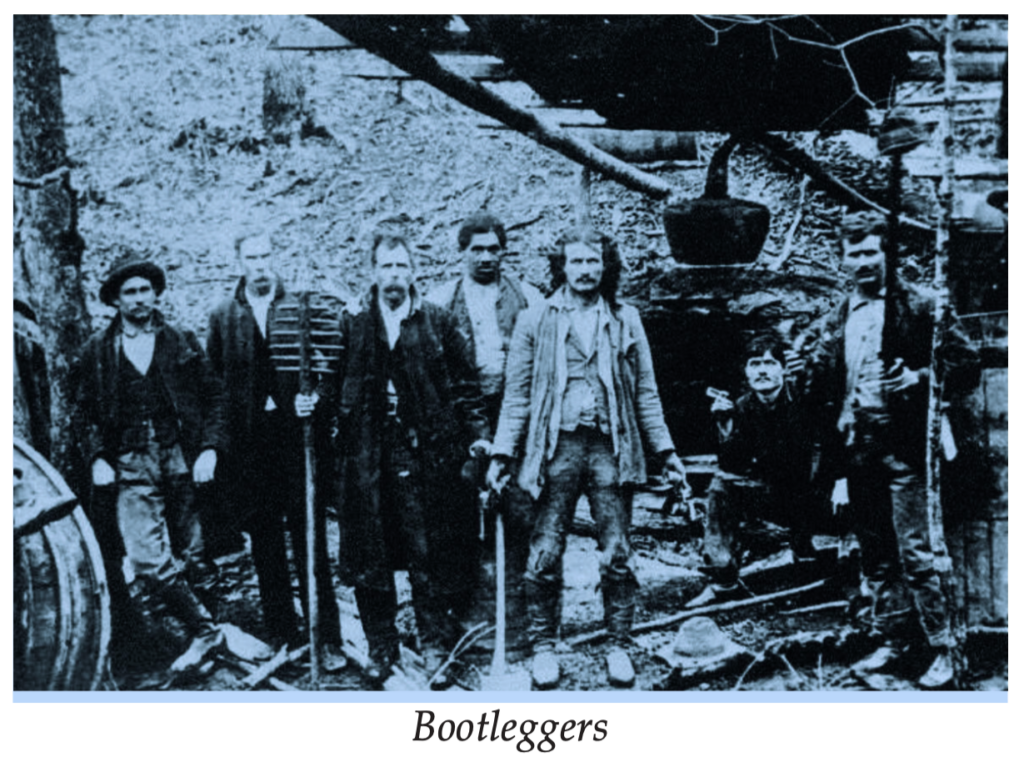
Well, I want to say more concerning as I see this. The man that makes moonshine whiskey in this or any other county or state, will sooner or later come to naught, misery will be the result. Show me the man that has prospered a great while and I will look at the man who will very soon be a pauper. Take notice, you will see this. By and By he’s wearing a slouchy hat, ragged clothes, can’t look you in the eye, wife looking dirty; if he has a family, they will be badly clothed, with little to eat, little attention. The Bootlegger will walk by his side. I’ll tell you why I believe this. The good Lord, Jesus Christ, knows all about you. If you could see yourself in a true light and sit down and meditate over the matter you may escape the delusions. I hope before this comes into print there will be a chance for the better. It can’t be much worse than now. I would be glad if bad people could see themselves as they are and turn away from doing wrong. Let us not covet our neighbor’s horse or his ass or mule or whatever work animal he has, because he has a better one then you.
Now, over to Auxier in Johnson County, the only way they had back then, on the fork of the Big Sandy River, was to bring coal from our mines across the river by an elevated bridge crossing the Big Sandy River going east, traveling through the high mountains to Johns Creek, a tributary of the Big Sandy, taking coal from under the same, from where I was brought as a boy after I was able to walk in 1847, to a farm on which we lived until the Civil War.
Some years back I went down in Johnson County to Major John B. Auxier’s funeral, a man I have known all my life. We lived two years on a farm that belonged to old man Auxier. The bottom where the city is built, is now a mining town noted for the large quantity of coal shifted annually from that place by the C&O Railroad, shifted to the Great Lakes, which are taking coal for different purposes by ships and boats. I very often speak to someone about the way I believe we are to live and call their attention to the seed sower, which is the preacher of the gospel of Jesus Christ that sows. The seed sometimes falls among thorns and the deceitfulness of the rich, that is, the man who won’t take warning. Others fall on good ground and it brings fruit and abundance. I have often asked different ones about their soul’s salvation, some have told me they have been saved. We need more of those who have been to see the seed sower and do good once saved.
Speaking of doing good, I will step back several years to the time the delegates met at the town of Prestonsburg to select county men to make the race for county judge, county clerk, and sheriff, even though I don’t remember any but for county judge. We nominated Mailand Hall and Hall was elected. And when he came into office the county was in debt and when Mr. Hall’s term ended, the county was out of debt. I understand Floyd County is in debt now, don’t see how it should be, if all the fine money is turned in. While I am on the county judge business, let us see what happened back in former years. Old man Jim Harris was county judge several times. Later on, his son, Jim Jr, thought he would try to get elected but was defeated by Judge May, a Beaver Creek man. So Jim Jr. just hung himself on the C&O Railroad bridge across Middle Creek. When he bought his rope, Mr. Harris asked the merchant if that rope would hold a man’s weight. But Harris got the rope too small and after tying the rope to the bridge and around his neck, he threw himself over and the rope broke in the fall, still killing him.
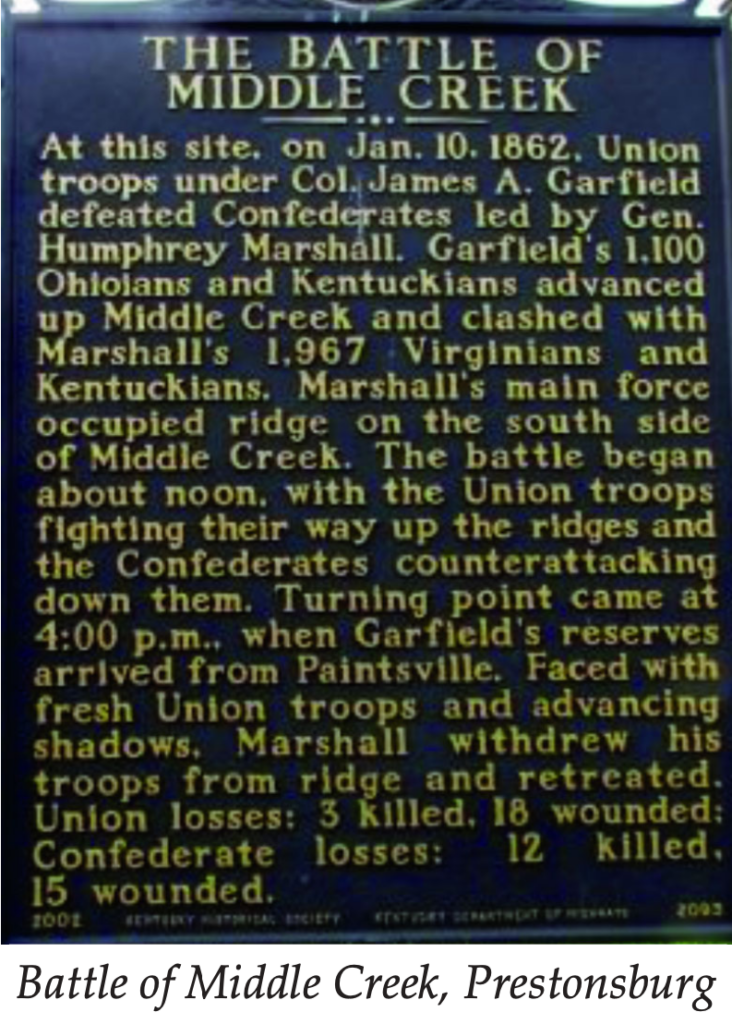
Then one Mr. Hiram Harris, of the town of Prestonsburg decided he wanted the nomi- nation. As Republicans we decided that we had had enough Harris judges. So when Hiram Harris tried to get the nomination, we managed to beat him with Mail Hall, since we feared if Harris was defeated in the election, he may do like his cousin Jim Jr. did and hang himself. Hall was elected and got Floyd county out of debt, but it’s in debt anew by several thousand dollars.
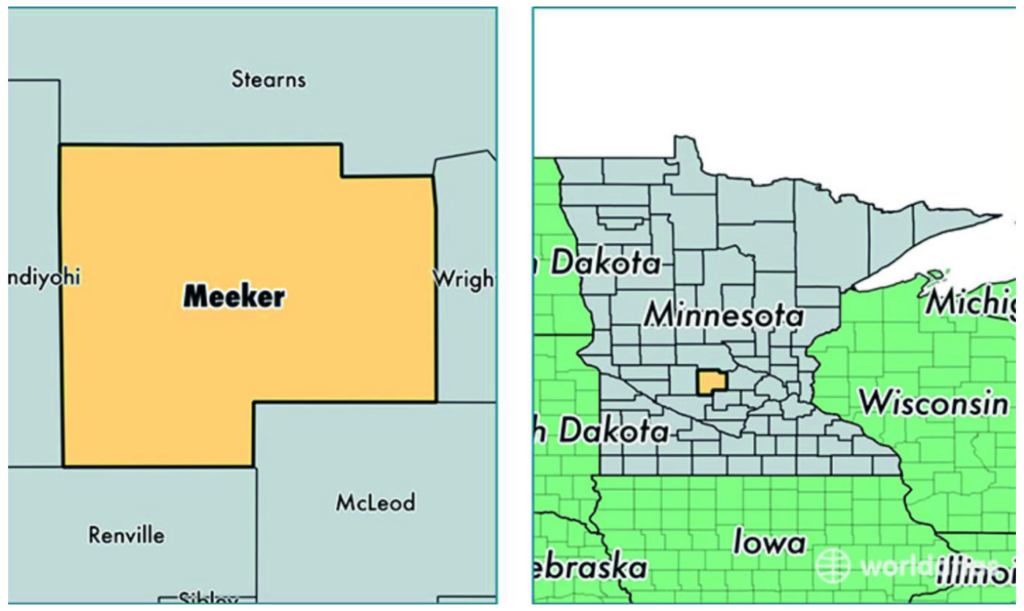
I want to write about the time I moved to Meeker County, Minnesota when I worked with a man by the name of William Richardson. He told me I was within 100 miles of where the snow lays on all summer, no flowers of any kind, no birds, no railroads. But now there is a railroad that is pulled across this high mountain called The Royal Gorge.
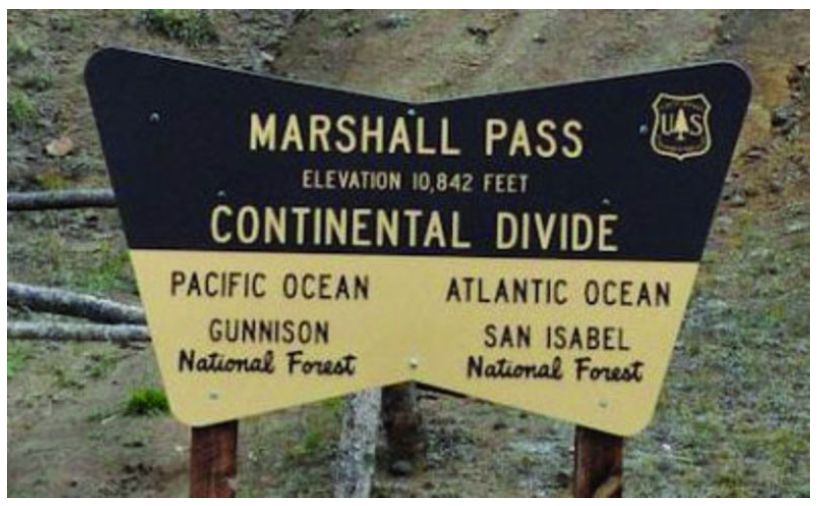
We came to a pathway over the mountain called Marshall Pass that took two engines to pull the train in a winding course up steep grades and around sharp curves climbing the side of the mountain, often passing snow banks, till in an hour’s time we are at the summit, 10,858 feet above the sea. I’m very sorry that while I was in at least 3 days travel from where I worked that summer in 1866, if my wife had been back with her father, I would love to have made that trip and come back through Salt Lake City, where the people today are indulging in polygamy. The capital city of Utah is said to be a most beautiful place of over 25,000 inhabitants, having broad, straight streets. Reading this in history, I remember that in a town in Kentucky as I drove through, I don’t remember the exact name, but there is one thing I remember about a town with the broadest streets I have ever seen, a lovely town, clean, appeared to be well kept, with beautiful shade trees. I went to therailroad station and asked how much it would cost me to ship my team, wagon and myself to Texas and they said $100. So, I never did get to go to Texas to see my brother Walker and now it’s too late in life to think about going. I have no inclination to go anywhere, with the full expectation of ending my days here with my daughter and her husband, WT Huffman, in Pikeville, Kentucky.
Now I want to speak of blankets. Our mothers, sisters, and wives usually make their blankets to fit their beds. But the blanket I speak of now reaches from the north to south and how much further, I don’t know. This blanket I speak of is without stitches, seams, or pleats, made without needle or thread. But while this blanket is spread, there are many a man living who will fold their hands in death, even before this great white blanket folds in the north, especially where it always spreads but seldom ever folds. In the year of 1866 I was within 100 miles of this place and stayed there until the 8th day of October 1866. I then started back to Kentucky that day, the day the lint to make that great white blanket wasflying like missiles and continued until the great blanket was complete. Except that this blanket was more porous than the one we look at and behold. Well, as someone may look at this and not understand I better explain. This great blanket I speak of is nothing more than a blanket of snow. We have two warm sunny days and yet snow on the north still stays, how much longer I cannot tell, as the snow on the south hillside is partially bare now. On the north, the leaves alternately gust by night. The snow will take its flight until another night, it’s getting warm now in Minnesota.
In a few days on our way to Meeker Co, a man overtook me and we got into conversation. I asked him where I could get some feed and stable room for my team, so he said he could feed my team and had plenty of barn room. We rode along with him until we got to a place he said he’ll stop and we can put my team in his barn and cut up what corn I wanted for them. So I fed them and as I had my provisions and cooking utensils I got my supper and ate. There was a family on the road moving in close to where I stayed. The movers slept in their wagon and I went to the man’s house and asked him to let me lay on his floor before the fire. I had one good blanket and he had a wood fire but he said no. My mother-in-law was with us and there was no room, so I went back to the man who said to me he had some fodder in the crib down at the barn and I could sleep on that fodder. Then the man went down and locked me up in the fodder house and locked my team in the barn! I realized he was not as good a man as I took him to be the evening before, so I decided to write him up that night after he thought I was locked up safe. I found my way out and went to the back end of the barn, found the door with the button on it on the inside, and with my knife turned the button. When the little wormy gentleman came down the next morning he was very much, yes, very much, surprised to see me out warming by the mover’s fire who were camped near the road. So I pulled out my writing tablet and I read him what I had written about him. He never opened his mouth. I said that I was a man of honor and principal, and he was not. I told him to never treat a gentleman as he had me again. He dropped his head down as though he felt ashamed, but did not say a word, and I paid the little old weasley, wormy looking thing for the feed I got to feed on that night, and went on. I did not feed his corn until noon, as I did not want to feed the weasley fella’s corn earlier that morning.
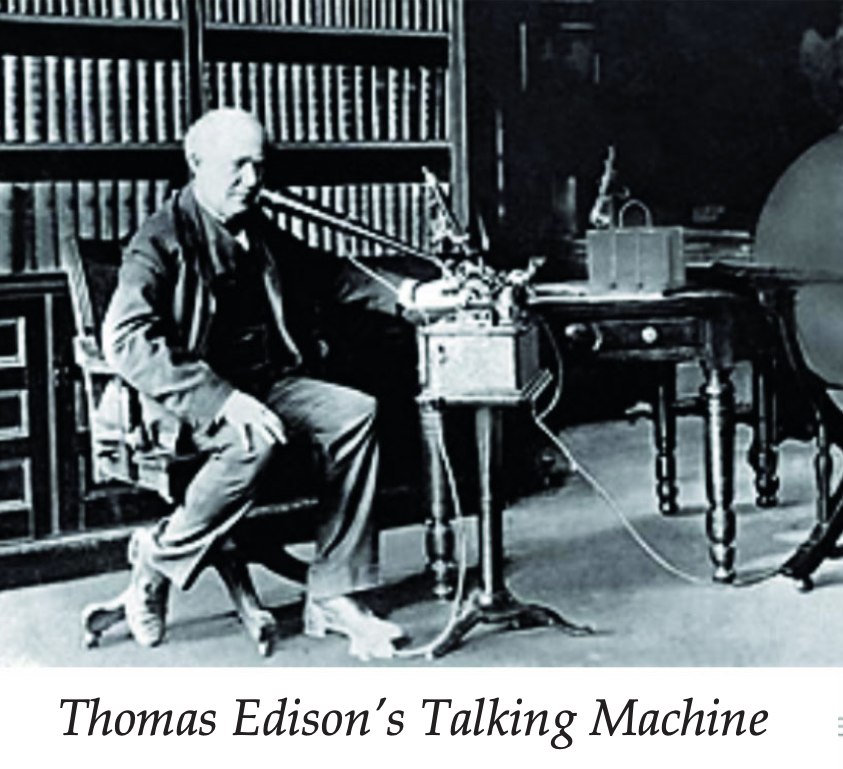
On my first trip I had started from Greasy Creek, Johnson County, on 19 April 1866. Before I started on my second trip in 1904, I bought a talking machine, the first one I ever saw, and took it with me. I had a covered hack and was on my way 45 days and only had one small rain in that time but it was not a hard rain, as I was protected from exposure. As you will see in this story I may have spoken earlier about what I now write. But I can say one thing, I made the talking machine pay me besides the joy and fun the people had where I slept overnight. It really gave a return. When I got to Indian territory with Mr. Hamm Holbrook in February, and finally decided to come back, I left my hack standing on the street. I told him, Holbrook, to do what he pleases with it. I never saw Mr. Holbrook again. He died in Grove Indian territory. His wife came back and stayed a short time, then returned to Washington state. So even though I left the hack behind, I still paid my expenses.
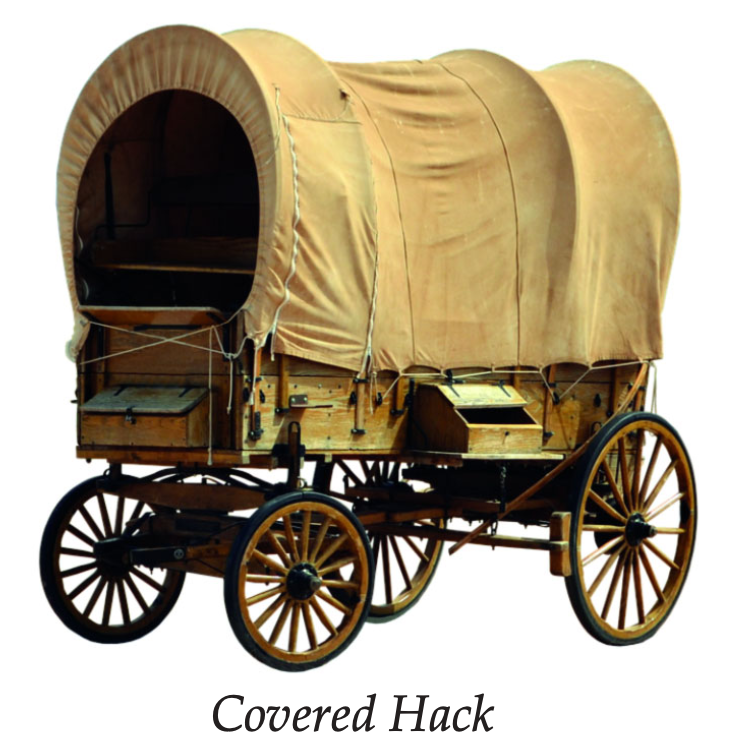
I started out for Texas meeting an auctioneer for the county who sells stock or property not sold by private sale. I slept at his place to feed. He recognized the badge I was wearing, a Mason’s badge, then Mr. Wade said I could not go away until the next day, saying my bill was already paid. I asked if they had entertainment somewhere that night. I told him I had a good talking machine. He said there was one there, so I suggested we go and hear the man’s machine. I found it was a good chance for me to make some expense money. When I told the man I wanted to hear his machine he started it. I told Mr. Wade I could have such a demonstration. He said there was a school in town and we went when school turned out to tell the scholars there could be an entertainment at the school house that night with permission from the teachers who had authority. When the time came we had a good crowd, and I made enough spending money for several days.
Next morning, on my journey westward, when I got down in Kentucky on the Mississippi river, I did not know whether we could get through the wood swamps or not. Vanmeter said we may not be able to get through the swamps, so as no one could tell us, we turned north and crossed the Ohio at Paducah Kentucky and went into Illinois, across the Mississippi at Cape Girardeau below St. Louis, and took the Ozark range.
On our way, Vanmeter wanted to get him some tobacco to chew, or smoke, and there was a very inqui- sitive little southerner. He asked who am I? “From Kentucky,” I said. “Right, from the feudist district?” he asked. I said, “Yes, do you want to know my name? He said, yes. I told him my name. Then I said, if you want to know any more, I can tell you the name of the bank I do business with. And to find out even more, I will tell you who you can write to, to save you time and trouble. I gave him the County Judge, County Clerk, and the Sheriff, so the gentleman did not ask me any more questions. We crossed the Tenn- essee River and were on our way rejoicing.
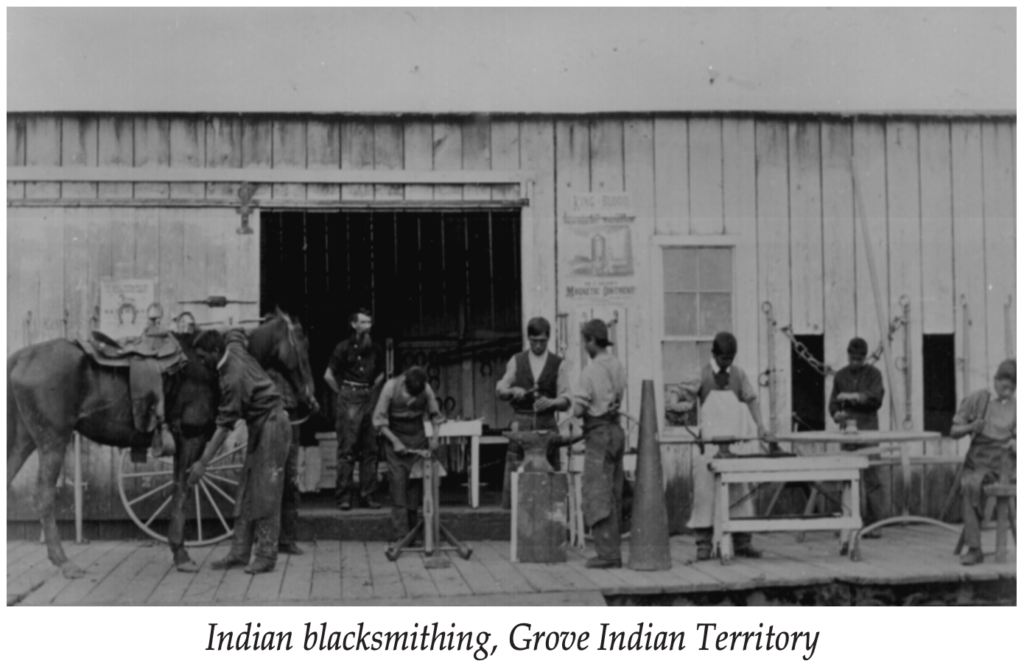
Let us step back to the first of the mountains on the eastern side of the Mississippi Valley. I’ll try to tell you how high it was, but when I got to the top I could see quite a distance west to the river, and after I got down to the foot of the mountain, I found a road with a fertile bottom, a fine corn belt. I remember just before crossing the river, I saw a little bush they told me was a pecan bush, there were just yet some on the ground. When I was there in November 1904, I crossed on a steam ferry, the main means of travel to the state of Kansas at the time. It was a dividing line between Kansas and the Indian territory, 25 miles from Grove Indian Territory, which was admitted to Oklahoma in 1907. I stayed all night with an old man by the name of Anderson on theline, who had lived there for twenty years, but crossing my partner and me, he had already hired a farmer to gather his corn, so we went on that day and I got in a short time after dark. I crossed the Grande river before dark at a shallow ford, not quickly, so I went to Mr. Hamm Holbrook’s and stayed there from November 1904 until 5 February 1905, as my folks got worried about me. Mr. Holbrook had a well 95 feet deep, the healthiest water I ever did drink. Mr. Holbrook fed and attended to his stock well, used my team and hauled wood, some over one mile, from Grove Indian Territory. But I had to go home.
While out in the Grove Indian Territory, we had to go buy a horse where a family of Indians lived. The morning was cold and I stopped in to warm up. The Indian could not understand a word I said, but he had a boy there of his own and I suppose the boy could understand me and will interpret for me and to my surprise their toilet was in the back end of the living room between their two beds on the floor. The floor showed like it had been used for several days without being cleaned out. This was my first and last stop at that house! I went to the creek, got my load of wood and drove back to Grove Indian Territory. We sawed the wood up in lengths to burn in the heating stove and piled it to keep the room warm. Then Mr. Holbrook would read a book called Slow train through Arkansas from the Arkansas Traveler. While I was out at Mr. Holbrook’s we sent and bought good supplies of second hand clothing that we could sell to the Indian tribes for a good profit, until when the time came that I could not stay any longer, because of the letters coming to me from my friend in Kentucky, telling me that my wife would go crazy if I did not come back soon.
So in February I started back, and in a short time went with Mr. Johnson to Monroe, Louisiana. On the way we came through to Warsaw City. When I got there I expected to find a city, according to its name, but to my surprise I found a few little old dilapidated frame buildings that never had been painted. What else did I find? Well, there was not a store in that great city, but there was one shack out near the bank of the Warsaw River. I guess you would like to know what they had in the house. I, too, had a curiosity to see what the store contained so I went in as I was there for a few days.
My anxiety had not ceased to see inside the only house of business. What I found I can’t describe as being the finest building I ever saw by any means, but if I was going to describe it as it looked from the outside, I would tell you that if I was going to make a chicken coop, I would make it look far more respectable than that building. With a friend I went to see inside. Since I was a tobacco chewer, I asked for tobacco. The clerk said they had nothing but snuff. I asked how you use it? The clerk said take it in the mouth, just like you were chewing tobacco. I told her I didn’t want any snuff, but snuff was all she had in that beautiful building. After I took a look inside, I had now seen all the magnificent buildings in Warsaw City.
I finally walked out in the country to find Leander Johnson, ML Johnson’s husband, the one we started out to find, and as I went through the woods I came across a man who I told I wanted to find a deer skin to take back to Kentucky to have dressed for shoe strings. He said he had one with him that I could have so I brought it with me to Kentucky and eventually had it dressed.
After Warsaw City I took the train for Vicksburg, crossed back over the Mississippi into Kentucky, to Cairo, Illinois, crossed the Ohio at Paducah; via Louisville took the train for Ashland, Catlettsburg, and Abbott Creek. Then finally that night got the conductor to stop and let me off and I walked home.
I want to speak again about going to Kingston in Meeker County, Minnesota in the year of 1866. I went to see my two uncles, William and Peter Cunningham, brothers who lived on Swan Lake, Minnesota and met up with old man Isaac Russell. Mr. Russell gave me all the information about the land to be let for settlers. He took me and showed me the piece that had been filed on by another man who failed to come and take possession as the law required at that time. Mr. Russell insisted that I file that claim and I did file on that claim. Later I found out that there was going to be an increase in my family. My wife and I talked about the situation on Saturday and I told my wife I would go get Mrs. Maynard, the mid- wife, to stay with us until the time we needed her, but after a few days we decided to come back to Kentucky. The place then was Dassel Station, Minn and in less than two years there was a railroad across the Mississippi below Saint Paul. My claim was west of where the bridge crossed the river and went through the claim that I filed on, so very soon a considerable town was built on the same spot. Then one of my uncles wrote and told me what a mistake I had made by not staying there. Yet, I got back to Kentucky in time to miss a birth on the road as we came back.
We had started back on the ninth day of October 1866. I don’t remember how long I was on the road coming back but my first child was born October 30, 1866. I had taken my grandmother Rachel Cunningham with me as I went, since she had two boys, William and Peter, in the place I was going. She was very active for one of her age which may have been between 80 and 90 years old.
I want to mention here something about bee’s honey. There is nothing better than bee’s honey at any time. I’ve eaten my fair share of very good honey, but on this occasion, my brother-in-law, Jake Webb, who married old Uncle Enock Auxier’s daughter, Nancy, had the best honey I ever tasted. Nancy asked if I would like some of her honey, made right there on the farm. I can tell you it was unique. I never tasted anything like it before or since. My mind told me the flowers and herbs in the bottom that the bees ate must have been different from what we had growing wild near our farm. That surely was the reason. What else? I never got an answer, yet never forgot the delicious honey from that day.
My brother Abraham M. Elliott and I married cousins from Daniels Creek, Johnson Co. His wife was a daughter of Tomie, named Drucilla Webb. They had several children, one of whom, Priscilla, married Clayton Preston, son of Bird Preston. He was a Mason and a good man. One day he was sitting in the window of the Paintsville courthouse and fell backwards. The window was not very high off the ground so he wasn’t seriously hurt. Lived many more years. I’ve been to that courthouse many times over the years and know it well. Aunt Polly Cunningham, who never married, boarded first with her brother Timothy Cunningham, then with my brother Abraham, then later on, lived with her niece Priscilla Elliott Preston.
In 1912 I went to Greenup County, KY to see my brother. His family all had measles, so I stayed there until they all got well. Then I decided to go over to Ohio to stand my old stallion, Charley. I went over there, made my contracts with farmers who had mares to raise colts, but before the time to start around came, I sold my horse. Then I had to go over the same territory and let every farmer know that I had sold Charley so they would not be disappointed. I hated to let folks down.
There was a man from Ashe County, NC he was a fine looking young man. He came to our house where my father and mother lived. We were all glad to have him. My brothers and I enjoyed playing marbles with him. Brother Arrowood was a good man. I was convinced by his preaching and was converted. One night Brother Arrowood was preaching on Abbott Creek when my first wife was converted after his sermon. He called for seekers and my wife, Serilda, said to herself, I’ll try one more time and if I can’t do any good I will quit. She was happily converted a short time before she died. I was standing by her bed and was humming on some old song we used to sing together, and she tried to help me sing. I am satisfied she is at rest today. I dreamed of her last night. The Lord gives many, yes, many conversions which gives more prayer meetings, more good Christians. One night I was kneeling at my bedside before I went to bed. I had my mother in the house with me. My first wife had died, leaving me with two little girls. The oldest one has been gone several years, at least 49 years on the first day of this month. She married Charley Parsons. She lived in Pikeville at the time that she died. She was born in Johnson County. Sarah married W.T. Huffman. I am making my home at their house now. During the period I am writing about my brother, Peter, was not yet converted, but later on, he went to Hager Hill to a quarterly meeting and Brother Daniel Hager was there. Brother Arrowood preached and when the altar called for mourners, Peter went to the altar. Once there, Peter said, the lord could bless him in his seat or on his knees. Brother Hager said, Brother Peter if you believe, you will be saved. So he took Hager at his word and from that time on Brother Peter lived as a devout Christian. He is a saved man and I have no doubt he and my brother Abraham were by my bed one night in January 1929. I recognized their presence and I was rejoicing when my daughter asked me what was the matter. I told her I was rejoicing.
We have been writing about the power of Jesus. Now let us look at what power the devil has over man. Four or five years ago I was over in Greenup County and was on the spot where some killing was done. The place was in front of a church on meeting day at noon, where a large sugar tree was standing in front. My brother, Joel Jesse Elliott, was present when the shooting and killing took place. Louis White killed Kessie Osborn, yes, killed Kessie Osborn. Louis White and Kessie Osborn met at the church. They both had guns, pistols. They chased each other around that tree shooting each other at every chance. Pistol in one hand and holding onto the tree with the other. I understand both men died on the ground. But later on, I learned that Osborn was killed at the church by the sugar tree, while White was killed by Tom Reffit who lived not far from Martin. White was disturbing Reffit, so Reffit laid a trap for him. When night came Tom Reffit was watching and when White came to the door and knocked, Reffit stepped around the corner of the house before his wife could let White in. Reffit pulled down on White with a shotgun and brought White down. Then Tom went to town that night and told the Judge what he had done, so he never was molested by the law doing the right thing, don’t you think?
So now I will try to give you a little sketch of what one old soldier told me about at the battle of Richmond, Va, where this soldier was captured and started to prison with a Mormon man and many more that belong to other regiments, some from Ohio, Indiana, Illinois, some from Michigan. I, as the writer of this history, have made some acquaintances and marched with them from Mt Sterling to Prestonsburg, Kentucky, in the Fall of 1864. We came through to be sure that they got out early the next morning, and to be sure they would stay away and not show themselves in this area again. As far as I know or hear, not one of the Mormons has ever been seen in our part of the country or any other one since. I told the Mormon preacher to go back to Utah and never be caught in Kentucky anymore. And if they were, we would get enough men to apply the lash to them in good order. They asked Thomas Stanley my name, so I guess my name is in Utah. I don’t care. I told them that I did not believe in polygamy. They both said they did and left, but since it was time for them to put up somewhere, they went up on the left-hand fork to where Thomas Stanley lives. I wanted to see if Mr Stanley took them in, so the next day I went up the creek and found that they were indeed at Mr Stanley’s.
I called Stanley and asked if the two men had stopped with him that evening, he said yes. Well, I said to tell them their church preachers said you have to be as man and wife only “half” the time. I ordered them at once to get out, and they went out to the side yard and I went out and sat down on the stile block, and they wanted to know my objection to their doctrine. They asked me if they could get leave to preach in our church that night. I said you go see old man May over across the river and if he would give them leave, I would have nothing to say. The preachers said I had as much authority as old man May. So they wanted to know why I wouldn’t let them preach in the church. I said that my reason is because there were two Mormon preachers who came to our place on Abbott Creek in Floyd County and wanted to preach in Robinson Chapel that is standing there yet, and they learned some way that I was trustee or at least one of the trustees of that church and old Sarney near the cliff on the other side of the Big Sandy River was the other trustee, so they thought I would let them preach their polygamy, but I refused. Not then, and not now!
Well, I will step back to the time about 1871 when I married Elizabeth Worsham, my second wife, the widow of Thomas R. Worsham. They had a son Gustave Worsham about 16 when his mother and I married. Gus met a beloved colored man by the name of Lou Lane. He asked Gus how he liked his step-father. He says, “We can’t do without him.” Lou Lane told me what Gus said. Well, he couldn’t do without me then! Why is it that when I stepped off the porch and was walking toward the front gate you said in a tone you thought I might not hear, but I did. You said that the very idea of me laying beside your mother….. That is what you said, Gus. Now you could not do without me when you were sixteen years old. Why did you want to cast a slur at my back as I walked to the front gate all those years later.
Well, be that as it is, she told a neighbor when I took a trip to go to Texas to see my brother, Walker Elliott, she was very much in distress and our friend often wrote that I ought to come back home. They thought she would go crazy. She told my friends that she loved me better than any man she ever saw. She told us that she would go away the next evening at 5 o’clock. At that time the house was still, the yard was still. To see whether she was in her right mind or not, Ferd Hatcher, her nephew, told me he held his watch and when 5 o’clock came, she passed into the other world. I stood by her as she passed away and I was satisfied as to her salvation. She told us to weep not as those who have no hope. We talked about God’s love for lost humanity, sending his only son to die so that we may live in his kingdom forever. About the last words she said to me before she passed away, after she kissed me, was I love you and I said I love you, too, and in a short space of time she had passed.
Putting in a good day’s work will never hurt you. On the night of the 15th came a considerable rain and on the morning of the 16th, WT Huffman started his two work hands laying off corn ground to get ready to plant his corn. The ground was so very wet, ordinarily too wet, but it looked like the rain was still going to continue so he told his men to work right on, rain or shine, if they could stand it. They were pressing right on. So I told WT, if he waited for the ground to get dry enough, it may throw him late, as he had part of his piece already planted and he wanted to plant the balance. At 9 o’clock the sky seems to be clearing up like we may have a clear evening, and at 12:30 pm, I went out to help plant a little low land piece that WT calls the Island Piece. There was so much bad weather that I decided that I could be of some help to get the Island Piece planted and took the old Suse mare and layed it off one way and I finished laying it off and got done at 5:30pm. The old mare I’d layed off with was 20 years old, but nimble and a good plower. I was but a mere boy, only 83 years past, but I can’t say now as I am doing this writing that I did not get tired. And further I expect to feel some at least when I get cooled off, guess I did sweat some. I can say this is the first time I have sweated for several years from labor. I don’t think I am any way worse, if I don’t catch a cold.
Now, boys, don’t be afraid to labor and sweat a little and that doesn’t hurt anybody to labor and sweat. The Bible tells us to eat bread by the sweat of our brow. I have always since I started out for myself in crop time, most always was up as soon as the clock struck 4 am. My feet struck the floor and by the time the morning meal was ready, my team was harnessed and ready to go to work. I did not time myself to a limited number of hours a day, but put in from morning to noon, with one hour for me and my horse to eat. A great many times I worked until the sun hid herself behind the western horizon, as long as I could see to plow the corn. But in this day and time men who work on the farm usually quit at 5:30 or 6:00 and lose the best part of the day to work.
I once read about a great Russian landowner who was very wealthy, but secretly dressed up as a common laborer when spending time in a Dutch seaport, just so he could work with the local craftsmen to learn all he could about their ship building for the benefit of his people. He felt that by being incognito he would learn more and did all the jobs demanded of him. Now, that was a man not afraid of work.
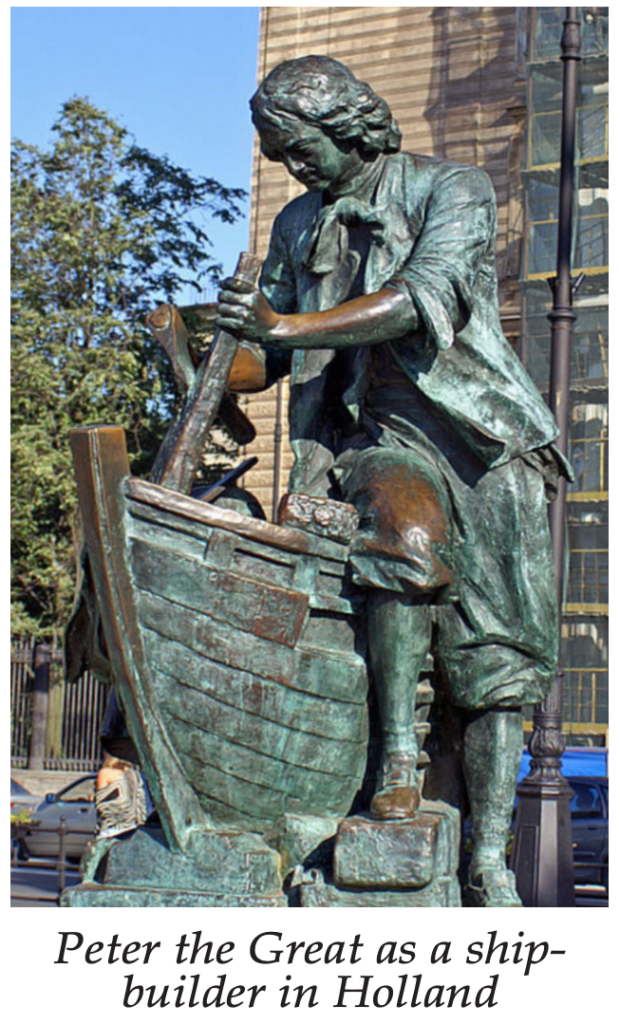
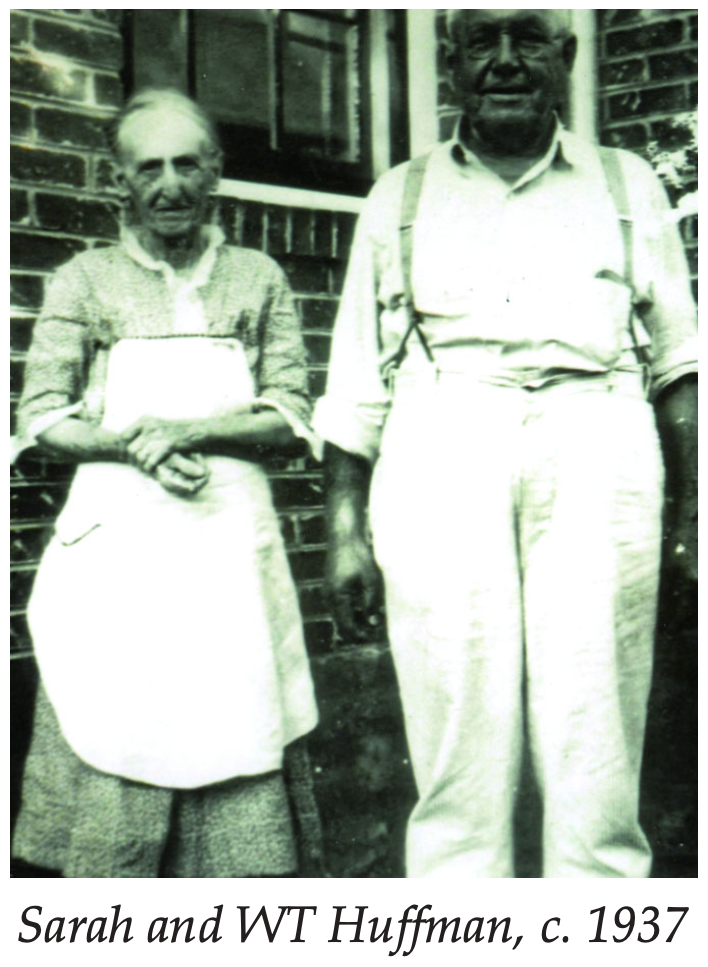
I only had two children of my own, WT Huffman’s wife, Sarah A. Elliott and Mintie Elliott. Both of my children married splendid gentlemen. I was not so well acquainted with Mr Parsons, but WT Huffman is a splendid man, honest and an alright man. Now, as a Christian I would be satisfied that when we leave this world we could live together in heaven and I hope his mind is bent that way, too. So now, when I think back to the 20th day of last July, one year ago, knowing that my wife would go to rest until the trumpet sounds, several people were at the funeral that day. We think back at the time when we were young, probably you had heard someone preach the gospel of Christ, when someone would invoke the divine blessings of God upon the sinner, and the impression was made on you to live better, to be a Christian. After that time I never tried to fight that impression away from my mind. I am trying to write this history that these few lines may drop in the pathway of some thinking person and help them stay in the path that wins to everlasting life, where sickness, sorrow, nor pain, ever comes, pray never comes, praise the Lord for that thought!
Now back in Pikeville on business on Bank and Elm street at J D Caudill, who was 74 years old. We talked about Jesus and his wonderful love, said he had read the whole Bible six hundred times, going on the seven hundredth time. He told me about his boyhood days, when deer, panthers and other wild animals were plentiful, saying he was sorry about it. Yet, I often think of our family prayers with my two brothers, especially one night 59 years ago, when they were converted. They’ve gone on to eternal rest now. I wonder when the moment will come when I shall lay my armor down and lay in peace at home; just step on the ship and sail into the harbor to be with my daughter, Mintie, where she has been since May 1, 1888. She told me after she was converted the day before she died, she would answer Aunt Pop Davidson’s letter when she got to heaven. I am satisfied as to her salvation and know that I will see her again in heaven.
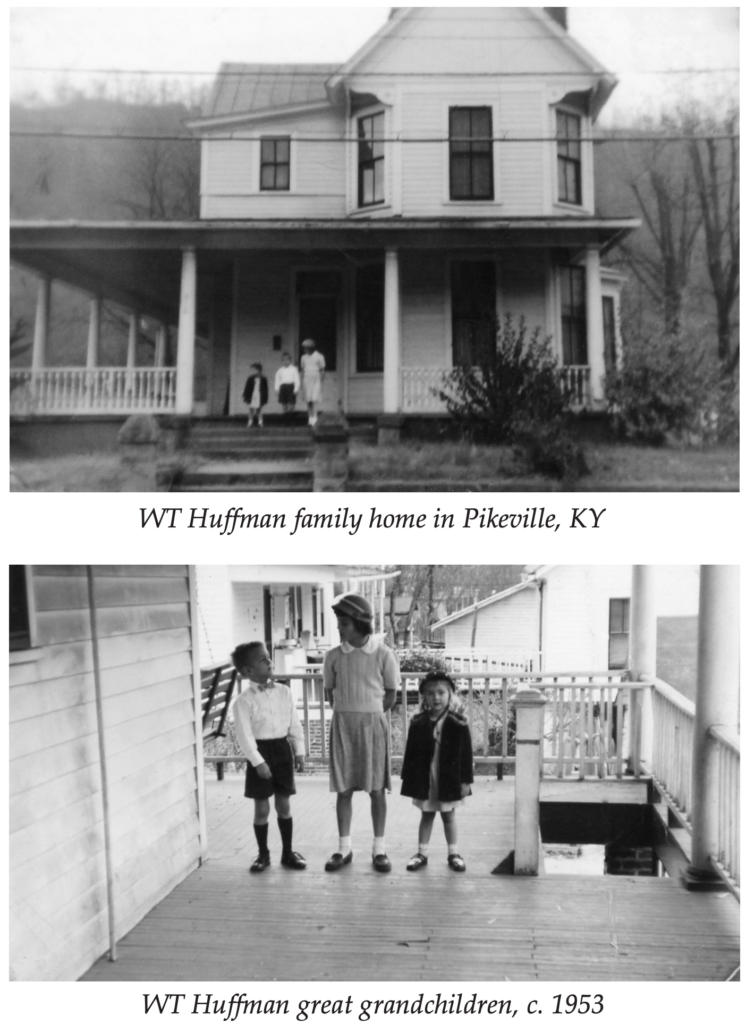
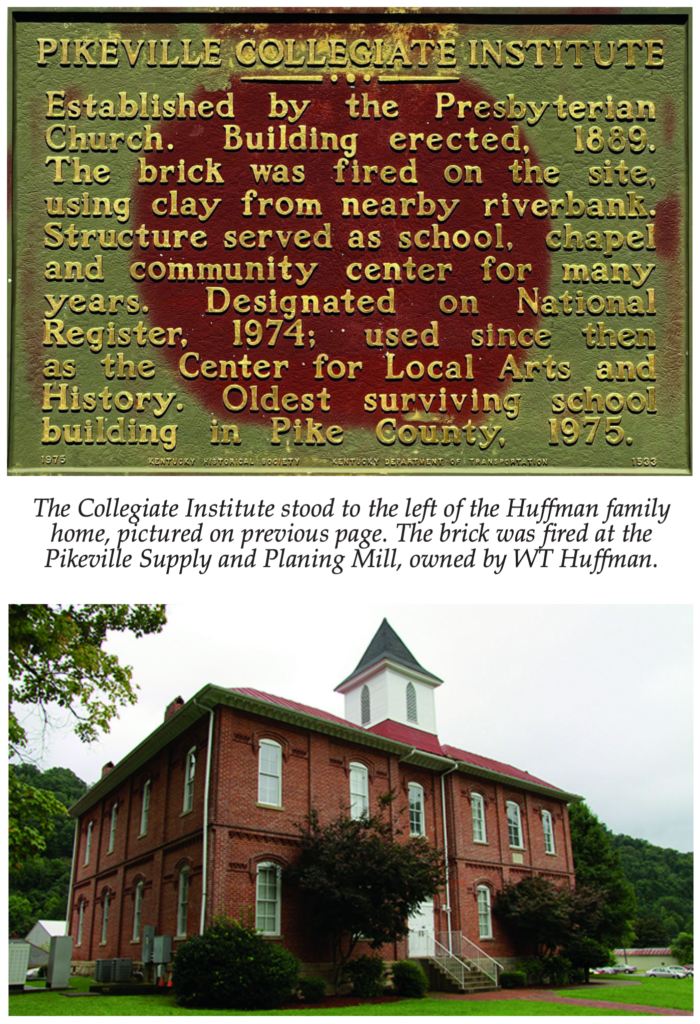
I went to the home of Mr and Mrs Floyd Lafferty at Prestonsburg. She said she knew my brothers when small, but couldn’t remember much now, only to say they were well spoken of. We boarded for a time with my mother’s sister, Mary Polly Cunningham, and I was glad she knew my brother Abraham M. Elliott, who died about 1902. He was Baptist in faith. Brother Peter died about 1902, a Methodist in faith. Both professed faith in Jesus Christ and lived it. But I wish to step back to Johnson County, where I’ve been writing about. As we agreed to pray with our families, my brother and his wife came in, and had me pray, and I found out that I had not been in earnest, and through my devotion, realized that my boyhood sins were indeed forgiven. You know, we read about the star in the blessed Bible, about Saturn that followed Joseph and Mary, the mother of Jesus, to the place that God told Joseph to go, and my conversion is as plain today as it was the same night that Jesus saved me. It is a blessed thought that we can go where we won’t grow old, our loved ones are waiting, no doubt even watching for us, and I don’t think it will be long until I will go see mine that’s gone.
I have told you about those days Tom and his brother John Baldridge lived on Middle Creek. John married Ivey Brown, and I was in their old home and played with their children and I remember one Sabbath morning I got leave from my parents to go to their home on the left- hand fork of Daniels Creek. Bill, the oldest, decided he would climb a tall sycamore sapling, so started, got up 35 or 40 feet, took hold of a dead limb and undertook to draw himself up higher and the dead limb broke, and here he came tumbling down near the tree he went up, and the tree stood on the banks of the creek branch; as he fell on his back it knocked the breath out of him and I was afraid to catch him, he being larger and much heavier than I was. He fell on the roots of the sapling and I did manage to clean him up, washed his face in the creek and brought life into him, so he lived many more years.
I want to say a few more words of about the family of Julius Hite who had three boys named Bob, George and Nick, all in the Union army with me. I have not seen any of the boys for several years. There are but a few of us boys now living that were in the Union army. I know of only one from my old neighborhood that was in the Rebel army that is old man Bill Osborn, living down by my old home on Abbott Creek in Floyd Co, not too far away from Mr Hite’s old place. From there I come on down to the old school house where I went to school for several years. William Arrowood was our teacher. He married Nancy Wells, who had a sister in my class, a great speller, Minty Wells. We both could stand up all day and spell words in the Blue Back Speller. When she grew up she married Logan Porter, her cousin. They had two boys, Henry and Samuel, and had an interest in coal mines on Abbott Creek on the Mine Branch.

From there we come on down to the farm of old man Wells and the bottom below that washed out when the Creek got up leaving a hole and basin that never dried, with catfish that I caught many times…..as I come down behind the bottom to my right hand side, on top of that point is where my father is laid to rest. (now known as the Pruitt Cemetery). My father, James P. Elliott, died in 1864. He was a good neighbor and good moral citizen. As long as young men and women don’t give the wicked spirit the false impression that they have plenty of time, they can find the Lord before it’s too late. That’s the trouble. Don’t delay! When my father died he was buried in that cemetery. This farm is where I was raised and lived until the Civil War. Then go down to Uncle Bid Webb’s farm (William), not far away, to the site where my younger brother and sister are buried, George Washington Elliott and Mintie Elizabeth Elliott. They died at one year. About three hundred yards away down the river, at the mouth of Daniels Creek, near the Auxier farm, I laid to rest my first wife, Serilda Webb, in December 1867.
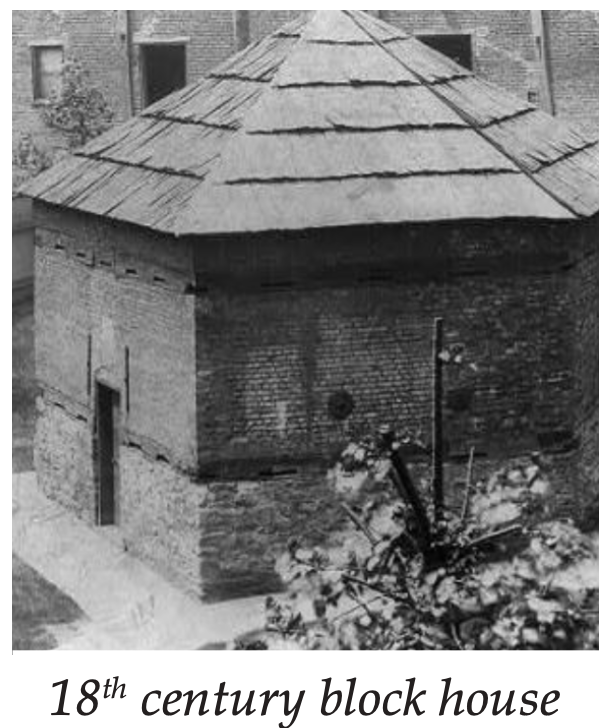
My mind turns back to when I could first remember my father on the farm at Millers Creek. He sold out there after clearing it up and wore it out raising crops and was not fertile enough to live on. My father seemed to think he would rather live on a rented land, taking a lease on the land for so many years and by the time the lease was out the fertile soil was about exhausted. At that time deer were very plentiful. We also had more big snows than since then. I remember a man named Giles McGurn. He and father were great cronies. They hunted deer and bear. In that time, there were panthers, wildcats, plenty of possums, many wild turkey, wild animals that can’t be found today. The Indians didn’t live in some parts of the country and could only be found in the most remote parts of the west. At last when the Indians found out the white man only meant to treat them like people and after some became more civilized, the white man had less trouble, but before the Indians had all left or boys killed them outright, the old settlers built a house on the bottom, called it a block house, to protect themselves from the Indians; they told me that bottom is just across the river from the East Point. I know where it is well and have worked on Samuel Auxier’s farm in that bottom several months before, and now I think sometimes about how hard it was in the early days of our country long before I was born.
The End
These histories were written by Thomas Wilson Elliott in March 1928 through June 1929 in Pikeville, Kentucky.
Reuben Patrick’s Williams Rapid Fire gun is now on display at the Kentucky Military Museum, Frankfort, Ky
Postscript
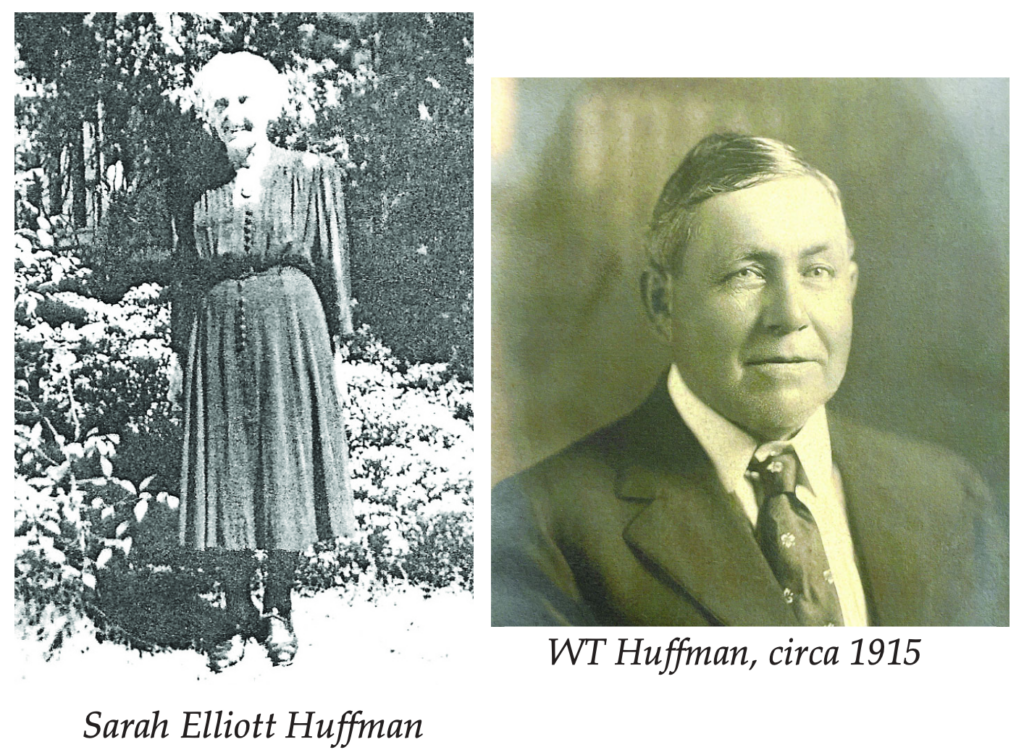
Serilda Webb Elliott’s sister, Clarinda Webb, married Andrew Jackson Ward, who served as a Confederate soldier during the Civil War. On occasion the Wards would come to visit in Pikeville. Sarah Huffman and her Aunt Clarinda enjoyed several hours together on the porch swing or in the kitchen preparing a meal for as many as 35 relatives. The brothers-in-law, TW Elliott (Union) and AJ Ward, (Confederate) would sit in the parlor without saying a word or looking at each other for the entire day. When the grandkids came in they would try to coax a conversation between them, but the kids would always end up telling the one what the other had just said. According to my grandmother and her siblings, this went on for years, until AJ Ward passed away in 1916. No one could ever break the silence between them. So I guess you could say that even our family had a feud of its own.
BHK
Annex
Thomas Elliott’s Poetry
But now I see twice because I was lost
to and fro on the other shore
I decided I'd come back
and just lay flat on my back
and seeing that won't do
that might give me the flu
I said that won't do
then I came back and made me a stew
yes one or two and white on the other side
I seen a happy bride lying on her side
then thought it too soon to see the groom
then we just have to be
but could not see why I was content
as I am as soon as I went
this is as it may be
I was there one day but not there to stay
so I made my return
and thought I would see some fun as I run,
yet saying that won't pay
I better try some other way
as my way won't pay
just start some other way this day
and very soon you will catch the time
and it may be today before noon
but if not, then I will contend
all this I have done without much fun,
although I went bent as I run.....
Editor’s Notes
When editing these histories I have attempted not to change anything from Thomas Elliott’s manuscript except to make subject-verb agreements or add punctuation. There were words he spelled phonetically, referring to a Bear as Bar. It could be hard for someone who has not grown up in the area to understand, but overall he wrote clearly. The spelling and penmanship of the family bible of his father James Patton Elliott is much more challenging. The transcription of that bible in Clarence E. Sheperd’s two volume tome, The Elliotts of Elliott Risque and Allied Families, 2004, was a great help. Within those volumes Shepard includes a copy of the 1844 Bible of James Elliott, JPE’s father, born 1775, registered with the New York Bible society, as well as the bible of James Patton Elliott given to his son, Alexander, ending up with older brother Thomas.
Clarence Shepard writes of Elliotts Risque in Baltimore surveyed in 1725 for John Elliott. That property was passed to his son James in its entirety, then to his son James. John Elliott’s grandson Michael did not inherit any part of Elliotts Risque, Elliotts Chance, or Elliotts Interest, the adjoining properties, but was given money by his brother James for his share. Michael received a land grant for property in Scott County, Va and settled there. Thomas Elliott was descended from Michael Elliott and their branch of this story starts in South Western Virginia. Thomas Elliott was born in Washington Co, Virginia, in 1845.
There will also be questions as to where these histories were kept after his death in 1939. His daughter, Sarah Huffman continued to live at College and Elm St in Pikeville after WT Huffman died in 1944. At her passing in 1959, her eldest daughter Myrtle Huffman Hambley, my grandmother, received them. All of the documents were taken to her home in Tuscan, Arizona for safe keeping where Myrtle moved to join her younger daughters Lucille and Helen Hambley in 1949, remaining for the rest of her life. Lucille lived in Tucson until 2010, at which time boxes containing pictures and diaries were sent to my first cousin, Julia Wall, daughter of Sarah Anna Hambley (Henderson), eldest daughter of Myrtle in Kentucky. Julia gave them to me in the fall of 2021 for publication since she knew that my daughters and I were involved in genealogical research for the Daughters of the American Revolution, DAR.
Pedigree of Thomas Wilson Elliott
As of this writing we have been able to track the Elliott line back to Baltimore Co, Maryland in the early 1700s from Scotland. We know that one John Elliott acquired property in Baltimore, Maryland of 200 acres called Elliotts Risque in 1725. His son James inherited the property. James’ third son and fifth child, Michael Elliott, left Maryland and received a land grant in Scott County, Va. Michael’s son, James, was the father of James Patton Elliott, who was the father of Thomas Wilson Elliott, born in Washington County, Va in December 1845.
In 1847 the family moved to Johnson County, Ky on Abbott and Millers Creek. Thomas Elliott’s mother, Elizabeth Cunningham Elliott was the daughter of William Cunningham and Rachel Countiss, who were married in Washington County, Va in 1810. Rachel Countiss Cunningham (1791-1867) was the daughter of Peter Green Countiss and Mary Burtt. Rachel Cunningham died in Meeker County, Minnesota around 1867. She traveled to Minnesota with her grandson Thomas Elliott in 1866 to join her sons, William and Peter, who had settled there.
Thomas Elliott’s first wife was Serilda Webb, born 1845- 1867, with two daughters, Mintie and Sarah. They wed in 1866. He and his second wife Elizabeth Hatcher Elliott (1833-1927), married in 1871 for 56 years, without children together. She was 12 years older than he was, and died in Pikeville in 1927. She was from Pikeville, yet they lived on her farm on Abbott Creek, Johnson County, which was passed on to her son Gustave Worsham.
Pedigree of Serilda Webb
It was on Millers Creek, Van Lear, Ky that he met Serilda Webb, born in 1845, married in 1866. She died in 1867. Both of Serilda’s parents, Edward R. Webb and Judia L. Butcher are buried in the Webb-Butcher Cemetery, Butcher Hollow Rd, Millers Creek. E.R. Webb was the son of William A. Webb, Sr and Nancy Green. William A. was the son of John Webb and Mary Adam.
Pedigree of William T. Huffman
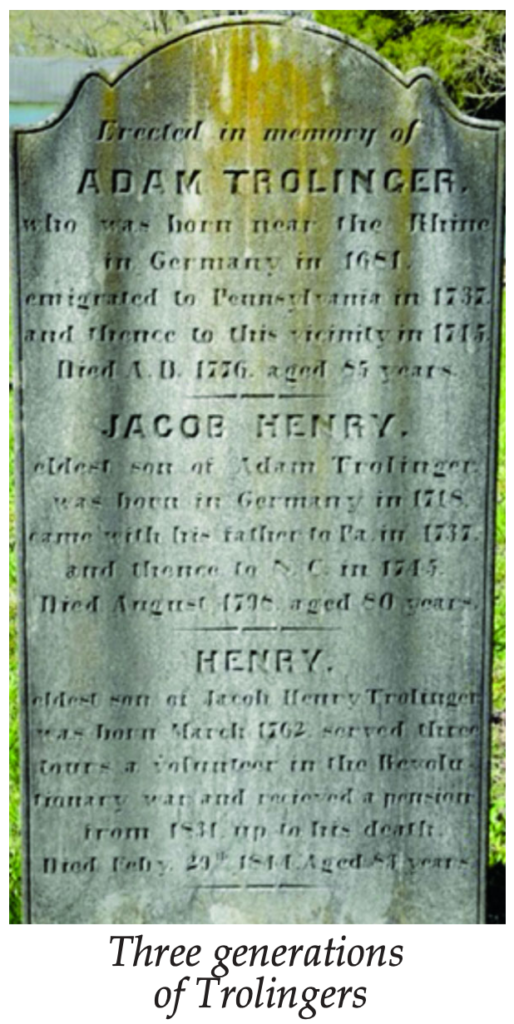
William Thedron Huffman was the twin (TN) son of Archibald and Louisa R. Huffman. In his Will of 1894, Archibald Huffman left many parcels of land to his four sons. Arch was the son of Solomon Huffman (1800-1871) from Virginia. Solomon came to Pikeville around 1827 when Arch was very young. Solomon’s father was John Huffman from Haw River, North Carolina. His mother was Mary Trolinger, Jacob Henry Trolinger’s daughter, a grist mill owner on the Haw River and founder of that town.
Archibald married Louise Robinson, daughter of Richard Price Robinson and Mary Polly Ratliff Robinson. Louise passed away in 1871 at the age of 46 after bearing four sons and daughters Mary C and Sarah. Archibald married a second time to Julia Mims and they had two sons and a daughter together. Both sons died before reaching adulthood. Their daughter Louise F. is mentioned in his Will, as well as Mary C and Sarah. He had a lot of property which we believe came in part from Solomon Huffman and Richard Price Robinson.
Richard Price Robinson came from Russell County, Va with his brother Isaac, and uncle Thomas Price to settle on Island Creek. Marie Justice authored a complete history of their migration to Kentucky in her book, George Robinson and his kin. He and Mary Polly Ratliff were married in Floyd County May 7, 1821 and are buried there. She was the daughter of James Ratliff and Maribah Fowler, and a sister of William Ratliff, father of Ann Ratliff who married Col John Dils, Jr. William and Elizabeth Ratliff, along with Ann and John Dils, Jr are buried in the Dils Cemetery on Chloe Rd, Pikeville.
One story about the Trolinger family dates back to the time of the Revolutionary War. The town of Haw River, N C’s historical society has several books recounting events about Jacob Henry Trolinger, father of Mary Huffman. This story concerns an incident that took place as British General Cornwallis marched his troops to a major battle at Guilford Courthouse. As the army advanced, food was simply taken from local farmers. Such was the case as the army came through Haw River where Trolinger owned the grist mill. Cornwallis took all the supplies he could find which provoked a loud reaction from Trolinger who confronted him. Cornwallis listened, then ordered his men to tie Trolinger to a tree and place a horse bit in his mouth to silence him. After a number of hours tied to the tree a neighbor happened upon him, taking him down. Furious, he decided to send one son to fight with Washington’s Continental Army and the other to assist in making gun powder for the Continental Army’s rifles, actions which made him a DAR Patriot.
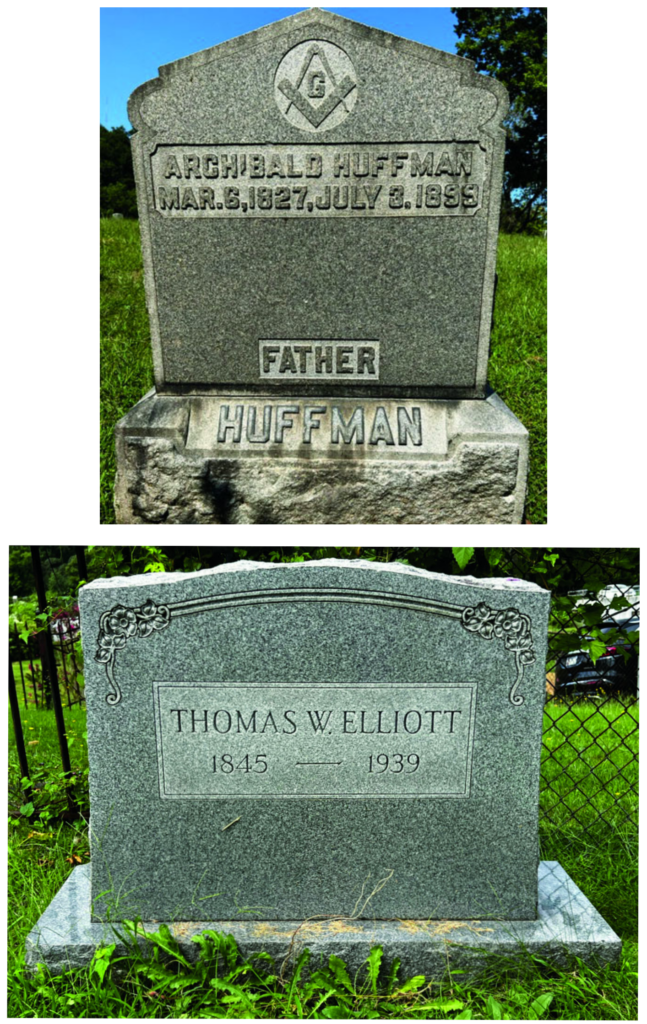
The following is a transcription of the family bible of James Patton Elliott. Originally given to Alexander Elliott at seven, when his father died in 1864 . Alexander and Thomas made hand written notations. The original entries must have been James P Elliott’s handwriting and spelling; ie, born was spelled bourn. As best I can tell it says:
James Elliott was born 5 December 1775
Obedience Parsley was born 13 September 1786
Polly Elliott was born 21 December 1802
James Elliott departed this life 18 January 1829
Obedience Elliott departed this life 11 November 1888
James P. Elliott was born 8 July 1823
Elizabeth Elliott was born 1 June 1815
James P. Elliott departed this life 28 June 1864
Elizabeth Elliott departed this life 17 August 1882
On the front it lists the children:
James William Elliott was born 6 August 1841
James W. Elliott was born 1841
Abram M. Elliott was born 22 November 1843
Thomas W. Elliott was born 3 December 1845
Peter G. Elliott was born 1 January 1848
Jonathan W. Elliott was born 25 October 1850
Joel Jesse Elliott was born 21 October 1853
Minty B. Elliott was born 2 January 1856
and departed this life 11 September 1856
Eleczander Elliott was born 26 September 1857
George Washington Elliott was born 26 December 1861
George W. Elliott departed this life 7 December 1862
James W. Elliott departed this life 26 February 1863
Extracts from the Elliott Bible
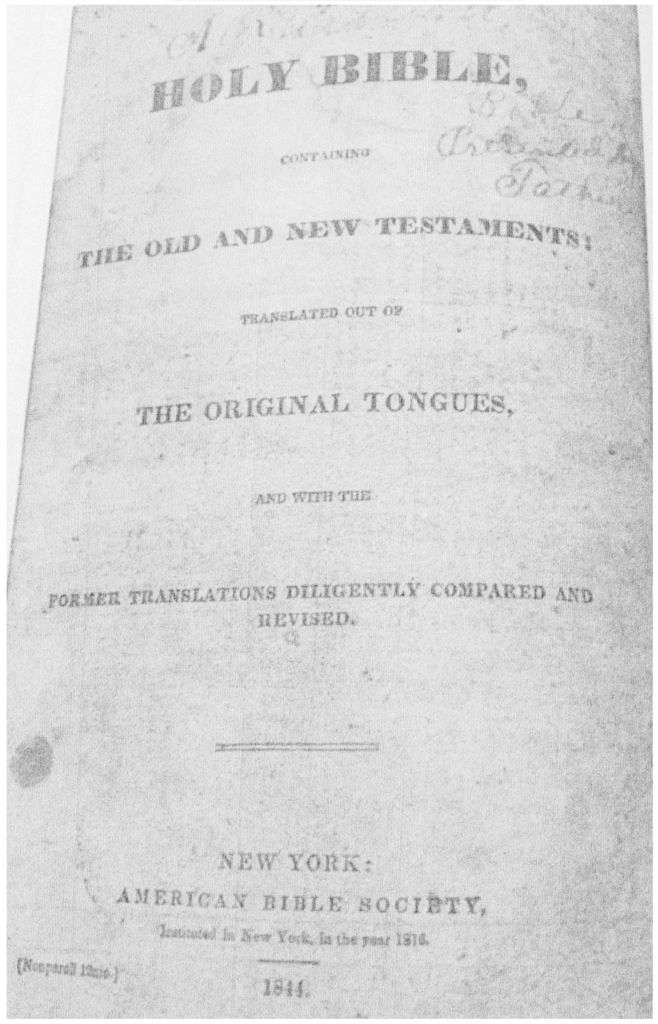
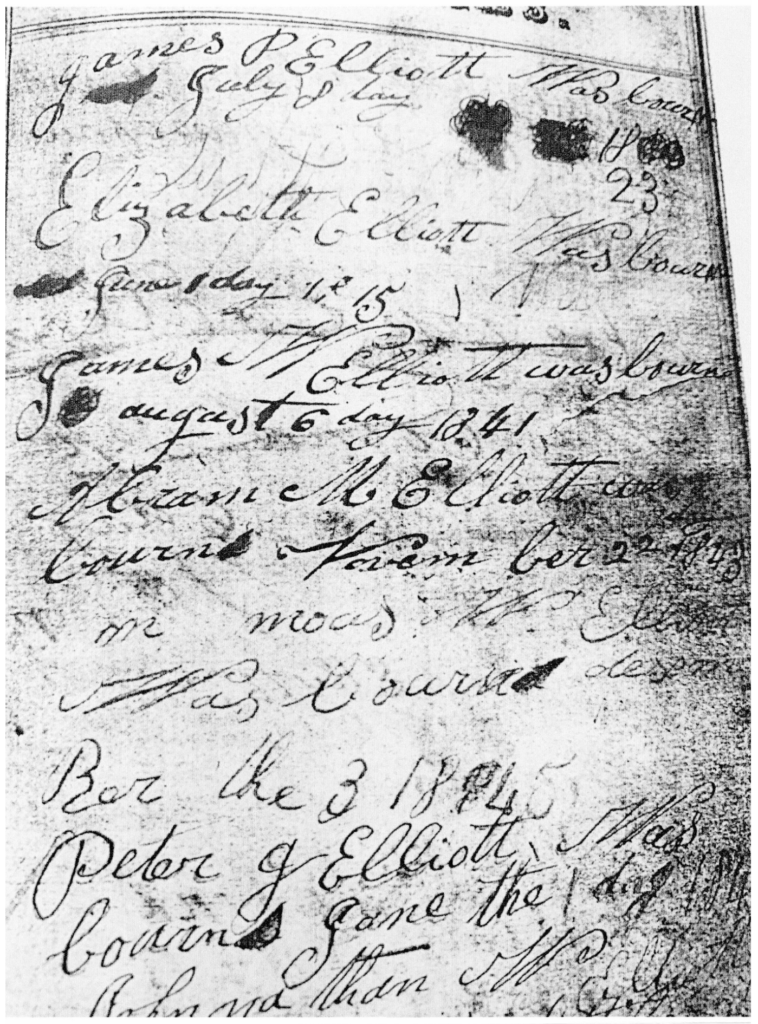
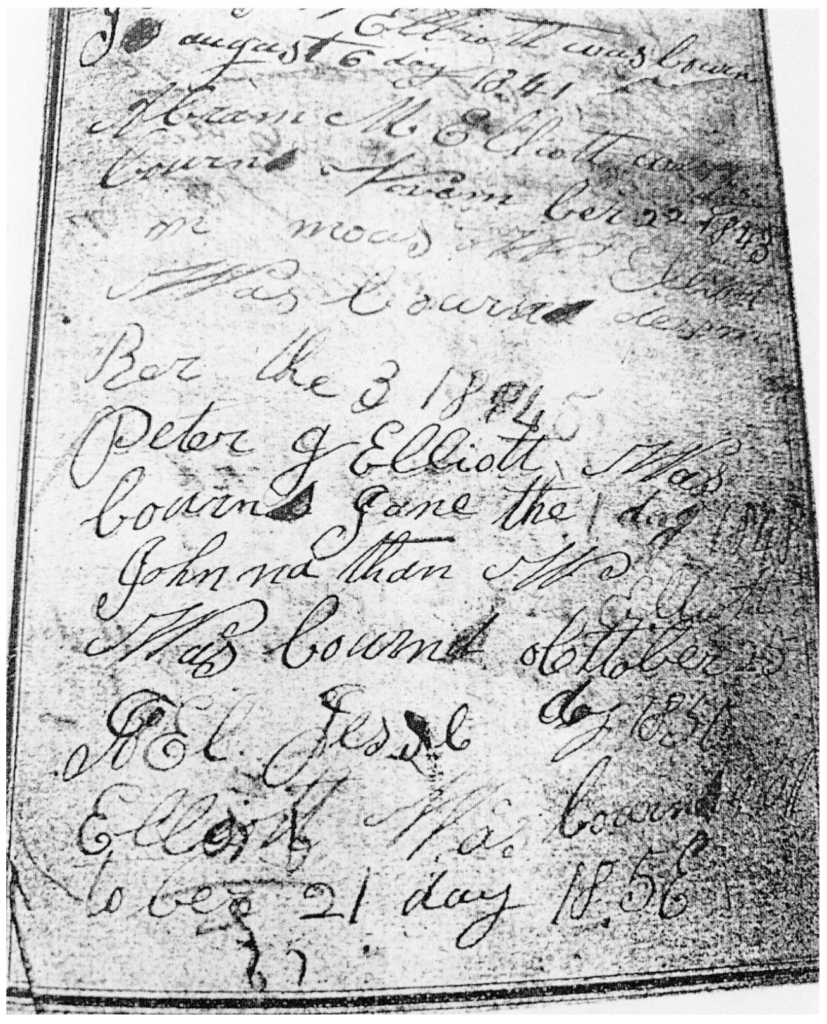
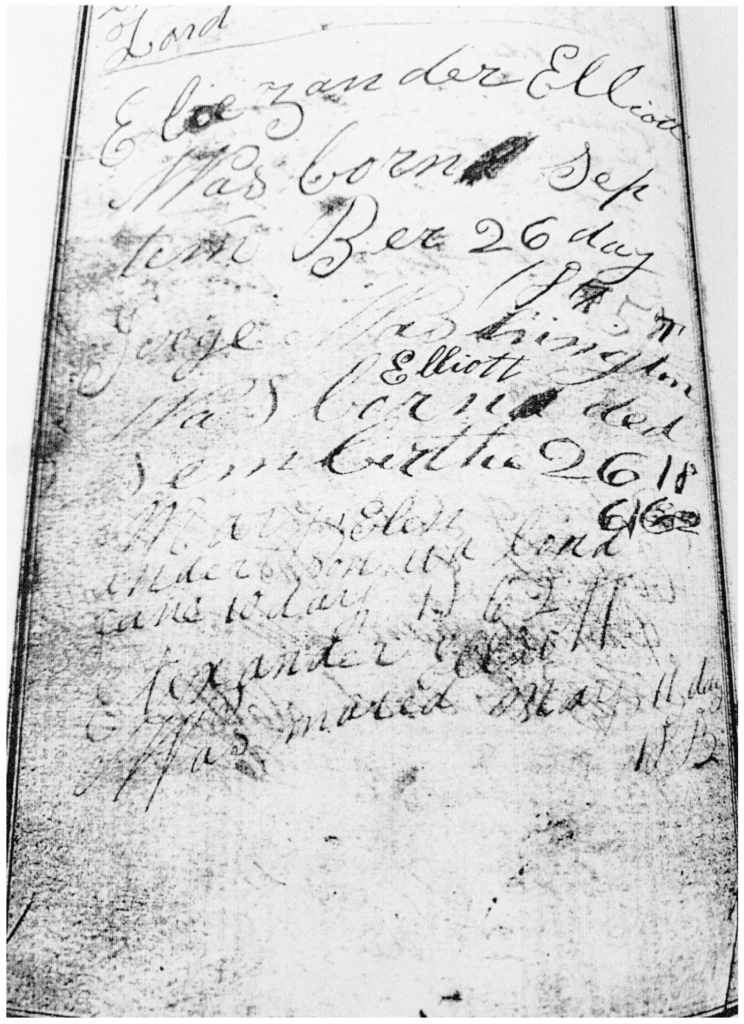
It appears Alexander made an entry:
Mary Ellen Anderson was born 10 June 1862
Alexander Elliott was married 11 May 1882
Thomas Elliott made the following entry in his hand writing:
P.G. Elliott departed this life 2 April 1902
Abraham M. Elliott departed this life 30 April 1902
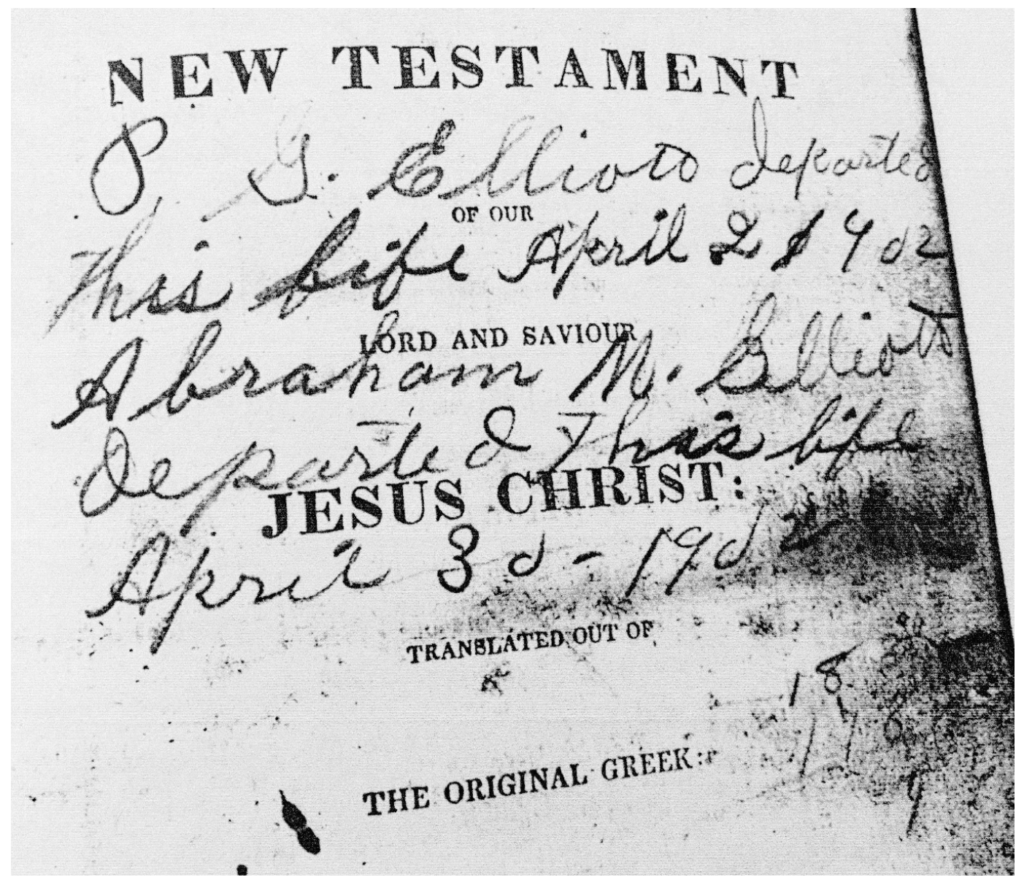
Reference
Shepard, Clarence E. (2005). The descendants of the Elliotts of Elliotts Risque and allied lines: Cunningham, Countiss, Hicks, Litton, Parsley, Vanderpool, Waller, Gilbert Stephens / Clarence E. Stephens (Vols 1,2). Dayton, OH C.E. Shepard. Available at the Library of Congress Jefferson or Adams Reading Rooms (two copies), LCCN 2006274473. Call number CS71.E.42.2005
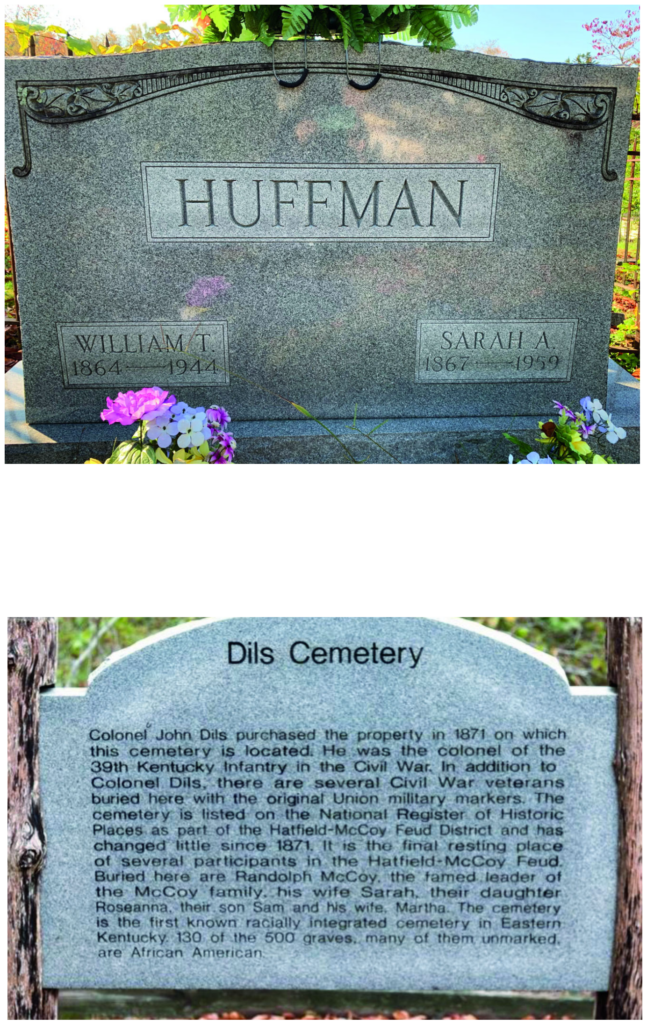
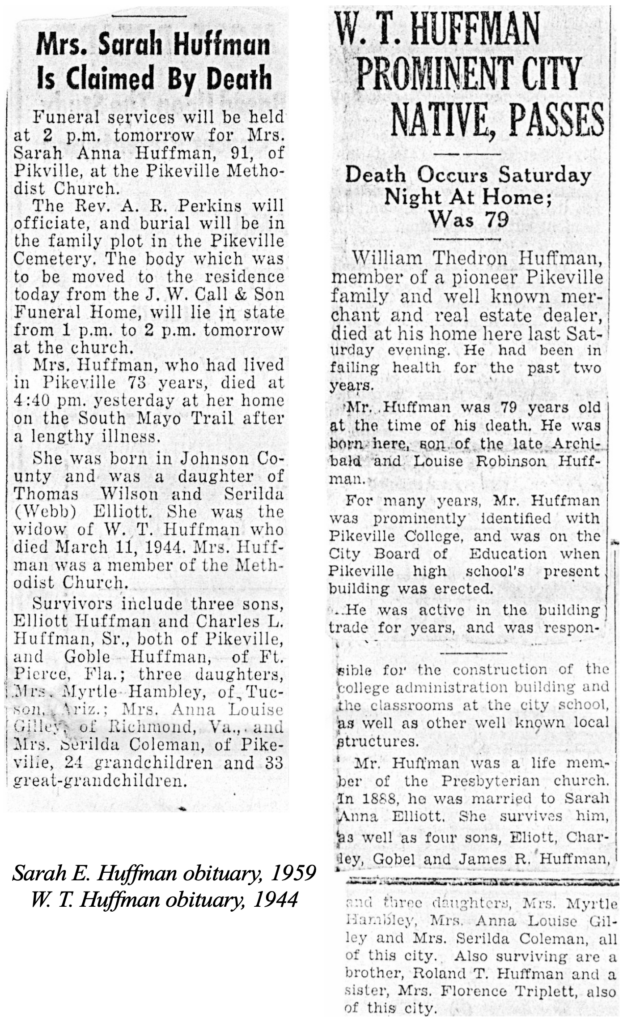
The dry law from Prohibition days, referred to by Thomas Elliott, is still in effect in Pike County today. In 1985 Mayor Hambley put the measure to a vote and the city of Pikeville became “wet.” Ever since, events such as the annual Hillbilly Days festival in April attract thousands. Family reunions in the park have become commonplace…